How a rescue has helped hundreds of guinea pigs


By Megan Shinn

Click here for updates on this story

    PITTSBURGH, Pennsylvania (KDKA) — From the hay and the woodchips to the squeaks and the “wheeks,” Julene Robinson’s got a full house of rescue guinea pigs. She said people now know her as the guinea pig lady.

Robinson opened Wheek Care Guinea Pig Rescue and became the nonprofit’s executive director in 2017.

“I started getting people, ‘oh, you have a guinea pig, take mine, you have a guinea pig, take mine,'” said Robinson.

“It just kind of fell into place,” she said.

After someone gave her a guinea pig as a pet, she learned all she could.

“Once you get the pattern down to taking care of them, it’s a piece of cake,” she said.

Now she’s rescued over 200 just this year.

“They do mean a lot to me because they’ve been thrown away. They are discards,” she said.

These precious pets are discarded by people who can’t provide for them, don’t have the space, or changed their minds.

“We work a lot with the humane society across the United States,” said Robinson.

An estimated 1.5 million families in America own a guinea pig. They’re social pets with an average life span of five to eight years, but sometimes people abandon them or need some help tending to them.

Robinson said she gets them healthy at the vet, provides a safe space, nourishment and hopefully a new home. More than two dozen volunteers make caring for all the rescue pets possible.

“Just incredible, it adds so much joy to my life,” said volunteer Sarah Steranka.

It’s a labor of love that comes with responsibility and a drive to help hundreds of our smallest household pets find a forever home.

“Do your education, that’s the best thing that anybody can do,” Robinson told KDKA-TV anchor Megan Shinn.

She suggests people try to keep their guinea pigs housed if they can.

Before getting a guinea pig, she welcomes people to visit her nonprofit and learn from her. Robinson said she also suggests looking for a vet who treats exotic pets specifically. Wheek Care Guinea Pig Rescue will also help you find a vet or provide supplies if you’re going through an emergency.

The next event for Wheek Care Guinea Pig Rescue is set for Sept. 20th, at Deer Lakes Park on Bailey’s Run Road from noon to 4 p.m. It’s called a “pignic.” For details on the event and how to contact the nonprofit, visit their website.

Please note: This content carries a strict local market embargo. If you share the same market as the contributor of this article, you may not use it on any platform.
Animal rescue installs 24/7 microchip scanner

By Jessica Riley

Click here for updates on this story

    PITTSBURGH, Pennsylvania (KDKA) — An animal rescue in Tarentum has installed a 24/7 microchip scanner, making it easier to help lost pets be reunited with their owners.

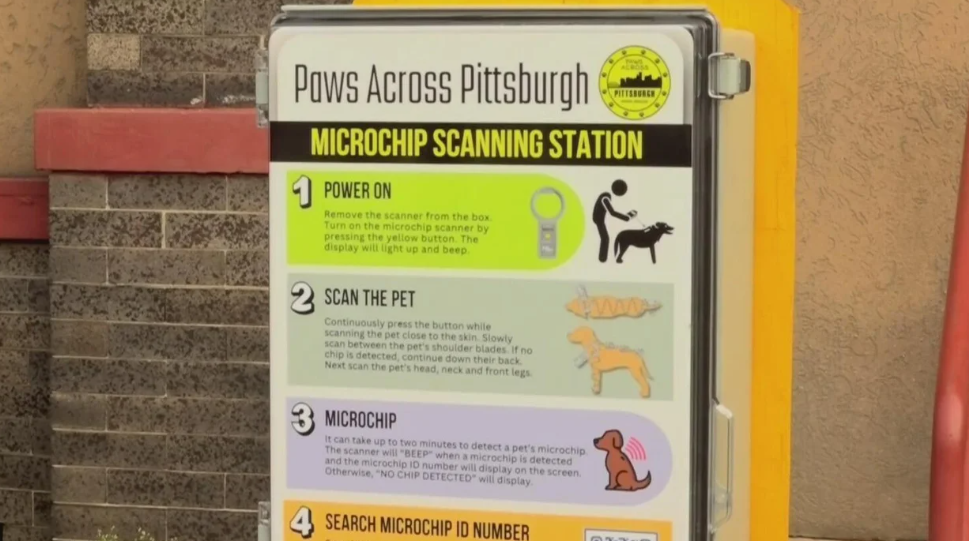
The scanner is installed outside Paws Across Pittsburgh’s rescue house on East Sixth Avenue. It means people who find a lost pet don’t have to wait until a vet’s office or shelter opens.

“The easiest way if you lose your pet for somebody to get it back to you is a chip,” said Jackie Armour, the president and founder of Paws Across Pittsburgh.

The new microchip reader has step-by-step instructions. After scanning the pet and finding the microchip, you can search it in a nationwide registry. From there, the registry connects you to the chip company and ultimately the owners.

Paws Across Pittsburgh said microchipping is important, and they’re looking to expand to other locations.

“Most people think their pet will never get lost until their pet gets lost. So regardless, if the cat’s inside, what if the cat gets outside?” Armour said.

Paws Across Pittsburgh says if your pet isn’t microchipped just yet, they recommend that you get it done.

Please note: This content carries a strict local market embargo. If you share the same market as the contributor of this article, you may not use it on any platform.

Hundreds of people named Ryan gather in NYC in attempt to break world record

By Katie Houlis

Click here for updates on this story

    NEW YORK CITY, New York (WCBS) — Hundreds of people named “Ryan” gathered in New York City on Saturday in an attempt to break a world record, while raising money for a good cause at the same time.

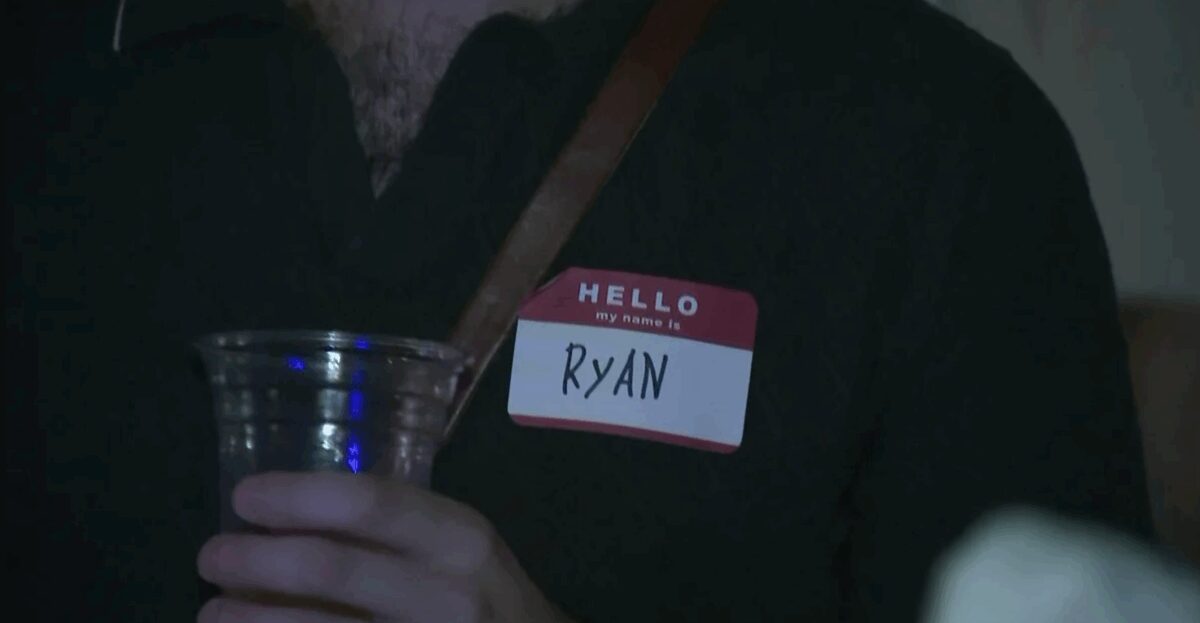
The second ever “Rytoberfest” was held at Torch and Crown in Union Square. The event was organized by Ryan Meetup, an organization that aims to one day break the Guinness World Record for the largest gathering of people with the same first name.

“It’s crazy seeing this many Ryans in one place, and I don’t know. It’s so unreal … Everyone has the same name as you,” said Ryan Clapham, who traveled from Australia for the event.

All proceeds from the event went to the Ryan Callahan Foundation, which was started by former New York Rangers Captain Ryan Callahan to raise money for pediatric cancer patients and their families.

The first Rytoberfest was held in New York City in October 2023 and was attended by over 200 Ryans.

Ryan Meetup has organized various events across the country. The organization’s website stresses that participants’ first name must be Ryan – no Bryans or people with the last name Ryan – though alternate spellings are acceptable.

The current Guinness World Record holder for the largest gathering of people with the same first name was set in 2017 when over 2,000 people with the first name “Ivan” got together in a town in the Balkans.

Please note: This content carries a strict local market embargo. If you share the same market as the contributor of this article, you may not use it on any platform.
Hundreds of people named Ryan gather in NYC in attempt to break world record


WCBS

By Katie Houlis

Click here for updates on this story

    NEW YORK CITY, New York (WCBS) — Hundreds of people named “Ryan” gathered in New York City on Saturday in an attempt to break a world record, while raising money for a good cause at the same time.

The second ever “Rytoberfest” was held at Torch and Crown in Union Square. The event was organized by Ryan Meetup, an organization that aims to one day break the Guinness World Record for the largest gathering of people with the same first name.

“It’s crazy seeing this many Ryans in one place, and I don’t know. It’s so unreal … Everyone has the same name as you,” said Ryan Clapham, who traveled from Australia for the event.

All proceeds from the event went to the Ryan Callahan Foundation, which was started by former New York Rangers Captain Ryan Callahan to raise money for pediatric cancer patients and their families.

The first Rytoberfest was held in New York City in October 2023 and was attended by over 200 Ryans.

Ryan Meetup has organized various events across the country. The organization’s website stresses that participants’ first name must be Ryan – no Bryans or people with the last name Ryan – though alternate spellings are acceptable.

The current Guinness World Record holder for the largest gathering of people with the same first name was set in 2017 when over 2,000 people with the first name “Ivan” got together in a town in the Balkans.

Please note: This content carries a strict local market embargo. If you share the same market as the contributor of this article, you may not use it on any platform.
Berkeley’s cash-for-RV program helps clear encampment, offers model for homeless solutions

By Ryan Yamamoto

Click here for updates on this story

    BERKELEY, California (KPIX) — A buyback program offering cash to people living in their RVs may become a model after the City of Berkeley effectively cleared out a homeless encampment this past January.

It was so successful that UCSF Benioff Homelessness and Housing Initiative began a study to understand what works and what doesn’t work when asking people to move from an encampment into a shelter.

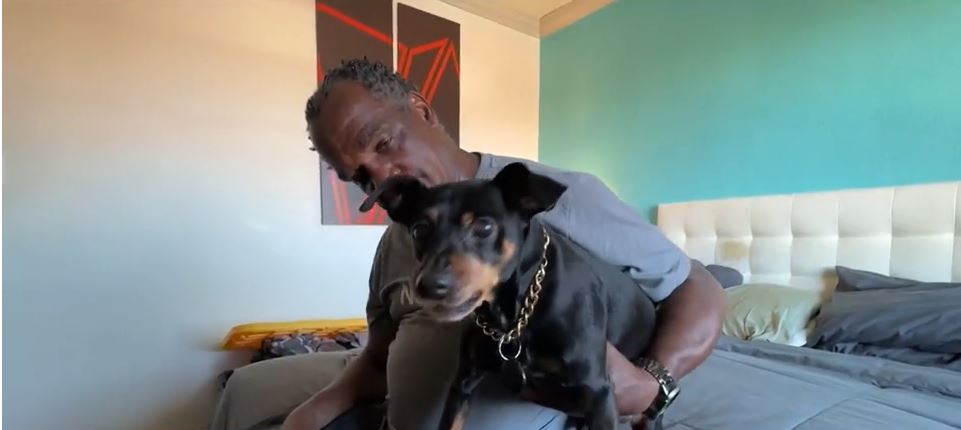
For several years, Mike Jones had lived in his van at the notorious encampment on 2nd Street between Cedar and Page, until this past January, when he accepted an offer to get off the streets.

“The program chose me, I won’t say I chose the program, they came around, they had a plan, and I needed change,” said Jones.

The change came in the form of cash payment for his van, but also his own room at the Capri Motel on University Avenue, where, after several months working with outreach workers, he is now eligible to move into housing.

“I’m waiting for placement, now,” said Jones. “They helped me get my affairs in order, paperwork, Social Security Card, ID, and even my birth certificate.”

Jones is one of 56 residents, according to the UCSF study, who decided to sell their vehicle and move out of the 2nd Street encampment that the City of Berkeley had marked as a top concern.

“I think there is only one word to describe it, which was dangerous,” said Peter Radu, who serves as manager for the city of Berkeley’s Neighborhood Services. “Scattered needles, raw sewage, active rodent burrows, you name it.”

According to city documents, between August 2023 and July 2024, police were called to the encampment 369 times — 33.1% for high-priority calls. The fire department was called 81 times — 38 for fires and 43 for medical emergencies.

Instead of just clearing the encampment, the city of Berkeley, through the state’s Encampment Resolution Fund, offered cash for people’s RVs, $175 per linear foot, $5,250 for a 30-foot vehicle.

The deal came with a few conditions. Residents would receive 15% of the cash payment up front when they moved into the motel, and the rest of the cash once their vehicle was towed. And if they choose not to stay, they could keep the 15%, no questions asked.

“If folks are really attached to this RV as their last remaining asset, that asset is not liquid. What if we liquefy that asset for them in the in the form of a cash payment?” said Radu. “And we found that overwhelmingly, for 29 out of the 32 vehicles that we targeted, the answer to that was, yes.”

The motel room also provided residents, a sense of security and privacy, and a place to store their belongings.

“We had seen how the use of motels and other non-congregate spaces where people have the dignity of their own private room compels folks who are, you know, previously reluctant to engage with homeless shelters to accept our offer and to move inside,” said Radu.

Jones admits if he were offered a traditional shelter bed, he would have declined the offer.

“The rooms are beautiful, you get a shower, you got microwaves, fridge freezer in there,” said Jones.

The motel, which is operated by the nonprofit Dorothy Day House, also provides meals, additional storage, a bike parking lot and allows people to bring their pets. The real goal is to get residents out of the motel and through the lengthy process of permanent housing.

“We’ve had four to five different people that have moved into permanent housing,” said Dorothy Day House Program Director Roshone Atkins. “We’ve also had some people reunite with family, which is really important because a lot of times when you’re out, in an encampment, you’re disconnected from your children or your sisters and brothers. And so, they have had the opportunity to reconnect with family.”

Jones said the staff treat him and the other residents who moved from the encampment with respect.

“They don’t look at you in a down way in nothing,” he said. “They understand, you know, because it could be them one day. You just never know.”

The city is now looking to replicate the program by clearing a series of RV encampments in West Berkeley around Grayson St. and Dwight Way.

Currently, they are working to secure funding to master lease a 32-room motel, contract with Dorothy Day house, and pay for another RV buyback.

Please note: This content carries a strict local market embargo. If you share the same market as the contributor of this article, you may not use it on any platform.
College students become caregivers to peers with disabilities through program

By Meredith Bruckner

Click here for updates on this story

    MICHIGAN (WWJ) — A program launched by a Metro Detroit woman is having a life-changing impact on college students.

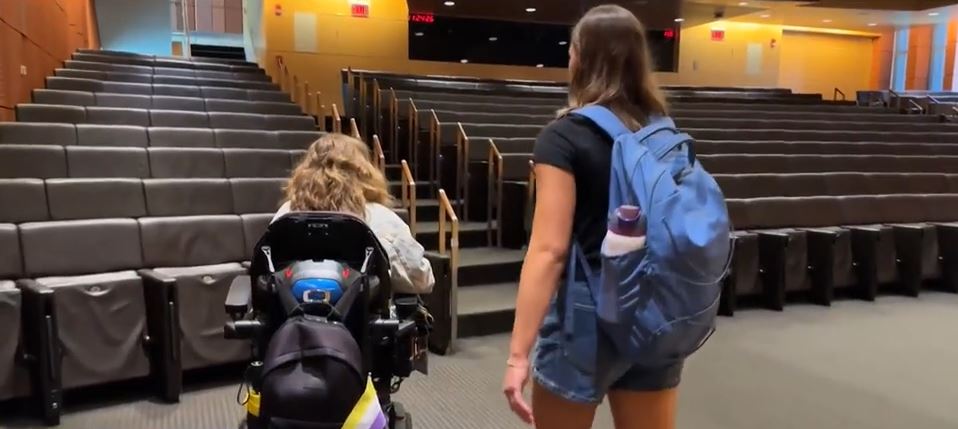
Community Living Centers employs students to care for other students with disabilities on their college campuses. Executive director Lisa Murrell launched the program 11 years ago.

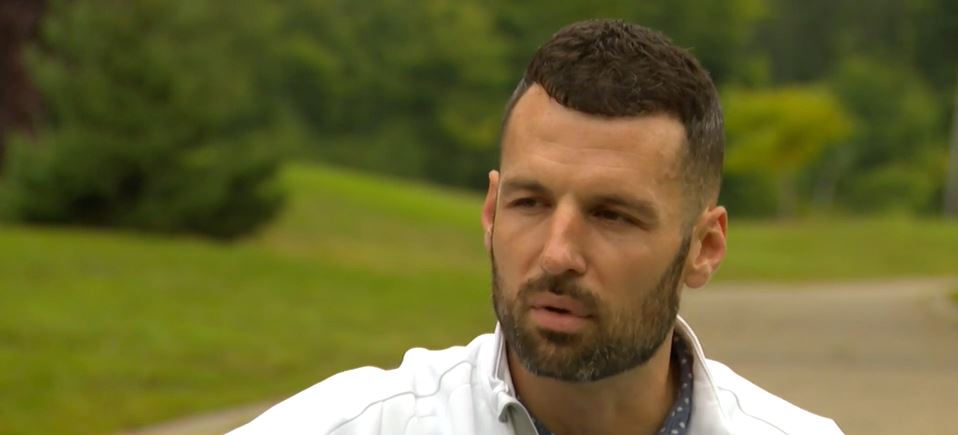
“I was approached by a young man in a wheelchair, and he told me that he had just graduated from high school with honors,” said Murrell. “He had been accepted to the University of Michigan. He wanted to live on campus and go to games at the Big House like his dad did, and — would I help him?”

Alexia Steinberg and Abraham Mansuroglu have been working together for a year and a half.

“I have someone with me 24/7,” said Mansuroglu. “I’d say in the morning, I have someone help me get out of bed, shower, brush teeth, go to the bathroom.”

“It’s never really awkward because Abe’s so funny,” said Steinberg, who hopes to become a physician assistant. “I know that hands-on care and working with people like Abe will help me become a successful caregiver one day.”

Aside from practical experience gained through caregiving, students on both sides of the program said they were grateful for the friendships they made while navigating college together.

“I remember while we were going through the hiring process, Lisa said, ‘You all live the same lives,'” said sophomore Mel Malczewski. “And that’s really stuck with me. Because, you know, since having student caregivers, I realized that everyone really is living the same lives here.”

“I’ve really enjoyed caring for other students,” said Gabriela Rodriguez, who works with Malczewski. “Mel is a couple years younger than me, and I wouldn’t have met them otherwise, so it’s been a really nice experience to meet a student and a friend.”

In total, the program serves 10 students who need 24/7 care at the University of Michigan, Michigan State University, Central Michigan University and Hope College.

The center employs more than 110 student caregivers to help the students with every aspect of their lives.

“It’s honestly been super nice to be a caregiver but also be a friend,” said Steinberg. “Abe and I text even not with our shifts. He really has become a friend and someone who I can just lean on and trust with anything.”

“All of high school, I had someone who was a lot older than me, and it was fine. They were helpful,” said Mansuroglu. “But at the same time, it was a little bit strange just going around with sometimes 60-year-olds and 70-year-olds … I feel like now it’s just different, whereas now I’m a friend with my caregivers and we hang out at the same time as them helping me, so I enjoy it.”

Murrell said the bonds the students and student caregivers create are lifelong.

“They end up being in each other’s weddings,” she said. “One of the young men is the godfather to several of his former staff members’ children. They’re family. We create families.”

To learn more about the program, visit the Community Living Centers website.

Please note: This content carries a strict local market embargo. If you share the same market as the contributor of this article, you may not use it on any platform.
Man walking 307 miles to fund mental health, addiction programs

By Derek James

Click here for updates on this story

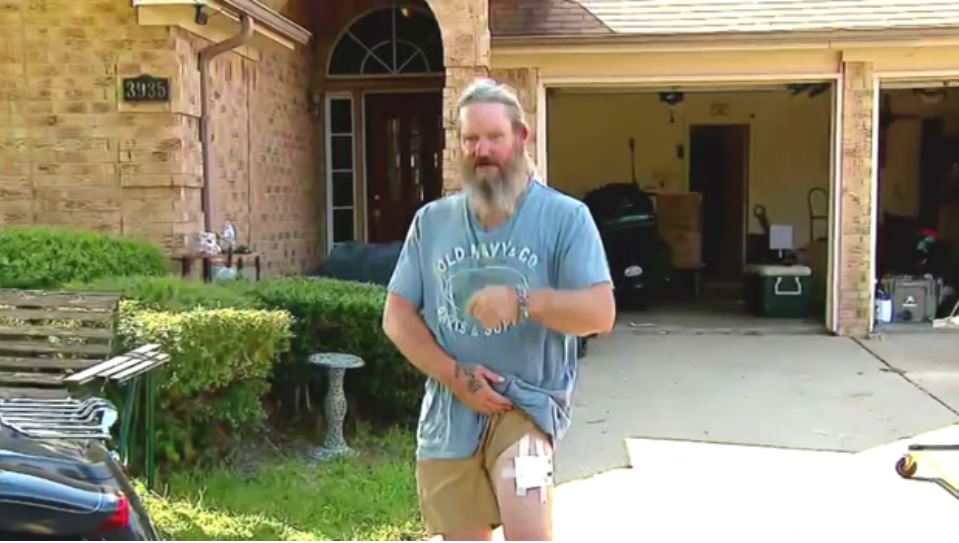
    MINNESOTA (WCCO) — This fall, Jason Lennox is walking 15 to 25 miles every day for three weeks: a 307-mile journey through Appalachia from Williamson, West Virginia, to Nashville, Tennessee.

His mission is to raise $307,000 to fund mental health and addiction programs.

“Three-hundred-and-seven-thousand people. That’s how many people we lost in our country alone last year to drugs, alcohol and suicide,” Lennox said.

Lennox will walk in memory of lives lost and lives still fighting. It’s a mission rooted in his own pain and survival.

“I think I was 12 years old when I started getting into alcohol, smoking cigarettes, then marijuana came, prescription pills after and some of the harder drugs,” Lennox said.

By his early 20s, he was running from the law, numbing the pain of mental illness and addiction until an overdose at a group home landed him in jail.

“I was convulsing, I was going through withdrawals, all the mental anguish, the depression, the anxiety. Those things all hit me, and it was the worst day of my life,” explained Lennox.

He went into treatment. A week into recovery, his grandmother, who once tried to intervene, died.

“I’m either running out of here and going back to the old life, which is going to not end well, or I’m going to do everything I can in the honor to try and to make up for these things that I’ve done and live this kind of life for my grandma,” Lennox said.

That was 15 years ago. Today, Lennox is a business owner, speaker and founder of The Recovery Road campaign.

It’s a mission he invites others to join him in.

“It’s going to require a bunch of people. We can get 307,000 miles and then a dollar for each mile to raise $307,000 to build programs within high-need, under-resourced areas,” Lennox said.

Lennox has a message for anyone who is struggling with addiction or mental health problems and is not receiving treatment.

“I always say just hang on for one more day. The difference between the end of a really bad journey and the beginning of a really good journey is 24 hours,” Lennox said.

Lennox’s walk for The Recovery Road begins on Sept. 29.

You can donate or pre-register to walk and log your miles online.

Please note: This content carries a strict local market embargo. If you share the same market as the contributor of this article, you may not use it on any platform.
Man details being shot by police after 911 error sent them to wrong home

By Doug Myers, Briseida Holguin

Click here for updates on this story

    GRAND PRAIRIE, Texas (KTVT) — A Grand Prairie man says police shot him after he opened his garage door to what he believed were burglars — only to discover officers had mistakenly arrived at his home due to a 911 dispatch error.

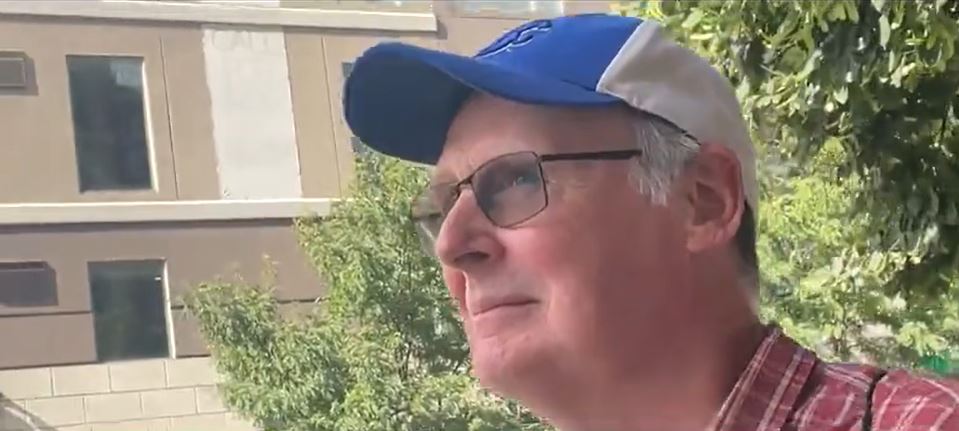
“I never popped a round off. As soon as the door opened, I saw their badge. I threw the gun to the ground, got shot in the leg,” Thomas Simpson told CBS News Texas.

Simpson said the incident happened around 1:30 a.m. Friday. He was awakened by his dogs barking and, fearing a break-in, grabbed his firearm and opened the garage door. He said he raised the weapon in self-defense but dropped it immediately upon recognizing police badges. That’s when he said officers opened fire, striking him in the leg.

“They did not identify themselves or anything,” he said. “They never said Grand Prairie Police Department. But I recognized from the light, the shine off the badge when the garage door got to a certain point, and that’s why I dropped my pistol.”

Grand Prairie police later confirmed that officers were responding to a disturbance call but were mistakenly sent to the wrong address due to a computer-aided dispatch system error.

The family said police fired a total of eight rounds — some of which struck the garage and interior walls — even after Simpson was on the ground. His teenage son and nephew, who were also armed, were standing behind him at the time.

All five family members were detained for about four hours, according to the family, including the children, who were handcuffed and placed in police vehicles.

“Even my children, 13-year-old and 16-year-old, had to sit in the back of a cop car in handcuffs for three hours,” Simpson said.

Simpson said police offered no explanation or apology afterward. He was taken to the hospital and later released. He said he plans to take legal action.

“We’re gonna talk to lawyers and go after everybody responsible for it,” he said. “They need to pay. They need to learn there’s consequences to their actions.”

The family was in the process of moving out of the rental home when the shooting occurred. They said one of the bullets ruptured a water pipe, flooding the house with three inches of water. Fortunately, most of their belongings had already been moved out.

Simpson expressed frustration with how the situation was handled.

“Hopefully, they’ll follow their police procedures in the future, because from what it appears, a lot of the actual procedures were (expletive) in my opinion,” he said.

CBS News Texas has reached out to the Grand Prairie Police Department multiple times for further comment but has not received a response. The incident remains under investigation.

Please note: This content carries a strict local market embargo. If you share the same market as the contributor of this article, you may not use it on any platform.
Teacher walking every block in Brooklyn finds forgotten history along the way

By Hannah Kliger

Click here for updates on this story

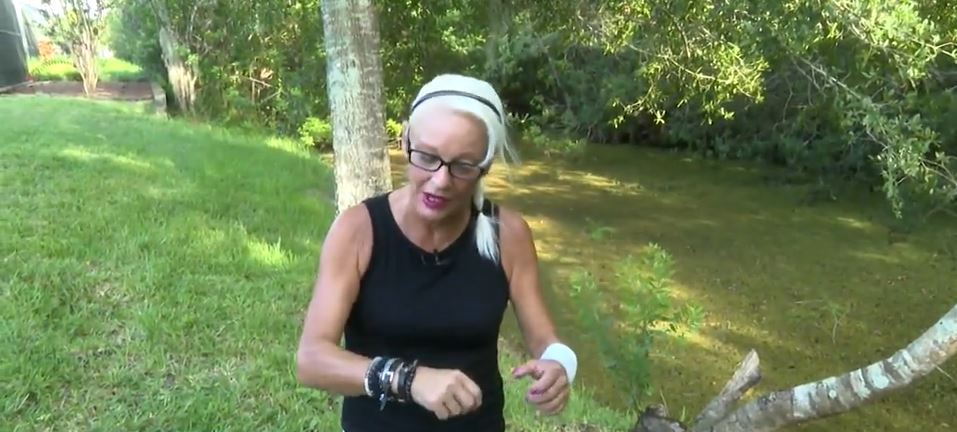
    NEW YORK (WCBS) — Public school math teacher Christopher Burke has a unique goal: to walk every single block of Brooklyn.

Along the way, he’s uncovering hidden pieces of the borough’s history.

“I was a sub, so I was working at different schools. So I started walking home from different schools and I started mapping it out,” he recalled on a recent walk.

Burke, who grew up in Park Slope, began this ambitious journey in 2019 as a personal challenge and a way to connect more deeply with the place he calls home.

“There are a lot of memorials all over Brooklyn that I never knew about,” he told CBS News New York’s Hannah Kliger.

Meticulously tracking his progress on his phone, Burke estimates he’s covered almost the entire western half of the borough, and is more than halfway through.

He often posts updates on Instagram and Reddit, where reactions are mixed. Some offer encouragement, while others doubt his commitment.

“I get a lot of feedback, some of it positive, some of it, you know, jokes,” Burke said.

Along his walks, Burke photographs traces of the past: old trolley tracks, memorable statues, and historic architecture.

“A lot of things are changing, you know. I’ve been to Coney Island recently. It’s all construction,” he said.

But some places stand out to him because of how much they’ve stayed the same.

“This is Ten Eyck Street,” he said. “It’s a Dutch name. It actually means ‘of the Oak’ and the Ten Eyck family actually came over to New Amsterdam in the 1630s. So almost 400 years ago, they were like one of the founding families of New York.”

One recent discovery brought Burke to a monument in Williamsburg dedicated to a nearly forgotten piece of history.

“This monument was erected by the Lithuanians of Greater New York back in 1957,” he said, pointing to the square at the intersection of Hewes Street and Union Avenue. “That one surprised me only because Lithuanians is not one of the ethnic groups I think of – I know we have all of them, it’s just not one of the ones that pops out at you.”

The monument honors pilots Steponas Darius and Stasys Girėnas, who attempted a record-breaking transatlantic flight from Floyd Bennett Field in Brooklyn to Lithuania in 1933 before tragically crashing to their death.

“There are several monuments like this all over the United States of America, dedicated to them,” said Augustinas Zemaitis, a Lithuanian researcher and author of a book documenting Lithuanian heritage sites in the U.S.

His work is an effort to preserve and share this history.

“Indeed, Williamsburg was once the center of that community and many Lithuanians immigrated very long ago, late 19th century and the early 20th century,” Zemaitis said.

For Burke, these discoveries are what his project is really about.

“It’s a goal. It’s not a mission,” he said, laughing. “If I do it, great. If I don’t, I’m getting a lot of exercise and I’m seeing a lot of Brooklyn.”

Burke says it’s not just about mapping the borough, but about truly seeing it, one block at a time.

Please note: This content carries a strict local market embargo. If you share the same market as the contributor of this article, you may not use it on any platform.

Woman fights off alligator with her bare hands to save puppy: “I punched him in the eye”

By Sergio Candido

Click here for updates on this story

    LAND O’LAKES, Florida (WFOR) — A Florida woman is recovering after fighting off an alligator that tried to drag her puppy into a backyard creek.

It happened last week in Land O’Lakes, just 20 miles north of Tampa.

Danie Wright said she was walking her 4-month-old puppy, Dax, behind her house when the attack took place. The two were strolling along a stagnant creek covered in water moss, giving perfect cover for the predator, she told Tampa CBS affiliate WTSP.

“I heard a squeal, and I got pulled,” Wright said. “The alligator had him by his [collar] and dragged him, and I wasn’t gonna let go.”

She said the reptile latched onto Dax’s collar and began dragging him into the water. That’s when Wright went into fight mode.

“I just punched him, punched and punched,” she recalled. “I punched him in the eye enough that he kind of let go, he unclamped a little, and I pulled off, but his teeth dragged down my arm.”

Wright was bitten during the attack but is now recovering.

Trappers and Florida Fish and Wildlife Conservation Commission (FWC) officers later captured the 5-foot alligator and removed it from the property, according to WTSP

“Just be careful with your dogs, you know these alligators are no joke,” Wright, a Floridian for 20 years, warned. “I mean, 15 feet, he came out to get him, and I didn’t see him.”

Thanks to Wright’s quick action, both she and Dax survived the harrowing encounter.

Please note: This content carries a strict local market embargo. If you share the same market as the contributor of this article, you may not use it on any platform.