Cooling technology tested in Yuma fields could help farmers beat extreme heat

Manoah Tuiasosopo

YUMA, Ariz. (KYMA) – A new agricultural technology being tested in Yuma could help farmers extend growing seasons and protect crops from the region’s increasingly intense desert heat.

At the University of Arizona Agricultural Research Station in Yuma, researchers are evaluating a large-scale evaporative cooling system designed to create a more controlled growing environment directly in open farm fields.

The system, developed by AtmoCooling, uses real-time monitoring to adjust temperature and humidity levels throughout the day.

The goal is to help stabilize conditions for crops that are especially vulnerable to heat stress, including broccoli and cabbage.

Paul Mahacek, CEO and co-founder of AtmoCooling, says the technology is designed to give farmers more flexibility in when and how they grow.

“What we’re gonna show here is that we can bring temperature and humidity back into a range where we can kind of grow what we want when we want here in Yuma,” Mahacek said during a demonstration at the research site.

Researchers say the system is intended to act as a protective buffer during extreme heat events, which are becoming more frequent in the Southwest.

High temperatures can lead to issues such as crop bolting, reduced yields, and shortened harvest windows.

Unlike traditional greenhouse systems, the technology is designed for open-field farming and works alongside existing agricultural equipment and irrigation methods.

Developers say this allows farmers to adopt the system without major infrastructure overhauls.

Company officials also say the system can be rapidly deployed when extreme heat is forecast, offering farmers a short-notice tool to protect crops during critical growing periods.

The Yuma trial builds on previous international deployments, including long-term use in desert agriculture projects in the Middle East, where similar systems have been used to reduce field temperatures under harsh conditions.

Researchers involved in the project say the Yuma testing phase will help determine how effectively the system can improve crop resilience and extend production cycles in one of the nation’s hottest growing regions.

If successful, the technology could offer growers across the Southwest a new way to adapt to rising temperatures while maintaining crop quality and yield.

Click here to follow the original article.

Yuma City Council learns stormwater update

Lauren Duffel

YUMA, Ariz. (KYMA)- The Yuma City Council members learned the stormwater going back into the Colorado River is safe during a meeting Tuesday night.

Every year, state and federal laws require a report on city stormwater quality. This is to ensure the water going back into the Colorado River is safe and has low selenium levels.

High levels can impact the environment and even hurt animals who depend on the river to survive.

Mayor Douglas Nicholls said, “We do storm water pollution protection plans which include not just part plans but processes and things that we can go through with maintenance or construction. We just manage the city and the run off this is the annual report that engineering gives to council to make it official.”

City engineers say they haven’t had any stormwater issues in over five years.

Click here to follow the original article.

Ticks are appearing more frequently as summer approaches

Lauren Duffel

YUMA, Ariz. (KYMA) – Ticks are appearing more frequently as we head into the summer months.

Brown dog ticks are commonly found in Arizona and can live their entire lives indoors. The National Pest Management Association (NPMA) says there are ways to prevent ticks from gathering outside before they make their way into your home.

Jim Fredricks with NPMA said, “They will find their way into the cracks and crevices that can be in the house or on yard furniture, other places where they can hide. It’s a good idea to be doing an inspection or contact a professional so that they can come up with a plan to protect your home.”

If you come in contact with a tick or think you might have been bitten, consult your physician.

Click here to follow the original article.

Applebee’s in Calexico to close this month

Carolina Garcia

CALEXICO, Calif. (KYMA) – The Applebee’s location in Calexico will officially close this month.

The announcement comes just one month after the closure of the Calexico 10 Theatres, located only a few feet away from the restaurant.

Applebee’s employed nearly 30 people and was open in Calexico for more than 20 years.

The exact reason for the closure has not been disclosed.

Click here to follow the original article.

Strong Beginnings Project holds Sensory Classroom Initiative

Dillon Fuhrman

YUMA, Ariz. (KYMA) – The Strong Beginnings Project is inviting the Yuma community to nominate teachers who they think would benefit from a sensory-friendly classroom.

According to a post on Facebook, this is part of the their Sensory Classroom Initiative, a grant program to help teachers build a more inclusive, sensory-friendly learning environments for students in Yuma County.

Courtesy: Strong Beginnings Project

Courtesy: Strong Beginnings Project

The nominations close Sunday, where they will review all the submissions for eligibility, and select 15 finalists based on the following factors:

Demonstrated classroom need

Eligibility requirements

Classroom size and type

Impact potential

Other program considerations

Courtesy: Strong Beginnings Project

Finalists, according to the Strong Beginnings, will be notified by email, and will be announced on their social media pages.

To learn more about the program, as well as to nominate teachers who they think would benefit from a sensory-friendly classroom, click here.

Click here to follow the original article.

District One superintendent appointed to State Council on the Education for Military Children

Dillon Fuhrman

YUMA, Ariz. (KYMA) – Yuma School District One says their superintendent, Denis Ponder, has been appointed to Arizona’s State Council on the Education for Military Children.

According to a press release, the Council is a “statewide organization dedicated to supporting the educational success and transition of military-connected students and families across Arizona.”

District One also says the Council, which was established ten years ago, collaborates with school districts, military installations, state agencies and community partners in order to support “military-connected students and address the educational challenges families may encounter during relocations and deployments.”

In addition, the school district says, “Ponder’s appointment recognizes both his commitment to student success and District One’s longstanding partnership with military families in the Yuma community” as it is home to Marine Corps Air Station Yuma and U.S. Army Yuma Proving Ground.

“Military families make tremendous sacrifices in service to our country, and our schools see firsthand the resilience and strength these students bring to our campuses,” said Ponder. “This appointment provides an important opportunity to support student success wherever military service may take their families.”

To learn more about Ponder’s appointment, and about the Council itself, read the press release below.

2025-24 Appointment to Military CouncilDownload

Click here to follow the original article.

Yuma locals concerned about cameras next to ballot drop boxes

Madeline Murray

YUMA, Ariz. (KYMA) – As Yuma County’s election season approaches, some locals are concerned about the cameras located next to the ballot drop boxes.

Yuma County Recorder David Lara says the cameras are only zoomed in at the drop boxes, not at parking lots, licenses plates, or people entering the library.

Lara says on election day the cameras in all the buildings are turned off.

During early voting, the cameras are turned off during the day and on at night. 

“The reason is we have to maintain security, confidence, transparency for the voting system that the ballots are secure,” said Lara.

Lara would also like to remind registered independent voters to request the ballot of the party of their preference if they want to voter in the Arizona the primary election, happening on July 21. 

Click here to follow the original article.
Summer is almost here, and so are the pests in Yuma

Lauren Duffel

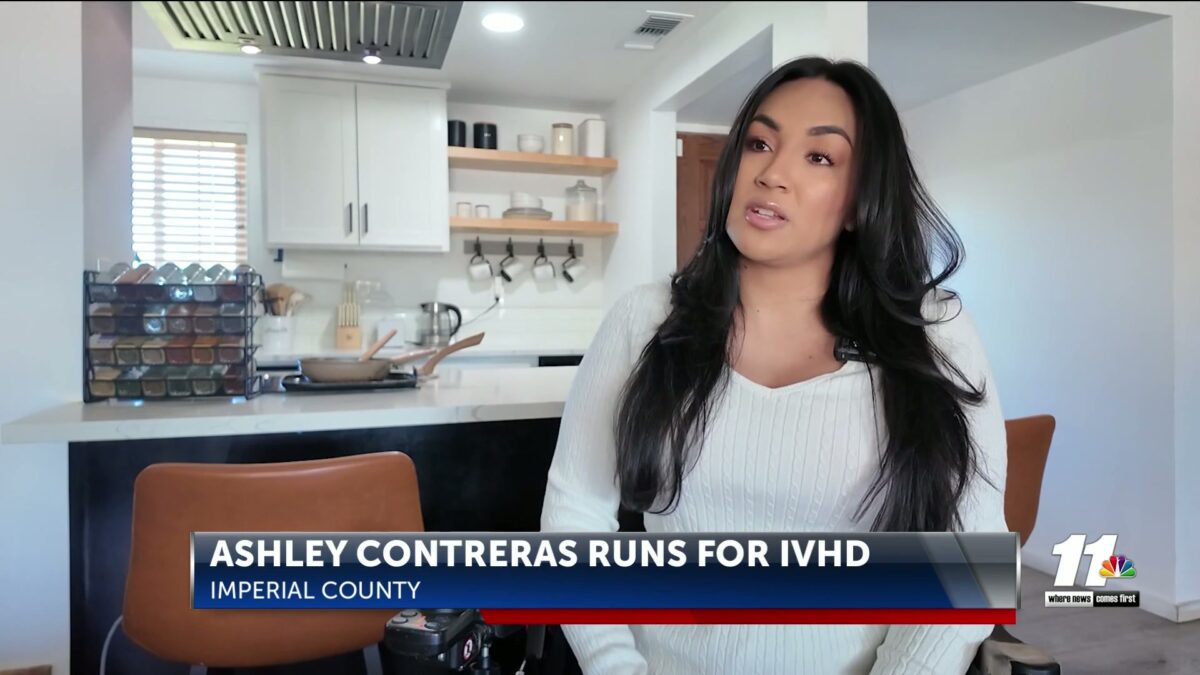
YUMA, Ariz. (KYMA) – Summer is almost here, and so are the pests in Yuma, which can mean spiders, scorpions, ants and more.

That’s why experts say it’s important to make sure your home is ready before pests start making their way inside.

James Rodriguez with Empire Pest said, “One of the biggest things that residents can do to keep the bugs out of their house is to make sure the window seals and door seals are in good shape and in working order all around the house, especially the garage. The garage is the weakest point of all areas of the home.”

Ensuring that your home is secured can help you avoid outside pests getting inside.

Click here to follow the original article.
Yuma libraries kick off summer reading program to combat ‘summer slump’

Lauren Duffel

YUMA, Ariz. (KYMA) – Yuma libraries have kicked off their summer reading program to combat “summer slump.”

The program’s theme this year is “Unearth a Story.” Readers of all ages are encouraged to pick up a new story, track how long they’ve been reading through an app, and have a chance to win prizes.

Klarissa Fausto with the Yuma County Library District said, “The summer reading program is happening now until July 18th. It’s a perfect opportunity for people of all ages to come on in, grab a book and even sign up for our summer reading challenge.”

For more information on the summer reading program, you can visit the library district’s website for more details.

Click here to follow the original article.
Rep. Raul Ruiz opposes proposed Imperial County data center project

Adrik Vargas

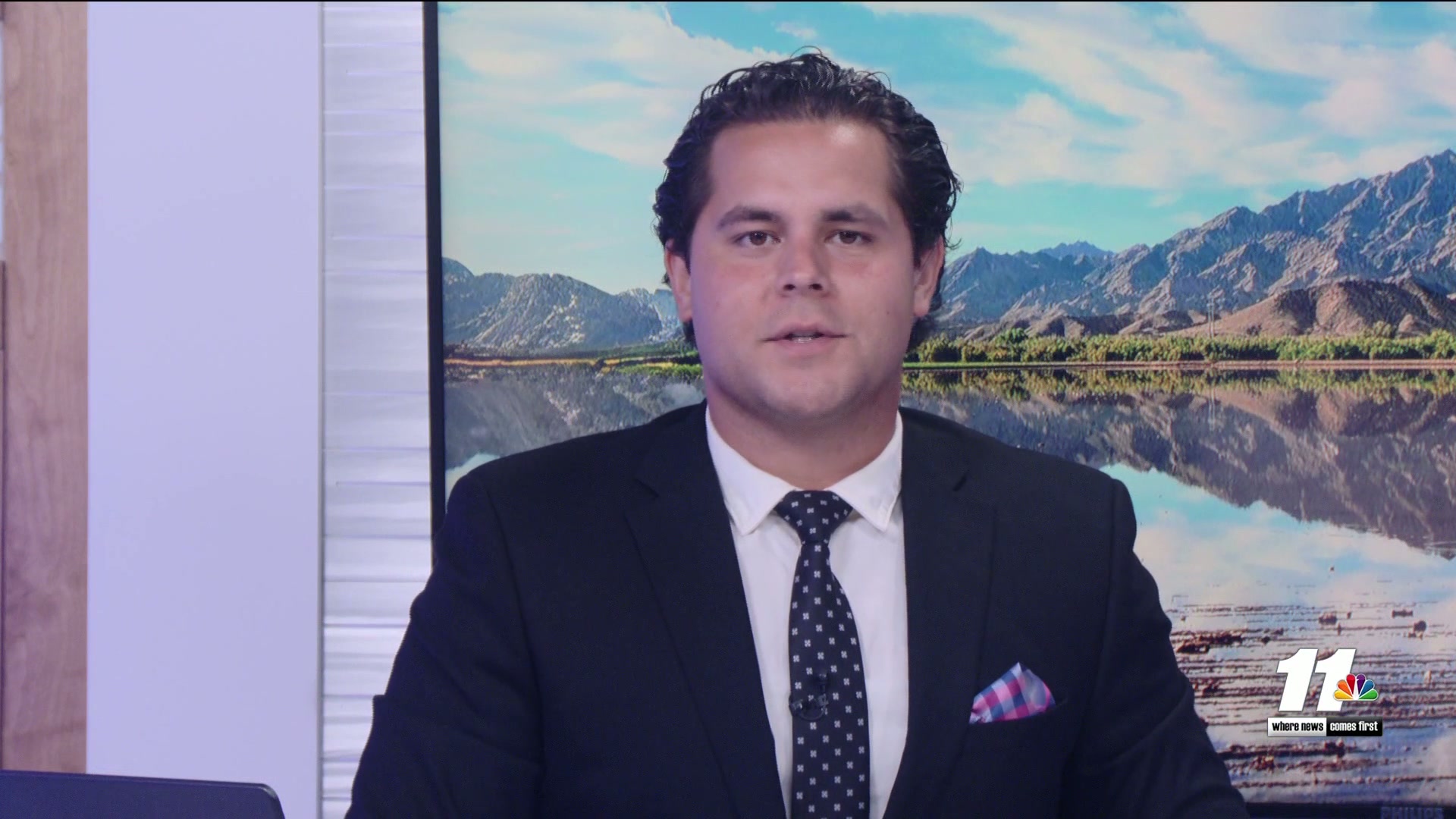
IMPERIAL COUNTY, Calif. (KYMA) – Concerns over a proposed data center project in Imperial County continue to grow, and now, Rep. Raul Ruiz (D-Calif.) is publicly voicing his opposition.

In an interview, Rep. Ruiz said he opposes proposed data center developments in both Imperial and Coachella Valleys, citing concerns over energy use, water consumption, pollution and potential impacts on local infrastructure.

“I am opposed to the proposed data centers in Imperial and Coachella,” Ruiz said. “I urge local officials to do what they must to delay and end the proposals.”

Residents have spent months speaking out against the project, attending Board of Supervisors meetings and organizing rallies.

Many have raised concerns about how a large-scale data center could affect utility costs and quality of life in the Imperial Valley.

Ruiz said he is particularly concerned about the economic impact on local families.

“I’m also concerned about the economic effects for individual households who may have to pay more out of pocket due to energy costs,” Ruiz said. “The communities in Imperial Valley are already one of the most under-resourced communities in the whole state.”

The developer behind the proposed project, Sebastian Rucci, has defended the plan at public meetings. He says millions of dollars have already been invested in air, water and soil studies and argues that concerns about water use have been overstated.

According to Rucci, the project would use reclaimed water and require significantly less water than some estimates suggest. He also said excess reclaimed water could potentially be made available for public use or sent to the Salton Sea.

Several Imperial Valley cities, including Calipatria, Brawley and Imperial, have moved forward with moratoriums or bans on hyperscale data centers.

Ruiz says he now wants to take the issue beyond the local level. He says he is looking at possible federal legislation that could set clearer rules for where data centers can be built and how they operate.

He says any future policy should address energy costs for consumers, limit development near residential areas, and protect water-scarce regions like the Imperial Valley.

He also says he would want to see requirements for community benefits, including local labor participation and investments in nearby communities.

Click here to follow the original article.