‘Stand up, speak out, and be the difference’: Central Oregon rallies for change during National Bullying Prevention Month

Claire Elmer

(Update: adding video, adding comments from Crook County Middle School, NAMI of Central Oregon, and Bend-LaPine Schools)

BEND, Ore. (KTVZ) — October is recognized nationwide as Bullying Prevention Month, a time to raise awareness about the impacts of bullying and the importance of creating safe, supportive environments. In Central Oregon, advocates, schools, and community organizations are working together to promote kindness, inclusion, and respect.

Across Central Oregon, schools are using this month to remind students that small acts of kindness make a big difference. At Crook County Middle School, students lead the anti-bullying effort. Principal Marques Hase spoke of the efforts with KTVZ News. 

“We had our student advisory committee and our leadership students working with our counselors. They made some anti-bullying kindness posters, student-driven student-created. It’s an anti-bullying, positive pro-kindness campaign of what we expect—to help each other, to be respectful, resilient, and responsible,” said Hase. 

The “CC Way” teaches students to stand up, speak out, and be the difference. “Pushing students to use their peer influence for the positive, for the good of our CCMS community, is what we really want in our kids,” Hase added.

Nationally, about one in five students report being bullied each year, and experts say the effects go far beyond the classroom. 

Devon Nelson-Harmon, community organizer with the National Alliance on Mental Illness (NAMI) of Central Oregon, explained, “All kinds of consequences can and come from bullying. We design our sense of self around the way that we’re treated by others. Because kids spend so much time at school and with their friends and teachers, that has a significant impact on a child’s overall well-being and mental health.” 

Nelson-Harmon also stressed the importance of opening conversations around mental health, especially in smaller, rural communities that may have fewer resources. “If we’re not used to talking about mental health, it may be messy at first, and that’s okay. Spread the word and be that example that it’s okay to get help and talk about these things.”

In Bend-La Pine Schools, addressing bullying includes tackling the growing challenge of cyberbullying. Superintendent Scott Maben noted, “Nearly all teens today have access to the Internet, messaging apps, and social media, so the means are there. Cyberbullying can occur any time of day, and we find it often happens outside school hours. This is a challenge facing families and society generally, much broader than a school-level issue.” 

To promote a positive, supportive culture of safety and belonging, the Bend-La Pine district has implemented an anti-bullying policy with behavior expectations and clear consequences as outlined in their Student Code of Conduct. They also provide safe reporting processes such as the SafeOregon tipline.

The district teaches students about positive norms, behavior expectations, and skills through interactive learning and peer modeling, including strategies for processing emotions like anger and promoting social skills. Interventions and support for both students who bully and those bullied include counseling, behavior support plans, and threat assessments. 

The district emphasizes family engagement on spotting signs of bullying, behavior expectations, and how parents can be involved.

From posters to conversations, educators and advocates across the region are working to create spaces where every student feels supported, with prevention starting from awareness and real change emerging when kindness becomes the norm.

These collective efforts highlight how empowered students, supportive schools, and engaged communities are essential in fostering safer environments for all children in Central Oregon.

Click here to follow the original article.

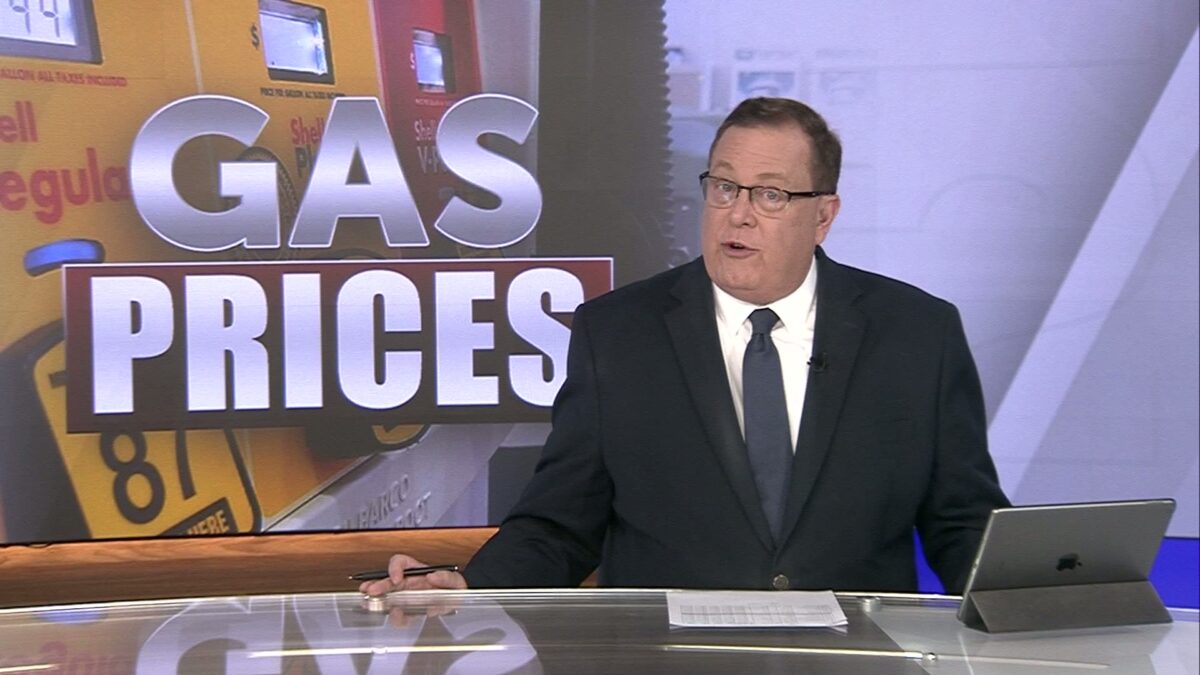
Oregon gas prices keep falling ‘like the autumn leaves,’ AAA reports; Bend average now below $4 a gallon

KTVZ

PORTLAND, Ore. (KTVZ) – Crude oil prices below $60 per barrel and lackluster demand for gas in the U.S. are helping push pump prices lower, AAA Oregon/Idaho reported Tuesday – and that includes Bend’s prices falling below the $4 mark.

Here’s AAA’s weekly gas price report for this week:

With the seasonal transition from summer- to winter-blend fuel, drivers are likely to see gas prices continue to decline, barring any disruptions in supplies. For the week, the national average for regular declines five cents to $3.08 a gallon. The Oregon average also falls five cents to $4.09 a gallon, while the Bend average drops about a nickel to $3.95 a gallon.
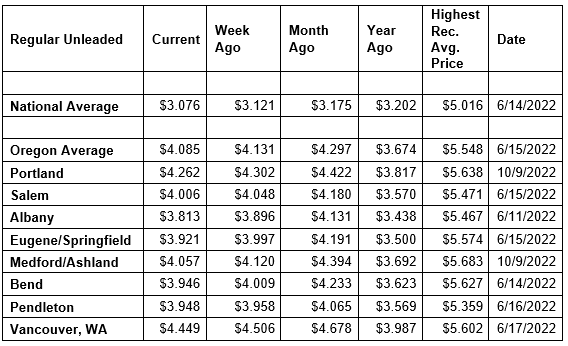
National State Local Gas Prices 10-14-25

“Gas prices are falling like the autumn leaves. Relatively low demand and crude oil prices below $60 per barrel should make for even cheaper prices ahead,” says Marie Dodds, public affairs director for AAA Oregon/Idaho. 

Pump prices on the West Coast were only mildly impacted by a huge fire at the El Segundo Chevron refinery in Southern California on Oct. 2. There were concerns that gas prices in the region would spike, but the average price of gas in California only increased a couple of cents, while the Oregon and Washington averages have declined. This facility is one of the largest in California, producing about 40% of Southern California’s jet fuel as well as about 20% of its fuel for cars.

The Oregon average for regular gas began 2025 at $3.45 a gallon and is currently at $4.09. The highest price of the year so far is $4.297 on September 13 and 14. The lowest price of the year so far is just under $3.45 a gallon on January 2.  

The national average began 2025 at $3.06 a gallon and is currently at $3.08. The highest price of the year so far is $3.268 on April 4. The lowest price of the year so far is $3.06 on January 5.

This week 23 Oregon counties have averages at or above $4, compared to 26 a week ago:

Clackamas $4.23

Clatsop $4.09

Columbia $4.24

Coos $4.10

Crook $4.05

Curry $4.19

Douglas $4.00

Grant $4.02

Harney $4.33

Hood River $4.04

Jackson $4.06

Jefferson $4.

Josephine $4.12

Klamath $4.01

Lake $4.22

Morrow $4.01

Multnomah $4.31

Sherman $4.07

Tillamook $4.19

Wallowa $4.22

Wasco $4.13

Washington $4.27

Yamhill $4.12

Demand for gasoline in the U.S. increased from 8.52 million b/d to 8.92 million for the week ending October 3. This compares to 9.65 million b/d a year ago. Total domestic gasoline supply decreased from 220.7 million barrels to 219.1 million. Gasoline production increased last week, averaging 9.8 million barrels per day compared to 9.3 million barrels per day the previous week.

Gas prices usually drop in the fall, due to the switch from summer-blend to winter-blend fuel, which costs less to produce. The switch starts in September. Many areas, including Oregon, can sell winter-blend fuel starting September 15. However, Northern and Southern California require summer-blend fuel through October 31. Prices usually decline to their lowest levels of the year in late fall and early winter before increasing again in the late winter and early spring.

Gas prices typically rise starting in mid-to-late winter and early spring as refineries undergo maintenance ahead of the switch to summer-blend fuel, which is more expensive to produce and less likely to evaporate in warmer temperatures. The switch occurs first in California, which is why pump prices on the West Coast often rise before other parts of the country. The East Coast is the last major market to switch to summer-blend fuel. Most areas have a May 1 compliance date for refiners and terminals, while most gas stations have a June 1 deadline to switch to selling summer-blend until June 1. Switch-over dates are earlier in California with some areas in the state requiring summer-blend fuel by April 1. Some refineries will begin maintenance and the switchover in February.

The U.S. price of crude oil (West Texas Intermediate) plunged below $60 per barrel last Friday, closing at a five-month low of $58.90. It’s the first time WTI fell below $60 since May 7, 2025. Easing tensions in the Middle East between Israel and Hamas contributed to the decline, as well as escalating trade tensions between the U.S. and China.

WTI has been mostly in the low-$60s to mid-$70s since September 2024. Crude prices spiked to the mid-$70s in mid-June in response to the strikes between Israel and Iran, and then the U.S. strike on Iran’s nuclear facilities, but then prices fell back into the $60s on the belief that the conflict would not have a major impact on global oil supplies. Crude prices fell in early April as markets reacted to President Trumps tariffs and the impact on U.S. and global markets. Additional downward pressure on crude prices came after the decision by OPEC+ to increase production. The lowest closing price since September was $57.13 on May 5, which was the lowest closing price since February 2021. The recent high price for crude was $80.04 per barrel on January 15, which was the highest price since last August 2024.

Crude oil is trading around $58 today compared to $62 a week ago and $74 a year ago. In 2024, West Texas Intermediate ranged between $66 and $87 per barrel. In 2023, WTI ranged between $63 and $95 per barrel. WTI reached recent highs of $123.70 on March 8, 2022, shortly after the Russian invasion of Ukraine, and $122.11 per barrel on June 8, 2022. The all-time high for WTI crude oil is $147.27 in July 2008.

Crude prices are impacted by economic news as well as geopolitical events around the world including the current economic uncertainty, unrest in the Middle East, the war between Israel and Hamas, and the war between Russia and Ukraine. Russia is a top global oil producer, behind the U.S. and Saudi Arabia. Crude prices have been volatile after the attack on Israel by Hamas in October 2023.

While Israel and the Palestinian territory are not oil producers, there were concerns that the conflict could spread in the Middle East, which could potentially impact crude production in other oil-producing nations in the region. In addition, production cuts by OPEC+ in previous years tightened global crude oil supplies, which continued to impact prices.

But this year, the cartel has boosted production starting by 411,000 barrels per day in May, June, and July, 548,000 barrels per day in August, 547,000 barrels per day in September, and 137,000 barrels per day in October.  

Crude oil is the main ingredient in gasoline and diesel, so pump prices are impacted by crude prices on the global markets. On average, about 51% of what we pay for in a gallon of gasoline is for the price of crude oil, 18% is refining, 16% distribution and marketing, and 16% are taxes, according to the U.S. Energy Information Administration.

Meanwhile, crude oil production in the U.S. remains near record highs. The U.S. Energy Information Administration (EIA) reports that crude production in his country rose from 13.50 million barrels per day  to 13.62 for the week ending October 3. The record high is 13.631 million barrels per day for the week of December 6. Production has been at 13.5 million barrels per day many times since October 2024. The U.S. has been the top producer of crude oil in the world since 2018 and has been increasing its oil production since about 2009.

Quick stats

Oregon is one of 44 states with lower prices now than a week ago. Ohio (-20 cents) has the largest week-over-week decline in the nation. Maryland (+6 cents) has the biggest week-over-week increase in the nation.

California ($4.66) is the state with the most expensive gas in the nation for the fourth week in a row. Washington took over the top spot for a week in September, when the Olympic Pipeline was out of operation. This week, Hawaii ($4.48) is second, Washington ($4.47) is third, and Oregon ($4.09) is fourth. These are the four states with averages at or above $4 a gallon.

This week, 16 states and the District of Columbia have averages in the $3 range. There are 30 states with an average in the $2 range this week.

The cheapest gas in the nation is in Oklahoma ($2.57) and Mississippi ($2.65) and. No state has had an average below $2 a gallon since January 7, 2021, when Mississippi and Texas were below that threshold. At the time, the COVID-19 pandemic drove significant declines in crude oil and gasoline demand in the U.S. and around the world.

The difference between the most expensive and least expensive states is $2.09 this week, compared to $2.07 a week ago.

Oregon is one of 46 states and the District of Columbia with lower prices now than a month ago. The national average is five cents less and the Oregon average is 21 cents less than a month ago. This is the sixth-largest month-over-month decline for a state in the nation. Indiana (-26 cents) has the largest month-over-month drop in the nation. Utah (+8 cents) has the largest month-over-month increase.

Oregon is one of seven states with higher prices now than a year ago. The national average is 13 cents less, while the Oregon average is 41 cents more. Oregon has the largest year-over-year increase in the nation. Washington (+40 cents) has the second-largest increase. Ohio (-41 cents) has the largest yearly drop.

West Coast

The West Coast region continues to have the most expensive pump prices in the nation with all seven states in the top 10. It’s typical for the West Coast to have six or seven states in the top 10 as this region tends to consistently have fairly tight supplies, consuming about as much gasoline as is produced. In addition, this region is located relatively far from parts of the country where oil drilling, production and refining occurs, so transportation costs are higher. And environmental programs in this region add to the cost of production, storage and distribution.

Rank
Region
Price on 10/14/2025

1
California
$4.66

2
Hawaii
$4.48

3
Washington
$4.47

4
Oregon
$4.09

5
Nevada
$3.88

6
Alaska
$3.88

7
Arizona
$3.47

8
Idaho
$3.46

9
Utah
$3.38

10
Pennsylvania
$3.26

As mentioned above, California is the state with the most expensive gas in the nation for the fourth week in a row. Hawaii, Washington, Oregon, Nevada, Alaska, and Arizona round out the top seven. Oregon is fourth most expensive for the 21st week in a row.

Five of the seven West Coast states have week-over-week decreases: Arizona (-5 cents), Oregon (-5 cents), Washington (-4 cents), Nevada (-3 cents) and Hawaii (-2/10ths of a cent). Alaska (+2 cents) and California (+2/10ths of a cent) have small increases.

The refinery utilization rate on the West Coast fell from 88.5% to 83.6% for the week ending October 3. This rate has ranged between about 72% to 93% in the last year. The latest national refinery utilization rate rose from 91.4% to 92.4%.

The refinery utilization rate measures how much crude oil refineries are processing as a percentage of their maximum capacity. A low or declining rate can put upward pressure on pump prices, while a high or rising rate can put downward pressure on pump prices.

According to EIA’s latest weekly report, total gas stocks in the region decreased from 30.29 million bbl. to 29.64 million bbl. An increase in gasoline stocks can put downward pressure on pump prices, while a decrease in gasoline stocks can put upward pressure on pump prices.

Oil market dynamics

Crude oil prices plummeted to five-month lows last week, driven by easing tensions in the Middle East, including troop withdrawals from Gaza and the release of hostages. This has reduced the risk premium that was priced into the markets after Hamas attacked Israel in October 2023. In addition, increasing trade tensions between the U.S. and China sent oil prices lower as potential new tariffs can dampen the global economic outlook.

Meanwhile, the EIA reports that crude oil inventories increased by 3.7 million barrels from the previous week. At 420.3 million barrels, U.S. crude oil inventories are about 4% below the five-year average for this time of year

At the close of Friday’s formal trading session, WTI plunged $2.61 to close at $58.90. At the close of Monday’s formal trading session, WTI added 59 cents to settle at $59.49. Today crude is trading around $59 compared to $62 a week ago. Crude prices are about $14 less than a year ago. ($73.83 on October 14, 2024)

Drivers can find current gas prices along their route with the free AAA Mobile app for iPhone, iPad and Android. The app can also be used to map a route, find discounts, book a hotel and access AAA roadside assistance. Learn more at AAA.com/mobile.
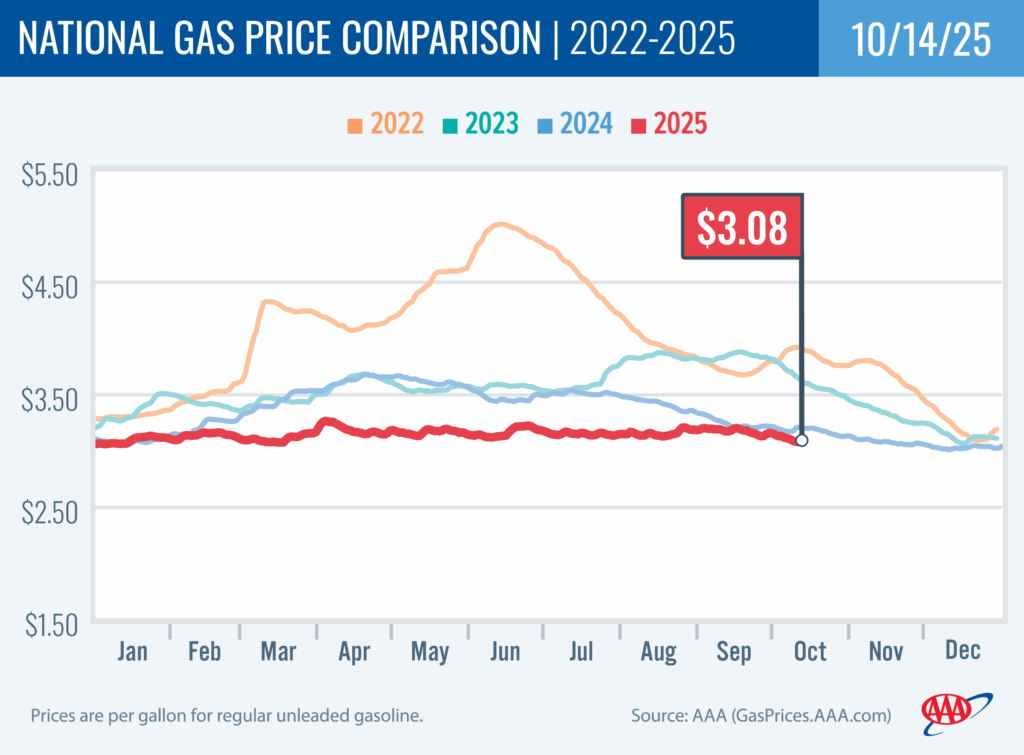
National Gas Price Comparison 10-14-25

Diesel

For the week, the national average slips two cents to $3.66 a gallon. The record high is $5.816 set on June 19, 2022. The Oregon average also dips two cents to $4.45. The record high is $6.47 set on July 3, 2022. A year ago the national average for diesel was $3.60 and the Oregon average was $3.94.

Find current fuel prices at GasPrices.AAA.com.

Click here to follow the original article.

Senator Broadman announces $4 million state loan guarantee for new multifamily housing in NE Bend

KTVZ

BEND, Ore. (KTVZ) – State Senator Anthony Broadman (D,-Bend) announced Tuesday a $4 million state loan guarantee to support the Joule housing development in Bend, a project that will add 134 new multifamily housing units, including income-restricted units for households earning at or below 90 percent of the area median income.

“The project aims to achieve low-carbon energy performance and will feature efficient, climate-conscious design and construction,” Broadman said in a news release that continues in full below:

“This investment represents exactly the kind of partnership Central Oregon needs: state and local partnership to help developers deliver more sustainable, abundant housing,” said Senator Broadman. “This project is an important step toward meeting our community’s housing needs and ensuring that Bend continues to grow responsibly.” 

The loan guarantee helps fill a critical financing gap in Central Oregon’s housing market, where high construction costs and limited funding options have made multifamily development increasingly difficult. The project is expected to generate local construction jobs and contribute long term economic value to the region. 

“We want to build housing that makes sense for our community aligning with city goals for middle income housing and the environment,” said Peter Grube, one of the project’s developers. “State loan guarantees are a critical part of organic affordability and an investment in climate resilience.” 

The Permanent Loan Guarantee Program is a program through Oregon Housing and Community Services to expand housing options for Oregonians by backing a portion of loans that fund affordable and mixed income housing developments. By reducing risk for lenders, the program helps make innovative projects to improve affordability, like the Joule housing development, financially viable. 

Located at NE Fourth Street and Olney Avenue in Bend’s Orchard District, the Joule project represents a yearslong collaboration among state, local and private partners to deliver sustainable housing in Central Oregon. Construction is expected to begin in mid-2026, with completion anticipated by late 2027. 

Click here to follow the original article.

Central Oregon holiday menus may be impacted as U.S. herd shrinks and costs rise

Claire Elmer

(Update: adding video, interview with local butcher)

REDMOND, Ore. (KTVZ) — As Central Oregonians gear up for holiday gatherings, many are facing tighter budgets. And as the cost of groceries — especially meat — continues to climb, many are forced to rethink what will be on the table this year.

Federal data shows beef prices have surged more than 50% since 2020. This year alone has seen a roughly 14% jump. The result is slimmer supplies and tougher choices for both consumers and local suppliers.

At Cinder Butte Meat Company in Redmond, owner Brian Johnson says the ripple effects of supply cuts across the Northwest are impacting his family-owned business.

“We have vendors and processors all over the Northwest that we rely on to give us our product. And their supply has been cut. Therefore, the prices have gone up,” Johnson explained to us Thursday. 

“We have regular customers expecting the regular products they’ve been buying for years — and suddenly they’re asking, ‘Where are they?’” he added. “We can’t supply them because our suppliers can’t get them. And when we do have them, of course, the price has gone up.”

Cuts that might have sold for $9 a pound last year are now closer to $14 — and that’s if stores can get them at all.

Industry experts point to several factors driving the surge. The U.S. cattle herd is now the smallest it’s been in more than 70 years, persistent drought has strained grazing lands, and higher costs for fuel and feed are squeezing ranchers. On top of that, tariffs have increased the price of some imports.

“We’ve had a number of people who just didn’t buy cattle this year because the prices to purchase or the availability wasn’t there at all,” Johnson said. “Increased costs in farming, ranching, fuel — everything. And I don’t know that there’s an end in sight. We’re not seeing costs go down at all.”

Despite rising expenses, Johnson says his shop remains committed to offering high-quality, locally sourced meats. That’s a big reason why his customers are sticking with him.

“We’ve never wanted to lower our standards and supply people with something inferior just to save a few dollars,” he said. “We’ve always kept our standards high, and that’s what we aim to do this holiday season as well.”

For those preparing holiday meals under these new price pressures, planning ahead is more important than ever. Johnson recommends placing meat orders early to ensure availability. You can also consider less expensive cuts or alternative proteins, and contact local butchers to compare prices.

Whether it’s beef for a centerpiece roast or more modest fare, Central Oregonians may need creativity and flexibility to keep traditions alive — without breaking the bank.

Click here to follow the original article.
Ask the Mayor: Bend’s Melanie Kebler discusses Greenwood Avenue, loud and speeding cars, and more

Kelsey Merison

BEND, Ore. (KTVZ). — From the Greenwood Avenue Project to loud and speeding cars in town, KTVZ speaks with Bend Mayor Melanie Kebler and asks your pressing questions.

Viewers can submit questions for Mayor Kebler at any time as part of our exclusive monthly segment. Click here to submit.

Click here to follow the original article.
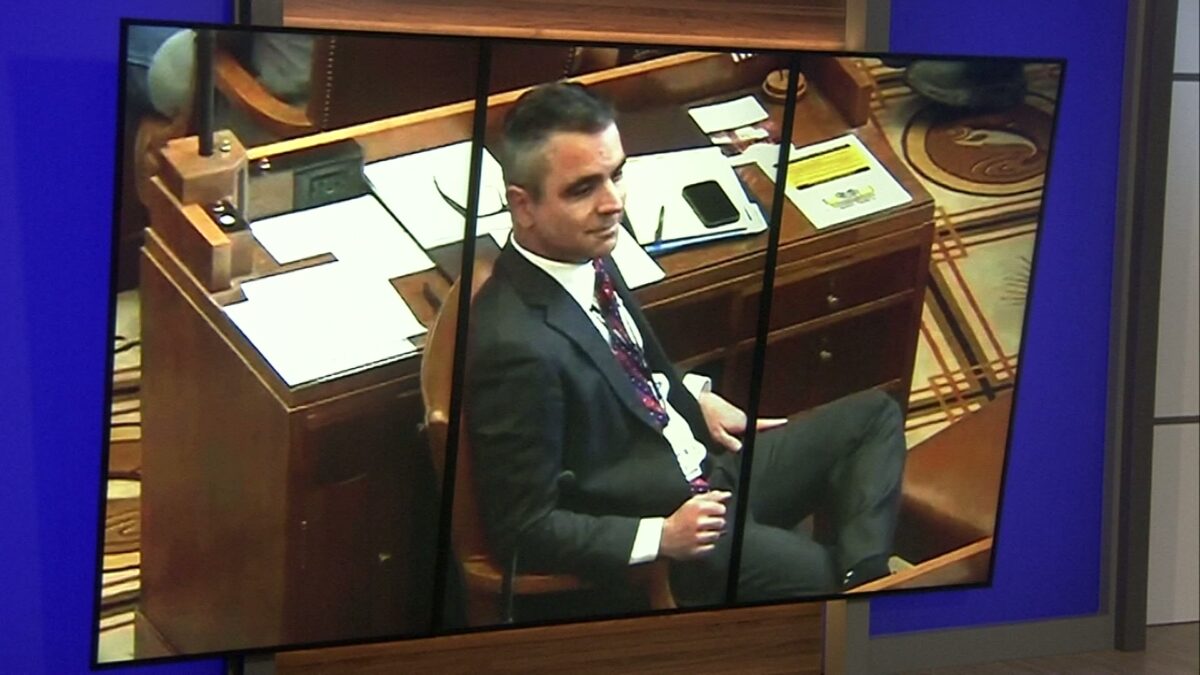
Police investigate door-kicking incident in Redmond, possibly linked to social media trend

Cami Porter

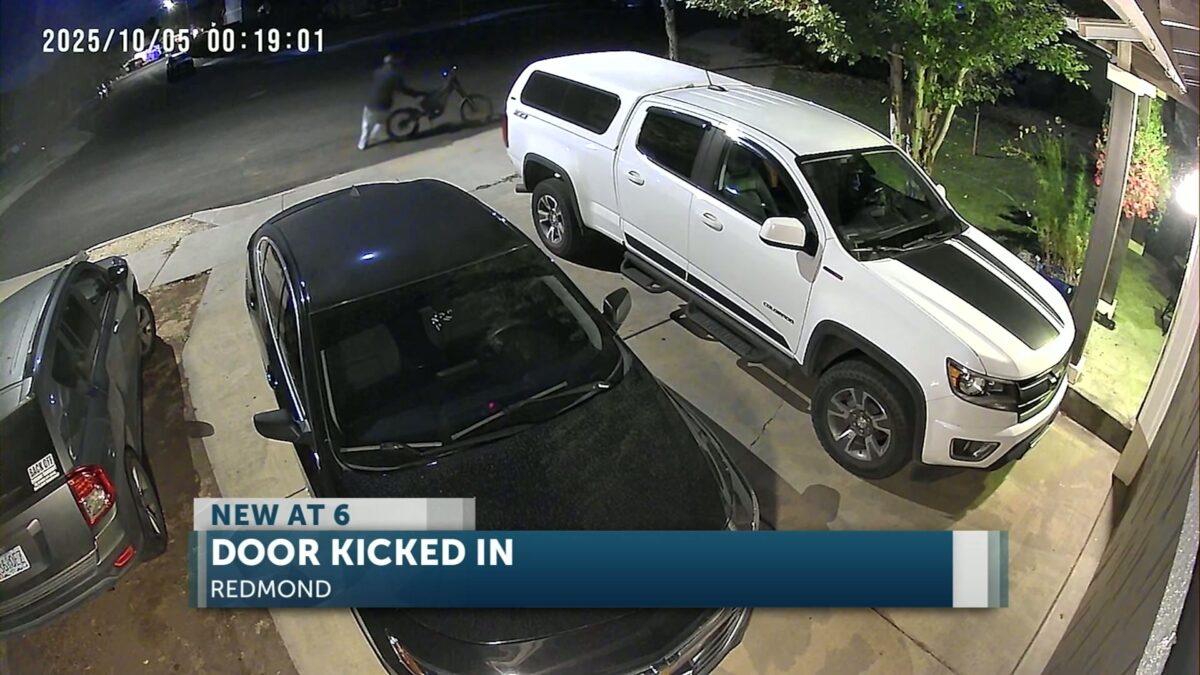
REDMOND, Ore. (KTVZ) — A quiet night last Sunday in Redmond took a frightening turn when a resident’s front door was kicked in shortly after midnight.

Blake Blevins says he was at home when someone tried to force their way inside. Video from his Ring camera shows the suspect running off moments later, and hopping onto what appears to be an electric dirt bike.

Blevins called police, who arrived quickly. Officers told him the incident could be part of a growing social media trend circulating on the app TikTok, where people film themselves kicking in doors or pretending to break into homes.

“I just want somebody to be held accountable for it,” Blevins said. “There are other people in the neighborhood who reported the same thing happening. It’s a safety thing—we’ve been here 11 years and haven’t had any issues.”

Blevins worries the situation could escalate if a homeowner reacts out of fear. “It’s not like a harmless prank,” he said, noting that someone armed could respond with force if they thought an intruder was breaking in.

The attempted break-in left significant damage to Blevins’ door and frame. He estimates repairs will cost about $3,000.

Redmond police are investigating and urging residents to report any similar incidents or suspicious activity immediately.

Click here to follow the original article.

‘Cool Keeper’: Pacific Power offers customers credit to add device that briefly turns off A/C if grid needs help

KTVZ

Update: Adding video

BEND, Ore. (KTVZ) — Pacific Power just introduced Cool Keeper, a demand-response program that optimizes electricity use on hot summer days, installing a device that can cycle off air conditioning for a brief time to help “rebalance” the electrical grid. It says the goal is “helping customers stay comfortable while supporting a reliable and efficient energy grid.” 

Here’s the utility’s announcement of how the system works, and its benefits, including a bill credit totaling $30 a year:

Cool Keeper is a way for residential customers to benefit the environment and help keep electricity costs low during hot summer months. Through a simple device installed free of charge on air conditioners and heat pumps, Pacific Power can partner with customers to temporarily reduce energy use without compromising comfort.  

More about the program: 

How it works: Cool Keeper devices installed on central cooling systems can be activated if there is an unexpected shift in electricity supply. The devices cycle the unit off for a brief period – typically just 5 minutes. When hundreds of devices are activated together, this brief reduction in energy use gives the grid the flexibility it needs to rebalance.  Even when the device is activated, the indoor fan keeps running, circulating cool air to keep the home comfortable. 

Free installation: Outdoor-only installation is quick, easy and requires no appointment. Pacific Power’s trained technicians will provide and install the device free of charge.

Annual incentive: Participants sign up just once, and then receive a $30 bill credit every year, distributed in monthly increments from May through September. 

Benefits: Through Cool Keeper, Pacific Power and customers can work together to make our existing energy grid smarter and more efficient – reducing the need to invest in additional generation or make expensive energy purchases.     

“Cool Keeper is a win-win for our customers and the community,” said Shawn Grant, director of customer innovations at Pacific Power. “It’s an easy way to stay comfortable while contributing to energy reliability and sustainability.” 

Each customer who participates in Cool Keeper gives the existing infrastructure a little more flexibility to support the integration of renewable energy supply and the increasing demand for power, reducing the need for energy grid upgrades.

To participate, customers must have an eligible cooling system. Most central air conditioning units and central heat pumps qualify; however, eligibility will be confirmed during an on-site visit.  

The program will initially be available in select areas for Pacific Power customers in Oregon. As the program expands in 2026, more customers will be able to enroll. 

To learn more or sign up, visit PacificPower.net/CoolKeeper or call 1-800-357-9214. 

Click here to follow the original article.
Oregon Department of Justice finds Jefferson County sheriff’s deputy was justified in fatal Madras shooting

Barney Lerten

(Update: Adding video)

SALEM, Ore. (KTVZ) — The Oregon Department of Justice said Wednesday it has concluded that a Jefferson County sheriff’s deputy was justified in his use of deadly force last February and acted in self-defense when a man refused repeated commands and approached other deputies with a knife during a confrontation in Madras.

The DOJ announced its conclusion that no criminal charges were warranted after an investigation led by the Bend Police Department into the officer-involved shooting by Jefferson County sheriff’s Deputy Anthony Maldonado on February 20 that resulted in the death of Allan Dale Warner, Jr., 26. The report indicates Maldonado fired five shots, three of which struck Warner.

“The DOJ has concluded that law enforcement’s use of force is not subject to criminal prosecution,” the statement said, also sharing a 12-page letter to Bend Police Chief Mike Krantz, including several body camera photos of the encounter on Highway 97 in Madras.

“The role of the DOJ prosecutors was solely to determine whether the involved officers’ conduct warranted criminal charges,” the department said. “Questions regarding matters that are civil or administrative in nature were beyond the scope of the investigation.”

“Attorney General Dan Rayfield thanked the Bend Police Department and all members of the Central Oregon Major Incident Team for their efforts in conducting the investigation,” the DOJ statement concluded.

The report is signed by two Oregon senior assistant attorney generals: John Casalino and Interim Jefferson County District Attorney Steven Leriche.

A protest and vigil was held days after the shooting in front of Madras City Hall, attended by Warner’s mother, who said her son “wasn’t an angry person.”

The report says Madras Police, sheriff’s deputies and Oregon State Police were called to the area near Motel 6 in Madras that evening on reports of two men fighting. A caller told police the men broke it up when they honked their car horn.

It says law enforcement found Warner yelling and reaching into his pockets. When Deputy Isiah Duarte told Warner to show his hands, he yelled, “among other things, ‘I’ve got metal on me.'” Attempts to de-escalate the situation “did not work,” the report says.

Deputy Tyler Eicher warned Warner, then used a Taser, twice, but it proved “ineffective.”

Officers soon saw Warner pull a knife out of his pocket, yelling and making slashing movements at the officers. Body-worn camera video showed several law enforcement ordering Warner to stop and get on the ground, but the report says he “ignored those commands.”

At one point, Deputy Maldonado dropped his non-lethal shotgun on the highway, unholstered his pistol and pointed it at Warner, telling him “that he was going to kill him,” the report says.

Warner picked up the non-lethal shotgun but did not try to fire it. Maldonado yelled at other officers to “shoot him,” but they did not fire their pistols. Warner soon put the shotgun back on the ground as efforts to de-escalate the situation continued.

More Tasers were deployed, but Wawrner ripped the probes off his clothing.

Soon as the confrontation progressed down the street, “Depujty Maldonado believed Mr. Warner was going to use the knife to stab law enforcement officers.”

At the moment Maldonado fired five rounds at Warner when he came within a few feet of Officer Duarte, OSP Trooper Cole Binning said later he “also considered using deadly force to protect Officer Duarte, but because there were officers in front of him, he decided he could not do so without putting others at risk.”

“Mr. Warner turned toward the officers so quickly, and he closed the distance so fast, that there was no reasonable opportunity for Deputy Maldonado to further apply verbal de-escalation, other resources or techniques, or even to give another verbal force warning,” the report says.

“Furthermore, no other resource available to Deputy Maldonado at the time would have been effective to counter the threat that Deputy Maldonado reasonably believed Mr. Warner presented.”

The report concludes: “The facts and evidence in this case do not support a conclusion that law enforcement’s use of non-lethal force was unreasonable. Furthermore, the facts and evidence do not support a conclusion that Deputy Maldonado unreasonably believed that Mr. Warner was an imminent deadly threat, or that Deputy Maldonado’s use of deadly force to defend himself and others against that deadly threat and was objectively unreasonable.

“Therefore, there is insufficient evidence, under Oregon criminal law, to disprove that Deputy Maldonado’s use of deadly physical force against Mr. Warner was in self-defense or used in the defense of others. As such, the use of force against Mr. Warner was not criminal.”

OISJeffersonCounty196160 CJD0431-25LetterToM Krantz100825Download

Click here to follow the original article.
‘Armed and dangerous’ fugitive who was arrested at Bend shopping center gets federal sentence for drug trafficking

Barney Lerten

(Update: Adding Deschutes County drug prosecutor comment)

EUGENE, Ore. (KTVZ) — A Salem-area armed robbery suspect arrested last year at Bend’s Cascade Village Shopping Center was sentenced to more than 17 years in federal prison Wednesday for drug trafficking following a multi-agency investigation led by the Deschutes County Sheriff’s Office.

Ryan Gossett, 39, of Turner, Oregon received a sentence of to 210 months in federal prison and five years of supervised release, federal prosecutors said.

According to court documents, on April 26, 2024, Gossett was apprehended in Bend after fleeing prosecution in Marion County for armed robbery. When arrested, Gossett was in possession of a handgun and small amounts of methamphetamine and fentanyl.

Federal prosecutors had contacted the sheriff’s office that afternoon about the fugitive wanted on a nationwide warrant likely being in the Bend area and last known to be armed. He was found with a female associate, circling the shopping center. Eventually, their vehicle was pinned in and he was taken into custody without further incident.

Two days later, investigators with the DCSO Criminal Detectives Division executed a search warrant on Gossett’s vehicle, lfinding over 900 grams of methamphetamine, 330 grams of fentanyl, and firearm magazines.

Gossett was indicted on June 20, 2024, and pleaded guilty on July 9 of this year to a single count of Possession with Intent to Distribute more than 500 grams of Methamphetamine.

Gossett has multiple prior convictions for delivery of a controlled substance, prosecutors said.

The case was investigated by the DCSO, with assistance from the Central Oregon Drug Enforcement Team, and the United States Marshals Service. It was prosecuted by Andrew R. Doyle, Special Assistant U.S. Attorney for the District of Oregon. 

Doyle, who is also a Deschutes County deputy DA, told KTVZ News Wednesday: “I’m just a narcotics lawyer. All credit goes to the hard-working men and women in Central Oregon law enforcement who apprehended Mr. Gossett. Without them, these outcomes don’t happen.”

“I’d also like to once again thank DA (Steve) Gunnels and the Eugene US Attorney’s Office for our continued and successful strategic partnership,” Doyle added.

Click here to follow the original article.

Local chambers of commerce and EDCO launch Regional Business Alliance, explain its purpose ahead of summit

KTVZ

Update: Adding video

REDMOND, Ore. (KTVZ) — The Central Oregon Chambers of Commerce and Economic Development for Central Oregon (EDCO) announced Wednesday the official launch of the Regional Business Alliance, a collaborative initiative uniting business voices across Deschutes, Crook, and Jefferson counties. 

The RBA will serve as a unified advocate for pro-business policies, infrastructure investment, and regional prosperity, ensuring that the needs of Central Oregon’s private local businesses are amplified at the state level, according to the announcement, which continues in full below.

“The Regional Business Alliance reflects the collaborative spirit of Central Oregon. By bringing chambers, economic development experts, local and state governments, and business partners together, we’re ensuring our region speaks with one strong, united voice in Salem and beyond,” said Sara Odendahl, Interim CEO of the Bend Chamber.  

Jon Stark, CEO of Economic Development for Central Oregon (EDCO) added, “The Regional Business Alliance represents an opportunity for Central Oregon— collaboration, vision, and a commitment to prosperity that reaches every corner of our region. We are ensuring that Central Oregon’s voice is heard in a new and impactful way and that our businesses have the tools they need to thrive today and in the future.” 

The RBA is launching with strong support from founding partners St. Charles Health System, Mid Oregon Credit Union, Pacific Power and Visit Bend, reflecting a shared commitment to building a resilient and prosperous future for the region. 

 “At St. Charles, we know that the health of our community is deeply connected to the health of our economy,” said Dr. Steve Gordon, CEO of St. Charles Health System. “By supporting the Regional Business Alliance, we’re investing in a future where strong businesses, a thriving workforce, and healthy communities grow together.” 

“Central Oregon’s growth depends on collaboration,” said Kevin Cole, CEO of Mid Oregon Credit Union. “Through the Regional Business Alliance, we have the opportunity to ensure our businesses—and the families they support—have the resources and policies they need to succeed in every corner of the region.” 

Over the summer, the RBA hosted a dozen roundtables throughout the tri-county area with local business and community leaders. The roundtables have brought together over 100 participants to foster open dialogue on the region’s most pressing challenges to doing business locally. RBA is hosting additional roundtables to continue gathering input. If you’d like to participate in a roundtable, visit www.RegionalBusinessAlliance.com.  

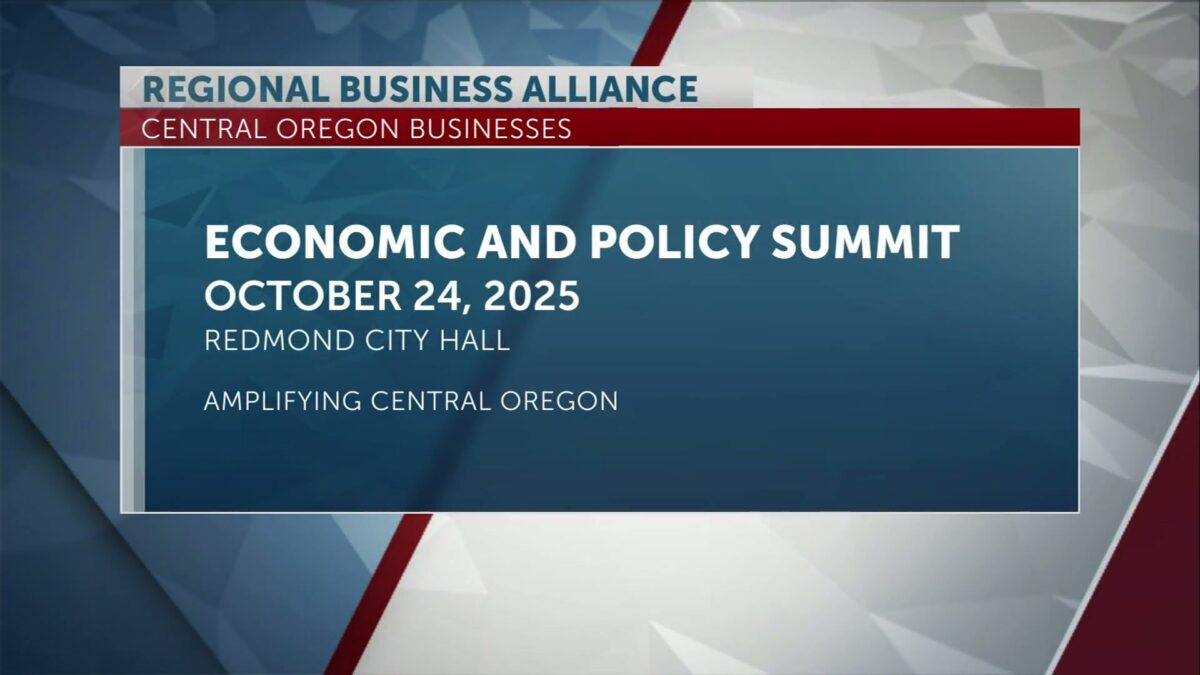
Additionally, as part of its inaugural efforts, the RBA will host the Central Oregon Economic and Policy Summit on Friday, October 24, at Redmond City Hall.

This half-day program will convene business, elected and community leaders for collaboration, insights, and action on issues such as economic development, infrastructure and housing, and workforce policy. The event will feature presentations from Oregon Business & Industry, East Cascade Works, as well as the Central Oregon Legislative Caucus and Central Oregon Cities Organization. 

Jennifer Stephens, Program Manager of the Regional Business Alliance, added: “The Regional Business Alliance is already bringing together local business perspectives for input through roundtables and community engagement. Local leaders are sharing what’s working, and not, for their business in Central Oregon. The Regional Business Alliance is listening, distilling, and elevating the voice of central Oregon businesses by amplifying the collective message.   

### 

About the Regional Business Alliance Formed in 2025, the Regional Business Alliance (RBA) is a partnership of the Central Oregon Chambers of Commerce and Economic Development for Central Oregon, dedicated to advancing a collaborative legislative agenda that supports a thriving business climate. The RBA works alongside the Central Oregon Legislative Caucus and the Central Oregon Cities Organization to champion economic development, infrastructure, housing, transportation and workforce policies to benefit the entire region. 

For more information or to get involved, visit www.RegionalBusinessAlliance.com

Click here to follow the original article.