A police incident report shows three victims reported harassment by three freshman Mizzou football players who were arrested this month.
The players — defensive back Ahmod Billins, cornerback Trashundon Neal and wide receiver Karsten Fiene — were arrested on Oct. 5 on suspicion of first-degree harassment, a felony, but Columbia Police would not disclose any information about their arrests.
An incident report obtained Thursday from the Columbia Police Department states that the crime was reported the night of Oct. 4 and occurred on Sept. 29. The victims’ addresses are on Fourth Street in downtown Columbia.
Three victims are listed, all women who are either 18 or 19 years old.
The report also states the investigation was related to a past burglary in the 600 block of South Fourth Street.
State law defines first-degree harassment as “any act with the purpose to cause emotional distress to another person, and such act does cause such person to suffer emotional distress.”
Charges were not publicly available in online court records Thursday, but prosecutors have a few more days to file after the players posted bond following their arrests.
Mizzou football coach Eli Drinkwitz said after the players’ arrest that the athletic department had been informed and was following the case. A Mizzou Athletics spokesperson did not immediately respond to an email asking for an update.
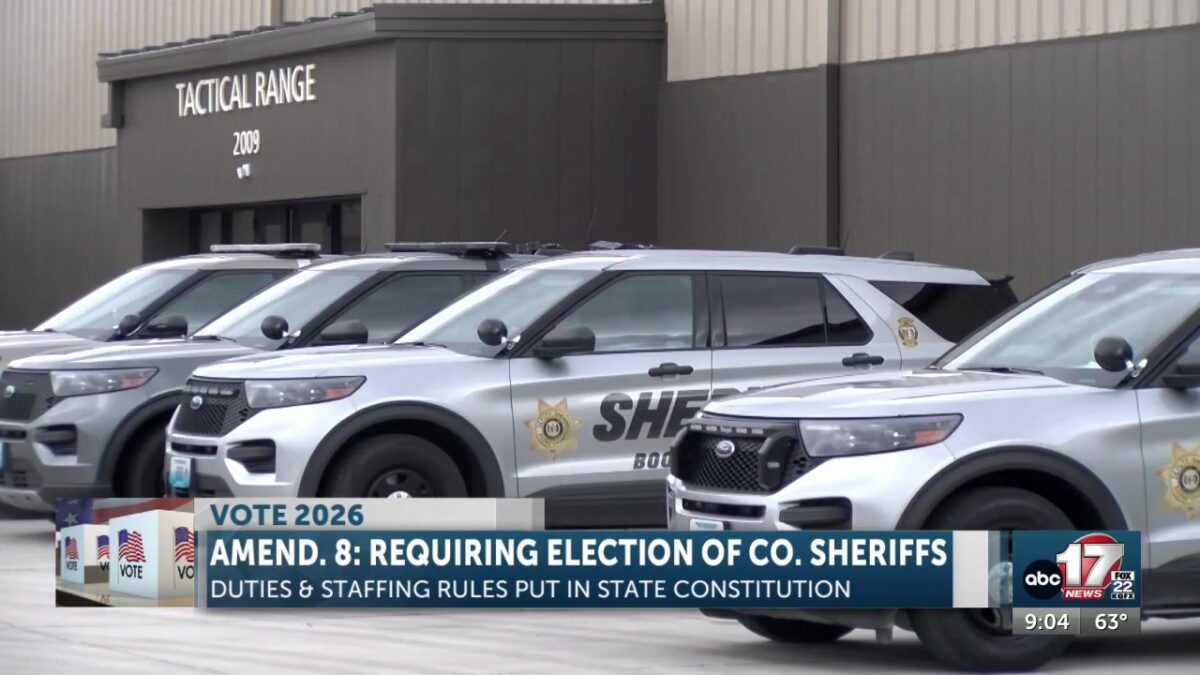
Missouri Amendment 8 would place rules for county sheriffs in the state Constitution, including how sheriffs are elected, what duties they perform, how they staff their offices and how they can be removed.
Missouri voters will decide whether to approve the amendment on Nov. 3. Most counties already elect sheriffs to four-year terms under state law. Amendment 8 would put that requirement in the Constitution, making it harder to change through legislation.
The amendment would also identify the sheriff as the county’s chief law enforcement officer and list duties such as suppressing disturbances, arresting and jailing felons, attending court when directed and carrying out court orders. Many of those duties are already in state law.
Amendment 8 would authorize sheriffs to hire and appoint deputies, assistants and other employees they consider necessary. Those employees would serve at the sheriff’s discretion, and the sheriff could set their compensation. Current state laws already address sheriff staffing, but the rules vary.
The amendment would also change how an elected sheriff could be removed from office. If approved, a sheriff could be removed only through a quo warranto case initiated by the attorney general. A quo warranto case is a court proceeding that can challenge an official’s right to hold office.
Under current law, a person can submit an affidavit alleging certain official misconduct to a prosecuting attorney. The prosecuting attorney can then decide whether to file a removal complaint in circuit court. Amendment 8 would require the attorney general to initiate the quo warranto process for a sheriff’s removal.
The amendment would not apply to St. Louis City, St. Louis County or St. Charles County. State and local government entities estimate it would have no cost or savings and would not change taxes.
No political action committees have formed either for or against the amendment. The joint resolution to get the question on the ballot was sponsored by state Sen. Jill Carter, a southwest Missouri Republican. It passed the Senate by a 24-9 vote, with Sen. Stephen Webber (D-Columbia) casting one of the dissenting votes.
The Missouri Democratic Party has called the measure a vote on a “weirdo legal theory” and an attack on local rights, encouraging a “no” vote.
Amendment 6, proposed by Respect Missouri Voters, will appear on the November ballot, and would limit legislators’ power to overturn laws enacted by direct vote of the people.
The ballot language that will appear before voters reads as follows:
expand the initiative and referendum petition process by making it a fundamental right;
allow courts to revise ballot summaries through lawsuits;
prohibit the legislature from weakening initiative or referendum powers;
prohibit the legislature from changing or repealing laws enacted through the initiative process, or passing laws similar to those rejected by referendum, without approval from at least 80% of both chambers; and
preserve existing majority vote and signature requirements for initiative and referendum petitions?
If voters approve Amendment 6, it would create more protections for citizen-led initiatives from being overturned by politicians and require ballot language to be clear and unbiased. It would also make it more difficult for lawmakers to overturn citizen-led initiatives and referenda and require ballot summaries to be clear, unbiased, fair and accurate.
“It protects our 118-year constitutional right for citizens to put stuff on the ballot so that we have a say in public policy here in the state of Missouri,” said spokesperson for the Yes on Amendment 6 campaign, Jack Cardetti.
The Advertisement
Ad: “I served in the Missouri legislature.”
Former Rep. Bob Johnson (R- Lee’s Summit) served in the House of Representatives from 1972-1976 and again from 2003-2007. He served in the Senate from 1979-1993 and as assistant minority floor leader from 1988-1993.
Ad: “I don’t think Jefferson City is doing enough listening to voters from either party.”
Johnson served in the Legislature when both Democrats and Republicans had majority control at different times.
When former Republican Gov. John Ashcroft was in charge from 1985–1993, Democrats controlled the legislature and passed laws that made it more difficult to pass initiative petitions, according to Cardetti. Ashcroft vetoed the law in 1992.
“Back when Democrats were in charge of the Missouri Legislature, they actually passed legislation that would try to make it more difficult to pass citizen-led initiatives, and it was Republican Gov. John Ashcroft at the time that vetoed that legislation,” said Cardetti.
The Respect Missouri Voters Yes on Amendment 6 campaign collected more than 367,000 signatures to get Amendment 6 on the ballot.
“We think that’s a valuable check and balance against politicians to make sure that they’re actually listening to the voice of the people,” said Cardetti. “Quite frankly, the only people that we really see being against Amendment 6 are the politicians themselves.”
But Republican politicians espouse a different view.
Secretary of State Denny Hoskins wrote in a statement to ABC 17 News, “Proposed Amendment 6 would permanently handcuff lawmakers from cleaning up or responding to bad or misleading ballot measures, or those that simply have unintended consequences.”
Attorney General Catherine Hanaway wrote on X in August that Amendment 6 was “a radical proposal that would have permanently prevented laws and constitutional amendments from being reconsidered by the people,” and called it an “anti-democratic scheme” that “conflicts with both the U.S. Constitution and the Missouri Constitution.”
Ad: “When the people of Missouri pass a citizen-led initiative. The results should not be overturned by politicians.”
A citizen-led initiative petition lets voters place proposed statutes and/or amendments on the ballot for a public vote.
For example, back in 2024, Proposition A was a citizen-led petition that increased the state’s minimum wage and provided an hour of paid sick leave for every 30 hours worked.
At the polls, 57.6% of Missouri voters voted in favor of Proposition A; however, in 2025, Gov. Mike Kehoe signed HB567 into law, removing the paid sick leave mandate.
HB567 passed in the House 96-51 and in the Senate 22-11.
If Amendment 6 were in effect during the 2025 session, it would not have passed because it did not meet the 80% threshold. The House would have needed 35 more votes to pass. The Senate would have needed an additional six votes to pass.
“Missourians voted to pass that, and the legislature came back and overturned part of it,” said Cardetti. “So moving forward, that would not be allowed and that vote of the people would be protected.”
Ad: “That’s why I’m supporting Amendment 6. This isn’t about Republicans or Democrats. It’s about honoring the will of the people.”
Does this make these elected officials’ jobs harder? Does this weaken the people’s choice of who represents them?
“We absolutely send people to Jeff City to represent us, to make sure that our values are put into Missouri state government,” said Cardetti. “But when those same politicians aren’t listening to their constituents, they’re not listening to the voice of the people.”
Amendment 6 faced legal back-and-forth to get on the ballot.
The amendment covers initiative petitions dating back to Jan. 1, 2010 through a retroactive application.
Liberty Alliance, a conservative 501(c)(4) based in Kansas City, claims it would create different amendment procedures for different parts of the same Constitution and would change rules after constitutional amendments have already been adopted.
“What this does is it protects recent ballot initiatives that have been passed by the voters and then future ballot initiatives as well,” said Cardetti. “We started collecting signatures on this back in 2025, and so this looks back 15 years and says if the Missourians went through the entire process, they put something on the ballot, they passed that, that vote ought to be respected by politicians.”
Tune in tonight to ABC 17 News at 6 for the full segment. Click here to access the ABC 17 Voter Guide ahead of Election Day.
The Boone County Commission met Thursday afternoon to consider a budget amendment to increase funding to cover the cost of out-of-county detainee housing.
Boone County Sheriff Dwayne Carey proposed a $1.9 million increase in funding; this money would only be used to pay the rest of the 2026 costs for out-of-county detainees.
“We don’t have any more money. And so that’s why we’ve asked for this 1.9 to be added, taken basically out of general revenue into our 12-55 account, which is our jail account, to then pay for the remainder of the year,” Carey said. “And hopefully it’s going to be enough.”
Several Boone County Jail inmates over the years have had to be sent to other county jails due to limited space So far in 2026, the cost of sending detainees from Boone County Jail to other counties is $3.3 million, according to a press release. The projected cost for all of 2026 is $4.5 million.
Carey said the overcrowding comes from a variety of issues such as legislative changes, size of the jails and the increase in officers in Columbia.
“We often will correlate the increase in the Columbia police officers hiring 24 in the fall of ’24 into ’25, it definitely showed an increase in the number of bookings, we went up 600,” Carey said. “If they’re going to hire the 16 that they have open and another 50, it’s really going to send us into a bad situation with the number of detainees that we’re having to hold.”
Proposition 1 was passed in August and added to Columbia’s sales tax to give local public safety officials more funding. Carey said that with the increase in funding and the ability to add more officers, the Boone County jail is expecting a spike in detainee numbers.
Boone County has consistently moved more detainees to out-of-county jails than to the Boone County Jail and that number has increased dramatically in recent years.
This amendment to the Boone County Jail budget comes before the November election were Proposition L will be on the ballot. Prop L, if approved by voters, will add 3/8 to Boone County sales tax and the money will be used to build a new Boone County Jail.
Carey said the new jail would have 570 beds for detainees, and hopes that they will limit the number of out-of-county housing they must pay for. The design of the new jail will have three phases to accommodate for the increase in inmates.
“We’ll design it the way that it should be designed for the population that we have currently. But we also put in what we call our transport hallways where we move detainees,” Carey said. So if we have to get to phase two, which will set money aside for, during the first 15 years.”
The new jail will have room to build off of and make different sections having the potential for more than 1,000 beds, said Carey. He said Phase 2 would not happen for decades down the road.
The No New Jail group is a Boone County group opposing Proposition L, and John Amick, a member of the group claims there has been little input from the public for a new jail.
“We would love for there to be a robust public engagement process where everyone has opportunities to voice what they would like to see in Boone County, there’s not much of a choice here,” Amick said. “There’s to be taxed for hundreds of millions of dollars over the next 15 years, at least, for a new mega jail or nothing, that’s the choice we have.”
Amick said that opening up a larger jail facility could have lasting negative impacts on community members across Boone County.
“They want to get up to a thousand and they already have plans to lock up the future,” Amick said. “That’s pretty ominous for large swaths of people in Boone County.”
The cost to send detainees out of county in 2022 was $499,000. That number jumped to over $2.56 million in 2025, including a $1.6 million jump from 2024 to 2025.
The cost to house a single inmate in another county jail is $50-$60 a day.
The Boone County request for budget amendment document stated how much they are paying to house detanees since February of 2026:
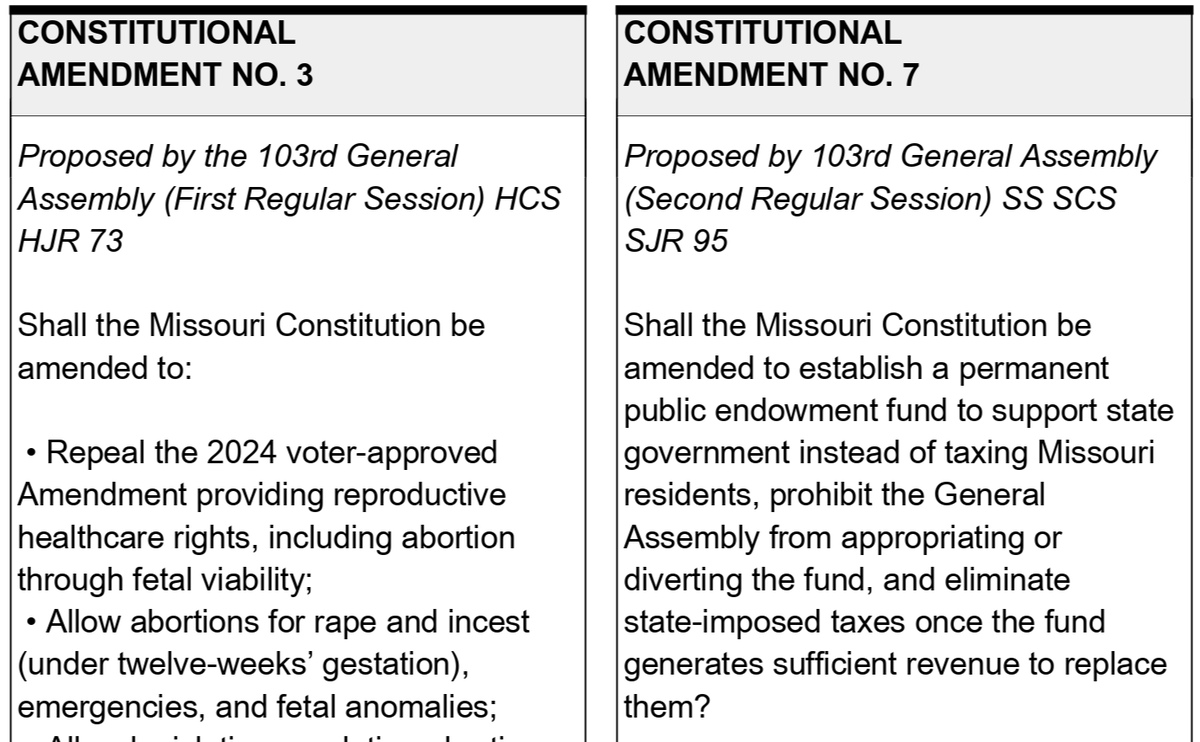
Among them is Amendment 3, which would undo the other Amendment 3 that Missourians voted on in 2024, legalizing abortion. But the new Amendment 3 would ban abortion.
Got it?
Other statewide ballot issues would limit the General Assembly’s ability to undo laws approved by voters, enshrine the office of sheriff in the Missouri Constitution and create a sovereign wealth fund with the goal of eliminating taxes, eventually. The final issue would strike down a congressional map passed last year by the General Assembly at the urging of the White House.
Do you feel like you’re informed enough to vote on the statewide ballot issues? Let us know by voting in the poll.
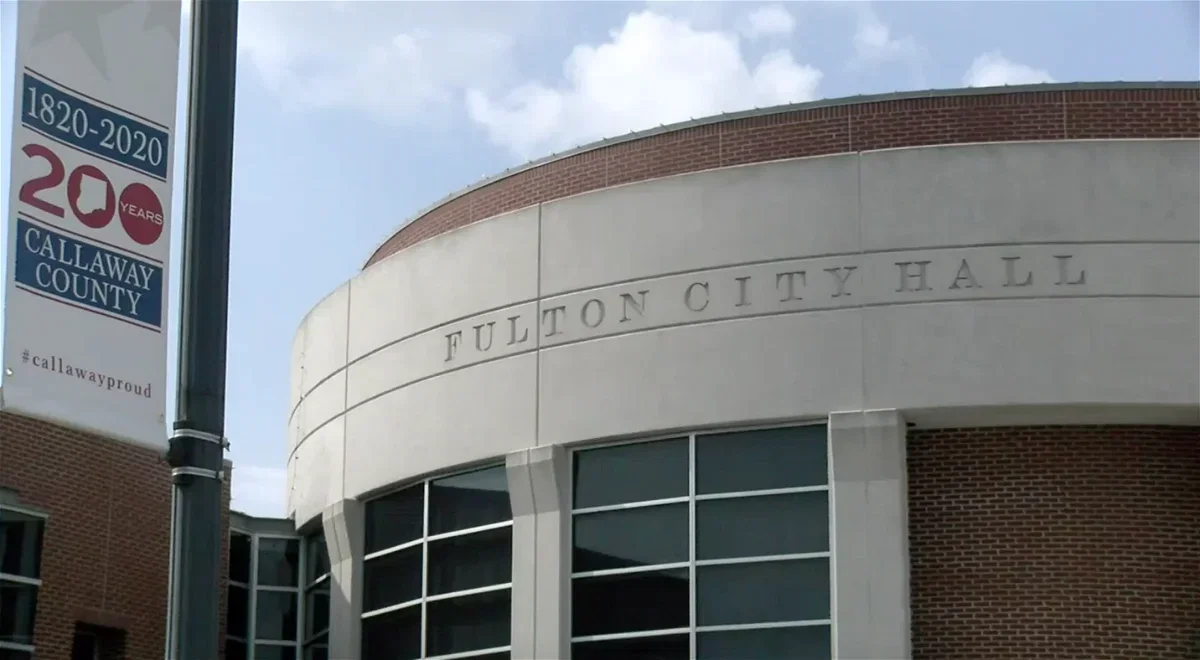
The Missouri Department of Natural Resources is giving $5.8 million in financial assistance to the City of Fulton for upgrades to its wastewater treatment system, according to a Wednesday press release from the DNR.
The project includes a $4.3 million loan and a $1.5 million grant coming from the DNR’s Clean Water State Revolving Fund. The city will provide $1.5 million of its own funding, the release says.
The DNR expects ratepayers to be saved $1.5 million in principal and $1.8 million in interest during the loan’s 20-year term, the release says.
The project – which is expected to be completed by September 2027 – will increase the city’s wastewater treatment capabilities and better nutrient removal, the release says.
A motion from last week asked the judge to lower his bond to $10,000 and claimed that another man had admitted to stabbing and killing Trey Johnson while being recorded on a Ring camera.
On Friday, the judge ordered for Lorton’s bond to be set to $100,000. A gag order was placed on the attorneys in the case on Tuesday from “disclosing, sharing or in anyway disseminating any information, communications, evidence, or anything allegedly pertaining to the above styled case, to any non-party.”
Court documents in previous reporting say Johnson was stabbed to death after eight people were involved a September brawl in Owensville. Lorton was allegedly identified Lorton through surveillance video from a bar and restaurant near the fight, previous reporting says. Two people were taken to Mercy Hospital in St. Louis.
Lorton allegedly admitted to being in the fight, but denied having a knife or stabbing anyone, court documents say. He allegedly blacked out during the fight and the men were gone when he woke up, previous reporting says.
A preliminary hearing is scheduled for 9 a.m. Monday, Nov. 30.
The Missouri Eastern District Court of Appeals on Tuesday upheld a murder conviction of a man found guilty of killing an 88-year-old woman.
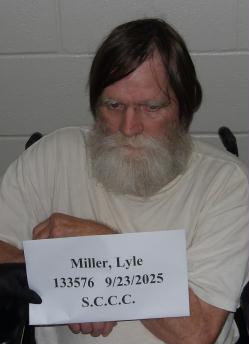
Lyle Miller, 68, of Madison, Missouri, was found guilty by a jury on March 21, 2025, of second-degree murder and tampering with evidence in the December 2021 death of Betty Hayes, 88. Miller was arrested in July 2023.
Court documents in previous reporting claim a witness told law enforcement that they saw Miller driving quickly away from Madison the night Hayes went missing. Her remains were eventually found in a pond.
Miller is currently being held at South Central Correctional Center in Licking.
Former Missouri Attorney General and former Co-Deputy Director of the FBI Andrew Bailey filed paperwork on Tuesday to form a political action committee that supports a ballot initiative.
Bailey was listed as the treasurer of “Vote Yes On Amendment 3,” which as it the name implies is supporting the passage of Amendment 3, which aims to reinstate an abortion ban that voters overturned in 2024. The amendment would also enshrine a ban against gender transition treatments for minors in the state constitution.
Bailey’s PAC joins others PACs supporting the amendment, including Missouri first lady Claudia Kehoe’s Her Health, Her Future PAC. Missouri Students For Life also support its passage.
Stop the Ban and Protect Freedom and Democracy are the two PACs opposing the amendment’s passage.
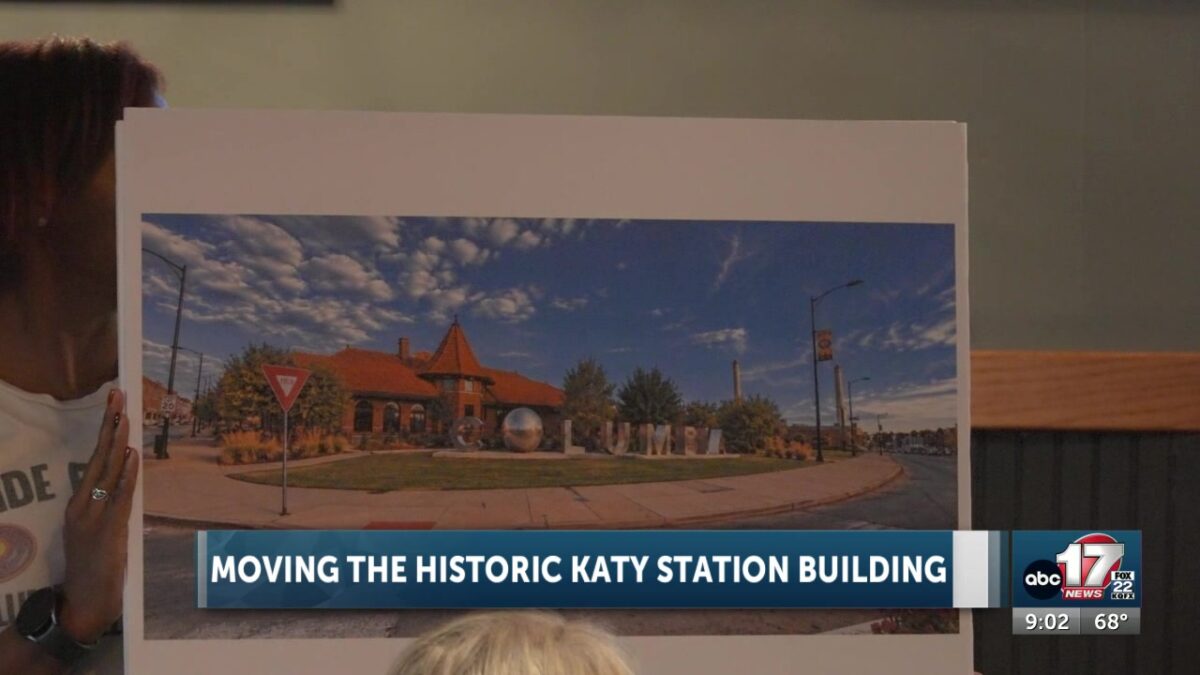
Organizers announced the intent to move the Katy Station building earlier this month, and one mover says moving train depots can prove to be a difficult task.
The group Save the Katy Station met with a developer claiming it could move the building to a different location. Moving the building would cost $400,000, and donations will be made through the community.
Zack Hirt, an estimator with Wolfe House and Building Movers, has moved train stations in prior jobs and said the move is a lengthy process.
Prior to the move, Hirt said the movers would go over with the people wanting to move the building about logistics, including the permits they need to get from the city and how to make sure the building is prepped and ready for the move.
“I would say train depots are usually a little bit more challenging than your average house, usually due to size,” Hirts said. “Most times they’re in, you know, a heavily populated area such as like in the middle of town or something like that, instead of, you know, a house down the middle of the country.”
Everything inside and around the building must be removed before the move, according to Hirt. Once the building is prepped, crews start by cutting access pockets into the building’s foundation. Then steel beams are put in the foundation to form a crisscross framework underneath the floor to distribute the building’s weight. Hydraulic jacks will lift the building off the ground, and dollies are installed underneath to move the building to a new location.
“Once the building is actually rigged and ready to move, a lot of these depots are not going far,” Hirt said. “You can’t go far with them because of their size. You’re limited.”
When encountering utility lines, they have to be moved temporarily, trees along the side of the road must be trimmed, signs need to be taken down, and the building has to fit between telephone poles Hirts said.
Previous reporting shows James Roark-Gruender, the organizer with Save the Katy Station, said the group has until between July-October 2027 to figure out where and how the building will be moved.
Hirts said he is familiar with the Katy Station building move. A few weeks ago, someone in the Save the Katy Station group contacted Wolfe for information and expressed interest in moving the building. Hirts confirmed they were not contacted after that.
Jack Maher 3, the owner of the property that Katy Station currently sits on, wrote in a statement to ABC 17 News that “the property remains under contract. Out of respect for the parties involved, we won’t be commenting further until the transaction is complete.”
The City of Columbia’s Community Development Director Clint Smith wrote in a statement, “We haven’t received any applications for this property, so we won’t have any statement on the situation from our office at this time.”
Smith was also asked what permits and applications would be needed to move the historic Katy Station, and Smith said, “Once we have an actual application to respond to, we might be able to provide relevant information at that time.”