Authorities warn of rising Bitcoin scams in Eastern Idaho

Maile Sipraseuth

IDAHO FALLS, Idaho (KIFI) – Authorities are warning residents to be cautious as Bitcoin-related scams become more common in the area. Victims are reportedly being tricked into sending money to fake investment sites or scare tactics, often losing thousands of dollars with little chance of getting it back.

National Rise in Crypto Scams

According to CNN, dozens of victims have been affected by this scam and have lost a total of $118,000. The Federal Trade Commission found fraud losses involving crypto ATMs jumped from about $12 million in 2020 to $114 million in 2023. FBI data suggests the rate of the losses is only increasing.

These scams often begin with a familiar tactic: a caller threatens an elderly person with arrest unless they transfer their savings. But instead of requesting payment through Visa gift cards, scammers are now directing victims to use Bitcoin ATMs, making the funds nearly impossible to trace.

Bitcoin Scams in the Gem State

Unfortunately, Idaho is facing this scam as well. In September, Attorney General Raul Labrador warned families of this scam which predominantly target seniors through fake tech support calls and government imposter schemes that have costed victims tens of thousands of dollars.

“Criminals are calling Idaho seniors pretending to be from a legitimate business or government agency, then directing them to deposit thousands of dollars into cryptocurrency machines at gas stations to supposedly fix computer problems or pay fake fines,” said Attorney General Labrador. “If anyone demands you put cash into a cryptocurrency ATM for any reason, it’s more than likely a scam and you should report it immediately. It’s always better to be safe than sorry.”

People who have been affected by this scam can report it here.

Click here to follow the original article.

Donations being collected for TSA officers left unpaid during the government shutdown

Noah Farley

IDAHO FALLS, Idaho (KIFI) — The Idaho Falls Regional Airport is collecting donations for TSA employees who are working without pay while the federal government is still shut down, says the City of Idaho Falls.

TSA officers are not employees of the City of Idaho Falls, which owns and operates the airport. Since TSA officers are federal employees, they are required to keep working during a federal government shutdown, even when their pay is suspended temporarily. 

“The staff of the Idaho Falls Regional Airport are dedicated employees of private and public entities. We are saddened to see our colleagues within the federal workforce caught in a situation where they must work while making decisions between paying a mortgage or putting food on the table,” said Ian Turner, Airport Director. “We want to offer these employees assistance and hope the community will join us in support of these federal workers.”

Donations will be collected throughout the government shutdown Mondays through Fridays from 8 a.m. to 5 p.m. at the Idaho Falls Regional Airport Office inside the terminal.

Signs will be posted so donors can easily find where to drop off their donations.

People can donate things like:

Perishable and non-perishable food items

Diapers and basic household supplies

Gift cards for groceries, gas, and coffee shops

Monetary donations (cash, checks, prepaid cards, etc.) cannot be accepted because of federal employee guidelines.

For more information about donating, call 208-612-8224.

Click here to follow the original article.
Former Boise State legend Doug Martin dies at 36 following incident in Police custody

News Team

UPDATE:

CALIFORNIA/IDAHO (KIFI) — Former NFL running back and beloved Boise State legend Doug Martin has died at the age of 36. Sources have now confirmed that Martin died while in police custody shortly after being detained following a reported break-in at an Oakland residence.

The revelation of the circumstances surrounding his death was first reported by the Oakland-based newspaper, The East Bay Times.

According to the Oakland Police Department (OPD), the incident took place on October 18 in the Chabot Park neighborhood, a hilly, middle-class area of Oakland. Officers were called to a home 11000 block of Ettrick Street around 4:15 a.m. after receiving a report that an individual had broken into a nearby home.

At the same time, OPD says their officers were notified of an individual who was experiencing a medical emergency believed to be the same person related to the break-in.

As officers arrived, they reportedly found Martin inside the residence. He struggled against them as they attempted to detain him. After being successfully taken into custody, Martin reportedly became unresponsive. Paramedics were immediately called to the scene, where they provided medical aid before transporting him to a local hospital. Martin died later at the hospital.

Official Investigation Initiated

In accordance with department policy for incidents involving injury or death while in custody, the OPD confirmed that the officers involved have been placed on paid administrative leave.

The department detailed the multi-agency investigation of the incident in a statement released on Facebook:

“Consistent with OPD policy, the In Custody Death is being investigated by the Oakland Police Department’s Homicide Section, OPD Internal Affairs Bureau, the Oakland City Police Commission, the Community Police Review Agency (CPRA), and the Alameda County District Attorney’s Office.”

The OPD has been in contact with Martin’s family since Saturday. The family has requested privacy as they grieve this tragic loss, however they have confirmed on Facebook that the cause of death is currently unconfirmed pending the results of the official investigation.

Martin was a beloved figure in the Boise State community and a standout during his NFL career. He earned All-Pro honors while playing for the Tampa Bay Buccaneers and was known for his relentless, physical running style.

Martin became a legend at Boise State as he became the first running back in program history to be selected in the first round of the NFL Draft. He played six seasons with the Buccaneers before ending his career with a final season for the Oakland Raiders in 2018.

The Martin family released an emotional statement on his passing, reflecting on his legacy in the iconic orange and blue of Boise State:

“So many players have worn the orange and blue. Some have been sadly forgotten but not you,” the post read. “You played a game that you loved and right now so many are sad that you left us way too soon. You were more than just a player who wore the #22. Before #2 there was #22. His name was Doug Martin.”

Click here to follow the original article.
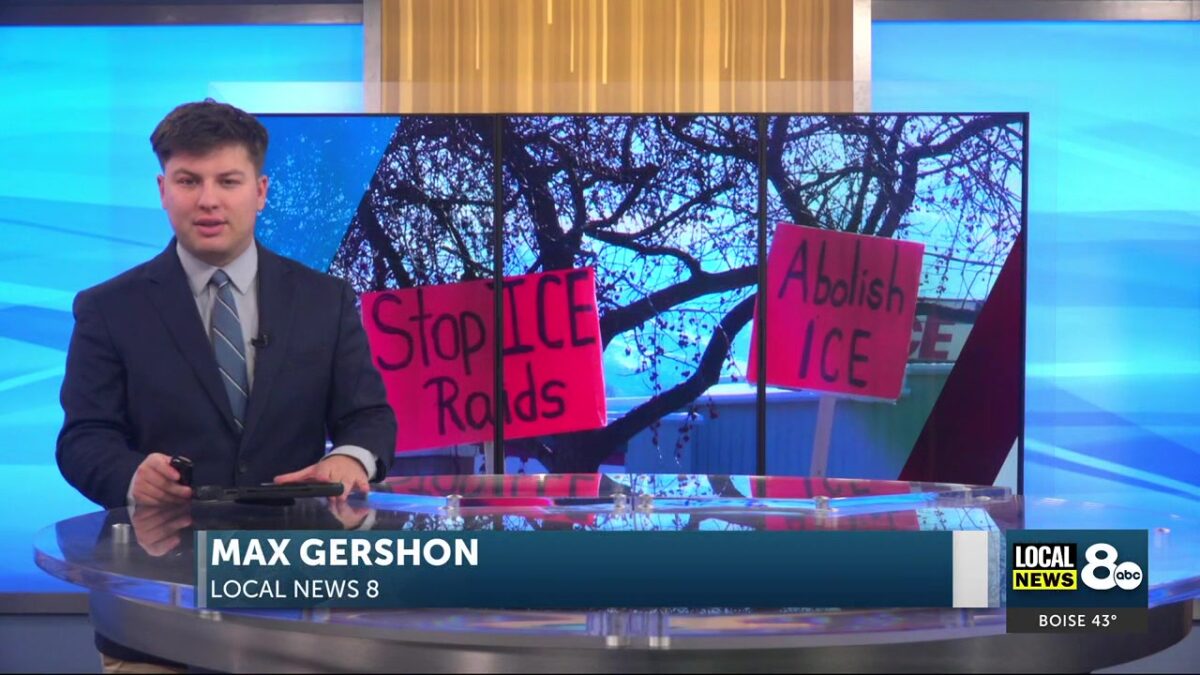
Increased ICE raids raises concerns in Eastern Idaho following federal raid in Wilder

Maile Sipraseuth

EDITED: Oct. 20 2025 4:17 PM

IDAHO FALLS, Idaho (KIFI) — A federal immigration raid at an Idaho horse track over the weekend led to the detention of dozens of individuals by U.S. Immigration and Customs Enforcement (ICE), raising a torrent of online speculation regarding legal and civil rights concerns.

The raid took place while a public horse racing event was in progress, with a large crowd in attendance, according to a report by KIVI. Eyewitnesses reported a significant law enforcement presence, noting that several officers were wearing masks, stating that ICE detained at least 50 more individuals than the FBI during the operation.

Four people were arrested and charged with federal complaints.

This incident comes amid a reported nationwide shift in enforcement strategy. According to The Guardian, ICE is increasingly targeting any unauthorized immigrants nationwide, including those with no criminal records.

Local News 8 spoke with Sargent Bryan Lovell of the Bonneville County Sheriff’s Office, where he clarified that neither the sheriff’s office or IFPD directly detains people based off their citizenship status.

“We interact with people that are brought to our jail on a separate charge or some incident that’s happened in our jurisdiction. And they’re in for that circumstance. Our deputies identify that person is someone that may not be in the country legally, then that information is passed on to ICE for them to take appropriate action from there,” Lovell said.

While there have not yet been any known ICE raids in the Eastern Idaho area, immigration enforcement has been emphasized by Governor Brad Little, within his statewide initiative “Operation No Return”.

“Under Operation No Return, the Idaho State Police (ISP) is taking dangerous illegal alien criminals out of county jails after the completion of their sentences instead of being released back into Idaho communities. The transports are the first step necessary to remove them from the State of Idaho,” said a press release sent out by Governor Little.

RELATED: Dozens of convicted undocumented aliens removed from Idaho jails under new initiative

ORIGINAL:

IDAHO FALLS, Idaho (KIFI) — A federal immigration raid at an Idaho horse track over the weekend led to the detention of dozens of individuals by U.S. Immigration and Customs Enforcement (ICE), raising a torrent of online speculation regarding legal and civil rights concerns.

The raid took place while a public horse racing event was in progress, with a large crowd in attendance, according to a report by KIVI. Eyewitnesses reported a significant law enforcement presence, noting that several officers were wearing masks, stating that ICE detained at least 50 more individuals than the FBI during the operation.

Four people were arrested and charged with federal complaints.

This incident comes amid a reported nationwide shift in enforcement strategy. According to The Guardian, ICE is increasingly targeting any unauthorized immigrants nationwide, including those with no criminal records.

While there have not yet been any known ICE raids in the Eastern Idaho area, immigration enforcement has been emphasized by Governor Brad Little, within his statewide initiative “Operation No Return”.

“Under Operation No Return, the Idaho State Police (ISP) is taking dangerous illegal alien criminals out of county jails after the completion of their sentences instead of being released back into Idaho communities. The transports are the first step necessary to remove them from the State of Idaho,” said a press release sent out by Governor Little.

RELATED: Dozens of convicted undocumented aliens removed from Idaho jails under new initiative

Click here to follow the original article.

Government shutdown may hold up November SNAP benefits for 125,000 Idahoans

Noah Farley

IDAHO FALLS, Idaho (KIFI) — As a result of the ongoing government shutdown, Idaho SNAP recipients could not receive benefits that were slated to be paid in November.

Local News 8 has learned that the United States Department of Agriculture (USDA) sent a letter to the states regarding the impact of the shutdown on Supplemental Nutrition Assistance Program (SNAP) benefits, commonly known as food stamps. While the letter has not been officially released to the public, Local News 8 has confirmed that copies leaked on social media are authentic.

The letter, dated October 10, states that not enough federal funds are available to cover full SNAP benefits for November if the lapse in federal funding persists. Consequently, the USDA instructed states to delay the distribution of November payments until further notice.

Courtesy: Reddit – r/foodstamps

The Idaho Department of Health and Welfare has confirmed it’s aware of a potential delay in November SNAP benefits and is actively notifying beneficiaries and retailers. IDHW spokesperson AJ McWhorter stated, “Idaho continues to work with our federal partners at USDA to support SNAP operations in our state. SNAP beneficiaries and retailers are being notified this week of possible delays in November benefits.”

Adding to the concern, Agriculture Secretary Brooke Rollins announced on Tuesday, October 14, according to a CNN report, that the food stamp program would exhaust its funding within two weeks.

“So you’re talking about millions and millions of vulnerable families, of hungry families that are not going to have access to these programs because of this shutdown,” stated Rollins.

As a result, Idaho families may not see their SNAP benefits until the federal government shutdown ends. Nearly 125,000 Idahoans received SNAP benefits in 2023, according to IDHW. Meaning about 6.5% of the state’s population is set to lose essential food services if the shutdown continues.

“Without EBT, I don’t know how we’re going to do it,” an anonymous viewer said. “The cost of things has gone up so much. Even with EBT, we struggle to feed our little family. And if it prolongs, we may not be able to afford Christmas.”

Click here to follow the original article.
Local groups work together to raise 100,000 pounds of food

Noah Farley

IDAHO FALLS, Idaho (KIFI) — Several organizations are working together to gather 100,000 pounds of food for those in need. For the last six years, groups like JustServe, Melaleuca, Scouting America, Idaho National Laboratory, and the Community Food Security organization join each other for the month of October to reach their donation goal.

Volunteers quickly filled boxes and stacked pallets of donated food, which were then loaded into trucks to be taken to the Idaho Falls Community Food Basket.

“Every truck holds about 12 boxes. And each box holds between 800 and 1,000 pounds of food,” said Community Outreach Specialist, Launie Shelman. “So we’re hoping to get about 50,000 pounds today, not including the grocery stores.”

The donations will be collected every weekend until the end of October.

You can drop off food donations at the Church of Jesus Christ of Latter-day Saints at the corner of Sunnyside and Holmes.

Click here to follow the original article.
Voices rise in Idaho Falls as residents join “No Kings” movement

Maile Sipraseuth

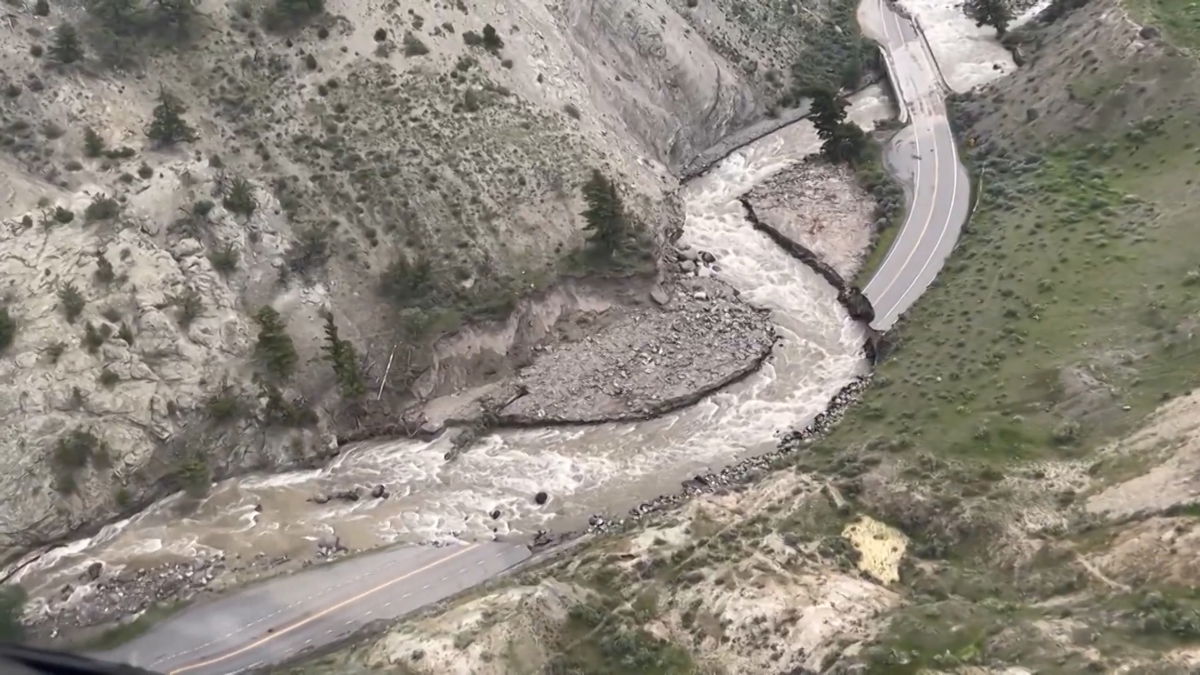
IDAHO FALLS, Idaho (KIFI)– Thousands of Americans took to the streets to protest the Trump Administration’s policies, particularly against sending the national guard to Democratic cities and ICE raids. In Idaho Falls, residents gathered at the Japanese Friendship Garden for a “No Kings” demonstration, joining voices across the nation calling for accountability and change.

Some people were frustrated with how current leaders follow or ignore rules, and one protester put it plainly while talking about government accountability.

“I am here because I am protesting against all the criminal activities that Trump is doing and destroying our government,” a protester in Idaho Falls said.

“The current administration is just doing a lot of overreach in general,” said Protester, Miranda Armenta. “They are detaining citizens of America and trying to put them through the process of deportation, which under my understanding, is you know, illegal. They’re they’re U.S. citizens. You can’t do that.”

Another protester emphasized the importance of public engagement in the democratic process, and how it could potentially lead to a larger problem.

“Democracy dies when people don’t get engaged in their government. You have to be engaged in your government and you can’t be passive about this, or we’ll lose our democracy,” the protester said.

Protests took place throughout Idaho — including in Pocatello, Rexburg, Arco, and even Jackson, Wyo., with the largest demonstration in Boise.

Click here to follow the original article.

Donations help Domestic Violence and Assault Center get new paint job

Noah Farley

IDAHO FALLS, Idaho (KIFI) — October is Domestic Violence Awareness Month, and thanks to the help of donations and volunteers, the Domestic Violence and Assault Center got a new coat of paint.

Sherwin-Williams donated gallons of paint, and volunteers went right to work. They painted the tannish-yellow walls a fresh new white.

The center’s Executive Director, Teena McBride, says the building’s foyers have not been painted for about 15 years, and this new paint will help the center’s visitors feel more safer and more comfortable. 

“The first impression people get when they come through the door is they kind of look around to see what is the atmosphere like,” McBride said. “And also for it to look clean and fresh, because that’s why they’re here. They’re here for a clean, fresh start.”

The center helps between 900 to 1,100 people who’ve experienced domestic violence and assault each year.

Click here to follow the original article.

“Guarded by Predators”: From one voice to many: Women speak out on Idaho prison abuse

InvestigateWest

Editor’s note: The article discusses sexual assault. “Guarded by Predators” is a new investigative series obtained through partnership with InvestigateWest, exposing rape and abuse by Idaho’s prison guards and the system that shields them. Find the entire series at investigatewest.org/guarded-by-predators.

Originally Published: OCT. 14, 2025

By Wilson Criscione and Whitney Bryen

BOISE, Idaho (KIFI) — In June 2024, Andrea Weiskircher thought her life was over. 

She was sobbing in a jail cell in Boise thinking about what she had just done. Encouraged by a former Idaho Department of Correction case manager, Weiskircher reluctantly filed complaints against the Idaho prison workers who had sexually abused her. It was the right thing to do. But now she faced another prison sentence and, she feared, retaliation for speaking up. 

Women detained with Weiskircher flocked to console her. With a shaky voice, Weiskircher told the women how, years earlier when she was incarcerated at a state prison, a guard had kissed her in a janitor’s closet and rubbed her hand against his genitals. At a different Idaho prison, she told them, another guard had bribed her with a Pepsi to be the lookout while he had sex with her friend who was also incarcerated. And another guard, at a third Idaho prison, had instructed her to crawl under his desk and perform oral sex on him. 

As Weiskircher caught her breath, one of the women by her side said that she had been sexually abused by prison staff, too. And so had another woman. And another. And another.

“They were like, ‘Screw IDOC. It happened to me too, dude,’” Weiskircher said, referring to the Idaho Department of Correction, the state agency in charge of prisons. “It just started a movement.”

Weiskircher’s complaints inspired other women throughout the jail to file their own, detailing stories of rape, assault, coercion and sexual harassment throughout the Idaho prison system. 

Charee Nelson reported that a sergeant got her pregnant. Karyn Simpson said she was groped by her supervisor at an inmate work program, then written up and placed in segregated housing after reporting it. Ten years later, probation officer Saif Sabah Hasan Al Anbagi offered to help her in exchange for a video of Simpson and her wife having sex. Donya Tanner said she was ordered to take her clothes off in a prison bathroom by a guard who gawked at her for the next two minutes. Amy Bonning said she was raped by two employees in a potato factory bathroom where she and other female inmates worked. 

Andrea Weiskircher’s decision to file complaints inspired scores of women to step forward with their own allegations of abuse by Idaho prison staff. (Kyle Green/InvestigateWest)

Within weeks, seven victims had reported violations by Idaho Department of Correction staff or contractors. 

And in the year that followed, those women and dozens more current and former female inmates have come forward to share similar experiences with InvestigateWest, the details of which are being reported here for the first time. In a state that incarcerates more women per capita than any other, never before have so many of them spoken out about the sexual abuse they faced behind bars. InvestigateWest interviewed more than two dozen of those women and identified another 10 victims through those accounts and documents obtained through public records requests. 

They shared their experiences in phone calls and emails that are monitored by prison staff, knowing they had to be careful about what they said. Some women worried that they could be denied parole if they were written up for talking about what happened to them. And others who were already out on parole told reporters they could end up back in prison if their parole officer submitted a violation against them in retaliation for telling their story. 

They did it anyway.

Justice denied

Sexual assault was a part of Weiskircher’s life long before she was imprisoned. Weiskircher was a product of rape, born in Nampa, 20 miles west of Boise, to a 14-year-old mother who used drugs and alcohol to cope, Weiskircher and her mother told InvestigateWest. 

“She is only 14 years older than me, so she didn’t grow up as my parent,” Weiskircher said. “She grew up as my sister.”

Weiskircher was raped multiple times as a child and ran away from home often, she says. But she always came back to take care of her siblings. School offered an escape from her home life. Weiskircher was a good student. She made the honor roll and played the guitar and violin. But those influences couldn’t overcome her mother’s drug use and her own early struggle with addiction. 

Weiskircher’s criminal history began in juvenile court where she was charged with truancy, running away, fighting at school, and possession of tobacco, marijuana, and Adderall. At 16, she married to get away from her parents, but her drug use continued. She began cashing fraudulent checks to pay for drugs and was arrested and charged with forgery when she was 19, resulting in the first of many prison sentences. 

Weiskircher, now 43, has spent nearly 13 years in prison — and another six in jail — where, she says, she was harassed and coerced by guards to perform sexual favors in exchange for a cellphone that she used to call her family, or for sodas, candy and other prohibited items. But life outside was marginally better, she says. 

“It’s like, you don’t have any reason to try,” Weiskircher says. “It’s not like I had a life that I was leaving behind. I didn’t have a home, I didn’t have a car, I didn’t have a job, I didn’t have any of the things that a normal person would say, ‘Oh, I’m sad I lost this.’ I didn’t have it. I didn’t have it to lose.”

In a notebook Andrea Weiskircher kept in jail, on a page that began “God please forgive me when I want to give up,” she tracked everyone she contacted for help. (Kyle Green/InvestigateWest)

In 2021, while Weiskircher was incarcerated, she began providing information about drug dealers to Nampa police Detective Brian Rowe, who threatened to charge her with another felony if she didn’t comply, she says. The pair talked on the phone nearly every day, and Weiskircher even called one of the drug dealers from prison at Rowe’s request, she says. So when Rowe asked her to be an informant following her release in 2023, she quickly agreed. InvestigateWest confirmed Weiskircher’s role as an informant through a signed document, texts and emails, some containing screenshots of drug deals she made using social media messages.  

“Based on Andrea’s assistance, investigators seized approximately 90 pounds of methamphetamine, 2.5 pounds of fentanyl, and several firearms,” Rowe wrote in a letter to the Idaho Parole Commission. “Investigators also made dozens of arrests based on these investigations.”

In April 2024, Weiskircher was arrested again and charged with grand theft after she was allegedly found with fraudulent checks, other people’s bank account information and stolen credit cards, according to police records. She was dismissed as an informant and sent to the Ada County Jail. It was there, surrounded by women like her, accused of nonviolent crimes and facing years in prison, that she began asking why the men who sexually abused her and others in prison hadn’t faced the same fate. 

“I’m being charged … and I’m going to get five years in prison,” Weiskircher says. “And all of these illegal things are happening in the prison … and nobody cares. Where’s the justice in that?”

While she sat in jail awaiting news on her charge, Weiskircher’s frustration escalated. Nearly every day, she called her former Department of Correction case manager who shared her outrage. He had been fired by the department for policy violations less than a month after reporting an inmate-on-inmate sexual abuse violation and other safety concerns at one women’s facility. He encouraged her to speak up, too. And on June 9, 2024, she did. 

For the next year, with her own criminal charge lingering, Weiskircher waged a campaign to hold accountable the prison workers who had sexually abused her and others.

Weiskircher helped other women file complaints against their abusers, but little came from the allegations. She studied Idaho Department of Correction policies and the federal standard that prohibits sexual assault and harassment by prison staff. She tried filing a federal lawsuit against the state prison system and assisted as two other women did the same, but none could afford the filing costs. 

Former Idaho Department of Correction Director Josh Tewalt at a Feb. 28, 2024 news conference in Kuna, Idaho. (AP Photo/Kyle Green)

In a notebook she kept in jail, on a page that began “God please forgive me when I want to give up,” Weiskircher tracked everyone she contacted for help. She wrote to the state Attorney General’s Office. She wrote to the governor and lieutenant governor. She wrote to judges and the Idaho Volunteer Lawyers Program and the Idaho American Civil Liberties Union. She wrote to the U.S. Department of Justice and an Idaho-based FBI agent. And she pleaded with the Department of Correction, writing to investigators, then-Director Josh Tewalt and the employee charged with ensuring prisons statewide comply with the federal Prison Rape Elimination Act. 

But it wasn’t enough. The FBI agent interviewed Weiskircher, she said, but no sexual abuse charges were filed as a result. The Department of Correction’s Prison Rape Elimination Act coordinator responded with a notice that Weiskircher’s claims had been marked as “unfounded.” The governor, lieutenant governor and Department of Correction director never responded, Weiskircher said. And the rest wrote back to say they couldn’t help. 

Weiskircher filed a victim protection order against the department and helped two other women file one, too. Maybe it would prevent them from being sent back to the facilities where they were abused, she thought. But protection orders can’t be filed against an agency, an Ada County judge told them as he dismissed their requests. Weiskircher implored the judge, explaining that none of their accusations had been criminally investigated. 

At the end of the hearing, Judge Andrew Ellis promised to contact the county prosecutor, Jan Bennetts, saying he “would ask that she look into it and not just sweep it under the rug.” 

Charee Nelson at Christmas with her family’s cat in 2016. Nelson is one of seven women who filed complaints of sexual abuse against Idaho prison workers in the summer of 2024. InvestigateWest found that none of their complaints were properly investigated. (Photo courtesy of Nelson’s family)

The next day, the Idaho State Police opened an investigation into the three women’s claims. But detectives ignored leads, disregarded evidence and questioned only one of seven men accused of abuse before closing all three cases due to a lack of evidence. None of the men was charged with a crime. The detectives declined interview requests through an agency spokesperson.

Weiskircher described the abuse she experienced from four correction guards and a commissary employee to the detectives. None of the men she accused were questioned, according to the detectives’ notes. Neither was a guard who Weiskircher told police witnessed one of the abuses. 

She thought she gave detectives the evidence they needed — including screenshots of sexual content sent to her by a guard while she was on parole. None of it was included in the investigative file provided to InvestigateWest by state police.

“They didn’t give a shit about anything I said, and I felt like they did just a huge injustice,” Weiskircher said. “They treated us like the plague.”

In her fight to be heard, Weiskircher gave InvestigateWest all of the evidence she had — text messages, phone logs, photos, Facebook messages and emails from the men she had accused. In one Facebook message, Joseph Mena, who delivered commissary items to Boise prisons where Weiskircher was housed, asked, “Who did you tell that we kissed in the back of the truck?” When reached by phone, Mena denied the allegation. Another message came from Tyson Aubrey, a guard who Weiskircher said kissed her in a closet and rubbed her hand on his genitals. After confirming that she was out of prison and under the supervision of a parole officer, Aubrey sent her photos of his genitalia and the message, “Was thinking about you today….” 

Aubrey, who is now a correction officer in Oregon, told InvestigateWest he never kissed or touched Weiskircher. He did meet up with her once after she was released from prison and had a sexual relationship over calls and texts, Aubrey said. But he doesn’t remember sending the Facebook messages, which he confirmed came from his account. Jordan Saldate, the guard Weiskircher accused of requesting oral sex, sent messages, too, when he was no longer working for the Department of Correction. In one, he wrote, “You going to delete (our) conversation, lol.” Many included overtly sexual photos and memes. Saldate denied the allegations that he asked for and received oral sex from Weiskircher. But he told InvestigateWest that he heard many rumors of sexual abuse by guards while working at Pocatello women’s prison and that he believed Weiskircher had been a victim.

Outside Boise, South Idaho Correctional Institution is a 700-bed men’s and women’s prison. Idaho incarcerates women at a rate higher than any other state, at three times the national average. (Whitney Bryen/InvestigateWest)

Some of the messages provided to InvestigateWest were emailed to police detectives and Department of Correction administrators. Yet Weiskircher’s complaints were marked as “investigated and determined not to have occurred.”

And Weiskircher insisted to InvestigateWest reporters, and anyone else who would listen, that she was just one of many women with a story like this. 

A movement grows 

Over the next year, InvestigateWest reporters sent messages to women with similar stories, many still incarcerated at the facilities where they were abused. 

Reporters interviewed all seven women who filed reports from jail last year. They provided the names of other victims. And those victims knew of more. Altogether, reporters talked to more than three dozen women who either experienced or witnessed sexual abuse by Idaho prison workers. Many expressed guilt for their role in the abuse, sometimes giving into sexual requests for fear of what would happen if they said no. Others said they should have done more to stop it or told someone what happened. Most said it probably wouldn’t have made a difference even if they did report it. 

Some phone and video calls between the women and reporters were abruptly disconnected by the jail with no explanation. An email to a reporter describing the sexual assaults one inmate experienced was blocked by the prison. It was released to the reporter nearly a week later — the same day one of the accused guards was fired, Department of Correction records show. 

Andrea Weiskircher goes over her case file with her lawyer, Craig Harrison of Ferguson Durham PLLC. (Kyle Green/InvestigateWest)

To verify the women’s claims, InvestigateWest submitted more than 100 requests for records from the department, law enforcement and Idaho courts. The news organization spent more than $3,000 on documents, audio recordings and calls to inmates, and worked with attorneys to obtain other records that the agencies heavily redacted, couldn’t find or refused to provide. 

InvestigateWest compared names provided by the women with Department of Correction staff rosters and employment records. Reporters pored through sexual abuse reports provided by the department. Other inmates who were housed in the same unit, or even in the same cell, as some of the victims independently corroborated their stories. Reporters interviewed former department employees, including a warden and special investigator, about how reports of abuse are supposed to be handled and how often the process fails. And reporters reviewed hundreds of pages of police investigative files and listened to hours of audio of detectives interviewing victims, witnesses and suspects to determine what efforts were made to find evidence of alleged abuse. 

All the while, reporters fielded constant messages and calls from incarcerated women who wanted their story told, like Weiskircher. 

‘I won’t stop’

Five of the seven women who reported their abuse from jail during summer 2024 are back behind bars. But Weiskircher, who was released on parole on June 30 and admitted to drug court for the first time, continues to seek justice. 

Weiskircher started working for a Boise civil rights attorney who has agreed to represent her in a lawsuit against the Department of Correction and possibly other state agencies. She’s studying to be a paralegal and assisting with research on other cases against the department. She spends six hours a day attending required counseling and addiction treatment programs. 

A no-contact order placed on her by the court prohibits Weiskircher from talking to any men — except in a professional setting or with two of her sons. And her parole restrictions ban communication with other felons, which means Weiskircher can’t talk to the other women who filed sexual abuse claims. But those hurdles aren’t stopping her fight for accountability.

Andrea Weiskircher on her way to a drug court hearing at the Ada County Courthouse. (Kyle Green/InvestigateWest) 

“It’s not in me to give up,” Weiskircher said. “It was wrong, and I was not going to let a million no’s stop me. When I was told ‘no’ as a drug addict, I found another way. It’s ingrained in me. You’re not going to make me give up. I’m not going to shut up.”

After reviewing public records obtained by InvestigateWest, Weiskircher filed a complaint with the state police against the detectives who investigated her allegations. Last month, Weiskircher and her attorney met with internal affairs officers who told her they were looking into how her case was handled. 

She called that a “small victory,” saying the bigger accomplishment is having her story broadcast to the public, which she hopes will put pressure on the Department of Correction, law enforcement and prosecutors to change their approach to women like her.    

“I don’t know if I’ll ever feel like it’s enough until they stop (the abuse) or fix it,” Weiskircher said. “I won’t stop. They will have to answer at some point to somebody. That is an accomplishment to me.” 

This reporting was supported by the Fund for Investigative Journalism and the Pulitzer Center.

Click here to follow the original article.
Local soup spot warms hearts with award-winning flavors

Ariel Jensen

IDAHO FALLS, Idaho (KIFI) — With temperatures dropping, people’s priorities are now all about staying warm and eating well. One local spot is serving up just that.

A Street Soup is being recognized for its award-winning flavors. Last month, they won best in gold for catering, best sandwiches & soups, and silver for their cookies in Greater Idaho Falls.

“It makes us really proud. We work really hard back here, too,” said Chef Libby Hercher. “We try to make everything fresh. We try to do our best. We put out the best product for everybody. We don’t cut corners around here; everything is handmade. We work hard for it, so we put it out because we love doing it.”

They are helping everyone stay warm and shared with Local News 8 one of their recipes. Check it out below.

A Street Soup’s Chicken Coconut Curry Soup

1/2 cup diced Carrot

1/2 cup diced Onion

1/2 Bell Pepper

3/4 Tablespoon Curry Powder

Pinch of White Pepper

1 Stalk of Lemongrass

1 lb of Diced Chicken

Chicken Stock or Bouillon

2 cans of Coconut Milk

1/8 Cup of Orange Juice

Corn Starch

Sriracha for taste

Cilantro for garnish

Instructions

Sweat Onions and Carrots over low heat in a covered pan until the Onions are translucent

Bloom Curry Powder by gently frying it in a fat or oil over low heat for 2 minutes

Add Coconut Milk and Chicken Stock, along with the Bell Peppers and the Chicken, to the pot and bring the mixture to a boil until the chicken is fully cooked

Use corn starch for thickening the mixture

Add Cilantro as a garnish and serve

Click here to follow the original article.