How a new Pope is chosen: A step-by-step look at the Papal Conclave


Seth Ratliff

By Gregory Deffenbaugh (KTVZ)

As the Catholic Church prepares to elect its next spiritual leader, here’s a detailed look at the centuries-old ritual of the papal conclave, an event marked by history, secrecy, and sacred tradition.

The 2025 Papal Conclave

The Vatican officially announced the papal conclave to elect a new pope begins on Wednesday, May 7, 2025, following the death of Pope Francis. The election takes place in the Sistine Chapel, the Renaissance masterpiece nestled within Vatican City.

This solemn gathering of cardinals, who are some of the highest-ranking leaders in the Roman Catholic Church, represents one of the most sacred and confidential events in the religious world. While rooted in tradition, the conclave also serves as a critical moment of discernment, shaping the future direction of a faith followed by over 1.3 billion Catholics worldwide.

What Is a Papal Conclave?

The word “conclave” comes from the Latin cum clave, meaning “with a key.” The term reflects the practice of locking the cardinal electors inside a secluded space, now the Sistine Chapel, until they reach agreement on who will become the next pope. The Church has used the conclave process for over 700 years, with modern rules codified by recent popes, most recently Pope John Paul II and Pope Benedict XVI.

The conclave is not only about casting votes; it is a spiritual event, grounded in prayer and carried out with elaborate ceremony. Once the conclave begins, all participants are sworn to absolute secrecy, forbidden from communicating with the outside world in any form.

Who Participates in the Conclave?

According to the U.S. Conference of Catholic Bishops, only cardinals under the age of 80 at the time the papacy becomes vacant are eligible to vote.

These electors, typically around 120, travel to Rome from across the globe. They are a diverse group, representing the universal nature of the Church. Although any baptized male Catholic is eligible for election, in practice, the new pope is almost always chosen from among the cardinals.

The Pre-Conclave Meetings

Before the conclave officially begins, cardinals attend a series of general congregations, formal meetings where they reflect on the state of the Church, hear reports, and discuss what kind of leader is needed.

These discussions are private, but they often help shape consensus around potential candidates, known informally as papabili, those considered likely to become pope.

During this period, logistical preparations are finalized, and the Sistine Chapel is inspected and secured. Specialized staff ensures that electronic jamming and counter-surveillance measures are in place to preserve the integrity of the conclave.

Oath of Secrecy

Once the conclave officially begins, the cardinals process into the Sistine Chapel, chanting hymns as they pass under Michelangelo’s famous fresco of the Last Judgment. Upon entering, each elector takes an oath of secrecy, pledging not to disclose anything that occurs within the conclave under pain of automatic excommunication.

After the doors close, they are locked from the outside, and the chapel becomes the cardinals’ exclusive space for discernment and voting.

The Voting Process

Each day of the conclave includes two voting sessions in the morning and two in the afternoon, with time for prayer and informal discussions between.

Here’s how a vote works:

Each cardinal writes his choice on a paper ballot marked with the Latin phrase “Eligo in Summum Pontificem” (“I elect as Supreme Pontiff”).

Ballots are folded and placed into a chalice, then deposited into a receptacle atop the altar.

Three cardinals designated as “scrutineers” count the votes aloud.

If no one receives a two-thirds majority, the process repeats.

Ballots from each session are burned in a special stove inside the chapel.

To let the world know what’s happening, smoke rises from the chapel’s chimney:

Black smoke (fumata nera) means no decision has been reached.

White smoke (fumata bianca) signals that a new pope has been elected.

Election and Acceptance

When a candidate receives the required number of votes, the dean of the College of Cardinals formally asks: “Do you accept your canonical election as Supreme Pontiff?” If the chosen cardinal accepts, he is then asked what papal name he wishes to take.

The new pope is led to the nearby Room of Tears, where he dresses in white papal vestments prepared in various sizes. The room gets its name from the emotion often experienced at that moment – grief, awe, or humility, as the weight of responsibility settles in.

Public Announcement: “Habemus Papam”

Once dressed, the new pope is introduced to the world from the central balcony of St. Peter’s Basilica.

A senior cardinal steps forward and proclaims: “Habemus Papam!” (“We have a pope!”), followed by the pope’s birth name and chosen papal name.

Moments later, the new pope offers his first Urbi et Orbi blessing – “to the city and to the world” – a tradition that stretches back centuries.

Why the Conclave Still Matters

In an age of technology and transparency, the conclave remains a powerful symbol of mystery, unity, and sacred duty. It is deliberately designed to prevent political lobbying, media pressure, or factionalism. It reminds the world and the faithful, that leadership in the Church is not merely elected; it is discerned through prayer and tradition.

With over 1.3 billion Catholics worldwide, the choice of pope has spiritual, cultural, and even geopolitical consequences. The 2025 conclave brings together cardinals from more than 70 countries, many of whom were appointed by Pope Francis himself, possibly shaping a continuation of his pastoral, globally minded legacy.

Click here to follow the original article.

Pocatello seeking public input in updates to city’s Historic Preservation Plan

Sam Ross

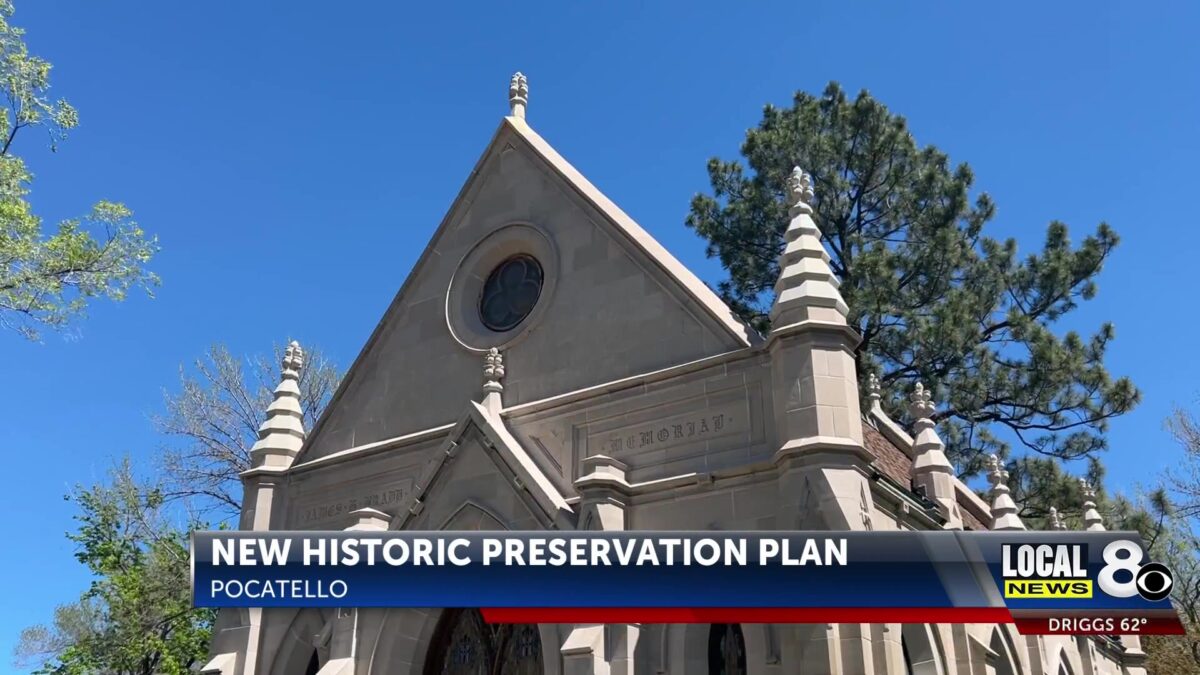
POCATELLO, Idaho (KIFI)– Pocatello’s Historic Preservation Commission (PHPC) is updating the city’s Historic Preservation Plan to guide future city development around respecting historical sites and buildings.

The updated Historic Preservation Plan will include goals and guidelines for development over the next 10 years, and include priorities like surveying the city for historical sites and ensuring city building code protects area buildings over 50-years-old.

“Our identity is housed in these historic places,” said Jim Anglesey, long-range senior city planner. “It informs us today of where we came from and can really help us know where we’re going in the future for development, for who we are, and what we stand for.”

PHPC is seeking public input on their updated Historic Preservation Plan before the plan is put into effect, they will be holding a public hearing at Pocatello City Hall on May 15 at 6pm.

For more information, you can visit the Pocatello city website. A draft of the updated Historic Preservation Plan can be found here.

Click here to follow the original article.

EPA terminates grant for Pocatello park and river improvements

Sam Ross

POCATELLO, Idaho (KIFI)– The US Environmental Protection Agency (EPA) terminated a $16.4 million grant to Pocatello’s Portneuf River Vision project, the city announced in a Facebook post on Tuesday.

The Portneuf River Vision is an ongoing effort by multiple city departments to maintain the health of the Portneuf River, improve city parks and recreation areas, and provide better river access for community use.

Portneuf River Vision was originally awarded the $16.4 million ‘Community Change’ grant from the EPA in August 2024, to be used for infrastructural improvements to stormwater drainage in Rainey/Centennial Park and Constitution Park, as well as adding sewer systems to south Pocatello neighborhoods and constructing walking paths along South 5th Ave.

In their Facebook post on Tuesday, Portneuf River Vision included this quote from the EPA:

“This EPA Assistance Agreement is terminated effective immediately on the grounds that the remaining portion of the Federal award will not accomplish the EPA funding priorities for achieving program goals. The objectives of the award are no longer consistent with EPA funding priorities.”

In the post, Portneuf River Vision stated the remaining grant funds and any costs paid for using grant money will be returned to the EPA.

Local News 8 reached out to Portneuf River Vision leaders for comment, however, they said they have no updates at this time.

Click here to follow the original article.

Idaho Falls schools issue warning over destructive/dangerous social media trend

Seth Ratliff

IDAHO FALLS, Idaho (KIFI) — Teachers and staff from Idaho Falls School District 91 are warning parents of a dangerous new social media trend affecting schools across the nation.

The warning comes from a post on the D91 Facebook page.

According to D91, students have been inserting metal or conductive items into the USB ports of school-issued devices to intentionally start a fire or cause damage. “In extreme cases, this has resulted in devices catching fire and evacuations of entire school buildings,” said the post.

The trend has been circulating on TikTok and other social media platforms.

“We urge you to speak with your child about the dangers of participating in such trends and to help them understand the gravity of these actions,” said D91 in the post.

D91 staff says any student who attempts the trend could face the full cost of replacing the damaged equipment, disciplinary action per school policies, and/or possible criminal charges, including vandalism.

“Our school staff will also be monitoring devices more closely and reiterating these expectations with students. Thank you for partnering with us to keep our schools safe and our learning environments focused and uninterrupted,” write D91 staff in the post.

Click here to follow the original article.

Joyride Turns Destructive: Juveniles Ram Patrol Cars, Damaging Property

Seth Ratliff

IDAHO FALLS, Idaho (KIFI) —  A pair of juveniles are facing charges after an early morning joyride in a stolen pickup turned into a police pursuit, damaging at least three patrol cars and private property.

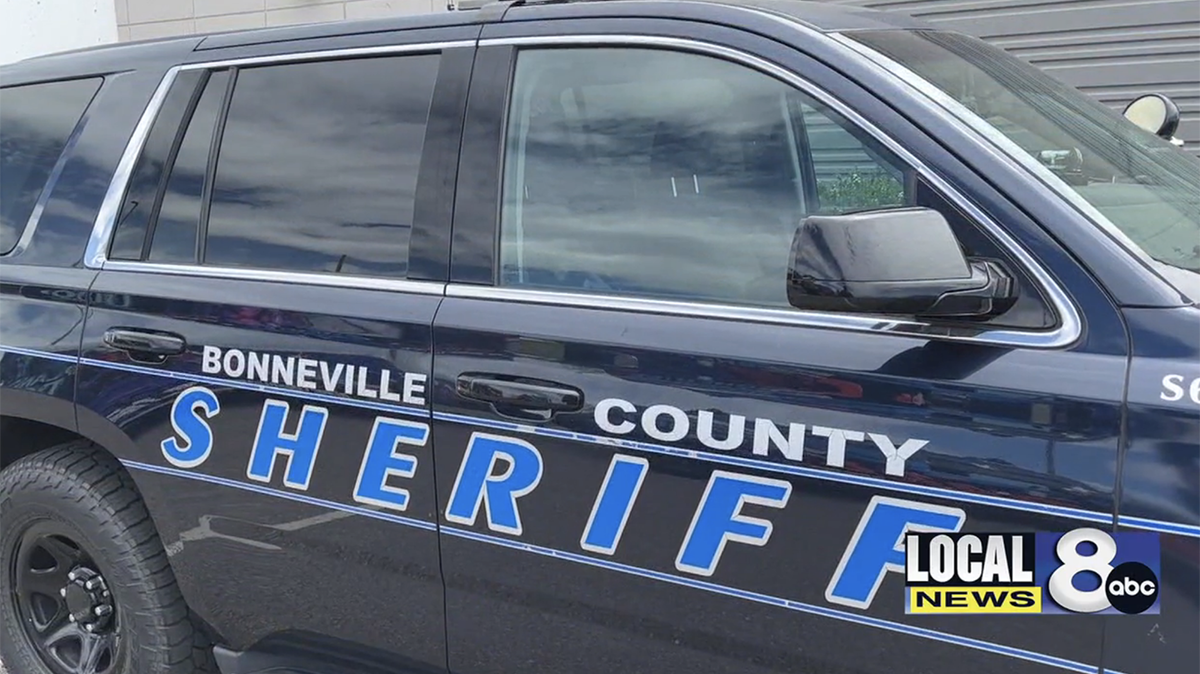
Just before 1 AM, Wednesday, May 7, Sheriff’s Deputies in Bonneville County attempted to assist the Ucon Police Department to stop a pickup truck speeding in the area of Hwy 26 and Ammon Rd. (Beeches Corner).

As Deputies and ISP officers responded, attempting to stop the vehicle, the pickup fled the area at a high rate of speed through a construction zone, turning onto Iona Rd. and driving through residential yards and property along the way, according to the Sheriff’s Office.

A Deputy was able to get behind the pickup and attempted a traffic stop as it turned onto Hwy 26, but the vehicle fled, traveling at a high speed, according to police. Police spotted the pickup again without its headlights on as it turned South on Ammon Rd. and again into a neighborhood near Rocky Mountain Middle School.

Law enforcement then found the pickup parked in a nearby apartment complex, where the driver fled by intentionally ramming into both patrol cars and causing damage to a garage and surrounding property while forcing their way through. According to the Boneville County Sheriff’s Office (BCSO), another Deputy arriving on the scene collided with the pickup in an unsuccessful attempt to keep it from leaving the complex.

The pickup was later spotted again driving at over 100 MPH along Ammon Rd., heading north and running multiple red lights. At the intersection of N. Yellowstone and Roh Ln., the driver failed to navigate the corner and drove into the canal. At which point, law enforcement was able to take the driver and passenger into custody, according to BCSO.

The driver, identified as a 13-year-old girl from Bonneville County, has been booked into the 3B Detention Center for Felony counts of Aggravated Battery and Felony Eluding, along with Misdemeanor charges for leaving the Scene of an Accident and Joyriding.

Meanwhile, the passenger, a 15-year-old male, has been released to his parents. He is facing potential charges related to the theft of the pickup, according to BCSO. The names of the juveniles will not be released, due to their age.

Click here to follow the original article.

Idaho educators gather to strategize post-legislative budget challenges

Ariel Jensen

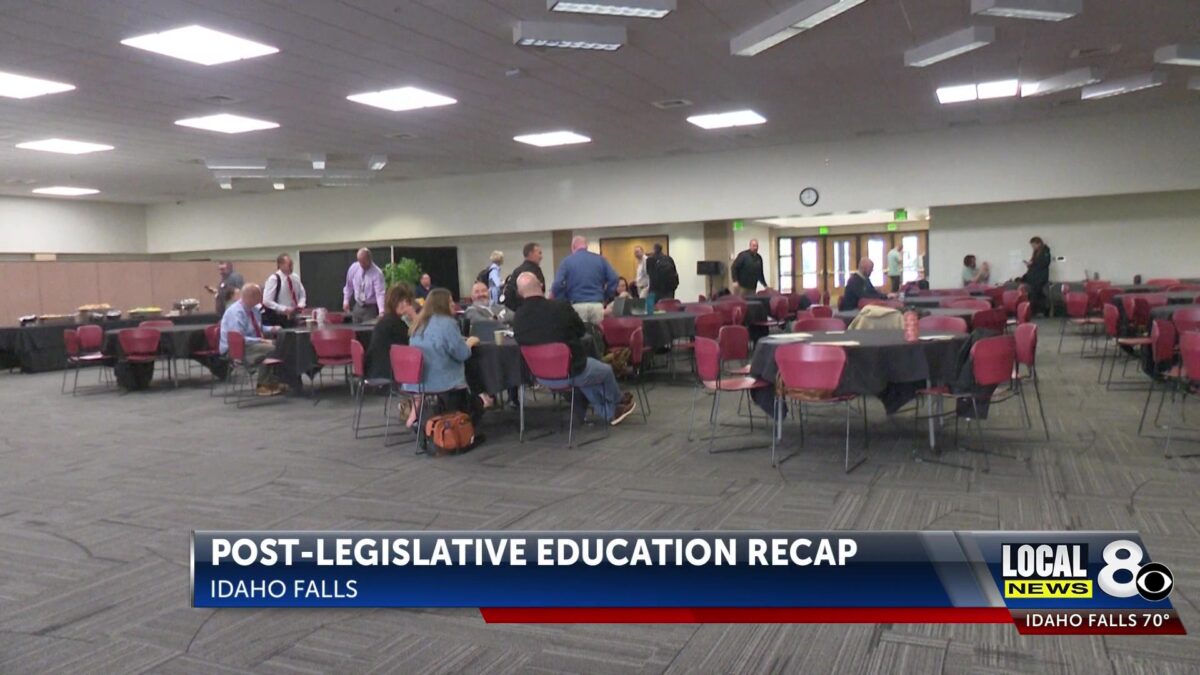
IDAHO FALLS, Idaho (KIFI)—Idaho teachers and educators gathered Wednesday for a post-legislative recap of the 2025 Legislature.

The meeting focused on the state’s education funding and help them navigate next year’s budget.  One key item was teacher pay increases, and another was about operational dollars that school districts and charter schools expected, but didn’t get.

As of now, school districts and charter schools are setting up next year’s budgets. 

“This information and really being able to ask us a lot of very pointed questions is important as they set those budgets and negotiate with their teachers what the salary increases will look like for the upcoming school year after the budgets,” said Greg Wilson, Chief of Staff at the State Department of Education. 

The group also discussed the impact of curricular decisions at the local level.

One bill updates the graduation requirements to begin next year for the class of 2028. One of which is digital literacy as a one-credit requirement. 

“One of the key components is basic computer science concepts. Navigating artificial intelligence is an example and coding. Just basic things that are important to understanding how all the technology that we interact with every day works,” said Wilson.

There’s also an online safety component. 

Wilson told Local News 8 they have heard from many parent groups and legislators want to make sure kids are safe online at age-appropriate levels, understand how to navigate online, and how to be safe online.

Click here to follow the original article.

“Idaho Lost a True Champion.” Superintendent Critchfield honors former Senator Carl Crabtree

Seth Ratliff

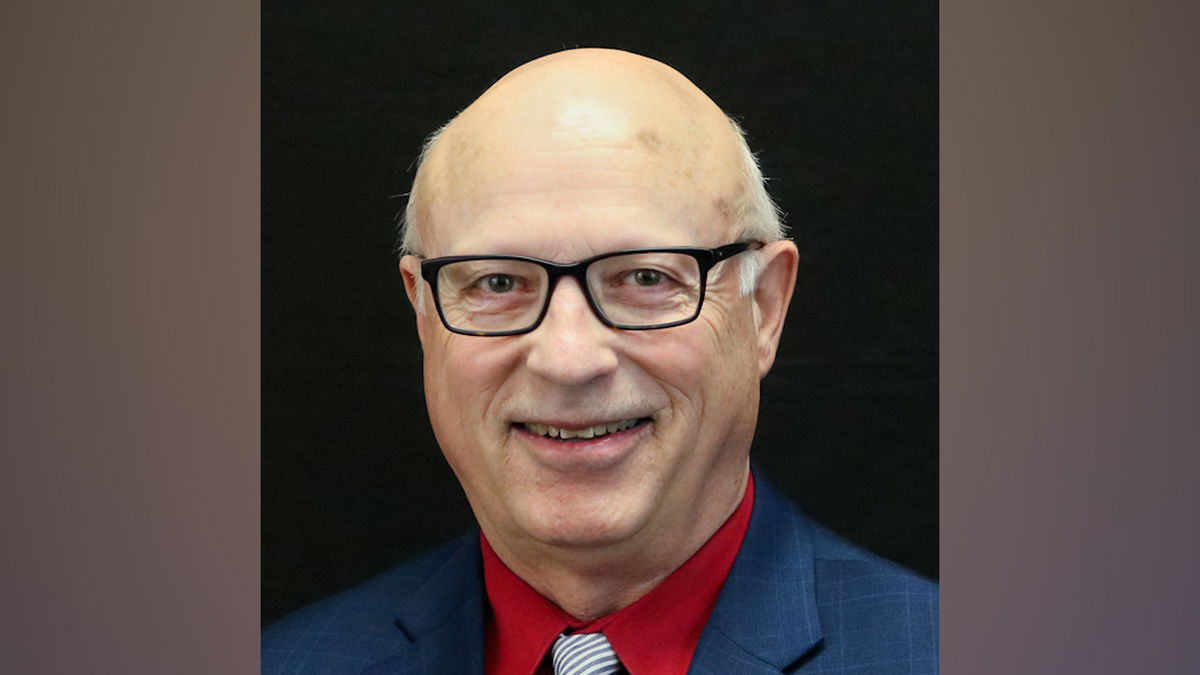
BOISE, Idaho (KIFI) — Former Idaho Senator Carl Crabtree passed away Tuesday, May 6, in Boise, after a recent battle with brain cancer.

As a rancher from Grangeville, Crabtree was actively involved with state and national cattle industry organizations. In 2007, he received the prestigious title of Trailblazer of the Year from Beef Magazine. For nearly 30 years, he served as the University of Idaho extension agent, overseeing 4-H programs in his county.

The 72-year-old represented District 7 for three terms in the Idaho Senate from 2016 to 2022. In 2023, he joined the Idaho Department of Education and served as the department’s director of intergovernmental affairs. His role included work with the Idaho Land Board and members of the state legislature.

Wednesday, Superintendent of Public Instruction Debbie Critchfield issued the following statement honoring her longtime friend and colleague.

“Today, I lost one of my dearest friends and Idaho lost a true champion. Carl Crabtree was more than a colleague—he was a cowboy at heart, a fierce advocate for education and a man whose integrity shaped everything he touched. Carl’s passion for serving Idaho’s students and families never wavered, even in the face of his personal battle with cancer. From his work championing early literacy and dyslexia resources to his tireless efforts supporting educators, Carl’s legacy will live on in the lives he changed.

– Superintendent of Public Instruction Debbie Critchfield

Critchfield describes Crabtree, as a legislator was a strong advocate for Idaho students and K-12 schools. He supported various important initiatives, including early literacy programs and all-day kindergarten. In 2022, he played a key role in passing legislation that provided support for students with dyslexia. House Bill 731 established statewide screenings for dyslexic students and offered specialized training for educators focused on dyslexia. That same year, the Idaho School Boards Association honored Crabtree with its annual “Friend of Education” award.

A proud graduate of the University of Idaho, Crabtree was also an advocate for higher education, writes Critchfield. In 2023, Lewis-Clark State College honored him with the President’s Medallion award for “significantly impacting the college by demonstrating high personal and professional standards, commitment to lifelong learning and the positive difference education makes to individuals, families and communities.”

“Carl was one of the most genuine, hardworking and kind-hearted people I’ve ever known. He was a cowboy through and through—steadfast, loyal and full of grit. While I mourn the passing of my dear friend, I am deeply grateful for the time we shared.”

– Superintendent of Public Instruction Debbie Critchfield

Click here to follow the original article.

“We’re grateful no one was injured”: Fire destroys trailer home in Archer

News Team

UPDATE: The following information comes from a press release from the Madison Fire Department:

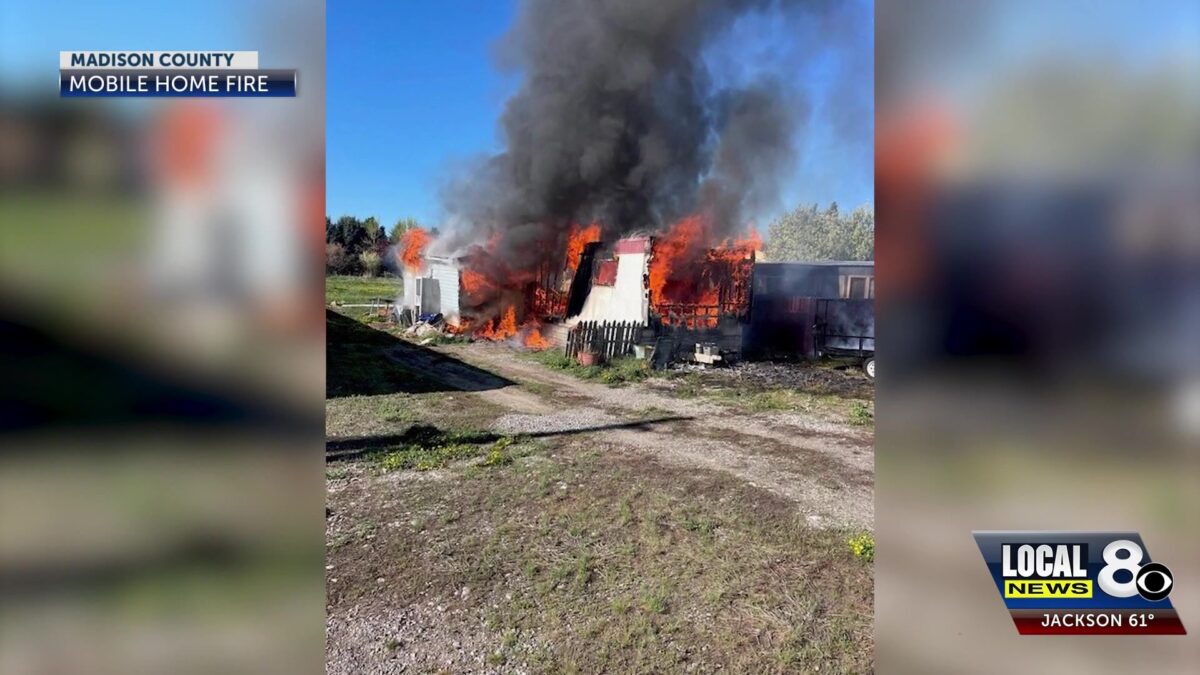
ARCHER, Idaho (KIFI) — A mobile home in Archer is now a total loss, after an early morning fire in Madison County.

The Madison County Fire Department responded to a structure fire at 293 W. 9000 S. at 9:01 AM, where firefighters discovered neighbors using garden hoses to help stop the spread.

“We also want to thank the numerous bystanders and neighbors for their quick action prior to the fire department’s arrival. Their actions helped reduce the spread of fire,” said Deputy Chief Miskin.

No one living in the area or responding firefighters were injured in by the blaze according to the Madison Fire Department. However firefighters are calling the single-wide trailer a total loss.

A second nearby trailer sustained some minor damage, according responding firefighters. The damages between the two structures are estimated to be $100,000.

Crews are still on scene performing overhaul, according to Deputy Chief Miskin.

Courtesy: Madison County Sheriff’s Office

The Madison Fire Department dispatched two engines, two water tenders, an ambulance, and two command vehicles. A total of 15 fire personnel were on the scene. Deputies from the Madison County Sheriff’s Office and Idaho Chaplains also provided assistance.

“This is an unfortunate incident and we are so sorry for the loss that took place today,” said Troyce Miskin, Deputy Chief of Madison Fire Department, “but we’re grateful no one was injured. We are also grateful we were able to save one adjoining structure and minimize damage to another.”

The cause of the fire is unknown and an investigation is ongoing.

ORIGINAL:

REXBURG, Idaho (KIFI) — First responders in Madison County are on the scene of a trailer fire in the Archer area, as of 10:10 AM Wednesday.

The area of 9000 South, between 400 West and 900 East, is currently closed, according to a post on the Madison County Sheriff’s Office’s Facebook page.

No information has been released at this time regarding the cause of the fire or any potential injuries. This is a developing story. Local News 8 will later update with additional details.

Click here to follow the original article.

The Wait is Over: Utah’s NHL team name revealed

Seth Ratliff

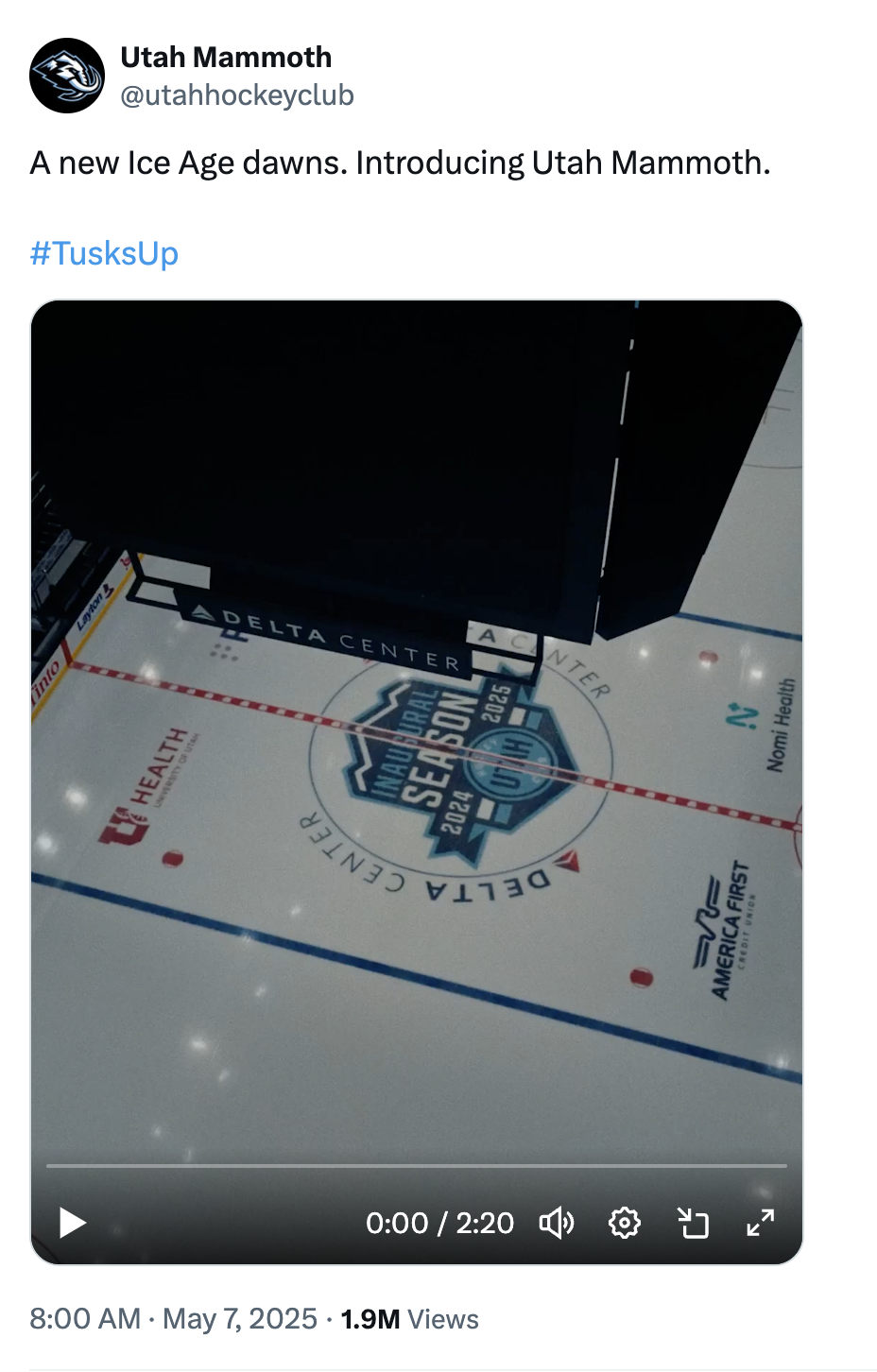
SALT LAKE CITY, Utah (KIFI) — Utah’s NHL team is now officially the Utah Mammoth. The team, formerly known as the Utah Hockey Club, made the announcement on X early Wednesday morning.

The internet was made aware of the official team name earlier this month, after the group’s YouTube page leaked the name in an accidental early name change in the page’s user handle.

Click here to follow the original article.

Florida man gored by bison in Yellowstone

Curtis Jackson

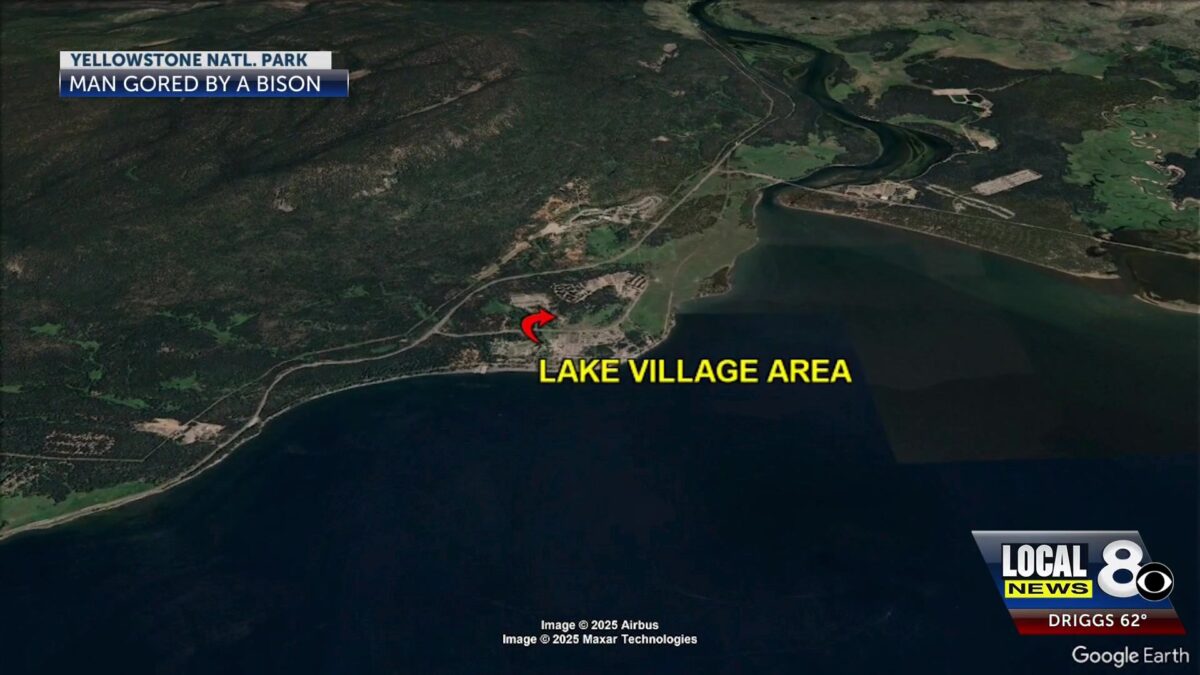
YELLOWSTONE NATIONAL PARK, Wyo. (KIFI)— A Florida man was injured when he was gored by a bison in Yellowstone National Park on Sunday, May 4, 2025.

According to a news release, the man was injured in the Lake Village area at approximately 3:15 p.m. when he got too close to the animal. The 47-year-old man was from Cape Coral, Florida.

This is the first incident of a person injured by a bison this year. In 2024, two people were injured, and one in 2023.

Sunday’s incident is still under investigation and hasn’t released any more details about the

Wildlife in Yellowstone are wild and can be dangerous

Wild animals can be aggressive if people don’t respect their space. It is your responsibility to stay more than 25 yards (23 meters) away from all large animals – bison, elk, bighorn sheep, deer, moose, and coyotes – and at least 100 yards (91 meters) away from bears and wolves. If wildlife approaches you, move away to always maintain these safe viewing distances.

Bison will defend their space when threatened and have injured more people in Yellowstone than any other animal. They are unpredictable and can run three times faster than humans.

Learn more about our safety tips while visiting Yellowstone, including how to behave around wildlife. The safety of these animals – and humans – depends on everyone using good judgment and following these simple rules.

Click here to follow the original article.