House Committee Advances Bill to Track Student Immigration Status

Ryan Suppe

Statehouse roundup, 2.11.26: New bill would track immigration status of Idaho students

Originally posted on IdahoEdNews.org on February 11, 2026

by: Ryan Suppe and Kevin Richert

BOISE, Idaho — Idaho Republicans want to learn the cost of illegal immigration and they are asking the public school system to help gather that data.

The House Education Committee Wednesday introduced a bill that would direct the state to publicize data on the immigration status of students attending K-12 public schools and public colleges and universities. 

Rep. Steve Tanner said his bill would allow the Legislature to estimate the costs to educate undocumented immigrants. “It does not seek, nor does it ask for, personal identifying information of any students,” said Tanner, R-Nampa. “(It’s) aggregate data only.”

Tanner proposed a similar bill last year, but it stalled in House Education. 

The new version is among a suite of immigration-related proposals that a group of GOP lawmakers unveiled during a news conference last week. The group had a few House Education members, including the committee’s chairman, Rep. Dale Hawkins. 

During the news conference, Hawkins referred to the U.S. Supreme Court’s ruling in Plyler v. Doe, which held that public schools can’t deny enrollment to students based on immigration status. 

“We can’t turn people away from the education system. That’s fine,” Hawkins, R-Fernwood, said last week. “But if the federal government is requiring us to educate, the federal government should be paying us to do it.”
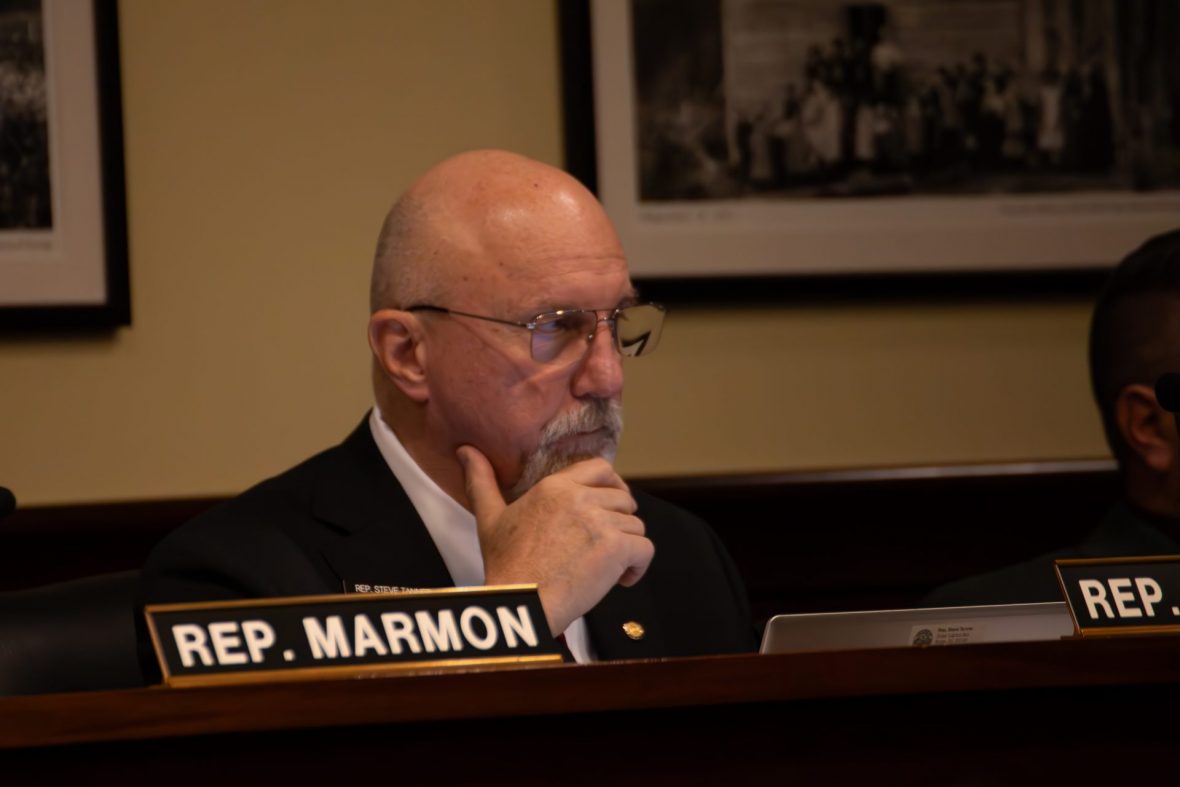
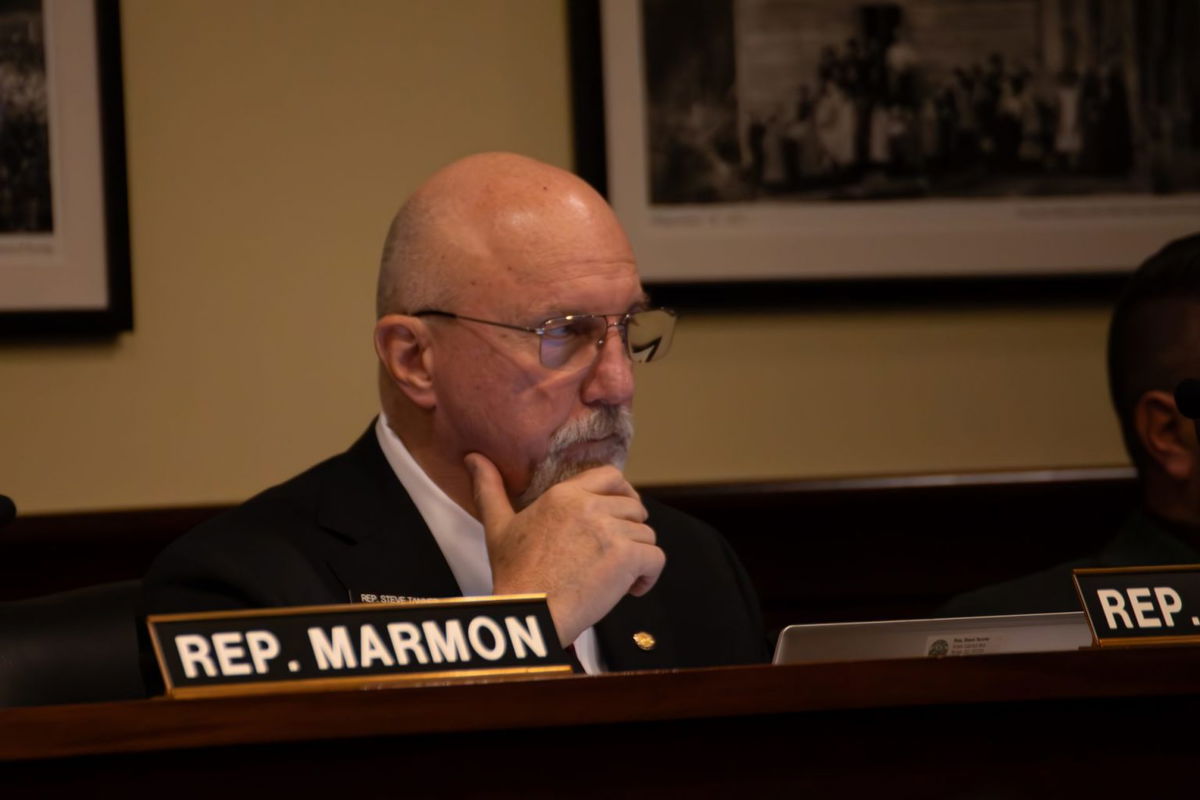
Rep. Steve Tanner, R-Nampa (Brandon Schertler/Idaho EdNews)

The bill directs the State Board of Education to collect “aggregated data regarding the immigration status, nationality, and primary language of all enrolled students” in public schools, colleges and universities. This data would have to be shared with the Legislature. 

The bill initially didn’t include charter schools. But Rep. Clint Hostetler, R-Twin Falls, motioned successfully to add a reference to charters. 

The committee also removed one sentence from the bill’s statement of purpose, at Rep. Douglas Pickett’s urging. “Like many other states, Idaho has seen a recent surge of undocumented immigrants,” the statement of purpose initially read. 

“That sentence just seems, to me, to presuppose something that we’re actually trying to ascertain through the application of the bill,” said Pickett, R-Oakley. “What I like about this bill is that it allows us to ascertain the unfunded mandate of a failed national immigration policy.”

Rep. Soñia Galaviz, D-Boise, a public school teacher, opposed the bill. Lawmakers can already ask state education agencies for information on the costs to educate immigrant students, she said, adding the bill “unnecessarily targets an already vulnerable population.”

Public schools historically don’t ask students about their immigration status, according to guidance state superintendent Debbie Critchfield sent to local K-12 leaders last year. 

The share of undocumented immigrants among the state’s roughly 310,000 public school students is likely small. That’s according to a 2023 report from the American Immigration Council (AIC), a Washington, D.C.-based advocacy group that promotes the economic benefits of immigration. 

Relying on data from the U.S. Census Bureau’s American Community Survey, AIC estimated that 7,500 Idaho children are foreign-born. And about 30% of the state’s immigrant population is undocumented, which aligns with the national rate among foreign-born U.S. residents. A smaller number are school-aged, and some likely don’t attend public schools. 

But not everyone at last week’s news conference announcing the GOP immigration bills were focused exclusively on undocumented Idaho residents. Sen. Brian Lenney directed indignation at foreigners broadly. Lenney, R-Nampa, said that “foreign nationals and illegal invaders who hate us” are unrightfully taking a share of the “American dream” from Idaho children. 

“Idahoans want to put an end to the pillaging of our state by foreign nationals, both legal and illegal,” he said. 

Tanner’s bill says that aggregated data on students’ immigration status “shall not be used to discriminate against any student in any manner.”

The bill could return to House Education for a future public hearing. 

Parental rights amendment introduced

Rep. Dale Hawkins is taking another run at adding parental rights language to the Idaho Constitution.

The House Education Committee chairman proposed an amendment that strikes language on compulsory school attendance for 6- to 18-year-olds, and says families can pursue “education by other means.”
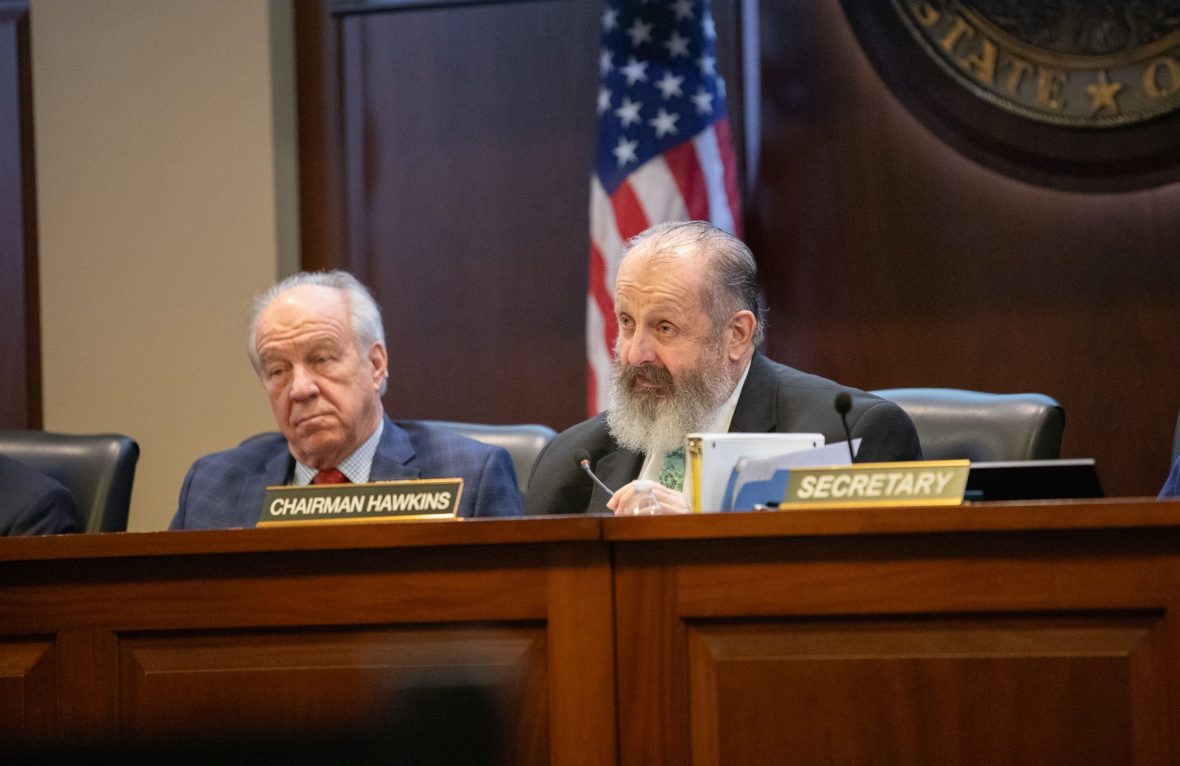
Rep. Dale Hawkins, right, chairs a Jan. 27 House Education Committee hearing. (Sean Dolan/EdNews)

Hawkins, R-Fernwood, said the amendment “brings parents’ rights to the forefront of educating their children.”

The wording of the amendment is unchanged from Hawkins’ 2025 proposal, which states that the “right of the people to educate their children without government regulation outside of the public schools of the state shall not be infringed.”

House Education introduced the amendment, a first step toward a full public hearing.

Constitutional amendments face an arduous path to passage. They must clear both houses of the Legislature by two-thirds majorities and then go before voters for ratification.

Hawkins’ amendment received 46 yes votes on the House floor last year — falling just one vote short of the threshold to clear the 70-member body.

The House Education Committee had a busy day Wednesday, altogether introducing five new proposals. Here are the other three bills, at a glance:

Binding state funds for public schools. Rep. Kyle Harris, R-Lewiston, reintroduced a stalled proposal from last year that would tighten restrictions on how public schools spend state funds. Appropriations “intended for a certain purpose” can only be used “for such purpose,” the bill says. Failure to comply with “binding allocations” would result in penalties.

Professional Standards Commission. Rep. Heather Scott, R-Blanchard, introduced a bill requiring that the Professional Standards Commission report to law enforcement allegations of “behavior that may be criminal” in ethics complaints against teachers and administrators.

Public school facilities expenses. Rep. Soñia Galaviz, D-Boise, introduced a bill that would allow school districts to use facilities funds from 2023’s House Bill 292 on lease-purchase agreements. This would be an eligible expense after the district pays off existing bonds and levies. 

Public buildings bathroom bill heads to House

Despite bipartisan opposition, a bill regulating bathrooms in public buildings is headed to the House floor.

House Bill 607 would require all government agencies to provide separate restrooms and changing facilities on “the basis of biological sex.”

This bill would cover public libraries and a host of other buildings, such as state offices, recreational facilities and highway rest areas. Previous state laws already cover public schools and state colleges and universities, said Blaine Conzatti, president of the Idaho Family Policy Center, a conservative lobbying group that wrote the bill.

This year’s bill also covers “places of public accommodation,” such as businesses or entertainment and recreation facilities open to the public. Owners of such businesses would be required to “take reasonable steps to ensure that the privacy and safety of an individual is protected from members of the other sex.”

The House State Affairs Committee passed HB 607 on a 9-5 vote after some opponents said the bill placed an undue burden on businesses. The full House could vote on the bill in the next few days.


Click here to follow the original article.

Neighbors rally to protect peacocks and turkeys on Salt Lake City’s west side

CNN Newsource

Originally Published: 11 FEB 26 14:42 ET

By Scott McKane

Click here for updates on this story

    SALT LAKE CITY (KSTU) — There are wild turkeys and peacocks now living in a couple of Salt Lake City neighborhoods.

Sadly, one of the turkeys was recently hit by a car and killed.

But neighbors are doing what they can, trying to protect their feathered friends. We found one of the wild turkeys that have been spotted recently in Rose Park.

Meanwhile, pictures and videos of them are popping up on social media.

And in Poplar Grove, there’s an entire street filled with peacocks. Neighbors have actually worked with city officials to protect their peacock population.

WATCH: Peacocks, tiny homes and the ‘hobbitville’ lore: Inside Salt Lake’s hidden park

Amy Larsen says the big birds are a big reason why she decided to move into her current Poplar Grove home. She says she’s been a peacock protector ever since.

“When I first got here in 2008, saw the peacocks and went, ‘That’s cool, where do you see that?’”

The peacock population has now grown to about two dozen.

Larsen says she and many of her neighbors have joined forces to try to keep them safe.

“We have a lot of really cool people here who love wildlife and want to help take care of them and keep an eye out for them,” she said.

There are signs throughout the neighborhood, and also a QR code to learn more about them and to contribute if you’d like to help.

“We just kind of work together to keep an eye out for them,” Larsen said. “The city has been great — they got us those signs, and that’s helped to keep people to slow down a little bit.”

Meanwhile, a little farther north in Rose Park, several wild turkeys have made themselves right at home.

Lindsey Musser says she and her daughter really like them.

“I think they’re cool because they just roam around. And you can be like, ‘Hey, look, there goes those turkeys!'” Musser said. “She’s always yelling at me in the car: ‘Mom, look at the turkeys over there!’”

Musser and others have been taking pictures of the turkeys and putting them on social media.

“I got pictures of them jumping onto the carport, then from the carport, jumping onto the tree and then to our house. That was pretty awesome!“ she said.

There’s another picture where some of the wild turkeys are escorting a local postal carrier on their route.

But recently, one turkey was hit by a vehicle and killed near 500 North and 1300 West.

Musser is now exploring the possibility of reaching out to city officials to see if they — like Poplar’s “peacock protectors” — can also get caution signs for the turkeys. She says it’s probably time.

“I think it would be a good smart idea,” she said, “Just to slow down and to watch when they’re there.”

Please note: This story was provided to CNN Wire by an affiliate and does not contain original CNN reporting. This content carries a strict local market embargo. If you share the same market as the contributor of this article, you may not use it on any platform.

The-CNN-Wire™ & © 2026 Cable News Network, Inc., a Warner Bros. Discovery Company. All rights reserved.

Click here to follow the original article.

AG Labrador announces new settlements in generic drug price-fixing case

News Release

The following is a news release from the Idaho Attorney General’s Office:

BOISE, Idaho — On February 2, 2026, Attorney General Labrador joined a coalition of 48 states and territories announcing settlements with Lannett Company, Inc. (“Lannett”) and Bausch Health US, LLC and Bausch Health Americas, Inc. (“Bausch”), totaling $17.85 million. These settlements resolve allegations that both companies engaged in widespread, long-running conspiracies to artificially inflate and manipulate prices, reduce competition, and unreasonably restrain trade for numerous generic prescription drugs. As part of their settlement agreements, both companies have agreed to cooperate in the ongoing multistate litigations against 30 corporate defendants and 25 individual executives. Both companies have further agreed to a series of internal reforms to ensure fair competition and compliance with antitrust laws.

The Lannett and Bausch settlements follow prior settlements with Apotex and Heritage, which totaled $49.1 million.

These settlements come as the States prepare for the first trial of the States’ generic drug price-fixing cases, which will be held in Connecticut and is anticipated to be scheduled in late 2026.

“These drug companies conspired to rig prices and eliminate competition, forcing Idaho families to pay artificially inflated costs for necessary medications,” said Attorney General Labrador. “Through settlements so far, we’ve secured significant money for consumers, and we continue to pursue many more corporate defendants who participated in this scheme. Any Idahoan who paid for these generic drugs deserves to file a claim and get some money back.”

Idahoans who purchased a generic prescription drug listed here between May 2009 and December 2019 may be eligible for compensation. To determine your eligibility, call 1-866-290-0182 (Toll-Free), email info@AGGenericDrugs.com, or visit www.AGGenericDrugs.com.

Idaho is one of only two states in the multistate coalition that also secured restitution for businesses impacted by the price-fixing conspiracies. Businesses in Idaho that indirectly purchased (i.e., purchased the drug from someone other than the manufacturer), paid for, and/or provided reimbursement for some or all of the purchase price for one of more of the generic prescription drugs listed here between May 2009 and December 2019 may be eligible for compensation. For more information, visit https://www.aggenericdrugs.com/English/CorporateEntities.

Case Background

The attorneys general have partnered on three lawsuits against generic drug manufacturers. These cases stem from a series of investigations built on evidence from several cooperating witnesses, a massive document database of over 20 million documents, and a phone records database containing millions of call records and contact information for over 600 sales and pricing individuals in the generic drug industry. Each complaint addresses a different set of drugs and defendants and lays out an interconnected web of industry executives where these competitors met with and communicated frequently with each other. The complaints also describe how the defendants used terms like “fair share,” “playing nice in the sandbox,” and “responsible competitor” to describe how they unlawfully discouraged competition, raised prices, and enforced an ingrained culture of collusion.

Click here to follow the original article.

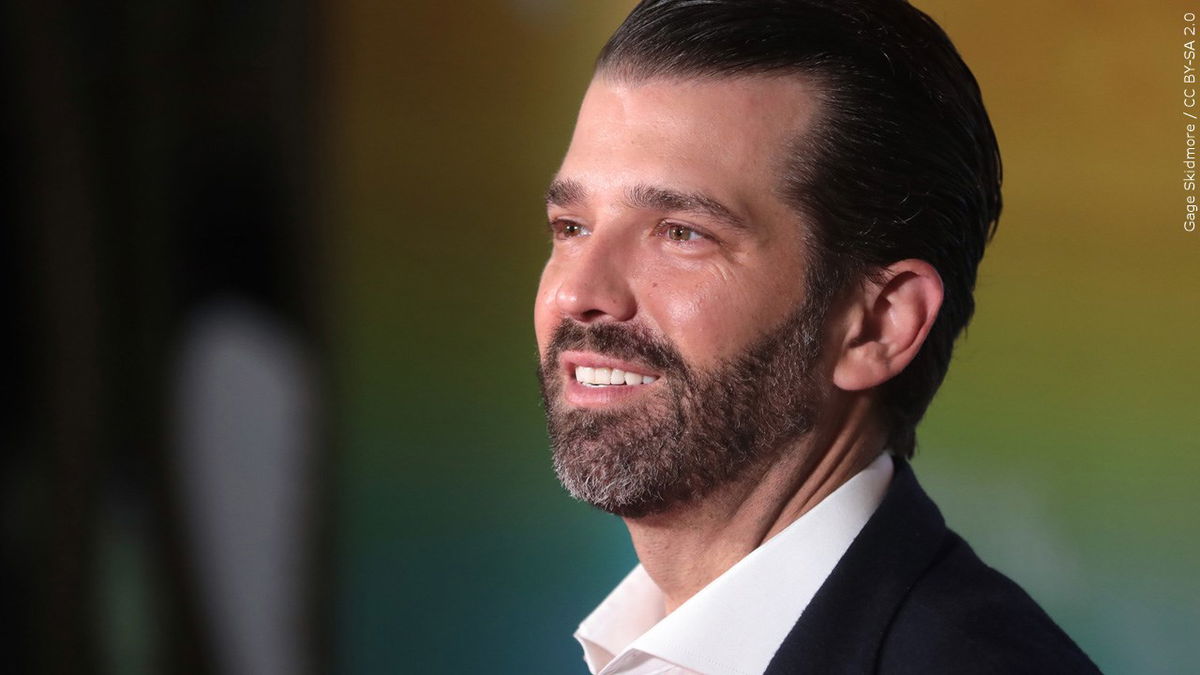
Donald Trump Jr. coming to Boise Centre for IMC’s America 250 event

Seth Ratliff

BOISE, Idaho (KIFI) — The Idaho Majority Club (IMC), a Meridian-based conservative political action committee, has announced that Donald Trump Jr. will headline the upcoming IMC America 250 dinner in the state’s capital.

The event is set to take place on February 23, 2026, at the Boise Centre. Doors are scheduled to open at 6:00 p.m. for an evening centered on the upcoming “America 250” milestone.

For more information, click HERE.

Click here to follow the original article.

Multi-Semi Crash Shuts Down US-26 Near Palisades Reservoir

Par Kermani

UPDATE:

IDAHO FALLS, Idaho (KIFI) — Idaho State Captain Chris Weadick reported that slick and ice-covered roadways were the cause of the delays.

Officials noted that while some roads may not appear heavily covered in snow, a layer of ice is creating hazardous driving environments.

“We haven’t had snow-covered roadways for many weeks, and it can kind of catch the drivers off guard because they’re wanting to drive as if it’s summertime conditions.” said Weadick

To ensure public safety, the Idaho State Police recommend the following tips for winter driving:

Reduce Speed: Drivers should slow down significantly to account for decreased traction.

Increase Following Distance: Motorists are advised to open up the space between their vehicle and the one in front of them to allow for longer braking times.

Wear Seatbelts: Police emphasize that seatbelts remain a primary defense in the event of a slide-off or collision.

Drive for Conditions: Be aware that “black ice” or light dustings of snow can be just as dangerous as heavy accumulation.

UPDATE:

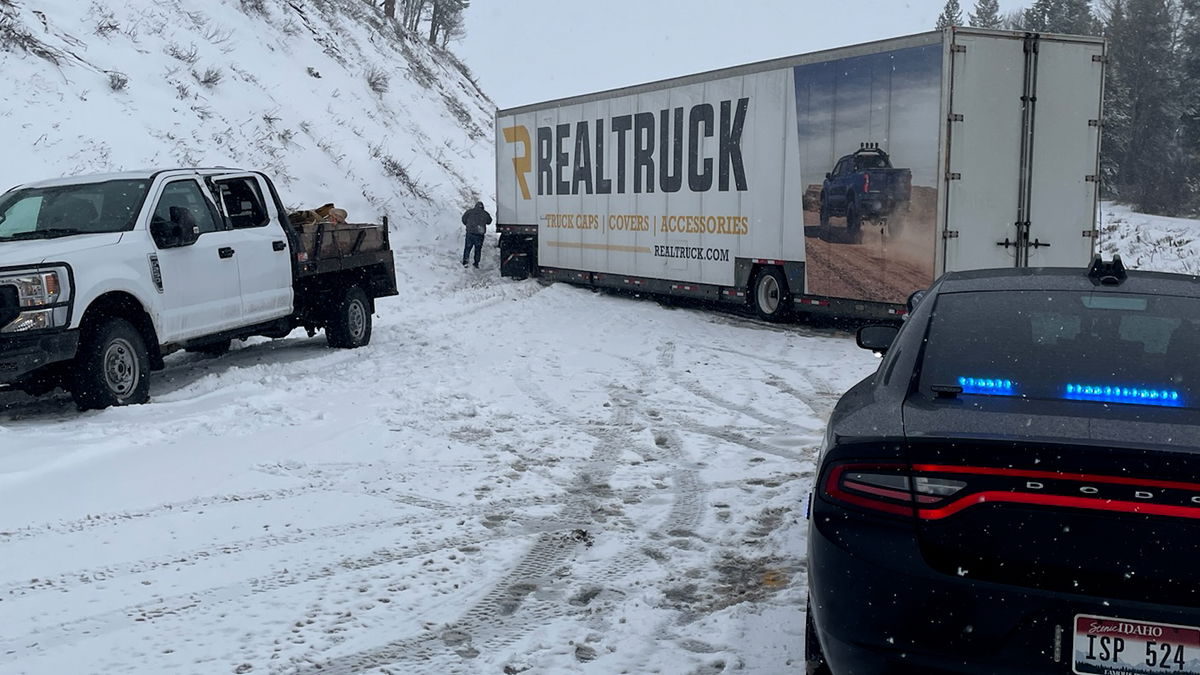
PALISADES, Idaho (KIFI) — A crash involving two semi-trucks has paralyzed traffic on US-26 near the Palisades Reservoir today. While the accident caused significant delays, ISP has confirmed that no one was injured in the crash.

Courtesy Idaho State Police

According to Idaho State Police Captain Chris Weadick, the crash took place at mile marker 398 around 11:08 AM on Wednesday. Despite the size of the vehicles involved, the impact resulted only in minor property damage.

Captain Weadick reports that crews with ITD have chained up the first of the two semis to remove it. The highway remains at a standstill as crews work to clear the wreckage. First responders are directing travelers to use alternate routes and drive with caution.

ORIGINAL:

PALISADES, Idaho (KIFI) — A crash involving multiple semi-trucks has brought traffic along US-26 near the Palisades Reservoir to a screeching halt. According to the Idaho Transportation Department, the crash occurred at mile marker 398 blocking all lanes of travel.

First responders are directing travelers to use alternate routes and drive with caution. Its not clear at this time how many vehicles were involved or any potential injuries.

This is a developing story. Local News 8 will provide an update as more information becomes available.

Click here to follow the original article.

Overturned semi between Alpine and Jackson; First Responders on scene

News Team

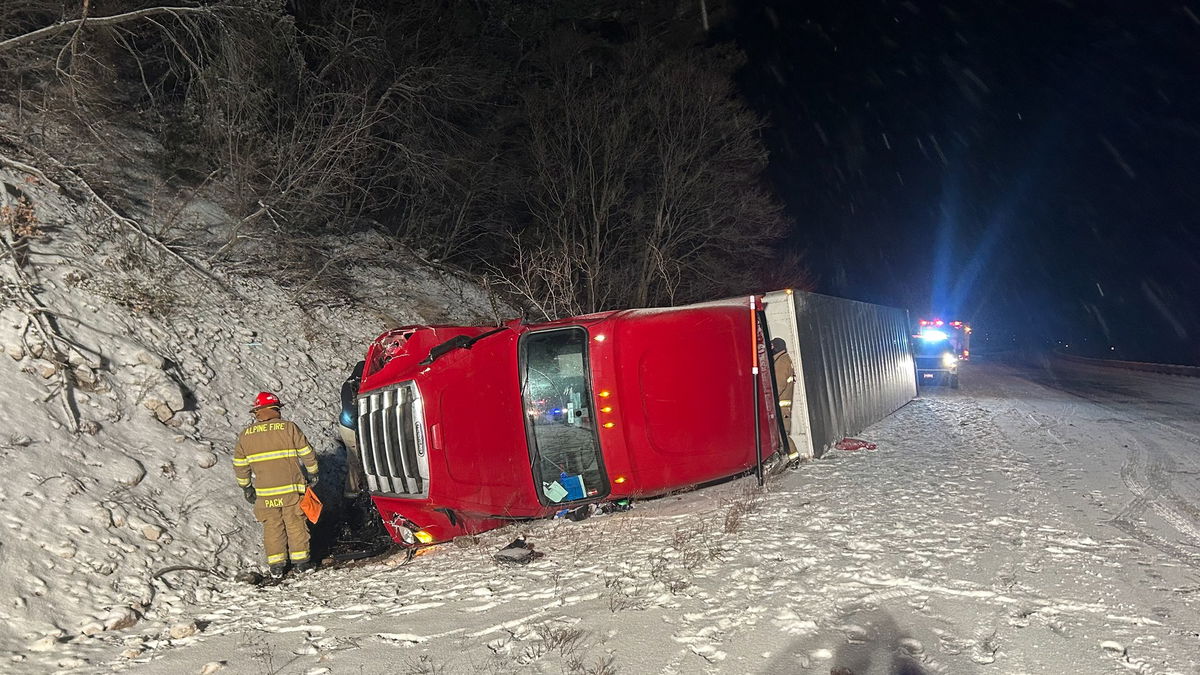
TETON COUNTY, Wyo. (KIFI) — First responders are on the scene of an overturned semi along US-89/26 from Alpine to Jackson, Wyoming.

The Alpine Wyoming Fire Department responded to the crash sometime before 6:30 AM on Wednesday.

While the road remains open, the Teton County Sheriff’s Office is directing drivers to slow down and move over for first responders at work.

Click here to follow the original article.

Idaho Earns Failing Grade for Cell Phone Use in Schools

Megan Lavin

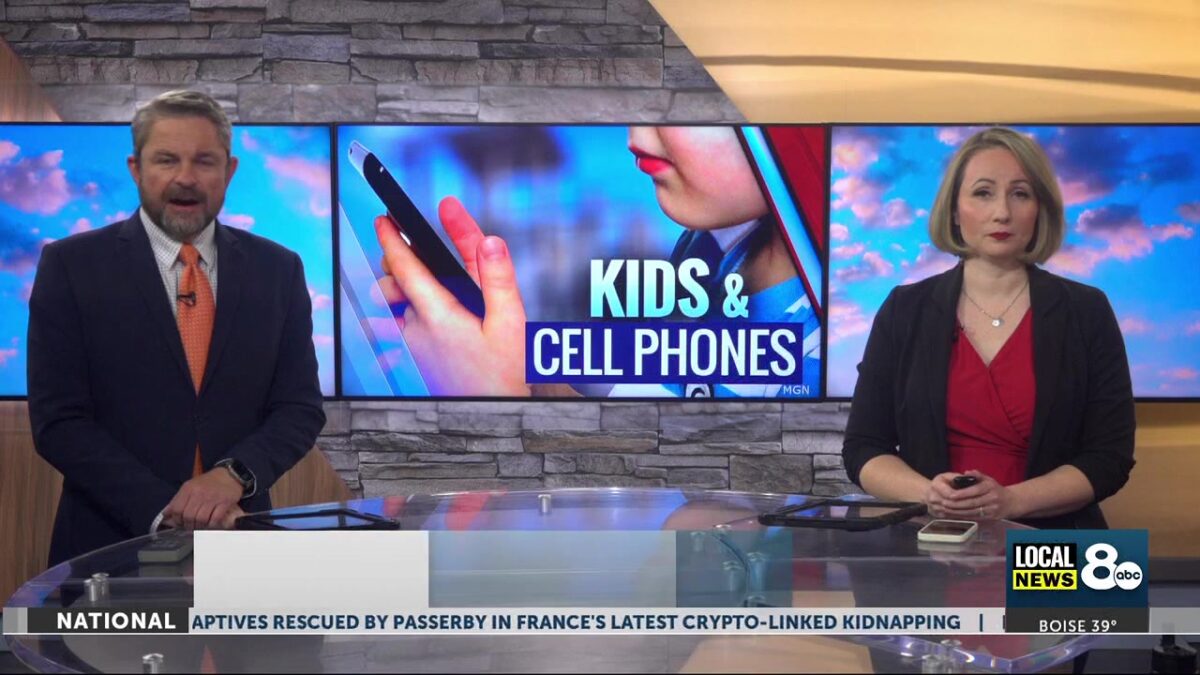
IDAHO FALLS, Idaho (KIFI) — Idaho recently received a D grade for its policies on cell phone use in schools from a coalition that includes the Becca Schmill Foundation, Institute for Families & Technology, Smartphone Free Childhood United States, and The Anxious Generation.

So, Local News 8 anchor Megan Lavin spoke with administrators, teachers, and students in District 91 about what’s working — and what still needs improvement.

District Leaders Say the Policy Is Working Locally

District 91 Superintendent Karla La’Orange says the grade came as a surprise, especially after recent state action.

“I was surprised because last year the legislature passed a bill that required all [Idaho] schools to limit cell phone access and use during instructional hours.”

Despite the statewide grade, La’Orange says she’s seen clear benefits since phones were restricted.

“We have more students checking books out of the library and reading, which I always think is a good thing.”

“Teachers have reported that students are more focused during class, and they’ve also reported students are talking to each other more and that they’re interacting socially.”

La’Orange says part of the challenge is that the grade reflects the entire state.

“The grade is for the entire state. So I think what we want to do is in our district, exceed that grade and know that we’re implementing it at a higher level.”

Inside Skyline High School: Early Challenges, Positive Results

Skyline High School Principal Josh Newell says the first year of the phone restriction came with growing pains.

“All in all, it’s been great. Honestly, you know, it was rough at first. Kids to make adjustments like that sometimes is really hard.”

Still, he says the impact in classrooms has been overwhelmingly positive.

“Many of our teachers have reported, you know, a much higher level of engagement within classes. And, you know, that engagement piece is huge.”

At Skyline, phones are still allowed before school, during lunch, and after school–which is a big part of why Idaho scored lower, since the coalition recommends the phones be away from bell to bell.

Newell believes the change may even be affecting academic performance.

“We’ve had some uptick in our ISAT scores. And, you know, we’re hoping that that’s going to keep going up.”

Students Say Enforcement Isn’t Always Consistent

Skyline student Emily Orchard says this is her first year with cell phone rules — and she’s noticed both progress and loopholes.

“A bit of both. People are definitely getting smarter at hiding it… But I have also seen so many kids that… set it in their backpack and leave it in their backpack.”

She says enforcement can vary from classroom to classroom.

“I’ve seen some teachers give a warning five, six times before they finally take the phone… teachers are definitely enforcing it. But depending on what class it is, and depending on the student will depend on if they actually enforce the rule.”

Teachers Say the Benefits Outweigh the Work

Drama teacher Sue Parrett says most students have adjusted over time.

“I believe at the beginning of the year, we were taking a lot more phones away than we are currently, as students have become, you know, as they have adjusted to the policy.”

She says the policy has reduced distractions and social conflict.

“There is less social drama… You also had problems of just sitting and scrolling instead of doing their work when they had access to their phones. So I feel like the benefits far outweigh any sort of enforcement that it takes with any school policy.”

Parrett says consistency across staff is critical.

“100% buy in from the faculty is important in order to enforce that.”

Coalition Recommendations

Lina Nealon, Director of Strategic Partnerships and Report Card Project Lead from the Institute for Families and Technology, recommends: “Today, Idaho’s current law simply requires that schools have a policy in place, but does not offer any additional guidance or information about what those policies must include. The result is wide variations in the types of policies implemented throughout the state, leading to inconsistent and inequitable student outcomes.”

The coalition gave state grades by “calculating and reviewing each state’s phone-free schools law or executive order passed in 2024 or 2025 against the six criteria outlined in the Model Bill. Point values were assigned to each criterion based on how imperative that criterion is to supporting the best possible outcomes. More information on the grading is available at phonefreeschoolsreport.org.

The coalition recommends “states can improve their grade by enacting a phone-free schools law or executive order that more closely aligns with the criteria in the Model Bill—especially by adopting bell-to-bell policies with secure, inaccessible storage.”

Looking Ahead

La’Orange says the failing grade serves as an important reminder to keep evaluating the policy and listening to feedback from the school community.

“This interview made me realize it’s time to pull students back together and talk to them and find out what’s working and what’s not, and see what we can do to strengthen that, but also from our teachers and parents perspectives too. I think those are conversations we need to have so we can continue to grow and make sure that we’re helping our students limit their cell phone use for their own mental health and well-being.”

And if you’d like to see Idaho’s report card for yourself, you can see it in full here.

Click here to follow the original article.

Across-the-board cuts or ‘a chainsaw to the budget?’: Idaho budget committee implements one and two percent cuts

David Pace

BOISE, Idaho (KIFI) – Budget cuts are the talk of the town in Boise, but what lawmakers decide touches every corner of the state.

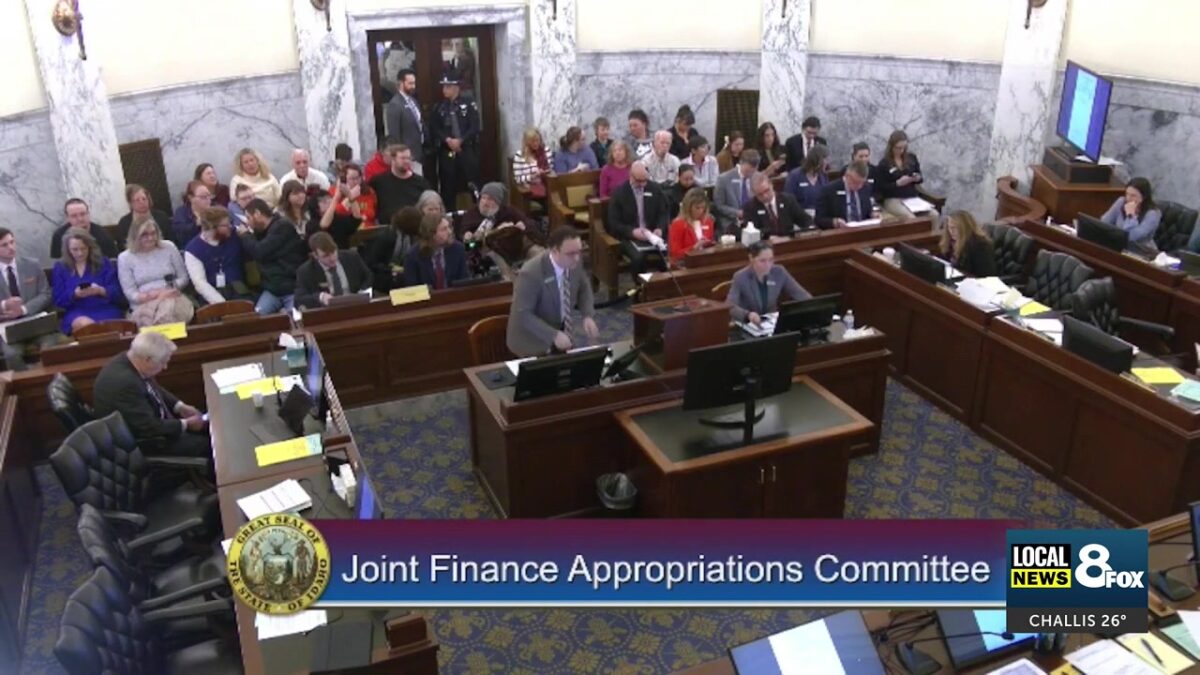
On Friday, the Joint Finance-Appropriations Committee (JFAC), Idaho’s budget-setting committee, ordered one percent cuts for Fiscal Year 2026 and two percent cuts the following year.

This is in addition to the three percent cuts ordered by Governor Little in August 2025.

K-12 schools, the Division of Medicaid, Idaho State Police, Idaho Department of Health and Welfare and Idaho Department of Corrections are spared from these further cuts, according to the Idaho Legislative Services Office.

Local News 8 spoke with elected officials in Boise about the impact of these additional cuts.

“Some agencies are a lot more operations verses personnel,” said Idaho Controller Brandon Woolf. “Those that have a heavy personnel budget, it’s going to be harder. They’re going to have layoffs. There’s going to be furloughs or positions vacant for part-time. So it’s hitting each agency a little bit different, and that’s the key thing to watch.

But JFAC Committee member Sen. Kevin Cook, R-Idaho Falls, argued that near across-the-board cuts target muscle and bone, not fat in state government.

“We started looking at ways to make some cuts – not cuts that hurt people, not cuts that will come back in two to four months and cost the state millions of dollars at our jails, and our hospitals, and our emergency centers and all of that,” said Senator Kevin Cook, R-Idaho Falls. “Those aren’t real cuts. Those are transfers. I wanted cuts that were real cuts.”

In Friday’s JFAC hearing, Cook referred to the committee’s across-the-board cuts, saying, “That approach is not precision. It is taking a chainsaw to a budget.” 

However, JFAC Co-Chairman Senator C. Scott Grow, R-Eagle, disagreed, stating, “This does not in any way prevent the work you’ve been doing to come to fruition. All this is doing is saying, ‘Look, there is a certain level of cuts that would be appropriate at this point in time.’”  

In the end, the committee voted 14-6 and 13-7 to adopt the one and two percent cuts across the majority of state agencies.

We’ll continue to watch the Legislature’s actions and their ramifications throughout this year.

“Obviously, it’s a heavy lift for the legislators from JFAC to be able to help identify – is it based just across the top?” said Woolf. “Are they going to make winners and losers?  Are they holding education harmless or this one or Medicaid? Those are the big ones (decisions).”

Click here to follow the original article.

Bill to void local LGBTQ protections sparks fight over local control in Idaho

Par Kermani

UPDATE

POCATELLO, Idaho — Pocatello Mayor Mark Dahlquist and the ACLU of Idaho are raising serious concerns about the bill.

In a statement to Local News 8, Pocatello Mayor Dahlquist wrote in part “Regarding House Bill 557, Pocatello’s non-discrimination ordinance was adopted by the City Council in 2013 and reaffirmed by voters when a citizen-led repeal effort failed in 2014. Since that time, there have been no further challenges to the ordinance, indicating that it reflects the will of the community. The State Legislature should not pre-empt decisions that have been clearly made by local citizens.”

The ACLU of Idaho wrote:

“The ACLU of Idaho opposes House Bill 557 because it represents sweeping state overreach that would eliminate longstanding local nondiscrimination ordinances (NDO), create significant legal and financial risks for cities, and leave many Idaho families without meaningful recourse when facing anti-LGBTQ+ discrimination.- Idaho can respect religious liberty, uphold constitutional principles, and maintain local control without dismantling protections that communities have thoughtfully adopted.”

POCATELLO, Idaho — A bill moving through the Idaho Legislature would wipe out local LGBTQ anti-discrimination protections in cities across the state. While supporters argue the bill protects religious freedom and creates a uniform business environment, critics warn that it “opens the door for discrimination” and betrays the state’s supposed commitment to local control.

A Challenge to Local Autonomy

House Bill 557 would negate local ordinances in 14 cities and two counties that currently bar discrimination in housing and employment based on sexual orientation and gender identity. Those protections include cities such as Pocatello and Idaho Falls.

Sen. James Ruchti, D-Pocatello, said he opposes the bill and plans to speak against it when it comes before the Senate State Affairs Committee, where he is the lone Democrat.

“This bill confuses me and surprises me in a lot of ways,” Ruchti said. “Its intention seems to be to protect individuals and businesses who want to discriminate, so that they can discriminate against others. And I don’t get that.”

Ruchti said the measure contradicts the Legislature’s own stated support for local control. He pointed to a Senate concurrent resolution passed last year that praised local governments and urged the state to let communities make decisions based on their own needs.

“Out of one side of your mouth, the Idaho Senate can say local governments are important, and we should let them determine what’s best for their communities,” he said. “And then out of the other side say, ‘except in situations we don’t agree with you on.’ That’s not how this should work.”

If HB 557 becomes law, existing local ordinances would become unenforceable, leaving state law as the only standard. Ruchti said that would send a clear and harmful message to LGBTQ residents.

“It sends the message to our communities that they are open for discrimination against a class of people that live there,” he said. “It allows discrimination in housing and employment. These 14 communities have come together and made a conscious decision to say, we don’t want discrimination. It’s gone well for the last 12 years, so there’s no reason to change it.”

Pocatello’s non-discrimination ordinance was adopted in 2013 after a heated local debate. Opponents forced a referendum to try to repeal it, but voters narrowly chose to keep the law. Ruchti co-chaired the campaign to defend the ordinance.

“The community came out to support the ordinance, to make sure we kept it,” he said. “We were able to win when we had the election, and it was a community effort.”

The Case for Religious Freedom

Supporters of HB 557 argue that a patchwork of local rules creates confusion and hurts economic growth by making it harder for businesses to operate uniformly across the state. Ruchti rejects that claim, pointing to Idaho’s strong economy in recent years.

“There’s no evidence that these ordinances have hampered our economic growth,” he said. “Idaho’s economy is vibrant, and I think part of that is because people don’t have to worry about being discriminated against when they look for a job or a place to live.”

Supporters of HB 557 say the issue is about protecting religious freedom and ending what they see as unfair legal exposure for people of faith.

Blaine Conzatti, president of the Idaho Family Policy Center, said most Idahoans want the Legislature to act.

“More than 71% of likely Idaho voters want this legislation, and it’s not hard to understand why,” Conzatti said in a written statement. “SOGI ordinances are frequently weaponized against people of faith, who are often forced by law to participate in same-sex weddings, pride festivals, and other LGBT activities that violate their convictions.”

In Idaho Falls, violations of the local ordinance can bring a $100 fine for a proven discriminatory violation and up to $1,000 for repeated violations. The city in 2020 repealed an earlier misdemeanor penalty that allowed for up to six months in jail.

Conzatti said other Idaho cities still attach potential jail time to their ordinances and pointed to the example of Don and Evelyn Knapp, a Christian couple in Coeur d’Alene who said they were threatened with enforcement action under that city’s law if they refused to perform same-sex ceremonies at their family-owned wedding venue.

“No small business owner should ever have to choose between living out their faith or going to jail (or paying a fine),” Conzatti said. “Religious freedom – including the ability to run our businesses according to the dictates of our conscience – is a fundamental right.”

The Path Forward: The Committee Battleground

Ruchti said communities like Pocatello tend to value practical governance over party labels, focusing on basic services and everyday concerns.

“People are just very practical,” he said. “They want their government officials to make their lives easier: make sure we can get a good education, make sure we can go to work, make sure we’ve got a place to live — then get out of the way and let us do our thing. In my opinion, House Bill 557 works against that principle.”

The bill has already passed the House and is expected to be taken up by the Senate State Affairs Committee in the coming weeks. Ruchti said the committee is likely the key battleground.

“If it makes it to the Senate floor, it’s passing,” he said. “Our best opportunity is at the committee level to kill it.”

“Sometimes I debate, and my debate is not successful in changing anybody’s mind,” he said. “But I’m going to believe that it’s possible.”

Click here to follow the original article.

National Guard officer behind religious discrimination lawsuit challenges Sen. Jim Guthrie

Sean Dolan

Originally posted on IdahoEdNews.org on February 10, 2026

by Sean Dolan:

An Idaho Army National Guard officer who claims he faced religious discrimination for his opposition to a Pocatello drag queen story hour announced he is running for Idaho Senate against Sen. Jim Guthrie.

David Worley, a Republican, writes on his campaign website that he believes the government should protect children and not normalize “radical sexual ideology” that undermines family life. He commits to protecting parental rights in education.

“Our schools, libraries, and public institutions should be places that reinforce what is good, true, and beautiful, not places where innocence is targeted and boundaries are erased,” Worley wrote.

He is challenging Guthrie, R-McCammon, in the May 19 primary in District 28. Guthrie voted against House Bill 93 last year, which created the $50 million Idaho Parental Choice Tax Credit.

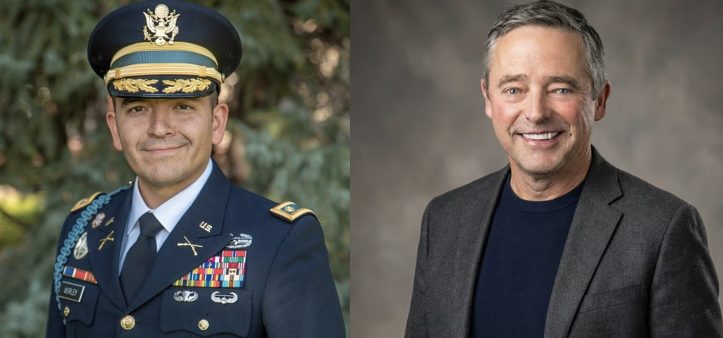
David Worley and Sen. Jim Guthrie (Photos courtesy of their campaign websites)

At a Save Our Schools event last summer in American Falls, Guthrie said the tax credits are “contrary to the Constitution.”

“I don’t think there’s any doubt about that,” said Guthrie, a rancher and business owner.

As of Tuesday, Worley’s campaign has raised $3,000 to Guthrie’s $24,825.

Worley in 2022 ran for Idaho Senate in District 29. He lost the general election to Sen. James Ruchti, D-Pocatello, by an 8-point margin.

Federal lawsuit

Worley, in January 2025, filed a federal district court lawsuit against three defendants in their capacities with the Idaho National Guard:

Gov. Brad Little, commander-in-chief of the Idaho National Guard

Maj. Gen. Timothy Donnellan

Brig. Gen. James Packwood

Worley, a major in the Army National Guard, claims he faced discrimination, retaliation and punishment for exercising his First Amendment right to “exercise his sincerely held religious beliefs.”

According to court documents, a guardsman under Worley’s command filed a hostile work environment complaint against him. The guardsman, who identified as homosexual, wrote in the complaint that he felt Worley had discriminated against him due to his sexual orientation. He then Googled Worley’s name and found press reports showing Worley’s opposition to a drag queen story hour and his involvement with the “extremist/hate group” MassResistance.

The officer who investigated the guardsman’s complaint substantiated the hostile work environment claim and recommended Worley’s permanent removal from command.

The Idaho State Journal reported in February 2023 that Worley and local church members staged a peaceful sit-in during a “Reading Time with the Queens” event at the Marshall Public Library in Pocatello.

The Journal reported that some usual attendees of the event — parents and young children — were turned away because the church members filled the room up to its maximum capacity of 40 people.

The sit-in event was to “protect children from being exposed to sexual deviancy,” Worley said, according to the Idaho State Journal.

Worley has served over 22 years in the Army National Guard. The complaint against him led to “the derailment of his career,” according to the lawsuit. 

Worley’s attorneys wrote in court documents that he believes a failure to speak out against things he knows are wrong would result in the “eternal condemnation of his soul.”

The lawsuit asks the U.S. District Court of Idaho to require the defendants to cease all investigations and restore Worley to his position. The last filing in the case was in September.

Daniel Schmid, a lawyer with Florida-based Liberty Counsel representing Worley, told EdNews on Tuesday that they are waiting on the judge to take action in the case.

“I’ve never seen a judge sit on a temporary restraining order for over a year,” Schmid said.

According to its website, Liberty Counsel is “a Christian ministry that proclaims, advocates, supports, advances, and defends the good news that God in the person of Jesus Christ paid the penalty for our sins and offers forgiveness and eternal life to all who accept him as Lord and Savior.”

Click here to follow the original article.