Trump lands first major legislative win after Congress passes his massive domestic policy bill

CNN Newsource

By Sarah Ferris, CNN

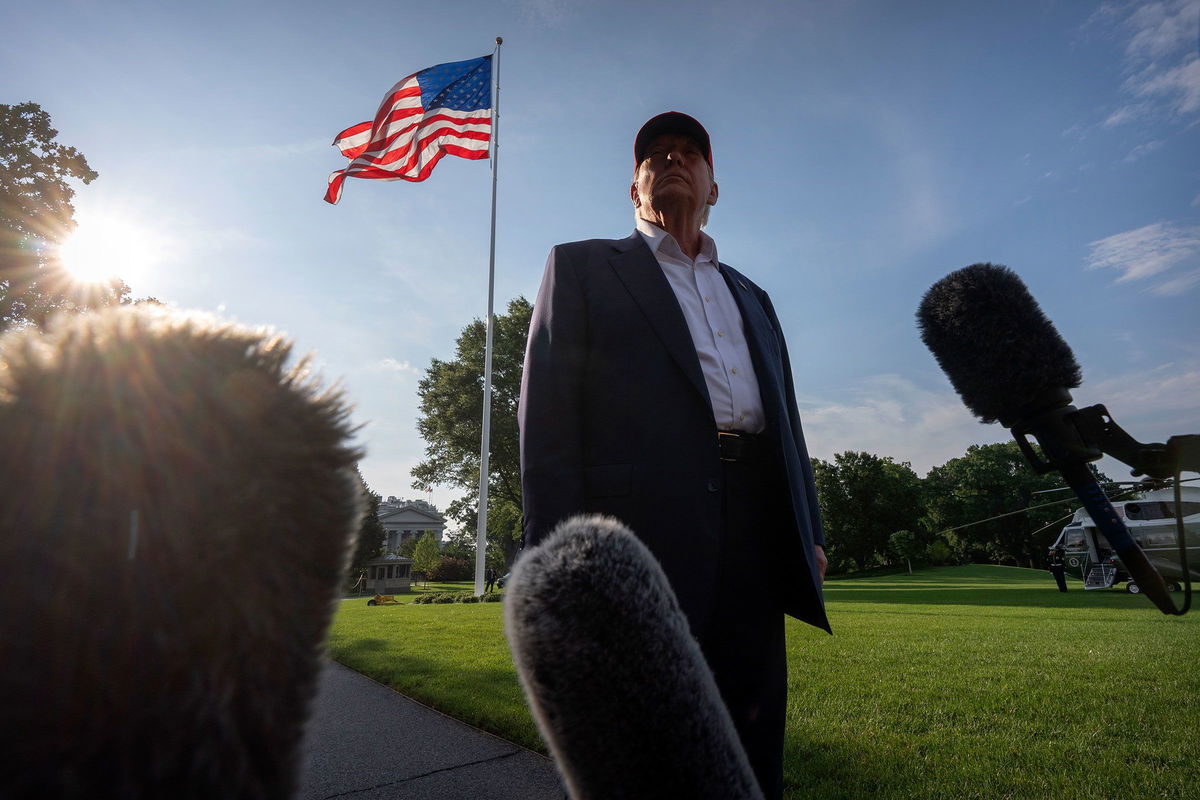
(CNN) — Republican lawmakers have handed President Donald Trump the first major legislative achievement of his second term, following a fierce arm-twisting campaign by GOP leaders to unite a deeply divided party behind his sweeping domestic agenda.

House Republicans voted Thursday afternoon to approve Trump’s massive package of tax and federal spending cuts and funding boosts for the Pentagon and border security, clearing the bill to be sent to the White House for his signature. The Senate passed the bill earlier in the week.

The landmark victory for Republicans comes just six months into Trump’s second administration – a rapid timeline that appeared in question up until the final vote. The president and his Capitol Hill allies ratcheted up pressure on party holdouts in recent days, arguing the package will help cement Trump’s legacy on issues like immigration and tax policy – including making key campaign promises reality – while attempting to rein in spending with historic cuts to federal support for the social safety net.

“Only one man that can seal the deal,” Rep. Anna Paulina Luna said of Trump’s involvement in the final hours of the House’s push to pass the bill.

It’s also a significant win for House Speaker Mike Johnson and Senate Majority Leader John Thune, Congress’ top two Republicans, who are both relatively new to the leadership suites. What members have doubted for weeks will now happen: Trump will be able to sign his “one big, beautiful bill” by the Fourth of July.

With almost no room for error, the two Hill GOP leaders convinced nearly every member of their party to march in line behind Trump. They succeeded despite months of griping by fiscal hawks about exploding the deficit with a $3.3 trillion bill, and separately, concerns from more moderate members about cutting $1 trillion from Medicaid.

Ultimately, they lost two Republican votes on final passage in the House. Reps. Thomas Massie of Kentucky and Brian Fitzpatrick of Pennsylvania voted alongside Democrats against the measure.

The propelling force behind Republicans’ megabill was simple: Trump and his iron grip on the GOP.

The president made sure his package was centered around three of the most popular policies in the Republican party — addressing border security, bolstering the military and giving out tax cuts. It included some of his biggest promises from the campaign trail, including no taxes on tips or overtime pay, a funding boost for the Pentagon and billions of dollars to help fund a nationwide immigration crackdown. On border policy alone, the bill will open new detention facilities, pay for a hiring spree for border officers and fund hundreds more miles of Trump’s so-called border wall from his first term.

Those broadly popular policies helped convince House Republicans who had been highly skeptical of Trump’s bill.

Retiring Rep. Don Bacon of Nebraska, for instance, had warned his party he would not support more than $500 billion in cuts to Medicaid — though the final Senate bill would reduce federal funding to the program by $1 trillion, according to the Congressional Budget Office.

“Do I vote to protect people’s taxes from going up? Do I get our military protected? Do I improve our border security and take something that our hospitals?” Bacon told CNN on Wednesday, adding that he hoped Congress could still prevent some of the health care cuts from going into effect five years from now. “But, you know, I got a choice. What is going to provide more benefit?”

If Republicans blocked the bill, they would have faced the wrath of Trump — and also a painful reality on tax policy. Millions of Americans were set to see a tax hike next year after the GOP’s 2017 law expired, another powerful reason propelling the bill forward.

A rapid timeline for a multi-trillion-dollar bill

The bill is the result of more than a year of grueling behind-the-scenes work by GOP lawmakers and the administration that began even before Trump’s election in November.

Republicans muscled the package through both chambers with only three votes to lose in each.

By historical standards, the GOP-led Congress passed the bill in a remarkably quick fashion. Trump’s tax bill in his first term and President Joe Biden’s signature health care, tax and climate bill each took roughly 18 months of prolonged talks with Congress.

There was plenty of drama along the way. One key Republican, Sen. Thom Tillis, stunned Washington by announcing he would not seek reelection after defying Trump and voting to block his bill on the floor. (Within a day of Trump threatening to primary him, Tillis exited the race altogether.)

Other holdouts – both ultraconservatives and centrist-leaning members – spent weeks criticizing a bill on cable news hits and town halls that they ended up supporting in the end.

Trump and congressional GOP leaders, who had been caught flat-footed largely without a detailed policy agenda when Trump won in 2016, were prepared this time. House Republican leaders began holding “working group” sessions on tax, border and health policy in spring 2024, months before the election.

Democrats plan to devote midterms to Trump bill

House Minority Leader Hakeem Jeffries has made clear that Democrats will make Trump’s agenda the centerpiece of their drive to flip the House next November.

And he made that even clearer on Thursday, just before passage of the bill, when he delivered a record-breaking more than 8-hour speech railing against Trump’s cuts to safety net programs in exchange for what he described as tax cuts for billionaire donors. During his floor speech, Jeffries read from several binders’ worth of attacks on Republicans.

“After project 2025 comes project 2026,” Jeffries declared on the floor.

Democrats plan to hammer how the bill will slash federal dollars for Medicaid, potentially jeopardizing health coverage for 11.8 million people, as well as cuts to the nutritional aid program SNAP.

House Majority Forward, the nonprofit affiliated with House Democratic leadership, is already working on ads hitting vulnerable Republicans for their vote, according to a person familiar with the plans. The ad campaign is expected to target multiple districts, including Reps. Scott Perry in central Pennsylvania, Tom Barrett in southern Michigan and Derrick Van Orden in western Wisconsin.

CNN’s Morgan Rimmer, Aileen Graef, David Wright, Alison Main and Jim Sciutto contributed to this report.

The-CNN-Wire™ & © 2025 Cable News Network, Inc., a Warner Bros. Discovery Company. All rights reserved.
Click here to follow the original article.

Garden Creek Fire 80% contained

News Team

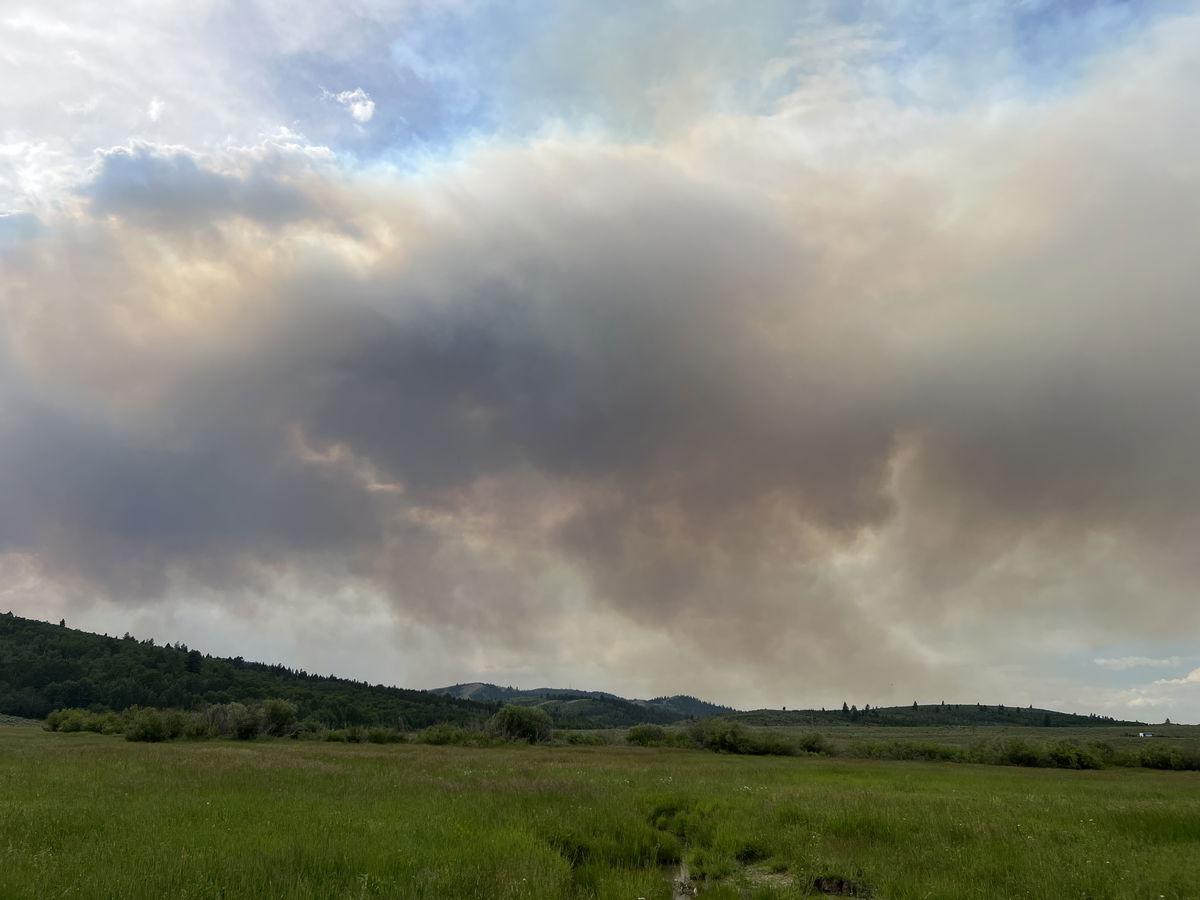
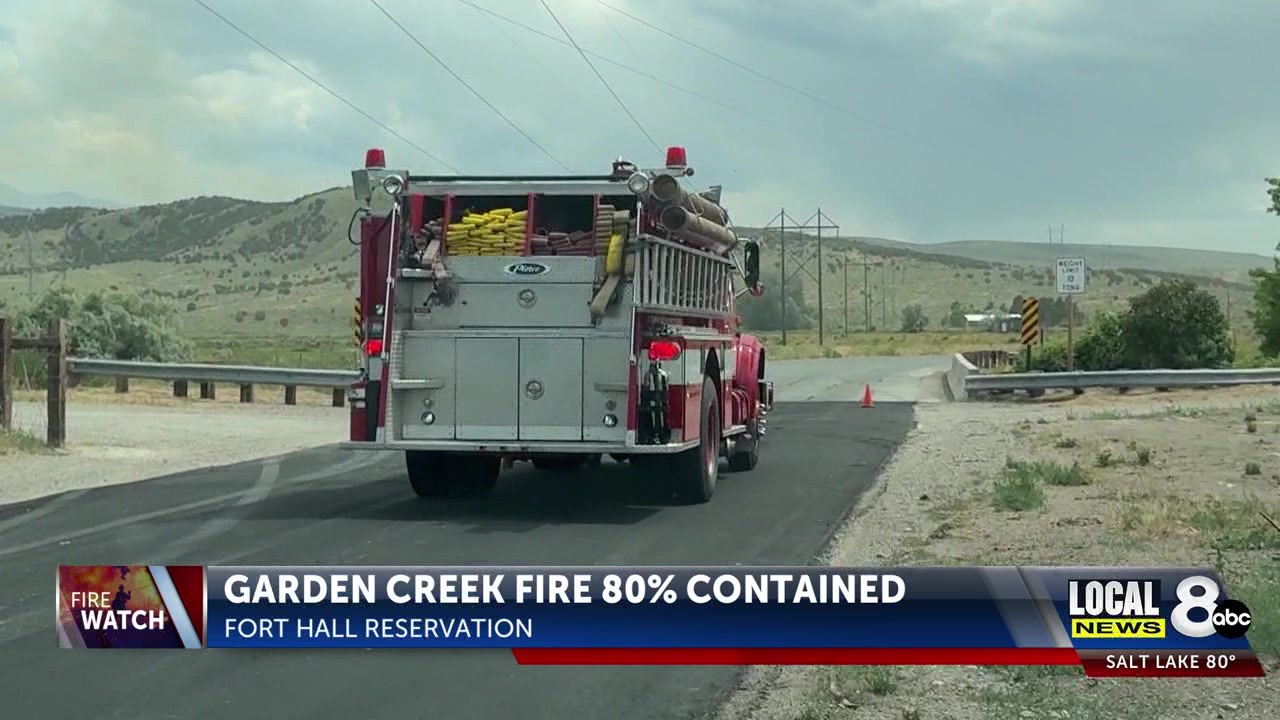
FORT HALL, Idaho (KIFI) — The Garden Creek Fire burning on the Fort Hall Reservation is now 80% contained. As of Thursday, the fire has now burned over 5,400 acres.

The Shoshone-Bannock Tribes say the fire did jump the Blackfoot River, but that the spread has slowed down significantly.

“We will keep the community informed of further developments,” said Incident Commander Eric King in a Facebook update Wednesday night.

The Tribal Office of Emergency Management has extended its sincere thanks to all responding agencies for their continued efforts and coordination in battling the fire.

Click here to follow the original article.

Unpacking Bryan Kohberger’s guilty plea deal to avoid death penalty in Idaho student killings

CNN Newsource

By Emma Tucker, CNN

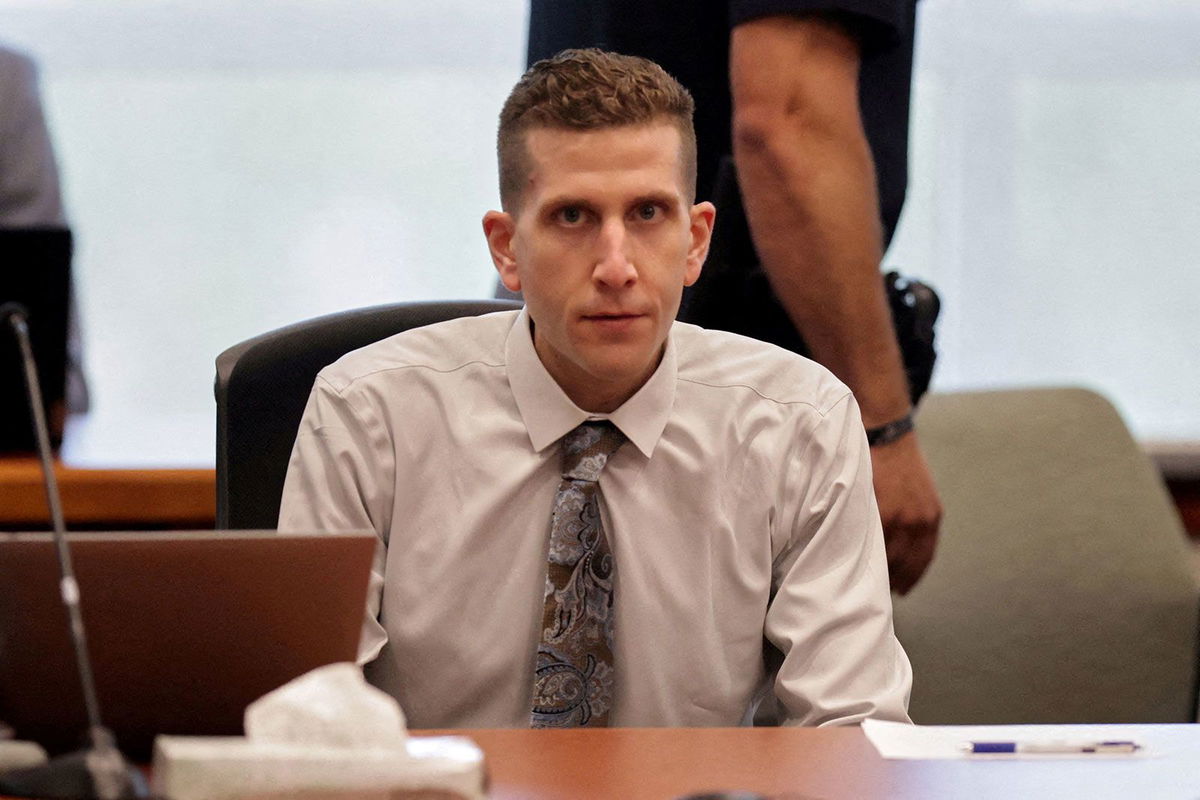
(CNN) — Bryan Kohberger appeared expressionless as a judge asked if he murdered four Idaho college students in their off-campus home, answering “yes” to each name called out in the courtroom Wednesday.

At a change-of-plea hearing before state district Judge Steven Hippler in Boise, Idaho, the courtroom was packed with family members of the victims as Kohberger, a 30-year-old former PhD student of criminology, admitted his guilt to all five counts in the indictment and entered a plea deal that removes the possibility of the death penalty.

Kohberger had been charged with four counts of first-degree murder and one count of burglary in Latah County, Idaho, in the fatal stabbings Ethan Chapin, 20; Kaylee Goncalves, 21; Xana Kernodle, 20; and Madison Mogen, 21, in the early morning hours of November 13, 2022, in their Moscow, Idaho, home.

CNN trial correspondent Jean Casarez has been closely following the investigation and was in the courtroom when Kohberger admitted guilt.

Here she breaks down some of the key pieces of the case and the plea deal:

Some of the questions and answers have been edited for length and clarity.

Q: Why did prosecutors decide to strike a plea deal now, despite strong evidence including DNA, surveillance and cell phone data?

A: I think that’s one of the biggest unanswered questions. We don’t know. Here’s what we do know: Prosecutors hold the key to whether a trial goes forward or whether there is a plea deal. This was a very solid case, and the defense had lost so much – they were not going to be able to present an alibi because they couldn’t establish there was anyone who saw him in another location when the killings took place.

I was talking to a prosecutor who told me this case is the case of a lifetime for a prosecutor. But this trial was going to cost a lot of money. This is Moscow’s case. Latah County would have to pay for it all. The case had been moved to Boise to ensure a fair trial for Kohberger. So, one can only surmise that judicial economy or saving money went into this, right?

Q: What do you think tipped the scales toward avoiding the death penalty for both the defense and prosecution?

A: This was the only bargaining tool. They bargained away the death penalty when he agreed to serve life in prison without any possibility of parole.

In 2003, serial killer Gary Ridgway bargained away the death penalty but there were conditions. He was going to tell authorities where all of the other victims were that he killed and he did that. Here, there are no conditions.

Q: Without a trial, there’s no public adjudication of any motive. How does that impact any closure in this case for the families and the public?

A: One of the issues with several of the families is that this was just too easy, that he was going to be able to sign the dotted line, done deal, then he can live his life forever. They wanted answers. They wanted to know if anybody else knew about it, where the murder weapon came from, why he went to that particular house, why he went up to the third floor. And those questions conceivably will never be answered.

If you look at what the father of Kaylee Goncalves said, he’s very upset because he believes no one is caring about these four young lives that were taken so soon right as they were beginning their adulthood. The family of Madison Mogen spoke outside of court, and they said through their attorney that this could be closure, they can move on and it’s alright. But the father of Xana Kernodle is saying it’s not alright, that they’re not going to ever really know the truth.

Q: What were the reactions and emotions you could sense in the room when he admitted guilt?

A: It was very tense in the courtroom. Very tense but very silent. The media had been told to not show any emotion in the courtroom, and I wonder if the families were told that because they were so intense, they were staring at Kohberger very strongly. They were staring at the judge very strongly, but I did not see actual emotion coming out of them except from Kaylee Goncalves’ aunt. That’s who I heard it was. She had a Kleenex, she was crying so hard, but it was silent – she wasn’t making any audible sounds at all.

When the prosecutor said, “We have still never found the knife, the murder weapon,” I looked at Kohberger. I wanted to see if there was a reaction because there’s one person that knows where that murder weapon is, and it’s him. There was no reaction to that. He didn’t move a muscle in his face.

Kohberger never once looked at the courtroom, looked at the people in the courtroom. He was in a stoic gaze with no emotion whatsoever. It was just like he did this every day.

When he had to take the oath that he would tell the truth, Kohberger jumped up and put his hand up. The judge said, “You don’t have to stand up. I know you’re trying to be respectful to the court, but you don’t have to stand up.”

Q: After Kohberger is sentenced, what happens to the gag order that has kept the parties from speaking publicly?

A: After sentencing, the case is over, so the judge has to lift that gag order because they have a First Amendment right to speak. The gag order was to preserve a fair trial before a jury for Kohberger. Both sides are not requesting a pre-sentencing report, which is normally done before sentencing. Sentencing is going to take place at this point on July 23. The prosecutor said they want to give all family members a chance to speak.

Q: Prosecutor Bill Thompson choked up a couple of times – most notably as he was finishing his recitation of the facts and said the names of the four victims. What did you make of that and was there any significance behind that moment to you, having covered this case from the beginning?

A: I’ve never seen him get emotional in any pretrial hearing. This is the first time, but a prosecutor has empathy for victims because although they represent the people, they indirectly represent the victims. That’s who they care about. Maybe it got to him at that moment, but I’m sure that some of the family members would say, ‘Well, if that emotion is there for those victims as we saw in court, why didn’t you structure the plea deal so he had to provide some answers and tell us why he did this?’

Q: What were the elements of the plea deal that the families of the victims would have liked to see or leave out?

A: Steve Goncalves said he wanted more facts. Not only answers to why the killings happened, but did anybody know about it or help? What happened with the knife? Why that house? Why that floor? Because in pretrial hearings, it has been said there was no connection to the victims.

Q: What can we expect from the upcoming sentencing hearing? Will families get a final chance to address him in court?

A: The big thing is going to be the victim impact statements. Attorneys don’t have to argue because there’s nothing to decide. A decision has been made with the agreement, so it’s the victims’ families. Some courts allow family members to directly look at and address the defendant, while other courts do not. It’ll be interesting to see the parameter and it’ll be interesting to see what they say.

But here’s the big one: Bryan Kohberger should be given a chance to address the court. In a normal sentencing, they are allowed to make a formal statement. Usually, that is to beg for mercy because you’re about to be sentenced. In this case it would just be something he wanted to say. Will he speak? Will he say something to the families?

Q: Can Kohberger appeal some aspect of his plea?

A: He is waiving his right to appeal, so he will live the rest of his life within a prison in Idaho, managed by the Department of Corrections.

Q: Some victims’ family members complained about how quickly a plea deal was reached. Does it always happen this quickly in similar cases?

A: No, it doesn’t happen as quickly. The family members do not live in Boise. They had to conceivably change plans, take off work, and it’s six hours from Moscow to Boise. That’s quite the drive right there. They don’t all live in Moscow, but they do not live in Boise. So it’s highly unusual.

I think it’s stunning that when Kohberger was posed the questions with their names: ‘Did you intentionally, deliberately and with premeditation murder Xana Kernodle?’ And he responded, ‘yes.’ No emotion at all.

The-CNN-Wire™ & © 2025 Cable News Network, Inc., a Warner Bros. Discovery Company. All rights reserved.
Click here to follow the original article.

Supreme Court agrees to review bans on transgender athletes joining teams that align with their gender identity

CNN Newsource

By John Fritze and Devan Cole, CNN

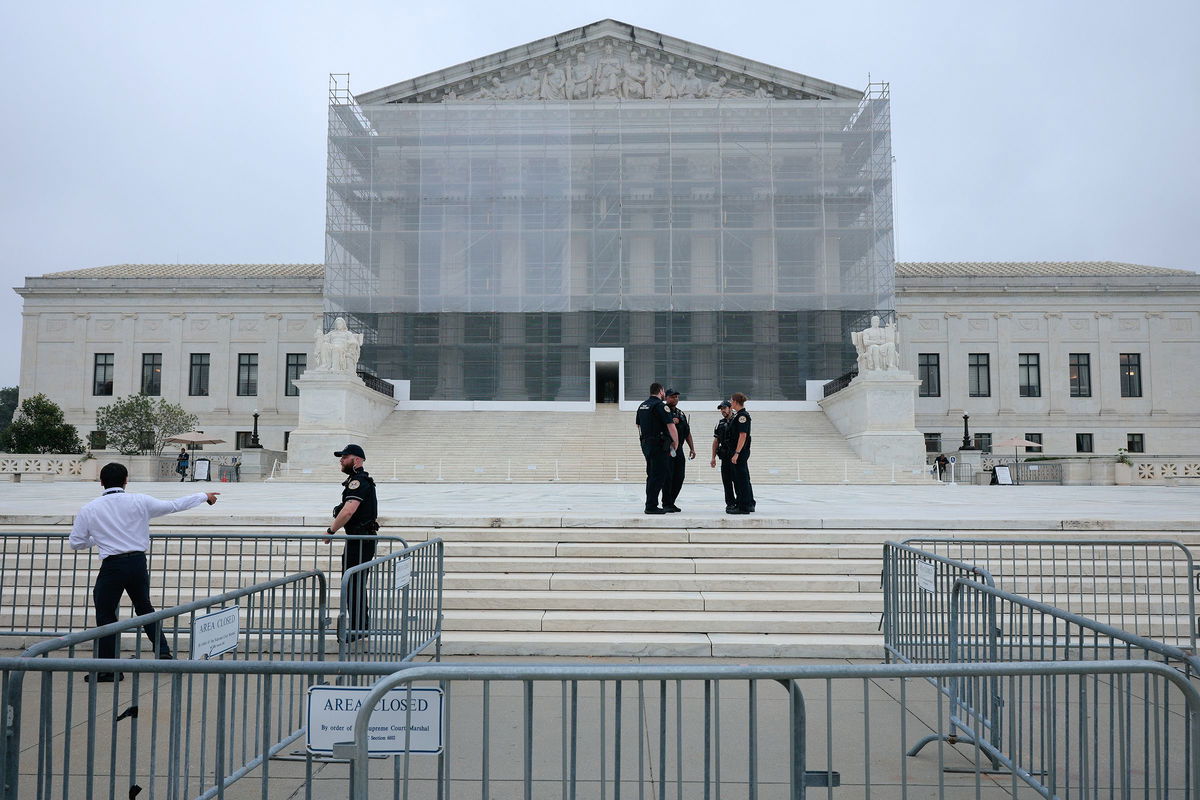
(CNN) — The Supreme Court on Thursday agreed to decide whether states may ban transgender students from playing on sports teams that align with their gender identity, revisiting the issue of LGBTQ rights in a blockbuster case just days after upholding a ban on some health care for trans youth.

The decision puts the issue of transgender rights on the Supreme Court’s docket for the second year in a row and is by far the most significant matter the justices have agreed to hear in the term that will begin in October.

The cases, one from West Virginia and the other from Idaho, involve transgender athletes who at least initially competed in track and field and cross country. The West Virginia case was filed by a then-middle school student who told the Supreme Court she was “devastated at the prospect” of not being able to compete after the state passed a law banning trans women athletes’ participation in public school sports.

The court’s decision landed as transgender advocates are still reeling from the 6-3 ruling in US v. Skrmetti, which upheld Tennessee’s ban on trans youth from accessing puberty blockers and hormone therapy. Though the state law also bars surgeries, they were not at issue in the high court’s case. But that decision was limited to questions of whether the state had the power to regulate medical treatments for minors, leaving unresolved challenges to other anti-trans laws.

Cases challenging sports bans in two states

The justices agreed to review two cases challenging sports bans in Idaho and West Virginia. The court didn’t act on a third appeal over a similar ban in Arizona and will likely hold that case until it decides the other two, probably by early next summer.

The American Civil Liberties Union, which is part of the legal team representing the athletes in the cases, said school athletic programs should be accessible to everyone regardless of a student’s sex or transgender status.

“Categorically excluding kids from school sports just because they are transgender will only make our schools less safe and more hurtful places for all youth,” said Joshua Block, senior counsel for the ACLU’s LGBTQ & HIV Project. “We believe the lower courts were right to block these discriminatory laws, and we will continue to defend the freedom of all kids to play.”

West Virginia Attorney General JB McCuskey, a Republican, said that the state is “confident the Supreme Court will uphold the Save Women’s Sports Act because it complies with the US Constitution and complies with Title IX.”

The Supreme Court will review the case at a time when Republican-led states and President Donald Trump have pushed for policies to curtail transgender rights. Trump ran for reelection in part on a campaign to push “transgender insanity” out of public schools, mocking Democratic candidate Kamala Harris in advertising for supporting “they/them,” the pronouns used by some transgender and nonbinary people.

But even before that, states had passed laws banning transgender girls from playing on girls’ sports teams. Roughly half of US states have enacted such laws.

The Trump administration has actively supported policies that bar transgender athletes from competing on teams that match their gender identity. On Wednesday, the federal government released $175 million in previously frozen federal funding to the University of Pennsylvania after the school agreed to block transgender athletes from female sports teams and erase the records set by swimmer Lia Thomas.

In West Virginia, former Gov. Jim Justice, a Republican, signed the “Save Women’s Sports Act” in 2021, banning transgender women and girls from participating on public school sports teams consistent with their gender identity. Becky Pepper-Jackson, a rising sixth grader at the time, who was “looking forward to trying out for the girls’ cross-country team,” filed a lawsuit alleging that the ban violated federal law and the Constitution.

The Richmond-based 4th US Circuit Court of Appeals ruled last year that West Virginia’s ban violated Pepper-Jackson’s rights under Title IX, a federal law that prohibits discrimination on the basis of sex at schools that receive federal aid. The court also revived her constitutional challenge of the law.

“Her family, teachers, and classmates have all known B.P.J. as a girl for several years, and – beginning in elementary school – she has participated only on girls athletic teams,” US Circuit Judge Toby Heytens, who was nominated to the bench by President Joe Biden, wrote for the court. “Given these facts, offering B.P.J. a ‘choice’ between not participating in sports and participating only on boys teams is no real choice at all.”

Most of the appeals on the issue of transgender athletes question whether such bans are permitted under the equal protection clause of the 14th Amendment. The West Virginia case was different in that it also raised the question of whether such bans violated Title IX. The Supreme Court often prefers to settle a dispute under a law, rather than the Constitution, if it has the option because such a ruling technically allows Congress to change the law in response to the decision.

West Virginia appealed to the Supreme Court last year, arguing that the appeal court decision “renders sex-separated sports an illusion.”

“Schools will need to separate sports teams based on self-identification and personal choices that have nothing to do with athletic performance,” the state said.

West Virginia initially brought the case to the Supreme Court last year on an emergency basis, seeking to enforce the law against Pepper-Jackson while the underlying legal challenge played out. In an unsigned order, the court declined that request. Conservative Justices Clarence Thomas and Samuel Alito said they would have granted it.

In Idaho, Republican Gov. Brad Little signed the state’s sports ban in 2020, the first of its kind in the nation. Lindsay Hecox, then a freshman at Boise State University, sued days later, saying that she intended to try out for the women’s track and cross-country teams and alleging that the law violated the 14th Amendment’s equal protection clause.

A federal district court blocked the law’s enforcement against Hecox months later and the San Francisco-based 9th US Circuit Court of Appeals affirmed that decision last year. Idaho appealed to the Supreme Court in July.

“Idaho’s women and girls deserve an equal playing field,” said Idaho Attorney General Raúl Labrador, a Republican. “For too long, activists have worked to sideline women and girls in their own sports.”

But Sasha Buchert, senior attorney and director of the Non-Binary and Transgender Rights Project at Lambda Legal, stressed the importance of team sports for all students. Lambda Legal is part of the team representing Pepper-Jackson in the West Virginia case.

“Our client just wants to play sports with her friends and peers,” said Buchert said. “Everyone understands the value of participating in team athletics, for fitness, leadership, socialization, and myriad other benefits.”

This story has been updated with additional information.

The-CNN-Wire™ & © 2025 Cable News Network, Inc., a Warner Bros. Discovery Company. All rights reserved.

Click here to follow the original article.

Idaho GOP releases statement responding to threats against party leaders and members

News Release

The following is a press release from Idaho Republican Party Chair Dorothy Moon:

BOISE, Idaho (KIFI) — In light of credible threats made against members of the Idaho Republican Party and its leadership, Idaho GOP Chairwoman Dorothy Moon issued the following statement:

“In recent days, our party has been subjected to disturbing threats, including a direct message left on my home phone promising a personal visit and a public post on social media calling for the murder of Idaho Republicans. These threats follow the horrific assassination of a state senator and her family in Minnesota, a tragedy that underscores just how seriously we must treat acts of political intimidation and violence.

Let me be clear: we will not be bullied, and we will not be silenced.

The Idaho Republican Party will continue to stand for the traditional values that reflect our great state; values that include protecting children from irreversible medical procedures, opposing the sexualization of minors through obscene public performances, and preserving the rights of parents to guide their children’s development without interference from political ideologues.

We do not apologize for our positions, and we will not retreat from our responsibility to represent our constituents, especially when the issues at stake involve the health, safety, and innocence of Idaho’s children.

These threats have been reported to law enforcement and are under investigation. We are cooperating fully with authorities and taking appropriate measures to protect our staff, volunteers, and elected officials.

We call on leaders from all political backgrounds to denounce this kind of rhetoric unequivocally. Violence has no place in our political discourse, and threats must never be tolerated as a form of activism.”

The Idaho Republican Party remains steadfast in its mission to promote faith, family, and freedom, and to protect Idaho families, and we encourage concerned citizens to stay engaged and vocal—peacefully and lawfully—in the political process.

Click here to follow the original article.

Animal shelter asks people to celebrate 4th of July by being a cuddle buddy

Noah Farley

IDAHO FALLS, Idaho (KIFI) — The Snake River Animal Shelter is asking people to be cuddle buddies for furry friends in need this 4th of July. If people are already planning to stay home for the holiday, they can choose any adoptable dog from the shelter to bring home, care for, and de-stress over the weekend. 

The shelter will provide everything the dogs need, like food, leashes, and blankets.

Anyone who wants to sign up needs to live within 30 miles of the Snake River Animal Shelter.

More details can be found here.

Click here to follow the original article.

Multi-state ground search called off for Idaho teens feared abducted by FLDS Church

Seth Ratliff

TEMPLE, Texas (KIFI) — The Uvalde Foundation For Kids has ended its 10-day multi-state ground search for missing Idaho teens Allen Larand Fisher and Rachelle “Shelly” Leray Fischer. The foundation announced this morning that new information suggests the teens are being hidden in one location by members of the Fundamentalist Church of Jesus Christ of Latter-day Saints (FLDS), who are suspected of abducting the children.

“At this juncture, new information we have received, coupled with an exhaustive multi-state ground search… has led us to end our active ground search for the moment,” Daniel Chapin, founder and national director of the Uvalde Foundation, told reporters. “We do not believe these kids are being transported anywhere at this point.”

The foundation’s search efforts involved 48 volunteers who dedicated over 120 hours and covered more than 1,000 miles, pursuing leads across Idaho, Utah, Colorado, and Arizona.

Despite ending the ground search, Chapin affirmed the foundation’s commitment to finding the teens. “We will, however, continue to investigate the case & pursue all leads. We are not giving up on these kids. They will be found.”

The children were last seen wearing traditional FLDS attire. Rachelle was in a dark green prairie dress with braided hair, and Allen was wearing a light blue shirt with blue jeans and black slip-on shoes, similar to Crocs. Anyone with information about their whereabouts is asked to contact the Jefferson CSO at 208-745-9210.

For more information on their disappearance and why the teens may have been abducted, click HERE.

Click here to follow the original article.

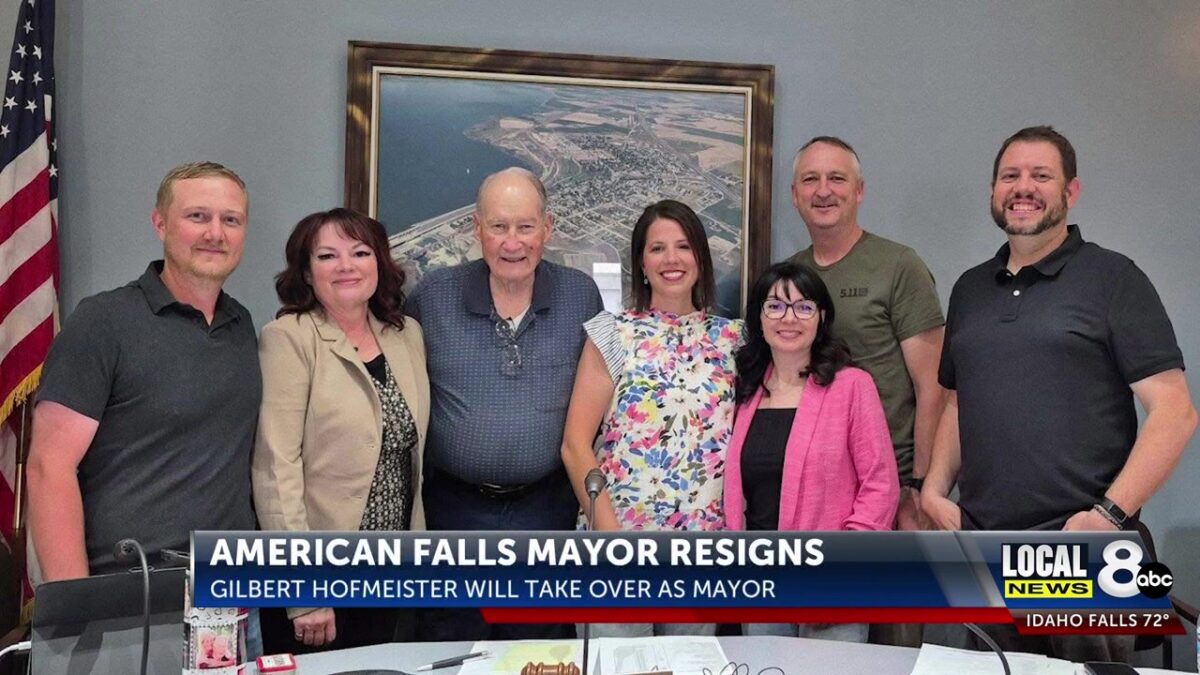
American Falls Mayor Rebekah Sorensen resigns

News Team

AMERICAN FALLS, Idaho (KIFI) — American Falls Mayor Rebekah Sorensen has announced she is stepping down to focus on her family while completing a new home in the county. Her resignation, effective immediately, comes at a complex time, but Sorensen says she’s confident City Council President Gilbert Hofmeister will do “a fantastic job as mayor.”

“I support him wholeheartedly and extend congratulations to Mayor Hofmeister and Councilman Perez,” Sorensen wrote in a post on Facebook announcing her resignation. “I am rooting for you and cannot wait to see what the future holds for American Falls!”

Mayor Sorensen was thrust into the role shortly after the resignation of former Mayor Marc Beitia in 2020. Sorensen, a former stay-at-home mom who had only recently entered the world of city government, entered the mayoral office during the COVID-19 pandemic. During her tenure, she

 Reflecting on her time in office, Sorensen stated, “Feeling nervous and hopeful, I trusted that the city council and employees would stand beside me while navigating a significant new role. Through the years, these remarkable people have been encouraging and supportive while we worked through problems and progress. I am incredibly thankful and proud of what we have accomplished together,” said Sorensen.

Local News 8 has included Mayor Sorensen’s full statement below:

On July 1, 2020, I was unexpectedly thrust into the role of mayor during an uncharted COVID-19 summer. Feeling nervous and hopeful, I trusted that the city council and employees would stand beside me while navigating a significant new role. Through the years, these remarkable people have been encouraging and supportive while we worked through problems and progress. I am incredibly thankful and proud of what we have accomplished together. It has been a pleasure and tremendous honor to serve and represent our great city. I have led with respect and integrity, listened to learn, and have been honest in word and deed. Much work has been done and much has just begun while the city leadership moves forward into very capable hands.

After five rewarding years serving as Mayor of American Falls, I have stepped down from my role to focus on family while completing a new home in the county. The timing of my resignation has been complex, but this is the right decision and timing for the council and the future of the city and employees. Gilbert Hofmeister has been a constant source of assistance and friendship through the years, and I know he will do a fantastic job as mayor. I support him whole-heartedly and extend congratulations to Mayor Hofmeister and Councilman Perez. I am rooting for you and cannot wait to see what the future holds for American Falls!

With love and gratitude,

Rebekah K. Sorensen

Click here to follow the original article.

Hundreds from church youth group evacuated from campsite due to Garden Creek Fire

Ashley Chilcutt

“This wasn’t on my bingo card for today.”

– Roger Cook, Stake President

IONA, Idaho (KIFI) — The growing Garden Creek Fire forced 250 people to evacuate a campground in Bingham County Tuesday. They were members of a Latter-day Saint church group from Draper, Utah. Twelve buses arrived to assist with transporting young men, young women and their leaders to safety.

The group was on a pioneer trek at the Sellars Creek Ranch when the local sheriff’s office called for an emergency evacuation of that area due to smoke and nearby flames.

This is what campers saw as they loaded onto buses and evacuated from the Sellars Creek Ranch campsite. Photo Credit: Roger Cook

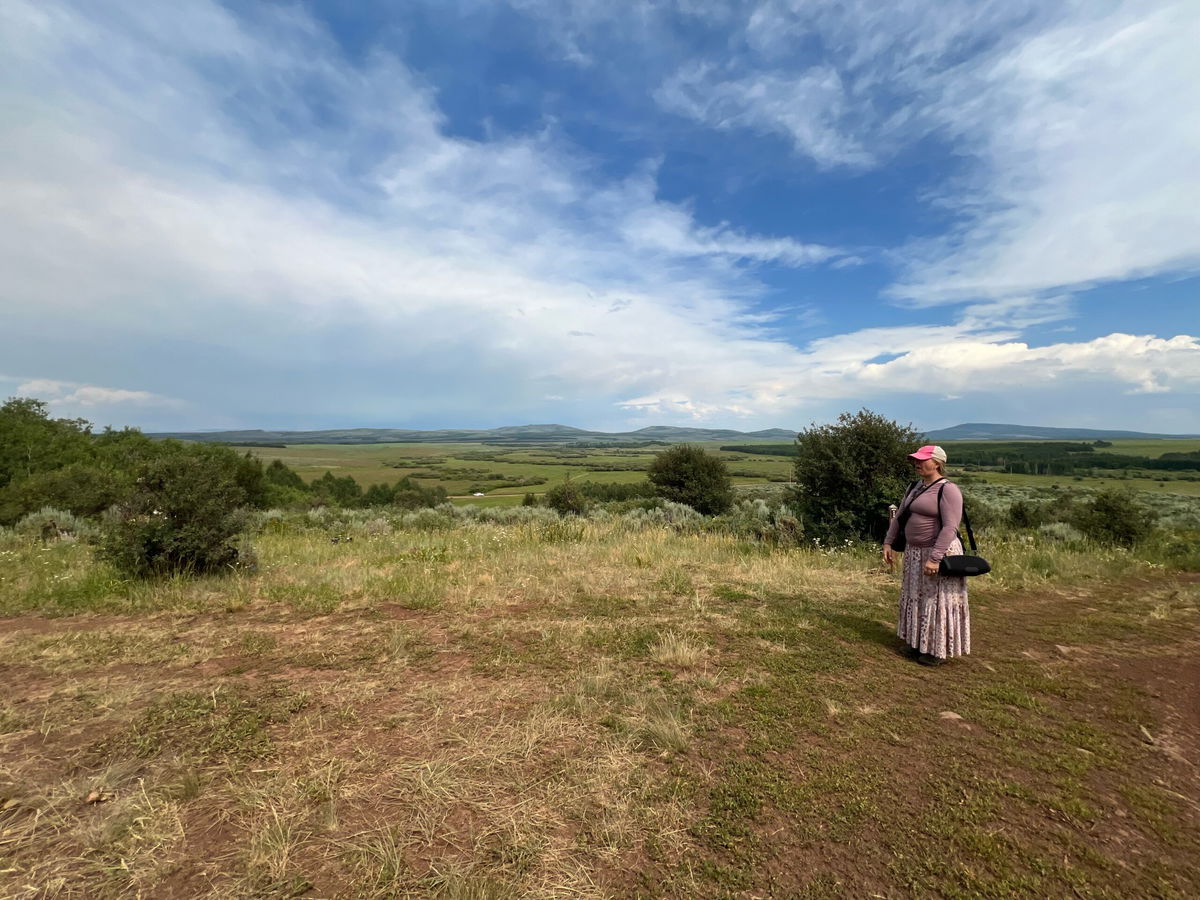
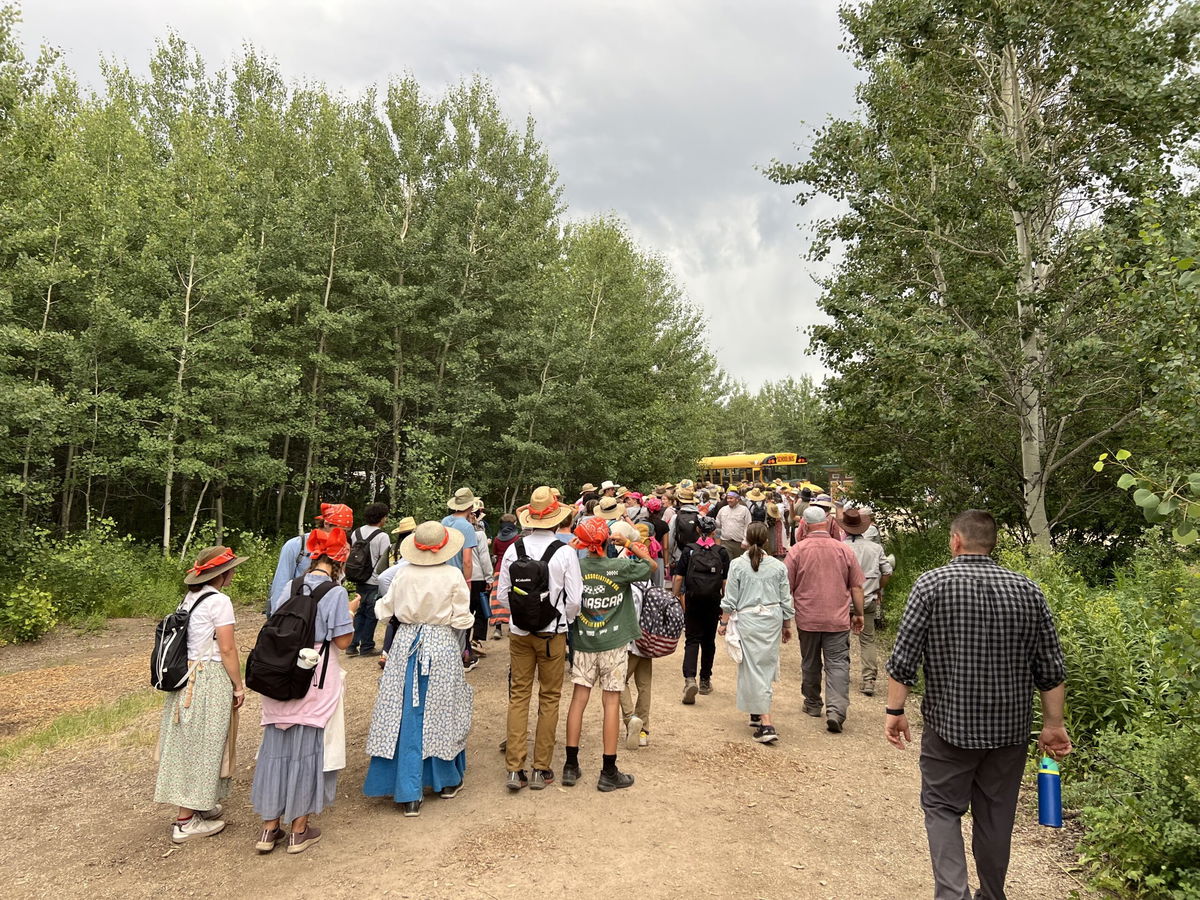
“We started to smell the smoke and see it more and we’re like, ‘Dang, this fire is closer than we thought,'”said trek participant Porter LeBaron. “…It was kind of crazy to have to drop the handcarts and be in the commotion of just trying to get everyone and make sure everybody gets out safely.”

A trek usually includes dressing in pioneer clothing, pulling an handcart and simulating the challenges early Saints might have faced. Roger Cook, the Draper Utah East Ridge Stake President, is convinced that the urgency and immediacy of their evacuation taught the youth a valuable lesson about pioneer history.

Photo Credit: Roger Cook

“Interestingly, we had stopped along the trail and two youth were teaching about the Kirtland Ohio Temple wherein many important things happened in the history of The Church of Jesus Christ of Latter-day Saints,” said Cook. “Of course, what made this interesting was the fact that those people who built the temple and witnessed those miraculous experiences were told they needed to evacuate their homes immediately. Not because of a wildfire but because of wild men who were threatening their very lives.”

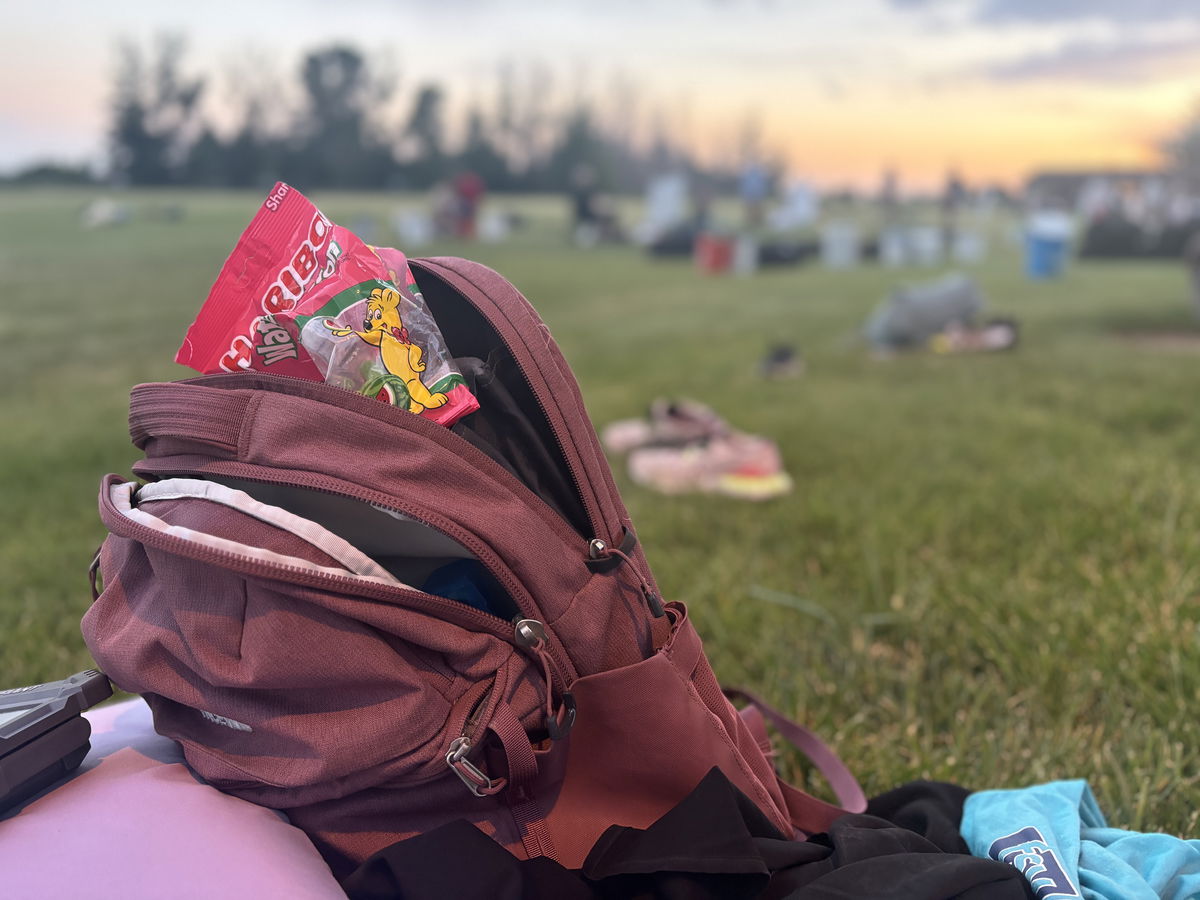
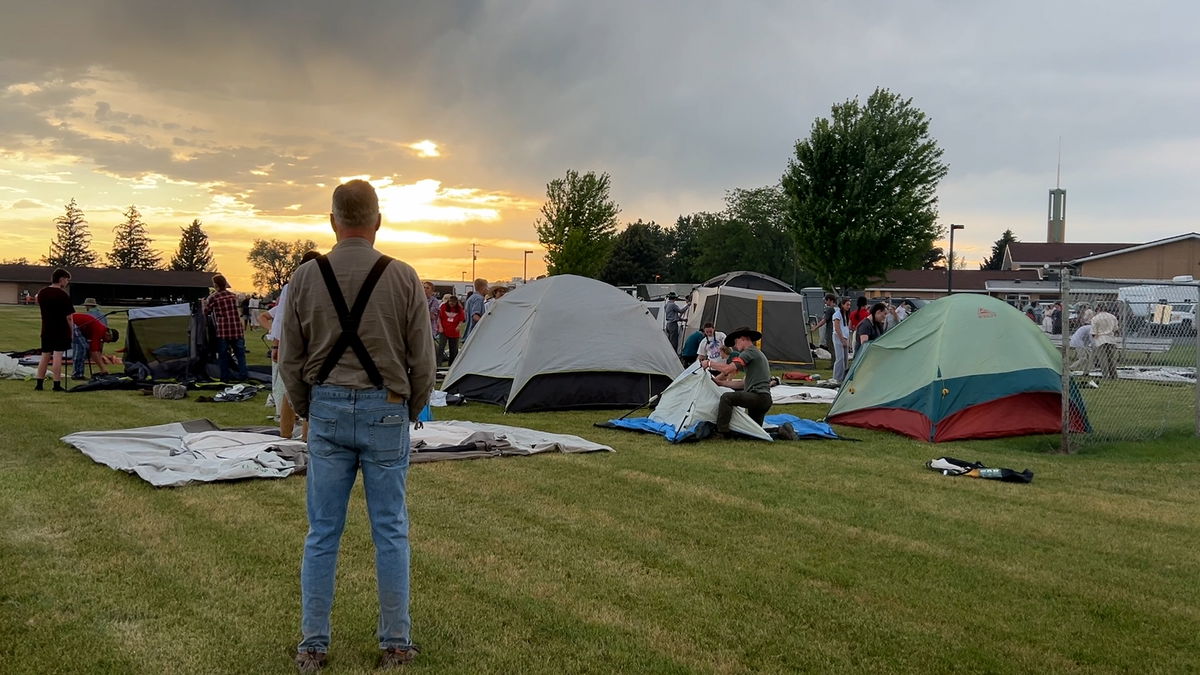
The group was able to continue their trek and camp out in the grass next to the Iona Stake Center. Even from the field, billowing smoke could be seen in the distance and ash flakes fell from the sky.

View of smoke and haze from the Iona Stake Center.
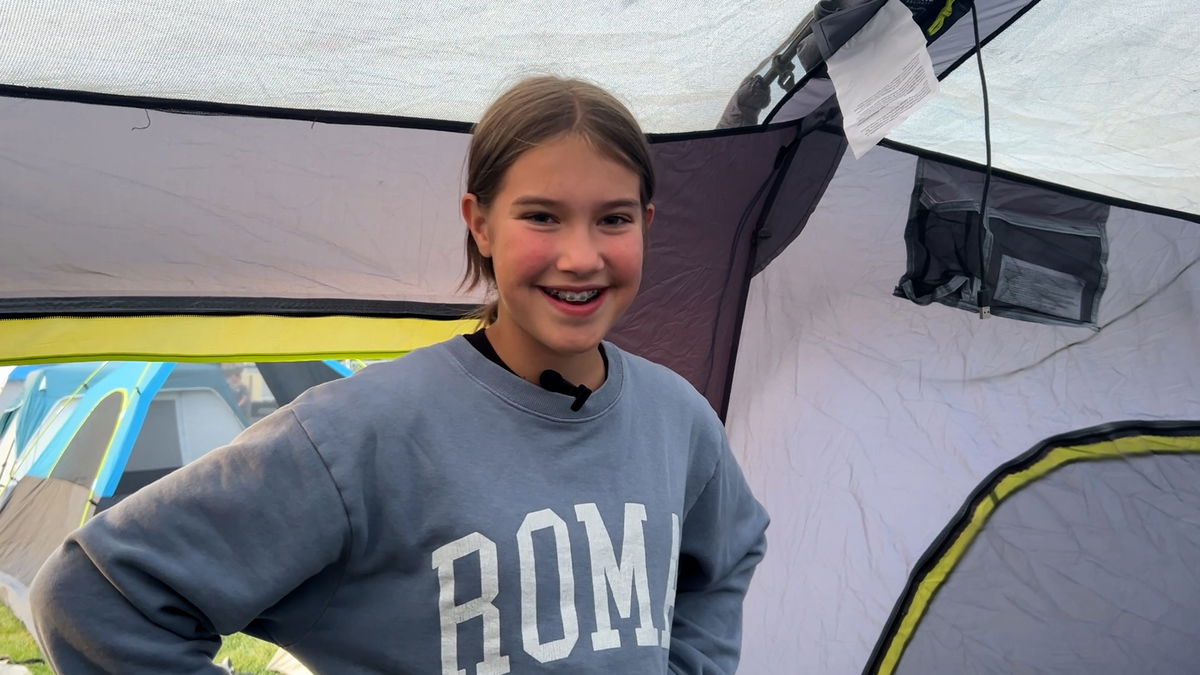
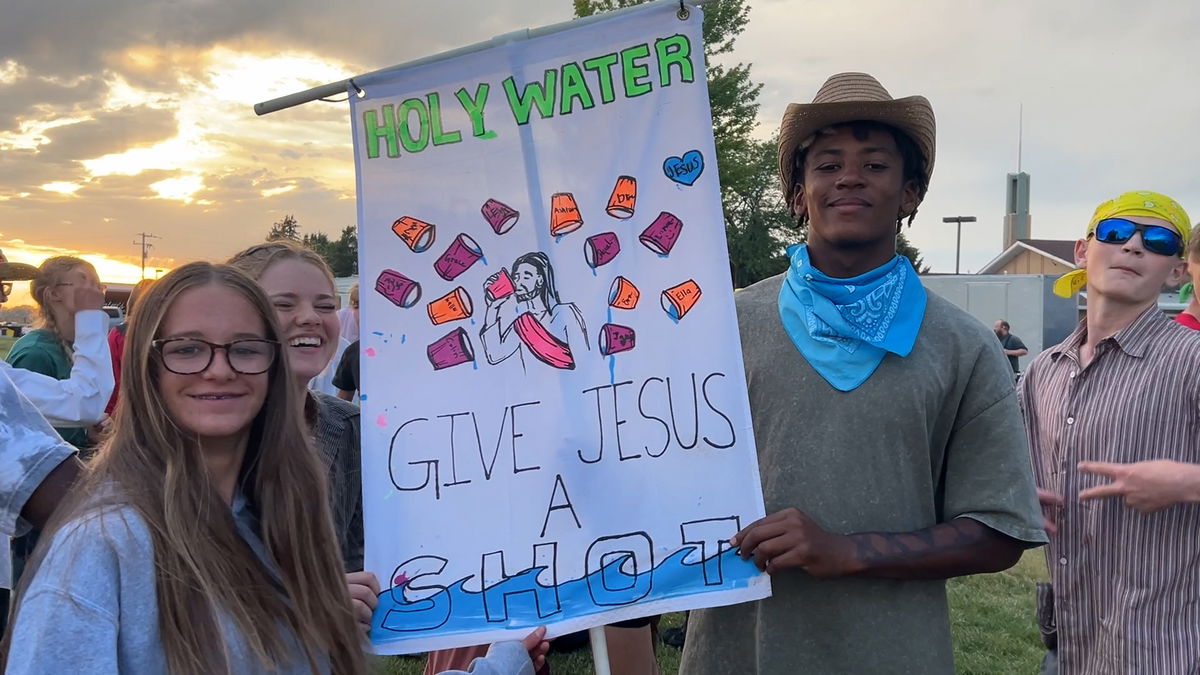
“As we got on the bus and we came here, we all just like started to decompress and had fun again. I knew everything was going to be okay,” LeBaron said.

After pitching their tents, eating dinner and sharing in a spiritual thought, it was time for bed but not without one last surprise. The sprinklers came on, getting their tents and totes wet. All things considered, a young woman in the group said this is an experience she will be sharing with her future children.

Click here to follow the original article.

Chubbuck Road underpass reopens ahead of holiday weekend

Sam Ross

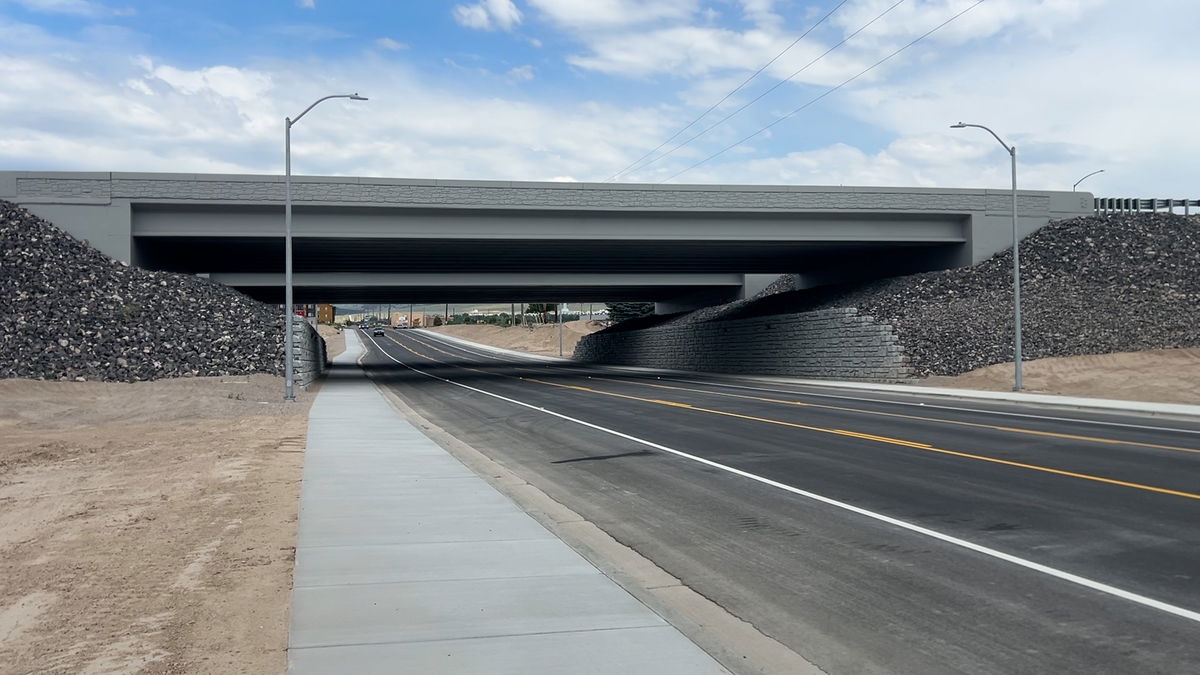
POCATELLO, Idaho (KIFI)– Chubbuck Road is now open after closures over the past month to finish construction on the I-15 underpass.

The Idaho Transportation Department (ITD) said they have finished work on the eastbound lane under the interstate and added sidewalks and bike lanes.

ITD also said they expect no further closures of Chubbuck Road. Crews will be out landscaping and cleaning around the underpass, and drivers are asked to remain cautious of workers in the area.

For more information, you can visit the Idaho Transportation Department website.

Click here to follow the original article.