ITD assesses damage to Porterville Road Bridge after semi collision; Repairs and temporary lane planned

News Team

UPDATE:

BLACKFOOT, Idaho (KIFI) — The Idaho Transportation Department (ITD) is still assessing the damage to the Porterville Road Bridge north of Blackfoot following a collision with two semi-trucks last night. ITD says the trucks – both hauling heavy equipment – struck the bridge from underneath, causing severe damage to the girder.

The Idaho Transportation Department (ITD) is assessing the extent of the damage to determine what repairs will be required. In the meantime, ITD plans to install a temporary traffic light to allow one lane of traffic to resume on the undamaged portion of the bridge.

Motorists are advised to continue using alternate routes and to check 511.idaho.gov for the latest updates on the closure.

ORIGINAL:

BLACKFOOT, Idaho (KIFI) — All lanes on I-15 are now open after a crash involving two semi-trucks yesterday evening. The accident, which occurred around 5:30 p.m. just north of Blackfoot, involved two semis hauling heavy equipment that struck the Porterville Road Bridge.

According to Idaho State Police (ISP), the first vehicle was a 1986 Peterbilt semi-truck driven by a 36-year-old man from New Plymouth. A 2013 Volvo semi-truck, driven by a 47-year-old man from Las Vegas, Nevada, was following behind when it also struck the bridge.

Both drivers were wearing seatbelts, and no injuries were reported.

While I-15 has reopened, the Porterville Road Bridge remains closed indefinitely as the Idaho Transportation Department assesses the damage. ISP is investigating the cause of the crash.

Click here to follow the original article.

Blackfoot City Council to address new agreement to fill Jensen Grove

Seth Ratliff

BLACKFOOT, Idaho (KIFI) — On Tuesday, August 5th, the Blackfoot City Council will vote on a critical issue that could determine the future of Jensen Grove, the city’s most popular recreation spot. The core of the problem is keeping the pond full of water, and it is a lot more complicated than it sounds.

The history of Jensen Grove

For decades, the city has relied on a partnership with the Snake River Valley Irrigation District (SRVID) to fill the pond. Three decades ago, the city created a system to divert water from the Snake River into the grove. City leadership initially began the process themselves, purchasing an early water right. However, to avoid some of the hefty permits and contracting costs involved, the city partnered with the SRVID to annex the grove into their district.

“We (would) have to involve the Army Corps of Engineers and get permits and whatnot. And the Snake River Valley Irrigation District can just go make those repairs,” said Blackfoot City Councilwoman Debbie Barlow, explaining the benefits of the original agreement.

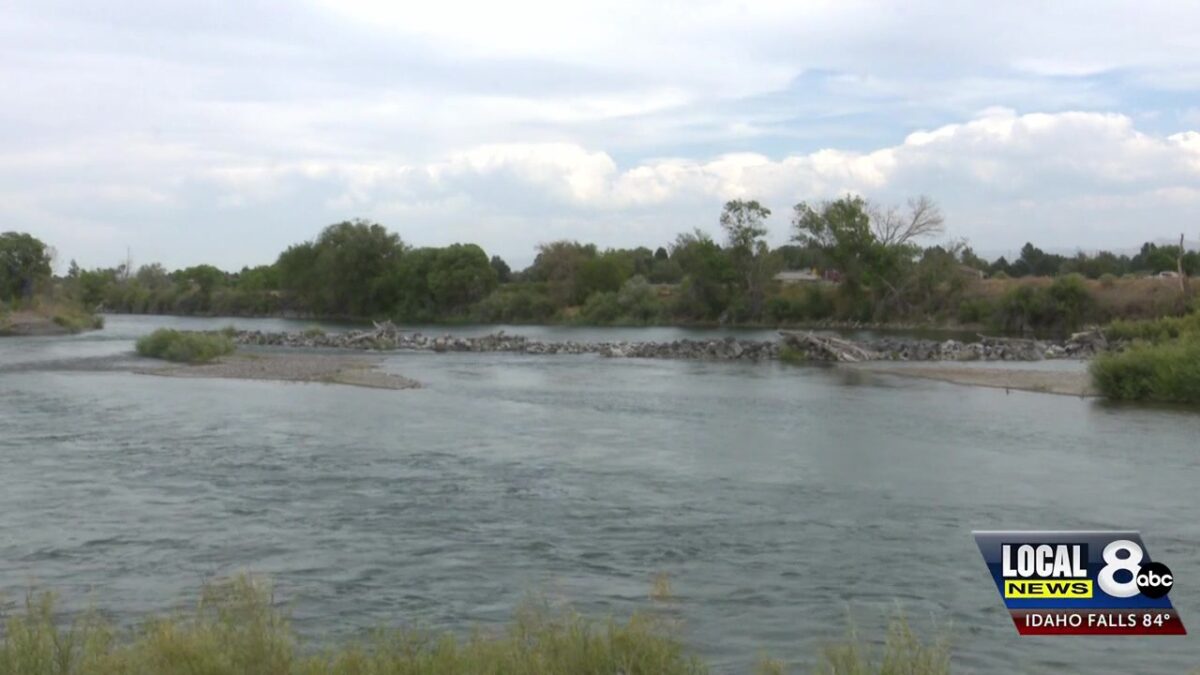
The partnership culminated in a diversion dam on the river, which directs water to a 3-foot culvert leading under the interstate and reaching Jensen’s Grove. According to City Councilman Chris Jensen, the work involved with building the dam and culvert that feed Jensen Grove would have cost the City of Blackfoot three times as much as the irrigation district. Under their agreement, the irrigation district would also provide 2,500 acre feet of water to fill the pond in high water years, under the condition that they could use the area for aquifer recharge.

The problem

Earlier this spring, fast-flowing high waters directed by the Snake River Valley Irrigation District’s diversion upstream nearly filled the pond. Here’s where the issues start. The city’s diversion is almost 30 years old, and according to the irrigation board, the fast-moving high waters washed out portions of the city’s already eroding dam. As a result, the river’s flow rate is too low to fill the pond.

“Until we have 5000 cfs (cubic feet per second) we can’t get water there,” explains Councilman Jensen. “Because of that, trying to get water to our head gate is nearly impossible. If the diversion was built up the way it had been, we might get some, but it would be a trickle and wouldn’t be enough to really keep the grove full.”

Last year, the Snake River Valley Irrigation District expanded its diversion to help push water toward its canals and the City of Blackfoot’s diversion and culvert. However, according to their 2007 agreement, the city has to foot the bill for the repairs. According to Mayor Marc Carroll, the city may also owe the irrigation district overpayments from recharge money. There’s been some debate about the accounting and what the city owes, mainly due to the recharge money split between the two groups. But according to the latest accounting, Tracy Hillman, chairman of the SRVID board, says the bill comes out to around $89,000, with more costs to come for repairing the city’s diversion dam.

However, after several changes in leadership in the decades since the deal was made, Blackfoot city officials were not fully aware of the deal or the financial responsibilities involved. Councilman Jensen says the “mechanism of informing the city, other than the parks director, of a bill was never in place.”

Hillman agrees that there have been some problems with communications, but emphasises that on their end, they’re working with a very limited season of low water to do repairs. “We have a small window to get in when it’s time to go, we have to go,” said Hillman.

If they don’t pay the bill, the city risks losing the 2,500 acre-foot of water used to fill the grove. After negotiating with the irrigation district, Tuesday’s city council vote will decide how to move forward with their current draft agreement.

Mayor Carroll has pointed out issues with the past agreements between the groups, stating that they’ve been working with the original 2007 agreement in addition to a 2017 MOS (Memorandum of Understanding), which he says may have led to the confusion. He says he hopes the City Council will approve their draft agreement, authorizing him and the city attorney to finish negotiating “the finer points” with the irrigation district on an agreement to move forward.

“The city’s main objective is to have water in the grove,” Mayor Carroll told Local News 8. “We don’t care about getting recharge money. All of it can go to SRVID (Snake River Valley Irrigation District). Then it becomes a discussion around maintenance and who does what and who’s paying for it. But all of that is part of the draft agreement.”

State Rep. Ben Fuhriman, who joined the discussions, commended the efforts of city leadership and the irrigation district.

“I feel like everybody really wants the same thing. We want the grove filled. We want it filled for generations to come,” said Fuhriman.

Should the Blackfoot City Council approve the latest draft agreement at their meeting tonight, it would then move to the Snake River Valley Irrigation District Board of Directors for approval. The next board meeting is August 12th.

Click here to follow the original article.

Shoshone-Bannock Tribes celebrate 60 years of tradition at Annual Indian Festival

News Release

The following is a news release from the Shoshone-Bannock Tribes:

FORT HALL, Idaho (KIFI) — It’s a celebration 60 years in the making. The Shoshone-Bannock Tribes warmly welcome visitors from near and far to the Annual Indian Festival, taking place Thursday, August 7, through Sunday, August 10. This year’s theme is, “Celebrating and Continuing 60 Years of Strength and History.”

“For six decades, our Festival has been a cherished tradition, uniting generations through culture, community, and celebration,” said Fort Hall Business Council Chairwoman Donna Thompson. “We honor those who came before us and continue to carry forward the spirit and resilience of our people.”

First-time Festival Coordinator, Leah Tindore added, “Every year when the Festival comes around, it feels like my soul lights up. It’s more than just a celebration, it’s a reminder of who we are and where we come from

I’ve grown up watching my community pour their hearts into this weekend, and now I get to be a part of that magic – I hope everyone who joins us feels the beauty of it all, like they’re part of something timeless.”

The Festival will feature a variety of events and entertainment for all ages. At the heart of the celebration is the competitive powwow at the Delbert Farmer Festival Arbor, featuring champion dancers and drum groups from across Indian Country. Grand Entry for the Children’s Powwow is at 7 p.m. on Thursday. Grand Entry times for the main powwow are 7 p.m. on Friday, at 1 p.m. and 7 p.m. on Saturday, and 1 p.m. on Sunday.

The Annual Festival Parade is at 10 a.m. on Thursday and starts at the east end of Agency Road. It will be led by Adult Grand Marshal Belma Truchot Colter, the first Miss Shoshone-Bannock, and Youth Grand Marshal Keanna Conrad, a two-time High School State Champion wrestler and positive example to youth.

Throughout the weekend, visitors can enjoy softball and golf tournaments, Indian relay races at the home of the sport, Handgames in the new arbor, Horseshoe tournament, an All-Indian Art Show, the Junior and INFR Rodeos, a Fun Run/Walk, a Traditional Salmon and Buffalo Feast, Skate Jam, Hip-Hop Bash, numerous arts and crafts vendors, food booths and more.

One of the most anticipated moments of the weekend is the crowning of Miss ShoshoneBannock, who is a prestigious role model in the community who serves as a dedicated ambassador of the people. Four outstanding young women — Jasmine Coby, Myke Moore, Danella Murphy and Scarlette Stagner are vying for the title. The new royalty will be crowned following the Friday night Grand Entry, with a special honoring to follow for past titleholders and current Miss Shoshone-Bannock, Dystnee Rope.

For a full schedule of events, attendees may purchase the Sho-Ban News Festival Edition, which includes a special newspaper and magazine featuring head staff profiles, royalty welcomes and stories highlighting talented Shoshone-Bannock artists. Festival Editions are available at ShoBan News stand on the Festival Grounds and at T.P. Gas, Trading Post Grocery Store, Donzia Gift Shop, Blue Corner Store, Fort Hall Museum, Sage Hill Travel Center, and Bannock Peak Truck Stop.

The Shoshone-Bannock Tribes extend their heartfelt appreciation to all past, present, and future dancers, drum groups, volunteers, staff, sponsors, vendors, and community members who have helped make the Festival possible year after year. Their support ensures that our culture, language, and traditions remain strong for future generations. For more information, visit www.shobanfestival.com or follow the Shoshone-Bannock Indian Festival Facebook page.

Click here to follow the original article.

Pocatello vs. Chubbuck: first responders battle it out in rib-eating contest for charity

Sam Ross

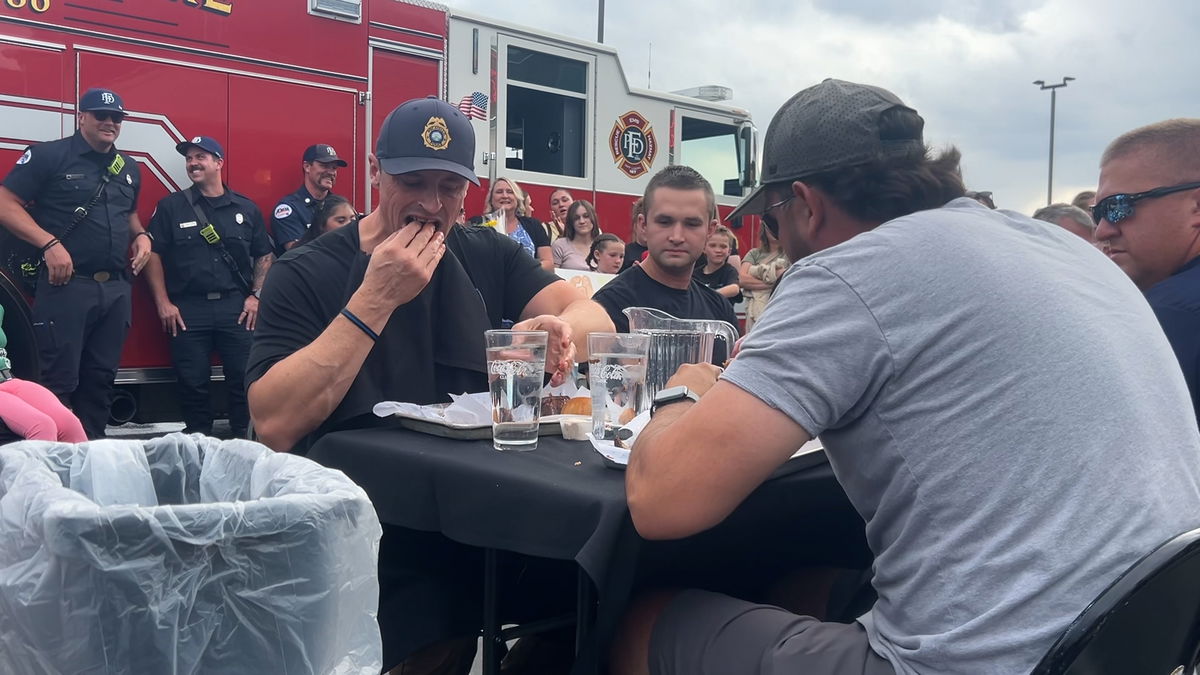
POCATELLO, Idaho (KIFI)– First responders representing Teams Pocatello and Chubbuck went head-to-head at a speed rib-eating competition at Texas Roadhouse on Monday, August 4, for a chance to benefit the winning team’s chosen charity.

The rib-eating challenge kicked off the evening’s Dine to Donate Fundraiser, in partnership with Texas Roadhouse, where a percentage of the restaurant’s proceeds is donated to a charitable organization.

“It’s a good time for our first responders to give them something not an emergency and just give back to the community,” said Kim Flores, store marketer for the Pocatello Texas Roadhouse.

Team Pocatello duked it out for a chance to donate to the Boys and Girls Club of Southeast Idaho; Team Chubbuck chose to fight for the Bright Tomorrow’s Child Advocacy Center.

In the end, Team Pocatello came out victorious after the five-man team of police officers, firefighters, and paramedics each downed an entire rack of ribs in a relay-style race in under 30 minutes.

After Texas Roadhouse totals the amount raised from the Dine to Donate Fundraiser, the money will be sent to the Boys and Girls Club of Southeast Idaho.

“It was amazing, but we’re glad Pocatello won,” said Mona Mannan, executive director of the Boys and Girls Club of Southeast Idaho. “It was a great event, a great, great show from the community, and we’re happy to be here to see the support.”

Mannan said the donation from the night will be used to fund their local after-school programs, STEM-centered activities, and child mental health programs.

Click here to follow the original article.

Marshall Public Library collecting school supplies for local students until September

Sam Ross

POCATELLO, Idaho (KIFI)– The Marshall Public Library is hosting its annual School Supplies and Hygiene Products Drive to be donated to the Pocatello-Chubbuck School District 25 supply pantry for the upcoming school year.

The library is looking for donations of common school supplies like notebooks, folders, and pencils, as well as toiletry items like soap, deodorant, feminine hygiene products, and toothbrushes.

“We recognized that there was a need in our community, that there are families that might not be able to get all of the school supplies that their kids need,” said Trina Bonman, associate director of the Marshall Public Library. “We just figured we’d be a good drop-off location or a good central location that we could collect the supplies, and then we coordinate with the school district to get them where they need to go.”

The Marshall Public Library will accept school supply donations at the first floor checkout desk until September 13. For more information and to see a full list of needed donations, you can visit the City of Pocatello website.

Click here to follow the original article.

Cedar Fire near Mackay reaches 731 acres, 16% contained

News Team

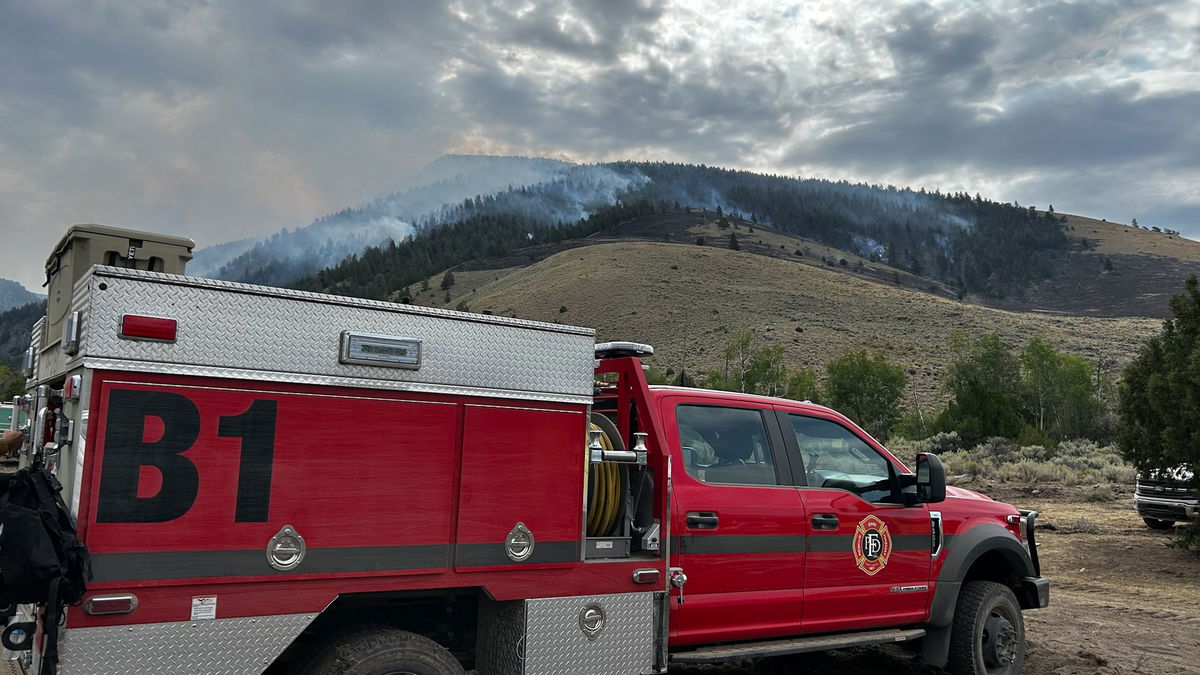
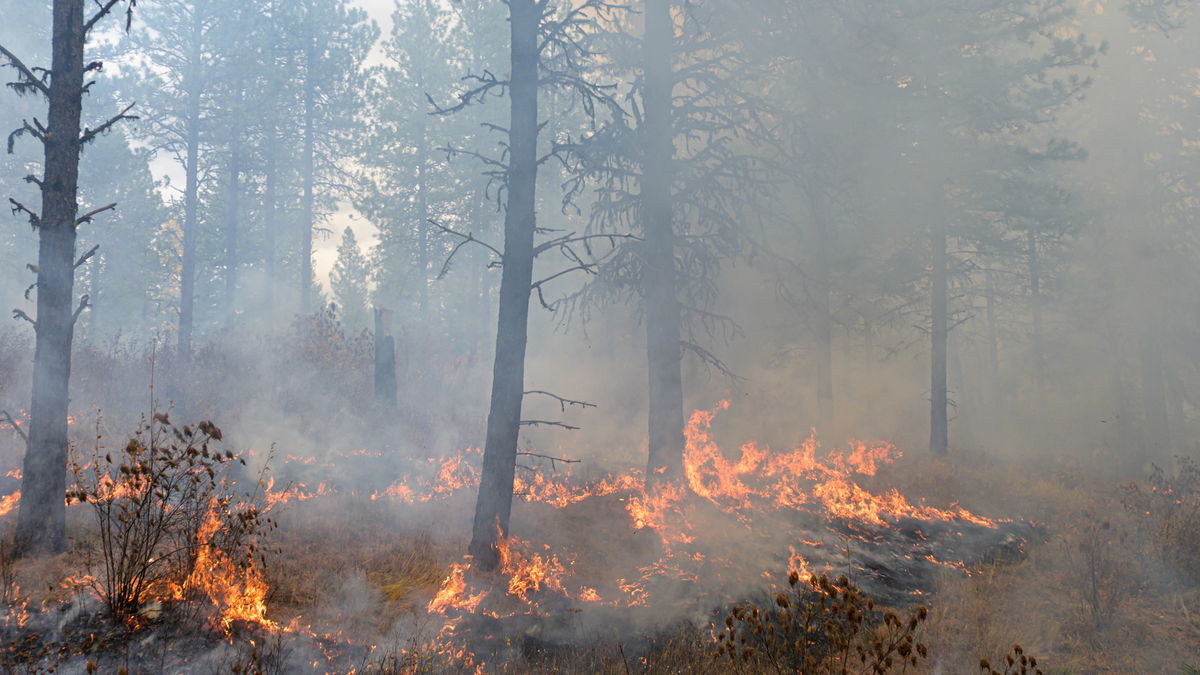
BUTTE COUNTY, Idaho (KIFI) — The Cedar Fire near Mackay, sparked by a lightning strike on July 29, has grown to an estimated 731 acres. As of this morning, fire crews have achieved 16% containment.

According to the Pocatello Fire Department, which has a team in the area, crews are diligently working to thin fire fuels to slow its spread and mitigate risks. A specific timeline for full containment is not yet available.

Click here to follow the original article.

Jackson Hole teacher named 2025 Wyoming History Teacher of the Year

News Team

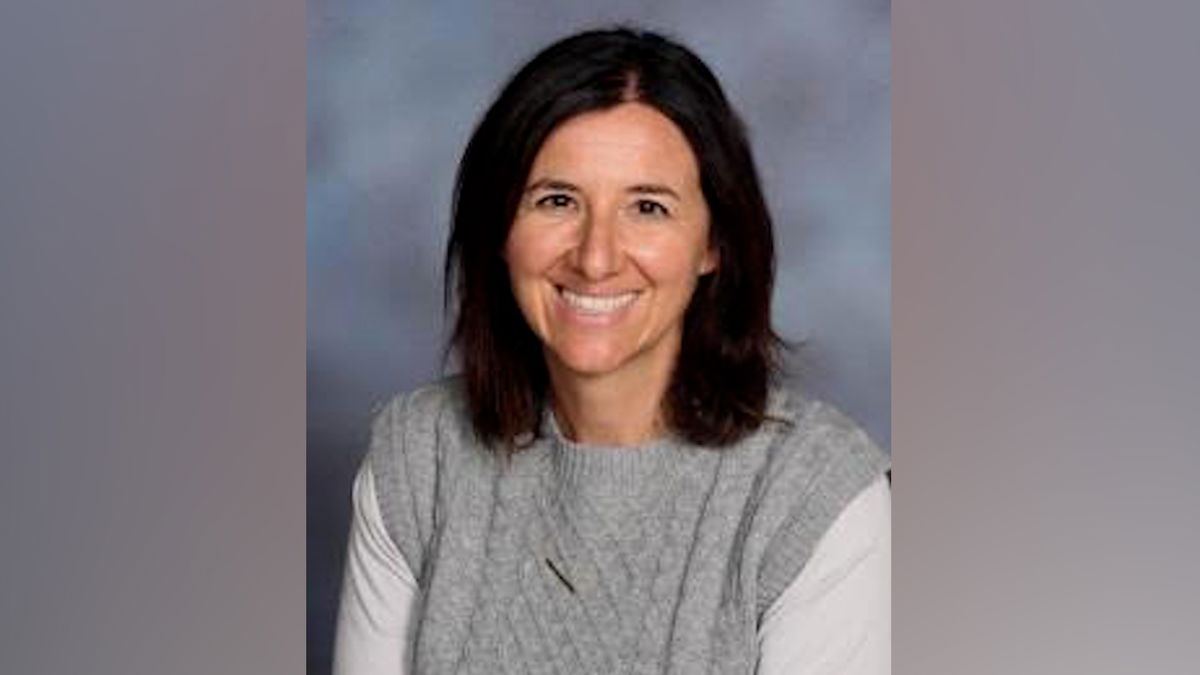
JACKSON, Wyo. (KIFI) — A Jackson Hole High School teacher is being celebrated for her dedication to bringing history to life. Cheryl Katz has been named the 2025 Wyoming History Teacher of the Year by the Gilder Lehrman Institute of American History. The award recognizes exceptional K–12 educators for their outstanding work in teaching American history.

For the past 20 years, Cheryl Katz has been a high school social studies educator, teaching students to critically analyze the development of the modern world. Her current courses at Jackson Hole High School include World History and Advanced Placement United States Government.

James G. Basker, president and CEO of the Gilder Lehrman Institute, emphasized the importance of educators like Katz. “History teachers play an essential role in helping students understand the past, build critical thinking skills, and develop a deeper appreciation for the people and events that shaped our nation,” he said. “We are proud to recognize educators who go above and beyond to make history engaging, meaningful, and relevant in their classrooms.”

In addition to the state title, Katz received a $1,000 prize, a collection of books, and other classroom resources. She is now in the running for the national title, which will be announced this fall.

Click here to follow the original article.

U of I lands $1.4M grant to train next generation of wildland fire scientists

News Release

The following is a news release from the University of Idaho:

MOSCOW, Idaho (KIFI) — University of Idaho researchers are tackling some of the toughest wildfire challenges with support from a new $1.4 million National Science Foundation (NSF) grant, which will fund nine additional doctoral-level researchers.

Working alongside NSF EPSCoR-funded postdoctoral scientists and faculty from across the university, the students will engage in research and envision new projects in fire physics, mitigation and forest regeneration and strengthen the resilience of rural communities to wildfires and other natural hazards.

“Wildland fire is inherently complex. It can have catastrophic impacts on human communities, yet it is also an essential natural disturbance in many types of ecosystems,” said Jessica Miesel, associate professor in the Department of Forest, Rangeland and Fire Sciences and a co-principal investigator of the grant. “Understanding fire requires an interdisciplinary scientific approach, as well as close partnerships between scientists and land managers to develop practical and effective management solutions.”

The three-year award comes from the NSF EPSCoR Graduate Fellowship Program, which provides graduate fellowship funding to institutions in EPSCoR jurisdictions.

Students from institutions across the country who earned an honorable mention from the NSF Graduate Research Fellowship Program within the last three years are eligible to apply. To learn more and apply for the opportunity, visit NSF’s Education and Training Application page: etap.nsf.gov/award/8247/opportunity/11307.

Fellows have the opportunity to earn their doctorates in one of three interdisciplinary degree programs: bioinformatics and computational biology, environmental science or water resources.

“U of I is Idaho’s only Carnegie R1 university and a national leader in foundational and use-inspired wildland fire science,” said Jerry McMurtry, dean of the U of I College of Graduate Studies (COGS) and principal investigator of the grant. “We’re well positioned to equip future scientists with the interdisciplinary knowledge and skills needed to address wildland fire challenges facing our world today and in the future.”

Fellows will conduct original research relating to wildland fire science under the guidance of U of I’s expert research faculty and have the option to pursue an Environmental Education and Science Communication graduate certificate at U of I’s McCall Outdoor Science School.

“The challenges of living with fire will not go away during our lifetime, but this award will help prepare future professionals with the knowledge and skills needed to create practical solutions,” Miesel said.

To learn more about COGS, visit uidaho.edu/cogs.

Click here to follow the original article.

Manhunt for Army veteran accused of quadruple murder involves dozens of agencies as officials find evidence in search area

CNN Newsource

By Karina Tsui, Michelle Watson, Holly Yan, Taylor Galgano, Sarah Dewberry, CNN

(CNN) — Despite a grueling manhunt and a growing search zone, authorities say they might be getting closer to finding an Army veteran accused of gunning down four people for no obvious reason.

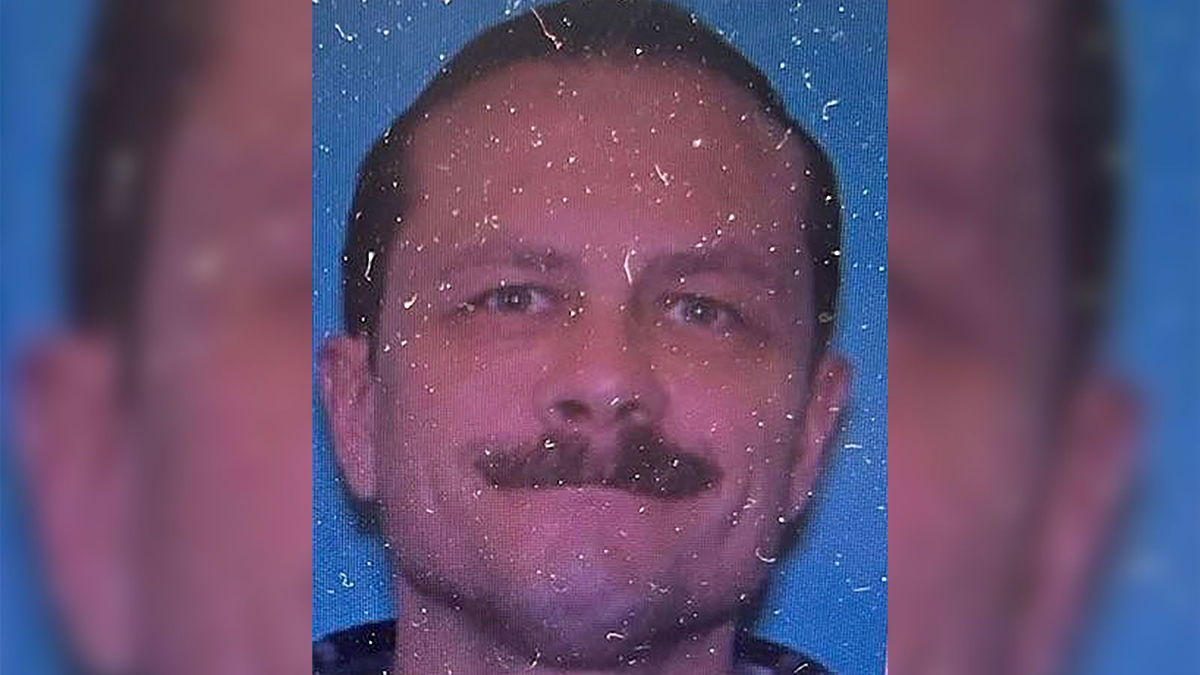
Michael Paul Brown is still on the run Tuesday, four days after authorities said he opened fire at The Owl Bar – a beloved gathering spot next to the suspect’s home in Anaconda, Montana.

At least 38 local, state and federal agencies have joined in the manhunt that now spans challenging terrain in the western Montana wilderness – including the Garrity Mountain Wildlife Management Area, which is popular with campers and hikers.

While the last confirmed sighting of Brown was Friday, “there is certainly evidence in our search area that he’s present, and that we’re hunting in the right haystack,” Montana Attorney General Austin Knudsen said Tuesday.

He also warned residents in Anaconda, a community of less than 10,000 people, to stay “vigilant.”

“Absolutely, there’s concerns he might come back into the town,” Knudsen previously said. “By all indications, this is an unstable individual.”

Brown is believed to be armed and dangerous, Knudsen said Tuesday, and officials are offering up to $10,000 for information leading to his capture.

It’s still unclear why Brown allegedly killed four people at the bar around 10:30 a.m. Friday before fleeing in his underwear.

Victims include a beloved retired nurse

The victims included a bartender and three patrons, the attorney general’s office said. He identified the four victims as:

– Daniel Edwin Baillie, 59

– Nancy Lauretta Kelley, 64

– David Allen Leach, 70

– Tony Wayne Palm, 74

Officials previously gave the wrong spelling for Baillie’s last name.

“I want to offer our deepest and sincere condolences to the community of Anaconda, to the family and friends of these victims,” Knudsen said. “This is just absolutely horrific.”

Kelley was an accomplished nurse who worked with cancer patients and had just started her retirement, bartender Cassandra Dutra said.

“I feel so sad for Nancy because I love Nancy and she was so very good to me from the day that I met her,” Dutra told CNN. “It just is an extremely unfair ending for somebody who spent their entire life dedicated to cancer patients and making a huge difference.”

‘He knew everybody that was in that bar’

It’s unclear whether Brown was targeting any of the victims or if he shot them randomly. But the suspect was a regular at The Owl Bar and likely knew the victims, owner David Gwerder told The Associated Press.

“He knew everybody that was in that bar. I guarantee you that,” Gwerder told the AP. “He didn’t have any running dispute with any of them. I just think he snapped.”

CNN has reached out to Gwerder for comment.

One of Brown’s relatives, who asked to remain anonymous out of concern for their privacy, told CNN they worked at the bar for years and knew all four people who were killed. Now, they said they fear the hunt for Brown could end in his death.

“They were my customers,” the relative said of the victims. “They were my friends. I have been scared s**tless waiting for him to be found because I don’t want to have to bury (him),” they said.

“I need everybody to know that our family is devastated,” they added. “We can’t believe that this has happened.”

The suspect wasn’t the same after serving in the military, niece says

The suspect lived next door to the bar and would come in frequently, Dutra said. But “he wasn’t a part of the camaraderie” with other customers, the bartender said.

Brown served in the US Army from January 2001 to May 2005 and was part of an armored vehicle crew, Army spokesperson Lt. Col. Ruth Castro told CNN. He was deployed to Iraq from February 2004 to March 2005.

Brown later joined the Montana National Guard from April 2006 to March 2009 and left military service as a sergeant, Castro said.

The suspect’s niece, Clare Boyle, said her uncle struggled with mental health in the Army and wasn’t the same after his service.

Brown’s condition worsened after his parents died, Boyle told CNN. She described him as “very sick” but also recalled happy moments with him, such as learning to ride a bike and fishing together.

Brown’s family sought help from the Veterans Affairs Department and the Montana State Hospital, according to Boyle, but she said both institutions “turned us away.” CNN has sought comment from Veterans Affairs and the state hospital.

The Army declined to release information about Brown’s mental health history, citing policy and privacy constraints.

Brown’s niece said some patrons of The Owl Bar were aware of his mental illness and what she described as “his delusions.” Some would mock and bully Brown at times, she said, though she did not identify specific people. She said she was not aware of a specific conflict that could have motivated the shooting. Authorities have said it is unclear whether Brown targeted specific victims.

Boyle said she was devastated for the victims’ loved ones, noting five families were “destroyed” on Friday.

“There are no excuses or words of defense for this awful tragedy,” she said.

‘There’s a thousand places to hide’

Shortly after the killings, Brown was seen on surveillance video barefoot and wearing only underwear. But he may have collected new clothes from a stolen truck, authorities said.

Investigators found a white Ford F-150 truck that Brown was driving – but the suspect wasn’t inside, Montana Division of Criminal Investigation Administrator Lee Johnson said.

“It was a stolen vehicle, but there was camping equipment in it,” Knudsen said. “We believe there was some clothing in it.”

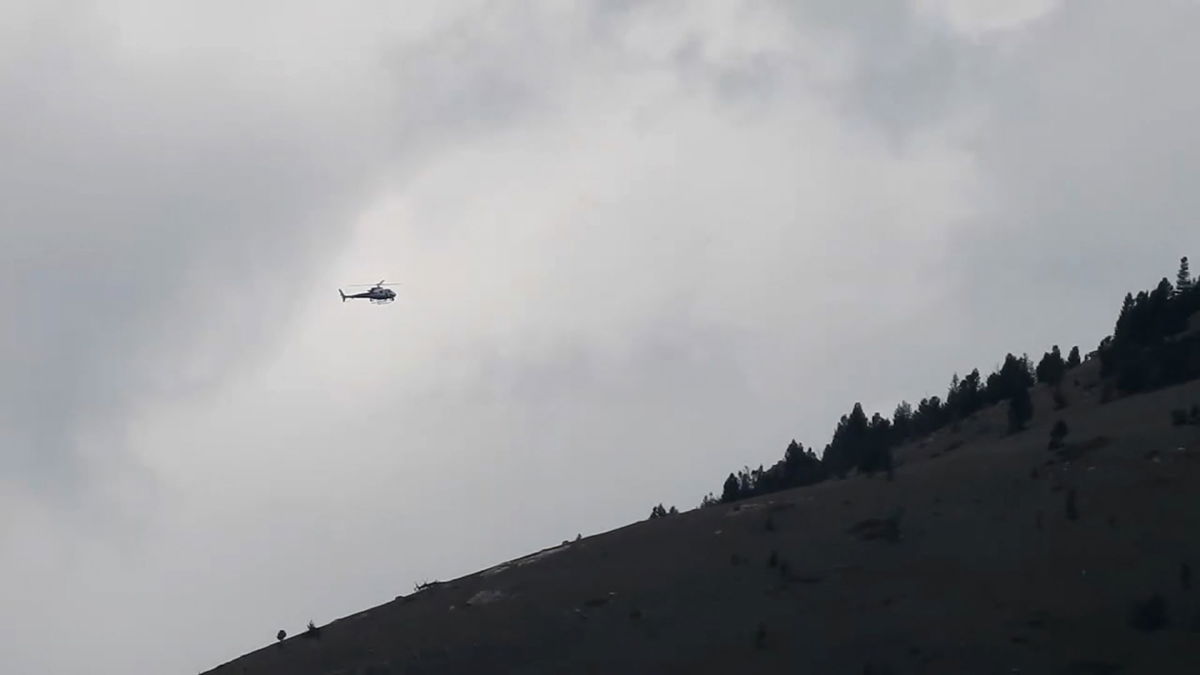
Authorities locked down the Barker Lake area of the Beaverhead-Deerlodge National Forest over the weekend as local, state and federal agencies searched by land and air, the Montana Department of Justice said.

On Tuesday, Johnson declined to specify the latest scope of the search area.

“The type of terrain, it’s very challenging, so we have expanded our perimeters to look in different areas,” he said.

So far, there’s been no evidence that Brown has broken into cabins in the popular area, the attorney general said.

“There’s a number of cabins up there. They’ve all been swept and checked,” Knudsen said.

Anaconda resident Dan Haffey, who was a fire foreman for the Montana Division of Forestry, knows the area well. He told CNN his team would cut trails into Garrity Mountain for hikers.

“There’s a thousand places to hide on that mountain,” Haffey said.

“I’ve been on forest fires, and in that drainage up there, and (there are) 5,000 acres,” Haffey said. “That mountain is gigantic.”

The dozens of agencies searching for Brown include the FBI, Anaconda Deer Lodge County Police, the Granite County Sheriff’s Office, and the Denver office of the Bureau of Alcohol, Tobacco, Firearms and Explosives.

“This manhunt has involved individuals from 38 local, state and federal agencies, and coordination of hundreds from all of those agencies has been a very difficult task,” Anaconda Deer Lodge County Attorney Morgan Smith said Tuesday.

“They are responding to every call, to every tip, and they are tirelessly searching the area where the suspect is believed to be.”

This story has been updated with additional details.

The-CNN-Wire™ & © 2025 Cable News Network, Inc., a Warner Bros. Discovery Company. All rights reserved.

CNN’s Taylor Romine, Josh Campbell, Taylor Galgano, Danya Gainor and Elizabeth Wolfe contributed to this report.

Click here to follow the original article.

Why the manhunt for a Montana mass shooting suspect has proven exceedingly difficult

CNN Newsource

By Holly Yan, Josh Campbell, CNN

(CNN) — Stymied by treacherous terrain and untamed wilderness, authorities are struggling to find an Army veteran suspected of killing four people at a Montana bar last week.

Investigators say Michael Paul Brown, 45, vanished Friday after gunning down a bartender and three patrons at The Owl Bar in Anaconda – a community of less than 10,000 people nestled between the dense forests and formidable mountains of western Montana.

“This is an unstable individual who walked in and murdered four people in cold blood – for no reason whatsoever,” Montana Attorney General Austin Knudsen said Sunday. “So there absolutely is concern for the public.”

Among the countless potential hideouts: Garrity Mountain, a popular hiking and camping site lined with cabins for outdoor enthusiasts.

As of Tuesday, the Garrity Mountain Wildlife Management Area remained closed “until further notice” due to public safety concerns and an ongoing law enforcement presence, Montana Fish, Wildlife & Parks said.

Other manhunts in the wilderness have lasted weeks – with at least one fugitive still missing after two months.

But it’s not just the challenging landscape impeding Brown’s capture.

The suspect had a big advantage

Brown fled in a sparsely populated area with fewer authorities, one official said, essentially giving him a head start while partnering law enforcement agencies were brought in from around the state.

And Garrity Mountain “is gigantic,” said Anaconda resident Dan Haffey, a former fire foreman for the Montana Division of Forestry whose team cut trails for hikers.

“There’s a thousand places to hide on that mountain.”

An array of local, state and federal authorities have joined in the manhunt, including the FBI, the Granite County Sheriff’s Office and the Denver office of the Bureau of Alcohol, Tobacco, Firearms and Explosives. But many of them had to travel to the manhunt, giving Brown more time to get away.

Denver, for example, is about 600 miles from Anaconda.

The search is exhausting with a grueling landscape

Hundreds of people from 38 local, state and federal agencies have helped with the manhunt, Anaconda Deer Lodge County Attorney Morgan Smith said.

The work is particularly strenuous for crews on the front lines.

“Look, it’s rough terrain up there. We’ve got a lot of personnel up there working. They’re carrying a lot of gear – animals, equipment, packs,” Knudsen said Tuesday.

While investigators have found evidence in the area, they’ve also expanded the search zone, said Lee Johnson, head of the Montana Division of Criminal Investigation.

“The type of terrain, it’s very challenging,” Johnson said Tuesday. “So we have expanded our perimeters to look in different areas.”

There are fewer witnesses around

A $10,000 reward is available for information leading to Brown’s capture. But four days after the killings, Brown still hasn’t been found.

“There’s a lot of land, and not a lot of people,” said Dan Brunner, a former agent at the FBI’s field office in Bozeman, Montana.

“So there’s not a lot of civilians that will be looking out their window looking for a suspicious person,” Brunner said. “This man could easily hide for multiple, multiple weeks if he had resources prepared for himself.”

Brown has already been resourceful in his escape. Even though surveillance footage showed him fleeing in his underwear shortly after the killings, authorities believe he gathered fresh supplies from a white Ford F-150 pickup truck.

“It was a stolen vehicle, but there was camping equipment in it. We believe there was some clothing in it,” Knudsen said.

“So at this point, we have every reason to believe the suspect is fully clothed, shoes on his feet, able to get around.”

His military experience might help

Brown’s military background may have also honed his tactical skills.

He served in the US Army from January 2001 to May 2005 and was part of an armored vehicle crew, Army spokesperson Lt. Col. Ruth Castro told CNN. Brown was deployed to Iraq from February 2004 to March 2005.

He later joined the Montana National Guard from April 2006 to March 2009 and left military service as a sergeant, Castro said.

Brown is the latest fugitive with military experience who’s led authorities on an arduous manhunt through the wilderness.

Army veteran Travis Decker is still nowhere to be found two months after authorities said he suffocated his three daughters and left their bodies in the woods near Leavenworth, Washington.

Joseph Couch, a former combat engineer in the Army Reserve, evaded capture for more than a week last year after he sprayed bullets from an AR-15 onto cars on Interstate 75 in Kentucky, wounding five people. After an 11-day manhunt, Couch’s body was found with a self-inflicted gunshot wound.

It’s not clear how long Brown might be able to elude authorities.

“If someone has knowledge of a wooded area – in other words, they live there, they may have hunted there, they know that area – they can live there for quite a long time, and those are some of the toughest people to locate,” retired US Marshal Steve Prosser said.

However, “even if you have survival skills, you’re not equipped in the long term to be self-sustaining without the help of other human beings,” said Donald Lane, who worked as a Secret Service agent and with the Department of Homeland Security for 20 years.

But authorities are confident Brown won’t outsmart them.

“We’ve got a lot of expertise, a lot of knowledge of the area,” Knudsen said.

“We’ve got every cabin, every hunting site that’s known up there pinned. There is a tremendous number of assets focused on searching that area.”

CNN’s Taylor Romine and Cindy Von Quednow contributed to this report.

The-CNN-Wire™ & © 2025 Cable News Network, Inc., a Warner Bros. Discovery Company. All rights reserved.

Click here to follow the original article.