Arizona church group escapes Israel after joint U.S.-Israeli strikes on Iran over the weekend

By Elenee Dao

Click here for updates on this story

    PHOENIX (KNXV) — n Arizona church group made it out of Israel after the joint U.S.-Israeli strikes on Iran over the weekend, describing a faith-based experience that turned into an evacuation.

Pastors Patrick Marks and Steven Long recorded a Facebook video from Tiberias, in the lower Galilee region, shortly after President Trump announced the joint strikes on Iran.

“Here on the ground in Israel, there are a few booms up in the sky occasionally,” Marks said in the video, with the Sea of Galilee behind them.

The two pastors, along with 22 others from Surprise-based Calvary Chapel FourteenSix, were on a faith trip when their itinerary suddenly changed.

“For us, it’s very special to go to the place where we know that Jesus lived and where he died and rose again,” Long said. “Then you juxtapose that against this backdrop of, oh my goodness, now there’s all this unrest going on and bombs and missiles are flying overhead. And it’s just a really weird emotional dichotomy.”

During the trip, they heard sirens to shelter, adding that the booms came in waves, day and night.

“It was quite loud when the Iron Dome started intercepting the incoming missiles from Iran. It was right above our heads. It was very loud,” Marks said.

Both pastors say they never panicked, but they aren’t leaving without a message.

“I would just say pray for the peace of Israel, pray for the peace of Iran, pray for our troops, everybody that’s involved. Like we said earlier, we don’t want anybody to suffer,” Long said.

The group is out of the war zone and expected back in the U.S. within days.

Another Arizona church also has members in the region. Calvary Chapel Snowflake says their group is being taken care of and are safe. They continue to ask for prayers as they work to bring them home. A spokesperson for U.S. Representative Eli Crane said he and members of his staff have been in contact with family members of that group since Saturday and “are doing everything possible to help.”

This story was reported on-air by a journalist and has been converted to this platform with the assistance of AI. ­­­KNXV verifies all reporting on all platforms for fairness and accuracy.

Please note: This story was provided to CNN Wire by an affiliate and does not contain original CNN reporting. This content carries a strict local market embargo. If you share the same market as the contributor of this article, you may not use it on any platform.
Community “powdered” by dust from quarry, raising health concerns

By Meghan Schiller

Click here for updates on this story

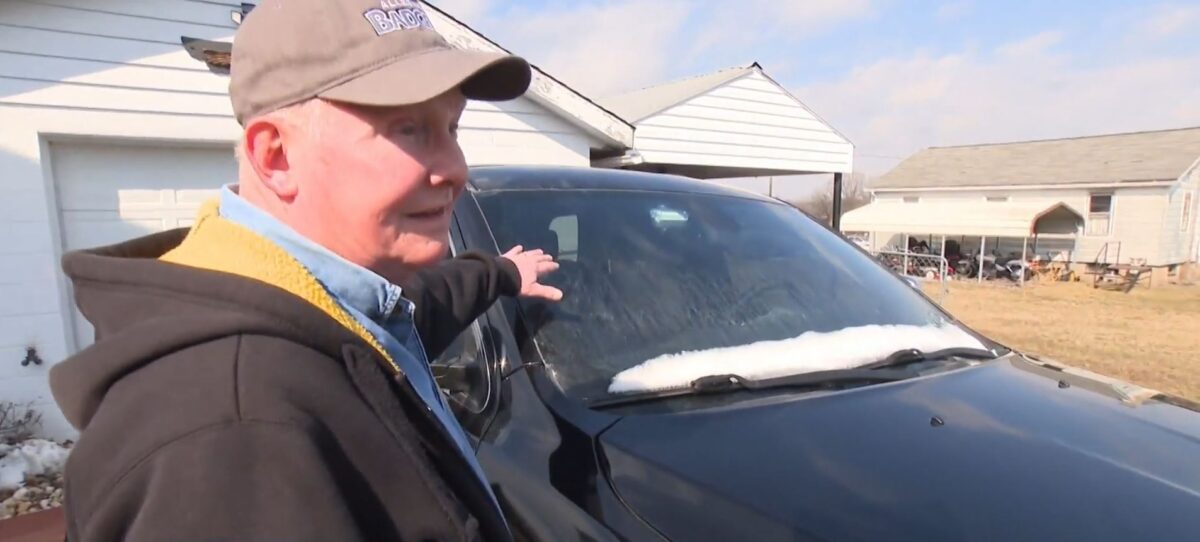
    WESTMORELAND COUNTY, Pennsylvania (KDKA) — From freshly washed cars to air conditioning units to entire porches, dust is blanketing one Westmoreland County neighborhood.

Charlie Sherba is in a constant battle with dust from the nearby quarry. He says even his black cat Jessie comes back inside looking gray.

“Basically, you get up one morning and it’s like somebody just powdered everything with dust,” Sherba said.

He says the Derry Stone SMT site opened a new crushing facility a few years back. Its website says it’s “mostly sandstone with whitish grey color that is now state approved.”

The site adds it will save on fuel by hauling the stone a shorter distance to the plant, since this spot is closer to the mine pit. But Sherba now thinks it’s too close — about 1,000 feet from his and his neighbors’ backyards.

“We’re left to deal with it,” Sherba said.

Bill Feldbusch lives on Isabella Street, right at the border of Westmoreland County, across the river from Blairsville.

“We don’t know how hazardous the dust is for us,” he said.

“We’re just a small community and a few houses and stuff, but we’re people too,” he added.

With the sandstone dust not easing up, they started calling doctors and getting lung X-rays.

“You have trouble breathing. If I’m outside in the summer cutting grass, or he’s cutting grass, by the end of the evening, you can hardly breathe,” Sherba said.

KDKA Investigates asked Dr. Bob Cohen, a professor at the University of Illinois’s School of Public Health, about the potential health effects of this dust.

“Actually what we tell people is that the dust that you can’t see is the stuff that’s the most dangerous, because the smaller particles, the really, really fine stuff, is very hard to see with the naked eye,” he said.

Cohen treats workers who breathed in high amounts of this material in the mines for decades, causing irreversible damage. But he says these neighbors should do everything they can to control the dust, keep it out of their homes and prevent overexposure.

“The number one thing is prevention, prevention, prevention,” Cohen said. “Because when people develop these diseases, they’re untreatable. We can’t cure them. We can’t reverse them. I’ve had a number of patients occupationally exposed who’ve gone to lung transplant. So we have to prevent these diseases.”

KDKA Investigates stopped by the quarry, hoping to ask what management is doing to control the dust. Its attorney Joseph Bucci reached out in response, saying it’ll gladly meet with the impacted residents to talk about how the quarry can address their concerns.

“Derry Stone has always operated its facilities in compliance with applicable regulations and laws and submits to regular inspections to confirm its compliance, which has always been achieved as determined by the authorities exercising jurisdiction over our quarry,” the statement said.

Neighbors say the quarry also kept operating this winter without working sprinklers. They showed alleged text messages where the quarry manager said the water lines froze, but they would turn the water back on shortly.

KDKA asked the Pennsylvania Department of Environmental Protection whether that constitutes a violation, and what the quarry’s permit requires to keep the dust down. KDKA also sent a list of 10 questions about the quarry’s inspection records, air quality monitoring, and dust suppression measures.

The DEP replied, saying it could not answer the questions by airtime, saying the office has been “very busy” with the secretary’s budget hearings last week and this week.

Cohen says the medical evidence is clear.

“They can cause a lot of inflammation in the lungs, they can cause scarring of the lungs,” Cohen said. “Silica also causes obstructive lung disease that is like chronic bronchitis and emphysema, and sadly, it’s a human carcinogen. It’s a Class IARC human carcinogen. So silica is a pretty nasty dust when you talk about all the dust.”

These neighbors say they just want to see action to protect their health.

“Better control, like dust screens,” Feldbusch said.

“They make curtains, I’ve looked it up myself,” said Sherba said. “Out in the Midwest, they use these screens to contain the dust. I can’t see why they can’t do it here.”

Please note: This story was provided to CNN Wire by an affiliate and does not contain original CNN reporting. This content carries a strict local market embargo. If you share the same market as the contributor of this article, you may not use it on any platform.
Underground Railroad connection discovered in museum

By Noelle Lilley

Click here for updates on this story

    NEW YORK (WCBS) — The Underground Railroad was an organized network in the United States that helped enslaved African Americans escape to freedom through safe houses and secret routes with the help of abolitionists, dating back to the 1700s and through the Civil War.

Last month, Manhattan historians at the Merchant’s House Museum connected a hidden passageway in the 19th century home to the Underground Railroad.

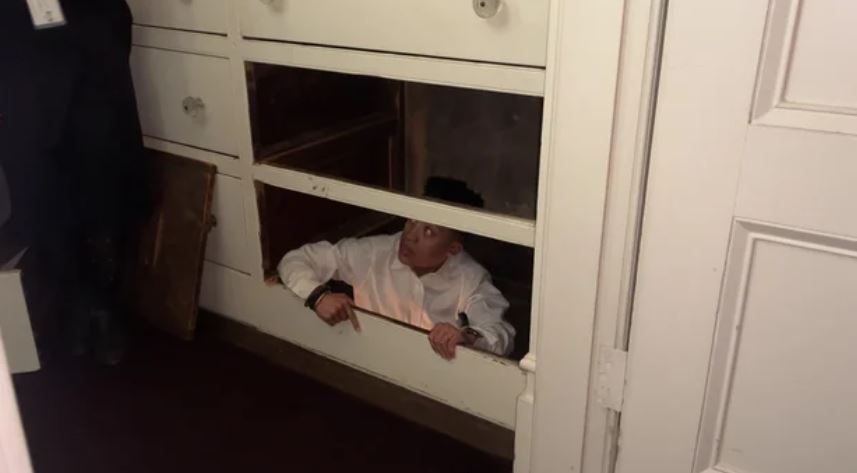
In the drawers of a built-in closet on the second floor of the home, archivists found a space with a ladder going down that could have been used as a secret passageway or hiding spot.

“We have an access point here, and it extends one floor below, but we’re not sure whether there was a door below that or whether it was just a place someone might hide. There’s lots of open questions still,” said Camille Czerkowicz, curator and collections manager at the Merchant’s House Museum. “What makes this so astounding is that you can see the intention in the way the lid was constructed.”

The home was originally built by Joseph Brewster in 1832. In 1835, he sold the house to Seabury Tredwell and the Tredwell family who would go on to live there for almost 100 years. Recent research into Brewster’s life revealed he was an abolitionist and was active in the anti-slavery movement. Brewster lived here for only three years.

“That caused us to really take a deep look at what was in our institutional archive and reevaluate, in particular, this space,” said Czerkowicz. “Even though enslavement was not legal in New York, New York was a pro-slavery place, and it was very dangerous for Black people and for any white person who spoke out against slavery.”

The museum points to the uniqueness of the space as additional evidence that it was connected to the Underground Railroad. Czerkowicz explains that there are no other spaces like this safe house in the home or in similar townhouses of that period.

“The other piece of evidence that I think is really compelling, is that we know that when Joseph Brewster left this house in 1835, he moved downtown, where he was called to be a leader at a new church. And we know that as a leader in this church, he approved another secret space in that church,” added Emily Hill-Wright, the Director of Operations at Merchant’s House Museum. “And so it shows that he has a pattern of building these sort of hidden secret spaces into buildings.”

Now with this discovery, the museum hopes to learn more about what other connections might be hidden in plain sight across New York City and reignited the museum’s efforts to protect its landmark status. It also acts as a modern testament to the change everyday New Yorkers can make in the world around them.

Please note: This story was provided to CNN Wire by an affiliate and does not contain original CNN reporting. This content carries a strict local market embargo. If you share the same market as the contributor of this article, you may not use it on any platform.
South Florida “miracle fruit” helps cancer patients manage chemo taste changes

By Ivan Taylor

Click here for updates on this story

    MIAMI (WFOR) — A small red berry grown in South Florida is helping cancer patients reclaim something many lose during treatment: the ability to enjoy food.

Known scientifically as Synsepalum dulcificum, the fruit is commonly called the “miracle fruit” because of its remarkable effect on taste buds — particularly for patients undergoing chemotherapy.

Julie Ascen has been battling MALT lymphoma for nearly a year. Even before starting chemotherapy, eating was a struggle.

“When I tried the miracle fruit for the first time, my whole life changed,” Ascen said. “It made the food taste better.”

Chemotherapy often causes what doctors call “chemo mouth” — a persistent metallic or unpleasant taste that makes eating difficult.

Dr. Mike Cusnir, an oncologist at Mount Sinai Medical Center, has led some of the first studies examining the fruit’s impact on cancer patients experiencing taste changes.

“What patients report with chemotherapy is that they may develop a bothersome taste that could be described as metallic, rotten food,” Cusnir explained.

The miracle fruit temporarily alters taste buds for about 30 to 40 minutes. During that window, sour and bitter foods can taste sweet, making meals more tolerable.

But Cusnir is clear about its limitations.

“It is not the miracle cure,” he said.

Instead, he describes it as a supportive tool — one that may help patients maintain nutrition and continue treatment.

At Miracle Fruit Farm in the Redland agricultural area, owner Erik Tieting has been cultivating thousands of trees since 2012.

“Miami is really the only perfect place in the United States to grow the bushes,” Tieting said.

He often demonstrates the fruit’s effects by having people taste a lemon after eating the berry.

“Anybody who has ever tried it finds that the effect is absolutely immediate,” he said. “It tastes now more like an orange.”

The fruit itself is delicate. If not frozen, it can lose its potency within about 48 hours. Today, it’s often sold frozen in cubes — typically 15 per package — to preserve its effects.

Researchers at the National Institutes of Health and Memorial Sloan Kettering Cancer Center have studied the fruit’s properties. Locally, both Mount Sinai Medical Center and Miami Cancer Institute make it available to patients as needed.

For Ascen, the impact goes beyond taste.

Radiation and chemotherapy may fight the cancer, she said, but they also bring overwhelming side effects.

“They kill the cancer, but they also do some damage to you in the rest of the process,” she said.

The miracle fruit gives her back a sense of control.

“It is one of those miracles that, if you have this disease, you want to live your life and not have it control you. And this lets it not control me; I can control myself.”

A small berry grown in South Florida — making a meaningful difference, one meal at a time.

Please note: This story was provided to CNN Wire by an affiliate and does not contain original CNN reporting. This content carries a strict local market embargo. If you share the same market as the contributor of this article, you may not use it on any platform.
“Rat lovers” wanted to adopt dozens of rodents surrendered in Massachusetts

By Neal Riley

Click here for updates on this story

    BOSTON (WBZ) — Looking to add a furry friend to your home? How about a rat?

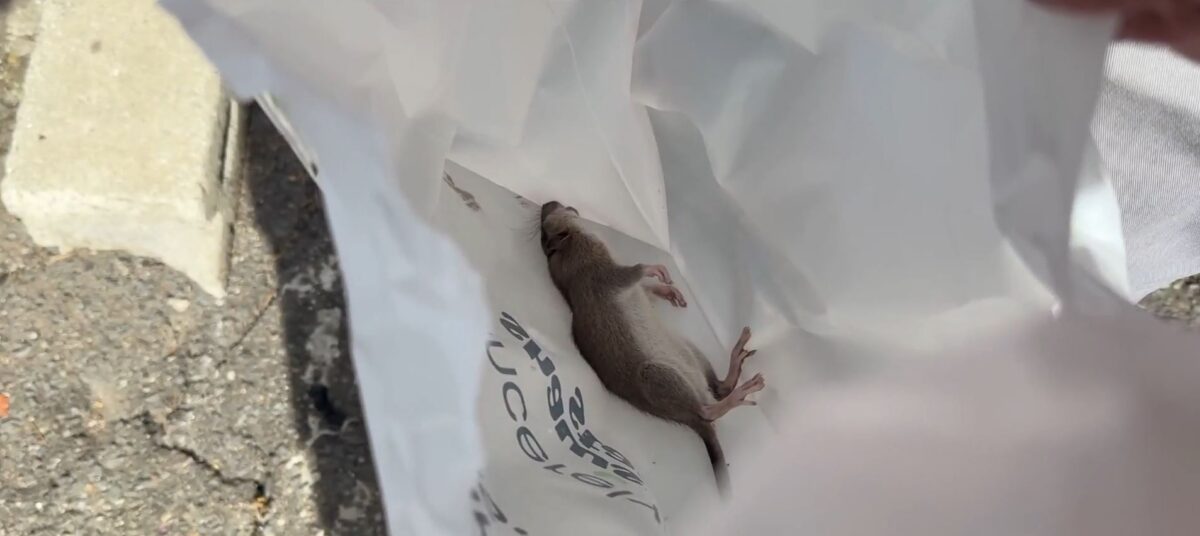
The MSPCA-Angell in Boston is looking to find homes for dozens of rats after 163 rodents were removed from a home in Essex County last month.

“A well-meaning person got into a tough spot, and we were able to help,” the MSPCA’s Mike Keiley said in a statement.

This was the largest rat surrender that the MSPCA has seen in more than five years, and 60% more than the total number of rats the organization adopted out in 2025. Caring for so many small animals of the same species takes up a lot of the MSPCA’s resources, Keiley said.

The MSPCA has taken in 53 of the rats, while other shelters like the Animal Rescue League of Boston, the Lowell Humane Society and the New Hampshire SPCA have also stepped up to help.

Boston has worked for years to tackle the city’s rat problem. So why would anyone want a rat for a pet?

“Rats have a bad reputation, but they actually make really great companion pets,” Keiley said. “They’re smart and clean. They also form deep bonds with their owners.”

The MSPCA is making the rats available for adoption on their website.

“We’re hoping that rat lovers-and anyone looking for a less conventional small pet-comes out and gives these great animals the happy homes they deserve!” Keiley said.

Please note: This story was provided to CNN Wire by an affiliate and does not contain original CNN reporting. This content carries a strict local market embargo. If you share the same market as the contributor of this article, you may not use it on any platform.
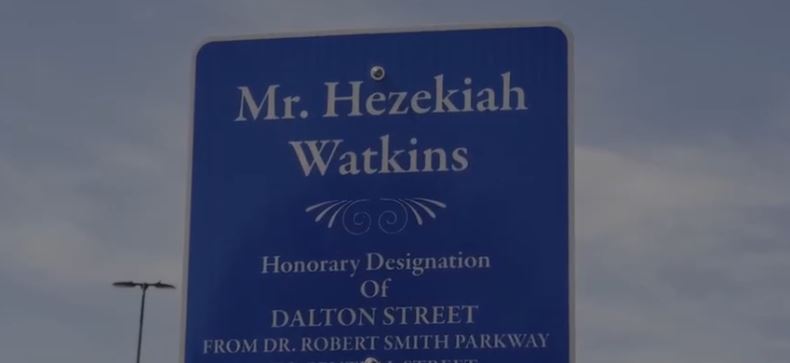
Street renamed in honor of Hezekiah Watkins, youngest Freedom Rider

By Omose Ighodaro

Click here for updates on this story

    JACKSON, Mississippi (WAPT) — At 13 years old, Hezekiah Watkins became the youngest Freedom Rider in the country. In Jackson, he was arrested alongside dozens of other civil rights activists. Now, a street in the city is named in his honor.

On Monday, Watkins attended a ceremony where a section of Dalton Street, from Dr. Robert Smith Parkway to Central Street, was designated to him. Family, neighbors, and city leaders, gathered in his honor.

“I don’t have the words to express my feelings right now,” Watkins said.

In 1961, during the Civil Rights Movement, Watkins was on summer break and wanted to watch as the Freedom Riders arrived in Jackson. He was mistakenly swept up in the protest near the city’s Greyhound bus station and arrested. Authorities thought he was part of the demonstration and Watkins spent five days in jail on Mississippi’s death row. Though he was later released, from that moment, Watkins dedicated his life to activism. He organized boycotts and registered Black voters across Mississippi. Over the years, he was arrested over 100 times, often with unnecessary force.

“The trauma still lives inside, but I don’t let that deter me from anything that I want to do or say,” Watkins said. “I hope young kids can just come by and see the name on the sign and ask, ‘Who is this guy? What did he do? Why is his name up there?’ and can get educated through this sign.”

In January, the City of Jackson also formally acknowledged its past actions and Mayor, John Horhn, delivered an official apology to Watkins.

“The apology just wasn’t for me it was for all of the Freedom Riders that have been forgotten,” Watkins said. “But in receiving this apology, it made me feel so tall. It made me want to forget some of the things that happened.”

Community leaders say the new street designation is about ensuring future generations understand Watkins’ story and impact. The historic event recognized Watkins as a civil rights leader, businessman, and neighborhood leader.

Watkins, now 77, says he hopes he can carry the fight just a little longer before passing the torch.

Please note: This story was provided to CNN Wire by an affiliate and does not contain original CNN reporting. This content carries a strict local market embargo. If you share the same market as the contributor of this article, you may not use it on any platform.
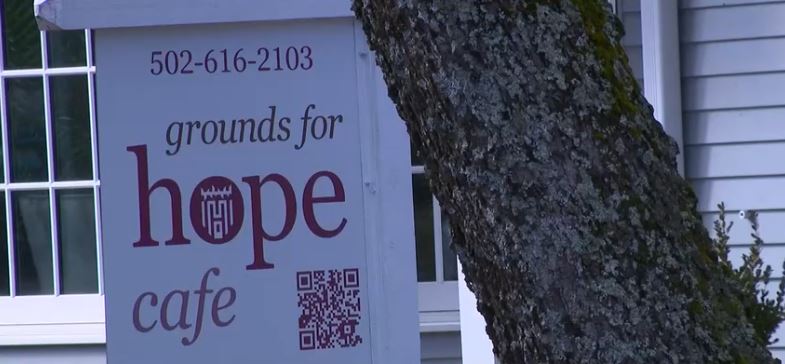
Coffee shop serving second chances through partnership with nonprofit

By Jennifer Baileys

Click here for updates on this story

    ANCHORAGE, Kentucky (WLKY) — A new coffee shop is serving up more than lattes—it’s serving second chances.

Tucked in the heart of Anchorage, Kentucky, Grounds for Hope Café (11605 Hazelwood Road, Anchorage, KY 40223) opened its doors in May 2025, but the mission behind it has been years in the making.

“We did a fundraiser a few years back, and Leo Fonte roasted us a coffee named after our fundraiser, which was Grounds For Hope,” said cafe owner Tiffany Davis.

The cafe helps support the nonprofit The Prisoner’s Hope. It was founded by husband and wife Tiffany and Darryll Davis. Darryll served more than two decades in prison before turning his life around and building a ministry focused on breaking the cycle of reincarceration.

“Same men in and out, and I thought, what in the world is going to change the game? I started calling and just asking questions like, what happened? Why did you come back? I couldn’t get a job. I didn’t have clothes and nowhere to go and no support base, and I thought, this is fixable,” said Darryll Davis.

The coffee shop, which serves Sunergos Coffee, acts as a revenue stream to fund The Prisoner’s Hope transitional housing and mentoring programs. The organization currently serves about 260 people going into, currently in, or coming out of prison. It is a Christ-centered ministry dedicated to transforming the lives of incarcerated individuals and their families.

“We have a lot of families and children as well, and to date, since we’ve been a nonprofit, we’ve worked with about 1600 people. Very rewarding work. It’s mutual transformation. Just watching success happen is almost enough by itself to see so much life changed,” said Darryll Davis.

One of those success stories is Jack Story.

“They’re helping me out since I was incarcerated, been released. They gave me a place to go, showed me fellowship, church things, brotherhood, community. Very, very helpful people. Been very kind and giving me that second chance of life,” said Story, a participant.

Story said the support made all the difference for him and others in the program.

“We need opportunity to become a part of society again because that’s what we want to do. We don’t want to seclude ourselves and not be a member of society. We just need a little help to get there,” said Story.

Beyond coffee, the shop hosts an after-school kids club, Sunday church services, a prayer box and community events — all to share the message that being a good neighbor means doing your part to make the world a better place.

“We need to get involved. Please get involved. That would be my plea. This is how we impact life,” said Darryll Davis.

The Prisoner’s Hope is in need of volunteers, mentors and donations.

Grounds for Hope Café is open Monday-Friday 7 a.m. to 4 p.m. and Saturday 9 a.m. to 2 p.m.

Please note: This story was provided to CNN Wire by an affiliate and does not contain original CNN reporting. This content carries a strict local market embargo. If you share the same market as the contributor of this article, you may not use it on any platform.

Wrongful death lawsuit filed by family of man who died following injury in prison

By Jack Thurston

Click here for updates on this story

    BURLINGTON, Vermont (WPTZ) — A Chittenden County mother is suing the Vermont Department of Corrections and its medical providers following the death of her son in state custody.

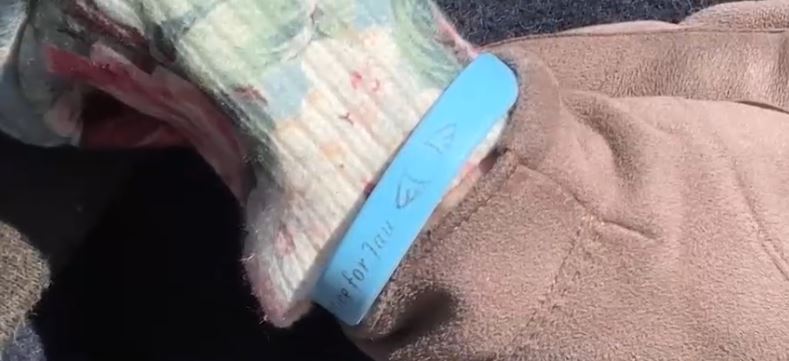
“I miss him so much,” Lisa Steadman said of her son, 40-year-old Jayson Colebaugh.

According to a new lawsuit, Colebaugh was a Type 1 diabetic who was suffering from a dramatic drop in blood sugar in March of 2025 when he fell out of the top bunk in his cell at Northern State Correctional Facility. The next month, Colebaugh died from the head injury that resulted from the fall.

On Monday, Colebaugh’s mother and other family members told reporters that the death never should have happened. They announced the filing of a civil lawsuit that claims Jayson did not receive the medical care he needed for his diabetes. The suit also alleges the correctional facility failed to give Colebaugh a pass guaranteeing him a bottom bunk, despite his risk of seizures.

“Jay’s injury was preventable,” Steadman said. “Instead, they created an environment that put him in danger, and ultimately, took his life.”

The lawsuit filed late on March 1 asks for a jury trial and financial damages, according to Steadman’s attorney, David Rankin of the New York City law firm Beldock Levine & Hoffman.

NBC5 News reached out to the Vermont Department of Corrections for a response to the newly filed lawsuit.

“Per standard practice, the Department does not comment on ongoing litigation and, under federal law, cannot release information about someone’s medical care without a Release of Information,” Haley Sommer, the director of communications and legislative affairs for the department, wrote in an email to NBC5 News.

In his obituary, Colebaugh’s family said he struggled with substance use disorder. Monday, Rankin said Jayson was behind bars at the time of his fall on an alleged probation violation.

“I will fight for Jay and for his family, and for all the inmates and their families that are at the mercy of a broken system,” Steadman said, remembering her son as handsome, funny, helpful, and someone she very much enjoyed spending time with.

Please note: This story was provided to CNN Wire by an affiliate and does not contain original CNN reporting. This content carries a strict local market embargo. If you share the same market as the contributor of this article, you may not use it on any platform.

Bomb squad called after family discovers WW2-era explosive during property cleanup

By Zach Rainey

Click here for updates on this story

    CHEROKEE COUNTY, North Carolina (WYFF) — The bomb squad was called after a family in Cherokee County, North Carolina, discovered a World War II-era relic while cleaning out property belonging to a dead relative.

On Feb. 26, the Cherokee County Sheriff’s Office responded to a home after family members found two explosive devices while cleaning out the property.

When deputies arrived, they found that one of the devices was a smoke grenade while the other was an MK2 grenade. Both devices reportedly appeared to be live but in stable condition.

The scene was secured and agents with the North Carolina State Bureau of Investigation Bomb Squad responded to the scene to remove and dispose of the devices.

The sheriff’s office said no other devices were found, and no charges are expected at this time.

The MK2 grenade or the “pineapple grenade” was one of the most iconic grenades carried by U.S. forces. It was used extensively throughout World War 2, where soldiers used it to clear bunkers, trenches, and fortified positions across the Pacific.

The grenade continued to serve in the Korean War and the early stages of the Vietnam War before being replaced by more modern designs.

Please note: This story was provided to CNN Wire by an affiliate and does not contain original CNN reporting. This content carries a strict local market embargo. If you share the same market as the contributor of this article, you may not use it on any platform.

Cher’s son Elijah Allman arrested in New Hampshire for second time in three days

By Arielle Mitropoulos

Click here for updates on this story

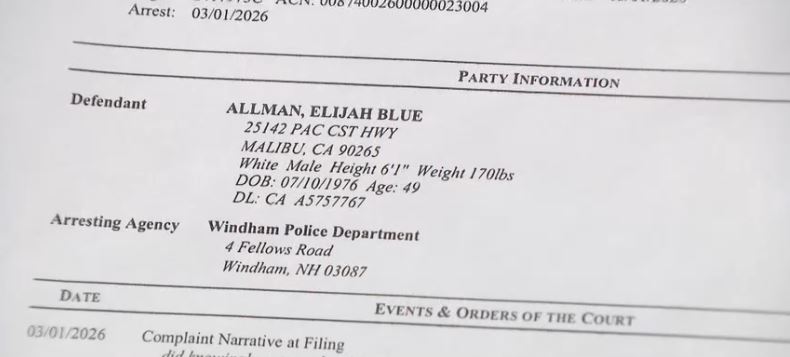
    WINDHAM, New Hampshire (WMUR) — The son of superstar singer Cher and Greg Allman is in jail in New Hampshire after he was arrested for a second time this weekend.

Elijah Blue Allman was arrested Sunday in Windham and is accused of breaking into a house on Ministerial Road through the back door.

According to an affidavit, a woman inside the home called 911 while hiding in a closet.

When police arrived, they found that a glass pane in the back door had been shattered, and Allman was sitting on the couch smoking a cigarette. Police said he told officers the homeowner said he was allowed to be there.

This was the second time in 48 hours that Allman had been arrested in New Hampshire. On Friday, he was arrested at St. Paul’s School in Concord when officers found him in the dining hall.

In a statement to News 9, St. Paul’s School said safety for their students and staff is their top priority.

“The safety and well-being of our students, faculty and staff are our top priorities. While we welcome visitors to our campus throughout the year for sporting events and other gatherings, there are clear policies in place regarding visitor access, and those policies are enforced by Campus Safety. With rare exceptions for special events, all campus buildings are locked at all times, with access limited by ID card to students, faculty, and staff only. We train our students and employees not to allow visitors into any secure areas of the School. However, since the School’s founding in 1856, our campus has been a well-known feature of Concord, New Hampshire, and many community members make daily use of our trails and paths. Balancing safety with welcoming the community is a challenge for all schools, colleges, and universities right now. We are grateful to the Concord Police Department as well as to the rest of the Concord Public Safety team for helping us ensure the safety of our community, and we refer all further inquiries to Concord Police,” the school said.

Allman is facing a number of charges in connection with the two arrests, including simple assault, burglary and criminal mischief. He is also charged with violating his bail from the first arrest when he was arrested a second time.

There don’t appear to be any obvious connections between Allman and New Hampshire. Court paperwork shows Allman’s address as a home in Malibu, California, worth upward of $16 million.

Please note: This story was provided to CNN Wire by an affiliate and does not contain original CNN reporting. This content carries a strict local market embargo. If you share the same market as the contributor of this article, you may not use it on any platform.