Congolese refugee turned fashion designer is dressing Kentucky’s governor, NBA stars

By Evelyn Schultz

Click here for updates on this story

    LEXINGTON, Kentucky (WLEX) — A Lexington fashion designer who came to the United States as a Congolese refugee is building a high-fashion brand, dressing some of the most recognizable names in sports, music, and politics along the way.

Albert Lukonga is the founder of Albert Couture, a custom clothing brand based on Third Street in Lexington. Eight years after launching the label, his client list includes jockeys, NBA players like Reed Shepherd, and the CEO of the Grammy Awards.

“That’s the best part, you know, especially when you get to travel to all these places, meet a lot of talented people who are very, very successful, but they trust you over Gucci, Tom Ford, and Balenciaga,” Lukonga told LEX News as we sat down in Kentucky’s first fashion house.

Kentucky Gov. Andy Beshear is among those clients. Lukonga was the tailor on Beshear’s Vogue photoshoot last year. He says he approached the project with one goal in mind.

“I wanted to address him as not for who he was then, but who he’s becoming,” Lukonga said.

As speculation grows about a potential 2028 presidential run for Beshear, Lukonga says his work with the governor will evolve.

“It’s fun because we’re working on something casual, some casual wear,” said Lukonga. “We call it the American dad style. So stay tuned for that.”

Lukonga’s journey to dressing the governor started before he ever arrived in Kentucky two decades ago, through a United Nations resettlement program. Born in the Democratic Republic of Congo, he grew up learning about clothing from his mother, a fashion designer herself. But after graduating from Henry Clay High School in Lexington, he initially considered a different path.

“Every foreign kid out there that knows their parents is like physician, lawyer, whatever, engineering. So I was like, OK, I’ll try this med school, this med stuff, let’s see what happens,” Lukonga said. Fashion ultimately won out, and now he’s responsible for creating one-of-a-kind pieces for discerning clients.

In the future, Lukonga wants to put Lexington on the map alongside fashion capitals like New York City and Paris. He hopes his story motivates other Kentuckians to pursue their own goals.

“Somebody who’s started from nothing and was able to show and remind Americans that it is possible to have a dream still,” Lukonga said.

Lukonga’s next fashion show showcasing his fall collection is scheduled for August 1 in Lexington.

Please note: This story was provided to CNN Wire by an affiliate and does not contain original CNN reporting. This content carries a strict local market embargo. If you share the same market as the contributor of this article, you may not use it on any platform.

Going fishing? Officials confirm carp from Utah Lake are safe to eat after 20 years

By Mya Constantino

Click here for updates on this story

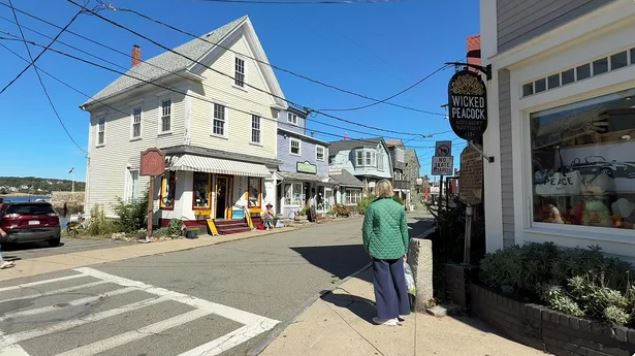
    UTAH COUNTY, Utah (KSTU) — After more than 20 years of health concerns, officials say it is now safe to eat carp caught in Utah Lake.

Utah Lake Authority officials said the change comes after years of watershed restoration projects and removing nearly 30 million pounds of invasive carp and reducing toxic Polychlorinated Biphenyls (PCBs) — man-made industrial chemicals used in industrial and electrical equipment — found in carp.

These efforts have helped improve the lake’s health and made it safer for recreation.

One of the people recreating on Wednesday was Skinny Chantharath, who lives in Provo. Chantharath has fished at the lake for over 30 years.

Over that time, he has caught a wide range of fish, including carp. But he said he hasn’t eaten Carp since the late 1980s.

“The first time I came to the U.S., I ate that Carp, you know?” he said while at a fishing dock.

For years, many anglers avoided exactly that.

According to Utah Lake Authority executive director Luke Peterson, those toxic chemicals likely came from old electronics dumped at the old Geneva Steel mill in Vineyard, which then washed into the lake. Since carp are bottom feeders, the chemicals settled into the mud and ended up inside the fish.

“We went from having dramatically high PCBS in 2005 to where they have dropped so dramatically,” said Luke Peterson, executive director of the Utah Lake Authority.

“It means that the future of Utah Lake is bright. I always say the lake is the healthiest it has been in at least 100 years. We’re excited to say as we’re entering summer, that the lake is healthy, it’s a place to recreate.”

And perhaps a place for Chantharath to catch and eat Carp after all these years.

“You know, some people just come fish for fun,” Chantharath said.

Please note: This story was provided to CNN Wire by an affiliate and does not contain original CNN reporting. This content carries a strict local market embargo. If you share the same market as the contributor of this article, you may not use it on any platform.
Regenerative farming helps this farmer use less water during dry year

By Mythili Gubbi

Click here for updates on this story

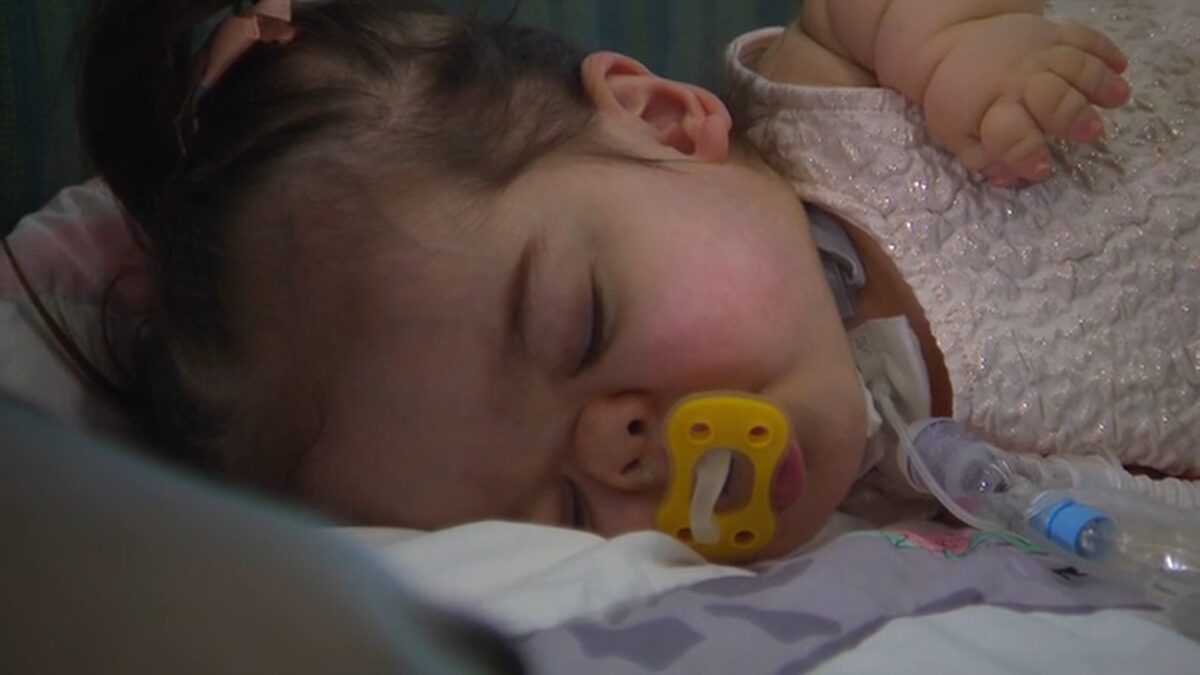
    OGDEN VALLEY, Utah (KSTU) — While farms across the state are trying to figure out how to work with limited water from the lack of snowpack, one Ogden Valley farmer is going down to the roots.

Argyle Acres is a regenerative farm in Liberty working to increase the organic matter in soil to make it healthier and hold water better.

For Chris Argyle, farming is his way of making the world a better place.

“This is something that is deep down in your soul that you feel when you’re seeing a farm working in rhythm with Mother Nature, it is awe-inspiring,” he said.

To help build topsoil, he rotates where his cows graze using virtual fencing.

“By the time the cows come back around their full circle, this is regrown and ready to go again and they eat again and it’s just kind of a circle that keep going,” said Argyle.

The cows don’t overgraze in one spot and they move around, helping all parts of the land.

They also have chicken tractors with about 400 meat chickens that go through the pasture.

“They just move through the field,” explained Argyle. “They’re leaving all that beautiful fertilizer. Give it a couple weeks, that’s going to come back thicker, greener, lusher.”

Argyle said he is hoping to increase the organic matter in his soil and use less water — something that’s especially important this year.

“We can go off as, probably as much as an eighth to a quarter of the water that any other farms might use,” Argyle said. “The goal here is deeper roots, not disturbing the soil, keeping it covered, and basically what you’re doing is you’re growing a sponge underground.”

This is a slow process and could take Argyle a couple more years to get to that point. He is two years into regenerative farming on this land, but has used his practices before on a smaller scale and seen successful results.

“This is going to change things and make years like these feel not so terrible,” Argyle added.

To help farmers and growers use less water this year, Professor Burdette Barker with Utah State University Extension advises Utahns to just make sure the water you do get is used the right way.

“Depending on the type of irrigation system they have, this is a good year to make sure that things are well maintained, sprinklers are functioning properly, so we’re getting good uniform applications of water,” he said.

Argyle said his method helps produce healthier meat, fills aquafers, and doesn’t use chemical fertilizers.

“This farm is feeding my community,” Argyle said proudly.

They also do agritourism events and want people to visit to learn more about their farming techniques.

Please note: This story was provided to CNN Wire by an affiliate and does not contain original CNN reporting. This content carries a strict local market embargo. If you share the same market as the contributor of this article, you may not use it on any platform.

Four months after a stroke, teen graduates and looks ahead to nursing career

By Spencer Joseph

Click here for updates on this story

    PAYSON, Utah (KSTU) — Gretl Talbot is 18-years-old, a teenager walking across the state at her Payson High School graduation.

Like many others in the audience, this marks her next steps with pomp and circumstance, but unlike her fellow classmates, this day may very well not have happened.

Just a few months ago, getting ready for an ice skating outing on a normal February day, she looked in the mirror and saw her worst fear staring back at her.

The right side of her face was drooping. Her hand had gone completely numb. In that terrifying moment, most teenagers might have panicked or dismissed the symptoms. But Talbot’s recent training as a certified nursing assistant kicked in with life-saving clarity.

“I checked the mirror and saw that my right side of my face was drooping, and was like, ‘yep, I’m having a stroke,'” Talbot said. “It was the scariest moment of my life, but I knew I had to act fast.”

That split-second recognition — and the courage to trust her training over her disbelief — saved her life.

Four months later, she walked across her high school graduation stage, each step carrying the weight of a battle most of her classmates couldn’t imagine.

“It is a lot more meaningful now,” Talbot said, her voice catching with emotion. “I’m here, and I’m able to graduate high school. In some cases, that’s not the case, but in mine, I was able to do it. I made it.”

When Talbot called her sister on Feb. 21, urgency rippled through her family. Her mother rushed over as an ambulance screamed toward their home, arriving within three minutes of the call.

At Mountain View Hospital in Payson, the medical team felt the jarring reality of seeing someone so young fighting for her life.

“Anytime we hear those young numbers of anything — and especially needing to be admitted to ICU — we all pause,” said Amanda McCoy, the ICU and Cath Lab manager. “Why do we have an 18-year-old having a stroke? I can think of a handful of times that they’re in their 20s or younger that really stand out.”

The cause was a patent foramen ovale, or PFO — a small hole in Talbot’s heart that should have closed after birth but never did. It’s thought that PFOs can create a deadly pathway for a blood clot to travel directly to her brain.

It’s estimated that one in four people has a PFO that never closed, including several members of Talbot’s family.

Racing against a narrow treatment window, the medical team administered TNK, a clot-busting medication, within four hours of her symptoms starting.

“Almost immediately, it starts working and just improved throughout the day,” Talbot recalled.

McCoy emphasized that Talbot’s quick thinking was the difference between recovery and devastating loss.

“Time is tissue. Our brain is tissue,” McCoy said. “The longer we go without oxygen to vital organs and tissue, we lose that, and it’s very hard to recover. Time was very important. And it was on her side, because she recognized all of the things that mattered.”

For McCoy and her team, caring for someone so young brought both heartbreak and determination. They stayed by Talbot’s bedside through the critical hours, watching all of the incredible signs of improvement, and working with their young patient who was defying the odds.

“Being in the ICU, we don’t always get to write the endings,” McCoy said. “It’s not always happy endings that we see, despite all of our best efforts.”

Four months after that life-altering night, Talbot returned to the hospital — not as a patient, but as a survivor ready to thank the people who helped save her life.

The reunion was emotional for everyone involved. Talbot, now healthy and strong, embraced the nurses who had cared for her during her darkest hours.

“I was really sad, honestly, to leave my nurses,” Talbot said, tears in her eyes. “Getting to thank them is really, really special to me, because they’re never going to know enough how much I’m thankful for them. They really saved my life.”

The experience didn’t just save Talbot’s life — it revealed her calling. During the reunion, she shared news that brought her nurses to tears: she plans to pursue nursing at BYU-Idaho this fall.

“How could I not go into nursing when I had such great nurses?” Talbot said. “I really want to be able to do that for someone, too. It really hits me hard that I could be a great nurse for someone else on what could be the worst day of their life.”

McCoy said she has no doubt that Talbot will make an extraordinary nurse.

“Gretl is an amazing girl and an amazing family that went through a really hard situation,” McCoy said. “She’s making lemonade out of lemons. I think she will use this experience, plus all the other goodness in her, to help treat others and change the world.”

Walking across that graduation stage in her cap and gown, Talbot carried more than just academic achievement. She carried the gratitude of someone who almost didn’t make it, the strength of someone who saved her own life, and the determination of someone ready to spend her career saving others.

“I’m really excited because I mean, I’m here. I made it,” she said, her smile radiant with the joy of someone who knows how precious each moment truly is.

For her nurses, watching their former patient choose their profession completes a circle of care and compassion that started on the worst night of a teenager’s life and transformed into inspiration for countless patients she’ll one day serve.

Medical professionals use the acronym BE-FAST to help people recognize stroke symptoms quickly:

B – Balance (sudden loss of coordination)

E – Eyes (sudden vision loss or changes)

F – Face (facial drooping or numbness)

A – Arms (weakness or numbness in arms)

S – Speech (slurred or strange speech)

T – Time (call 911 immediately)

Talbot’s story proves that knowing these warning signs can mean the difference between life and death, especially for young people who might not expect to experience a stroke.

Please note: This story was provided to CNN Wire by an affiliate and does not contain original CNN reporting. This content carries a strict local market embargo. If you share the same market as the contributor of this article, you may not use it on any platform.
After a historically dry 2025 monsoon, local farm hoping for a bounce-back

By Kenny Darr

Click here for updates on this story

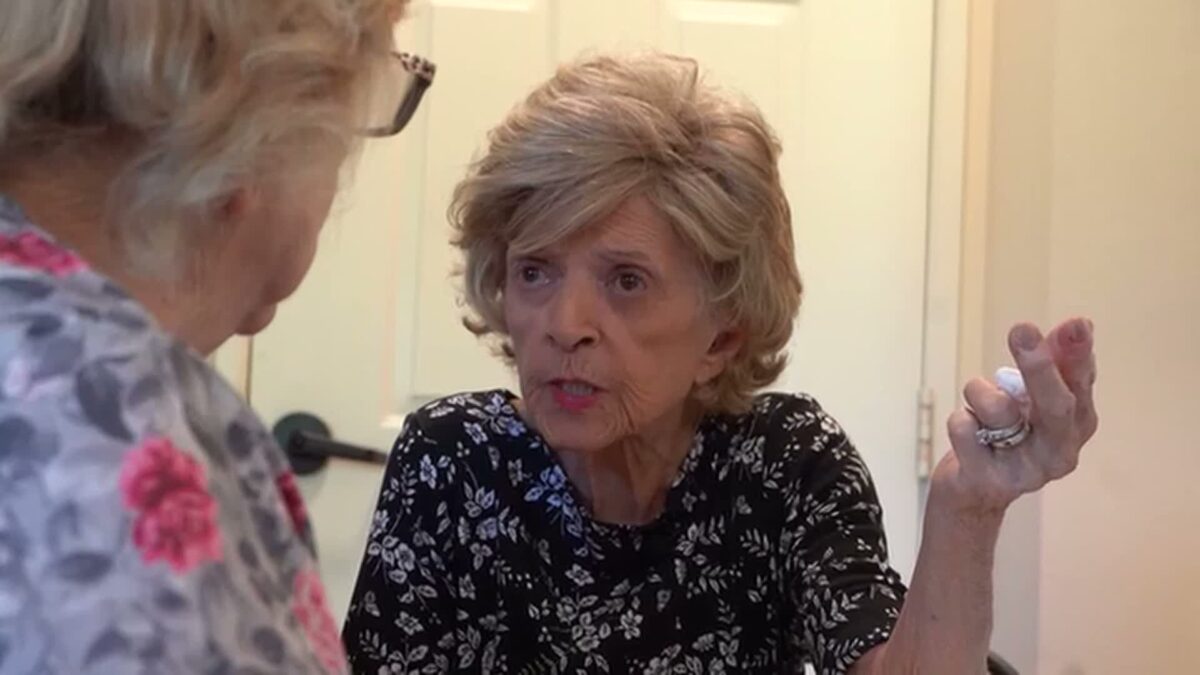
    CATALINA FOOTHILLS, Arizona (KGUN) — As Southern Arizona prepares for the start of monsoon season, one local farm is hoping this summer’s storms will bring more than cooler temperatures.

At Felicia’s Farm in the Catalina Foothills, supervisor Scott Robins says rainfall can directly impact how much food the nonprofit farm is able to provide to people experiencing food insecurity across the region.

Last year’s dry monsoon season made that mission more difficult.

“Yeah, it was a lot of… we spent a lot of money on water, you know, on irrigating everything because we had such a dry summer and that’s when you need the most water,” Robins said.

The farm relies on donated produce and eggs to support organizations serving people experiencing homelessness and poverty. Robins said the lack of rain forced the farm to spend more money on irrigation and limited how much it could plant.

“There was some crops that we didn’t even plant last year because there was no way,” Robins said. “The cost gets so high with water.”

Despite those challenges, Robins said the farm rebounded with a strong winter growing season.

“We had a great harvest,” he said. “We’ve had a lot of product, a lot of produce going out.”

According to Robins, Felicia’s Farm donated nearly 15,000 pounds of food and about 30,000 eggs in 2025. So far this year, he estimates the farm has already distributed between 20,000 and 25,000 pounds of food and roughly 40,000 eggs.

Rainfall provides benefits that go beyond simply watering crops.

Robins said groundwater contains minerals that can build up in the soil over time. Monsoon rain helps wash those minerals away, allowing plants to absorb nutrients more effectively.

“Every other day you’ll see a small growth in them,” Robins said. “And then you get one rainstorm and then everything goes crazy.”

The farm is now preparing for monsoon season, which officially begins June 15.

If Southern Arizona sees regular summer storms, Robins says the benefits could ripple far beyond the farm’s fields.

“It would mean a lot more food for a lot more people, and it would mean a lot less expenses for us,” he said. “Which would help because we can put our money into other things that we need to do.”

Robins said the farm’s mission remains the same regardless of weather conditions.

“That’s the main purpose of it all, you know, is to help people out,” he said.

The National Oceanic and Atmospheric Administration’s seasonal outlook suggests Southern Arizona could see a wetter-than-normal monsoon season this year following a drier-than-normal winter.

Felicia’s Farm relies on community support.

Please note: This story was provided to CNN Wire by an affiliate and does not contain original CNN reporting. This content carries a strict local market embargo. If you share the same market as the contributor of this article, you may not use it on any platform.

After facing closure, Idaho Reptile Zoo keeps rescuing animals and educating families

By Allie Triepke

Click here for updates on this story

    GARDEN CITY, Idaho (KIVI) — Just weeks after facing the possibility of closure, the Idaho Reptile Zoo is continuing its mission of rescuing animals and educating the public, thanks in part to a strong show of support from the community.

The nonprofit organization, now located near Chinden Boulevard and 37th Street in Garden City, serves as both a reptile rescue and educational resource for schools, families and state agencies across Idaho.

Among its many residents is Hope, a ball python rescued from a local pet store after she became ill. Hope’s story is just one of thousands the zoo has encountered over the years.

In 2024 alone, the Idaho Reptile Zoo took in more than 1,000 animals. Many arrived sick, abandoned, surrendered by owners or at risk of euthanasia.

Oscar, a bearded dragon at the zoo was found abandoned. “He was found in a dumpster with his whole enclosure broken and glass everywhere. We rescued him and nursed him back to health,” a volunteer said.

The rescue efforts have inspired volunteers like Sophia Smith, a local high school student who spends her free time helping care for animals and teaching visitors about reptiles.

“I’ve always loved snakes. I’ve been holding snakes since I was like 2 years old,” Smith said.

She says one of the most rewarding parts of volunteering is seeing visitors leave with a new appreciation for reptiles.

“Every single time someone’s like, ‘Oh my goodness, I’ll tell my friends about this,’ or we get a donation, I just feel so appreciative because I really do love this place,” Smith said.

The zoo’s future became uncertain last October when the organization was forced to leave its Boise location after the building changed ownership.

Founder Tyler Messina said the sudden relocation came with significant expenses and nearly forced the nonprofit to shut down.

“The community didn’t like that response. They didn’t like that we were going to have to close, so they stepped up,” Messina said. “It definitely validated our hard work and showed us the community loves what we do and loves having us here.”

Community donations helped stabilize operations and allowed the zoo to continue caring for its animals.

Beyond public education, the Idaho Reptile Zoo works alongside agencies such as Idaho Fish and Game and the Idaho Department of Agriculture to care for rescued and surrendered reptiles.

The zoo has also become an important resource for red-eared slider turtles, an invasive species that cannot legally be released into Idaho waterways.

“We are one of three licensed facilities that can legally take them in,” Messina said. “As far as I know, we’re one of only two that don’t euthanize them on the spot.”

Messina, who originally studied to become a teacher, says education remains at the heart of the zoo’s mission.

“I love teaching kids and adults alike. For a lot of people, reptiles are completely new to them. The more interactive we can make it, the more people actually want to learn,” said Messina.

That mission was on full display during a recent field trip to the zoo, where students explored exhibits, fed turtles and learned about animals they may never encounter elsewhere.

“I like feeding the turtles,” said student Brooke.

“I like getting to learn about animals that you wouldn’t be able to have at your house,” added student June.

As the Idaho Reptile Zoo moves forward, staff and volunteers say community support has allowed them to continue rescuing animals, educating visitors and providing a home for reptiles that have nowhere else to go.

The Idaho Reptile Zoo is open seven days a week from 10 a.m. to 6 p.m.

Please note: This story was provided to CNN Wire by an affiliate and does not contain original CNN reporting. This content carries a strict local market embargo. If you share the same market as the contributor of this article, you may not use it on any platform.
Police officers turn in their badges in ‘symbolic’ protest

By Paris Flannigan

Click here for updates on this story

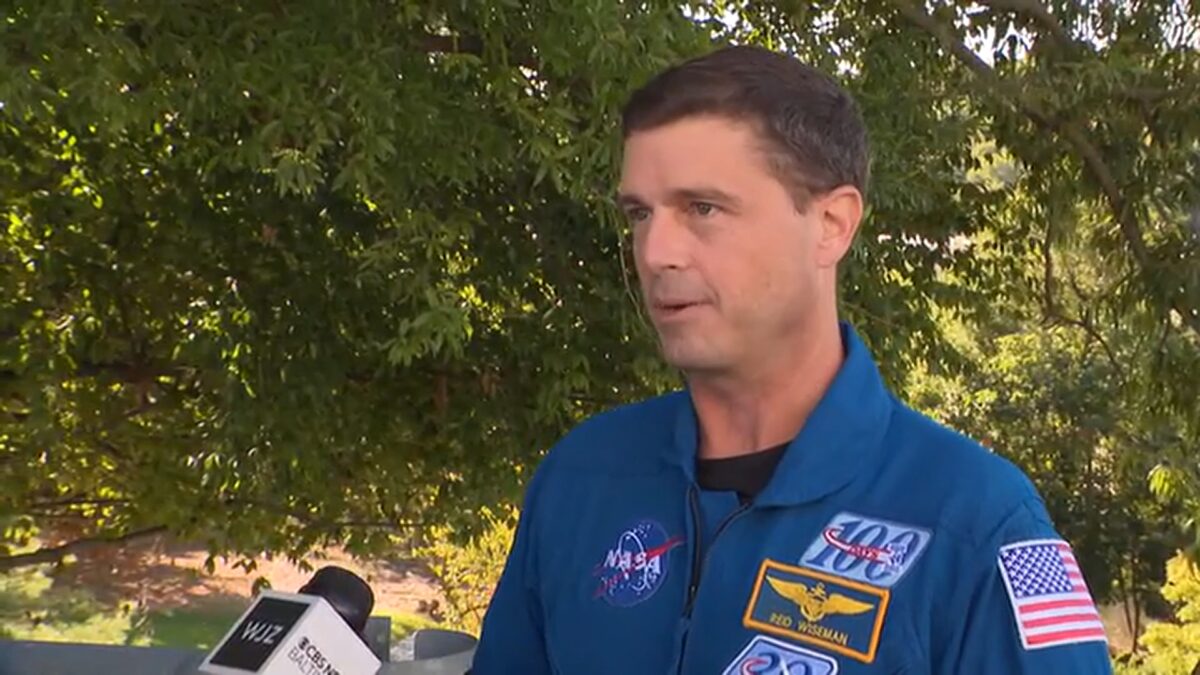
    Louisiana (KATC) — At least five police officers turned in their badges at the Basile Town Council meeting Monday night.

The council’s meeting is streamed live on the town’s Facebook page, and at the end of the video officers can be seen walking up to the council table and placing their badges on the table.

The move sparked confusion among those in attendance.

“I didn’t understand it at first,” said District 1 Councilwoman Jessica Ceaser. “I was like, ‘What are they doing? Are they quitting?’ Everybody was confused.”

The officers’ action came after discussion surrounding a policy requiring police units to remain at the station when officers are off duty, ending the department’s longstanding practice of allowing officers to take patrol vehicles home.

Chief Nick Richardson said the action was symbolic; his officers were trying to make a statement. None of them have left, and they’re working, he said.

Richardson said the dust-up is about a policy that’s been in place for some time that allows officers to drive their units home from work when they’re off-duty. He said it was in place last year under former Assistant Chief AJ Frank and was in place when he took over in February. No issues were raised since then, he said. Richardson said he has three POST-certified officers – one that makes $14 an hour, another making $15.50, and the third makes $16 an hour. Taking the units home “is considered a perk – them taking their units home makes up for the low pay,” he said.

But then a couple weeks ago there was a question put before voters, which would have converted the chief position from elected to appointed. Voters rejected that, 79 percent to 21 percent. Richardson says he believes that is why the issue was raised at Monday night’s meeting.

“They didn’t have a problem until they lost the election,” he said.

However, the Mayor, Mark Denette said such claims are ridiculous.

He says the issue is not as simple as fuel costs alone. He says town leaders must also review insurance requirements and liability concerns before making a final decision.

“We need to check with our insurance carrier to see what they require,” Denette said. “This was never really approved by the council prior to the new chief taking over.”

Despite the public display, Richardson emphasized that every officer remains on the job and committed to serving the community.

“I just want to let the people know, the community, that you’re never abandoned,” Richardson said. “We will always be there to answer the call.”

The officers were “trying to make a statement, but they’re all working because they care about this community. We’re a family over here,” Richardson said.

Officer Austin Young, one of the officers who participated in the badge protest, said the vehicles help officers remain available when additional manpower is needed.

“It was a perk because I’m full-time,” Young said. “I could respond if they ever needed help at nights or just in general if they needed me to come in so we can do some extra patrol. I was able to do that instead of bringing my personal car. It was just an extra perk.”

Alderman Kenny Burgess spoke to us and give a deeper insight as to what took place.

Burgess says the take-home policy raises several issues, including insurance coverage, maintenance costs, wear-and-tear on vehicles and fuel costs. The council has to know what the policy costs, and ensure that neither the town, nor the officer nor the chief are exposed to liability without insurance coverage, Burgess said. He said the council had asked the former chief about that, but never got information on it.

Basile is a Lawrason Act community, meaning there’s an elected mayor, council and police chief. The council approves the budget, meaning they’re responsible for making sure taxpayer money is spent correctly, Burgess explained. He said the chief didn’t bring his policy to the council with the fiscal impact, and that’s why the council voted to pause the vehicle policy.

“I don’t think he realized this policy he wrote is illegal,” Burgess said. “We’ve put a temporary pause on it until we can figure it out.”

Burgess said he believes there will be a special meeting soon to discuss all these issues.

He said he believes the officers have resigned, but he also said he feels like they’re trying to intimidate the council.

“To me, they resigned. They abandoned their posts, and they put our community and our citizens in harm’s way because we’re trying to correct a problem that their chief could have prevented if he had brought to the council,” Burgess said. “I took it as an intimidation tactic. If we back down, then the next time there’s something they want and the council says we can’t afford it, guess what? Now instead of three agencies, you’ve got one dictating what the rest of them do.”

Burgess said there are lots of rumors and discussions happening in Basile about this.

“It breaks my heart to see this going on in our small town. We’re not dealing with kids we’re dealing with grown adults who are professionals. I’m 100 percent all actions have consequences. Their actions last night, our town and the citizens in our town are the ones who are going to suffer from the consequences, because we no longer have an active Police Department. They put all of us in danger.”

That actually is one thing that Burgess and the chief agree on: that the town is in danger.

“I have four officers, one per shift, which is a safety hazard, and I have a reserve every other weekend,” Richardson said. “There’s myself, the deputy chief and the secretary – and that is it. I’ve presented two budgets to the council to see if I can get an increase, but after last night I guess I won’t. This puts the town in jeopardy. This isn’t what our citizens deserve.”

Richardson also echoes what Burgess said about Basile.

“I’m more hurt than angry, because this is my community,” he said. “But the fight’s not over with, we will prevail.”

A special meeting is scheduled June 11th with the council, mayor and police chief regarding the police officers who turned in their badges.

Please note: This story was provided to CNN Wire by an affiliate and does not contain original CNN reporting. This content carries a strict local market embargo. If you share the same market as the contributor of this article, you may not use it on any platform.
Opelousas native earns Banana Ball tryout invite

By Jamarcus Fitzpatrick

Click here for updates on this story

    OPELOUSAS, Louisiana (KATC) — For years, Jonah Manuel’s dream was to play professional baseball.

Now, the Westminster Christian alum has a chance to continue his baseball journey in one of the sport’s fastest-growing entertainment brands.

Manuel recently received an invitation to participate in a Banana Ball tryout this fall, putting him one step closer to potentially joining one of the six teams that make up the popular Savannah Bananas organization.

“It’s still kind of surreal,” Manuel said. “At one point it seemed unrealistic and crazy, but so many people have been telling me I’d be perfect for this that eventually I bought in. I think I’d regret not trying.”

Banana Ball has exploded in popularity since its inception in 2023, drawing sellout crowds across the country with a baseball-meets-entertainment format that emphasizes fan interaction, trick plays, dancing and player personalities.

Manuel said his connection to the opportunity dates back several years when a former trainer mentioned a Banana Ball tryout before the sport’s popularity surged. After years of encouragement from friends and family, he recently submitted an application and personality-focused video before receiving an invitation.

Unlike traditional baseball tryouts, Banana Ball evaluations focus on more than athletic ability.

Participants are expected to showcase energy, dance routines and entertainment skills alongside their baseball talents.

The tryout will include choreographed dances, batting practice and defensive drills where players can display trick plays and creativity.

“I’m going to try and land a couple of backflip catches if I get the chance,” Manuel said. “These next few months, that’s what I’m going to be working on.”

For Manuel, the appeal extends beyond simply returning to the diamond.

The former Delgado Community College, Loyola (New Orleans) and LSU Alexandria player believes Banana Ball aligns with his personality and his original love for the game.

“We played this game because we love it,” Manuel said. “Somewhere along the line, baseball stopped letting players show that. In Banana Ball, you can show emotion, be yourself and have fun. That’s what drew me to it.”

A multi-sport athlete during his high school years, Manuel played football and baseball before continuing his baseball career at the collegiate level. After finishing his playing days, he moved to the Houston area, where he now works as a sports performance specialist and coach.

Despite stepping away from competitive baseball, he said the sport never fully left him.

“Every now and then you get that itch to get back into it,” Manuel said. “I can’t fight that feeling.”

If selected, Manuel could be drafted by any of the organization’s six teams, including the Savannah Bananas, Party Animals, Firefighters, Indianapolis Clowns, Texas Tailgaters, or the recently added Loco Beach Coconuts.

The draft is scheduled for November following a series of tryouts that will run through the fall.

Regardless of the outcome, Manuel said the experience has already reignited his passion for baseball and strengthened his connection to the community that pushed him to pursue the opportunity.

“Even if this doesn’t go the way I want it to, I’m going to have so much fun preparing for it,” Manuel said. “Because of this community, I get one more day as a baseball player. For that, I’m eternally grateful.”

Please note: This story was provided to CNN Wire by an affiliate and does not contain original CNN reporting. This content carries a strict local market embargo. If you share the same market as the contributor of this article, you may not use it on any platform.

Longtime researcher celebrates his final butterfly release at Jefferson Farm

By Sam Jackson, KOMU 8 Reporter

Click here for updates on this story

    COLUMBIA, Missouri (KOMU) — One hundred butterflies were delivered and released at Jefferson Farm and Garden Wednesday morning, just days before the 9th Annual Butterfly Festival.

Tim Reinbott, who’s been working as the director of field operations and communication at MU Extension for nearly 40 years, release day is one of his favorites.

“To me, this the culmination of all that we do in our research programs, in our outreach,” Reinbott said.

In early May, Reinbott started talking to Michigan Butterfly Farm about what butterflies MU Extension was seeking for Jefferson Farm and Garden. Jefferson Farm had a lack of variety of butterfly species, so MU Extension requested specific species from the Michigan farm.

The butterflies were shipped just before 3 p.m. Tuesday, and they arrived at Jefferson Farm around 10 a.m. Wednesday.

The butterflies were shipped in cooled envelopes. FedEx delivered the package, and once it was opened and the butterflies adjusted to the warm weather, they started flying around their new home.

“What’s so nice is that it brings together the insect as well as the plant (and it) all comes together, and that benefits all of us in the food that we eat, so the release is such a fun time to see them come to life,” Reinbott said.

Reinbott is retiring this year after four decades of serving. Saturday will mark his last festival as an MU Extension employee. But he said he plans to continue his research on butterfly habitats.

“This was very special when we got the butterflies and unpacked them today knowing it will be the last time I get to do this,” Reinbott said.

Second-graders from Hallsville saw the Wednesday butterfly release on their first field trip of the summer.

Macy Atwood, the kindergarten through second grade teacher, gives a butterfly unit every school year.

“When we do our butterfly unit, they don’t get a lot of opportunities to interact with them, and it’s only a couple butterflies, so to have … 100 butterflies flying around, they were really excited to get to see them so close,” Atwood said.

The Butterfly House at Jefferson Farm and Garden will be open to the public Saturday for the 9th Annual Butterfly Festival, where families and community members can enjoy food, activities and the friendly insects.

The festival will take place from 9 a.m. to 2 p.m. at 4800 E. New Haven Road in Columbia. It includes tours of the native Butterfly House and the gardens, kids activities, interactive exhibits and a plant sale, according to MU Extension.

To report an error or typo, email news@komu.com.

Please note: This story was provided to CNN Wire by an affiliate and does not contain original CNN reporting. This content carries a strict local market embargo. If you share the same market as the contributor of this article, you may not use it on any platform.

Hustle on and off the court: Brothers launch bin cleaning business to fund basketball camp

By Jacqueline Aguilar

Click here for updates on this story

    MARANA, Arizona (KGUN) — Every bin Isaiah and Aiden Ocejo clean brings them one step closer to the basketball court. The two Marana brothers launched a bin cleaning business this summer with one goal in mind: making it to the NBA.

The brothers offer pressure washing, scrubbing and deodorizing services for trash and recycling bins across Marana and Tucson.

“What inspired me was just like I wanted a quick and easy way to raise money and with all the materials we had, I just felt like this was the easiest way we could do it,” Isaiah said.

One bin costs $20, two bins cost $35, and each additional bin is $15. They say business has been steady since they launched.

“It’s been pretty good, pretty active. We’ve done like 10 different people’s bins so far,” Aiden said.

The money they’re earning is helping cover the costs of attending the Nike Basketball Camp starting in July at Mountain View High School.

“We’ve played basketball our entire lives, and we want to make it to the NBA. That’s our dreams,” they said.

The business idea came from their parents, Ariella and Alberto Ocejo, who wanted to give the boys a way to work toward their goals while serving the community.

Ariella says Isaiah had already been working with his dad at his construction company and that Aidan wanted to start earning money, too.

“They are straight-A students, they are on honor roll. It’s just like, okay, what can the boys kind of do together,” Ariella Ocejo said.

“I just thought about easy way, an easy way that I could, something I could teach them to do by themselves. It’s not something that complicated, something that was going to take a lot from them to do,” Alberto Ocejo said.

But for Ariella and Alberto Ocejo, the business is about more than raising money.

“It’s teaching them that things are not free and don’t come easy,” Ariella Ocejo said.

This story was reported on-air by a journalist and has been converted to this platform with the assistance of AI. KGUN verifies all reporting on all platforms for fairness and accuracy.

Please note: This story was provided to CNN Wire by an affiliate and does not contain original CNN reporting. This content carries a strict local market embargo. If you share the same market as the contributor of this article, you may not use it on any platform.