Iowa lawmakers pass vape tax to fund pediatric cancer research

By Amanda Rooker
Click here for updates on this story
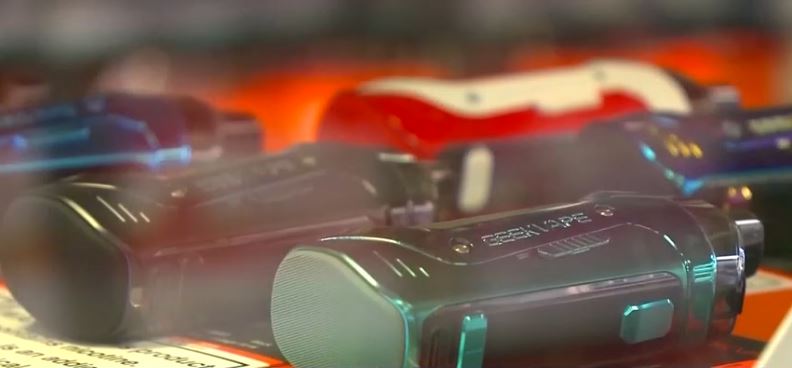
DES MOINES, Iowa (KCCI) — Iowa lawmakers have approved a plan to fund pediatric cancer research by creating a new tax on vape products and nicotine pouches, sending the bill to the governor’s desk Saturday night.
The proposal would impose a five-cent tax per pack of nicotine pouches or per milliliter of vape fluid. Beginning in July 2027, the first $3 million collected each year would go directly to the University of Iowa to support research into childhood cancer. Lawmakers say they are also putting $3 million from the state budget toward that effort starting in July 2026, allowing research to start sooner.
Supporters say the plan creates a dedicated funding stream that could help launch clinical trials, develop new treatments and potentially save children’s lives. Families who have experienced childhood cancer have told lawmakers they need funding now, regardless of how it is structured.
State Rep. Brent Siegrist, a Republican from Council Bluffs, defended the approach during debate.
“We will be putting a tax on a product that is unhealthy and will be helping and giving hope to those family members who have lost children to cancer, and also for the future people that we can maybe get better treatment and help prevent this,” Siegrist said.
But the plan has faced pushback from both sides of the aisle. Some lawmakers argue the tax is too small to significantly reduce nicotine use. Others say tying cancer research funding to products linked to cancer sends the wrong message.
State Rep. Austin Beath, a Democrat from Des Moines, suggested the proposal benefits the tobacco industry by avoiding a higher tax that could more directly cut into profits.
“They are doing this to prevent us from ever touching their taxes for another two decades. We cannot let that happen,” Baeth said. “I think it is shameful that the big tobacco companies have used Iowa’s sick kids as political pawns.”
Despite those concerns, the bill passed the House as lawmakers race to adjourn the session. The measure now heads to the governor, who will decide whether to sign it into law.
Please note: This story was provided to CNN Wire by an affiliate and does not contain original CNN reporting. This content carries a strict local market embargo. If you share the same market as the contributor of this article, you may not use it on any platform.