Nowruz, the Persian New Year, celebrated in Idaho and around the world

Par Kermani
IDAHO FALLS, Idaho (KIFI) — As winter gives way to spring, millions of people around the world are marking Nowruz, the Persian New Year, a tradition that dates back thousands of years.
Observed at the exact moment of the spring equinox, Nowruz — which means “new day” in Persian — is celebrated not at midnight like the Gregorian New Year, but when day and night are equal. This year, that moment falls at approximately 8:46 a.m. Mountain Time on March 20, marking the precise beginning of spring.
The holiday originated in ancient Persia, modern-day Iran, and is now observed across Central Asia, the Middle East, and parts of South Asia. Despite centuries of political and religious change, the celebration has endured.
“It is a very old tradition … it survived Alexander the Great, Arabs, Mongols,” said Dr. Esmaeil Fallahi, a professor emeritus at the University of Idaho. “People resisted to keep it alive.”
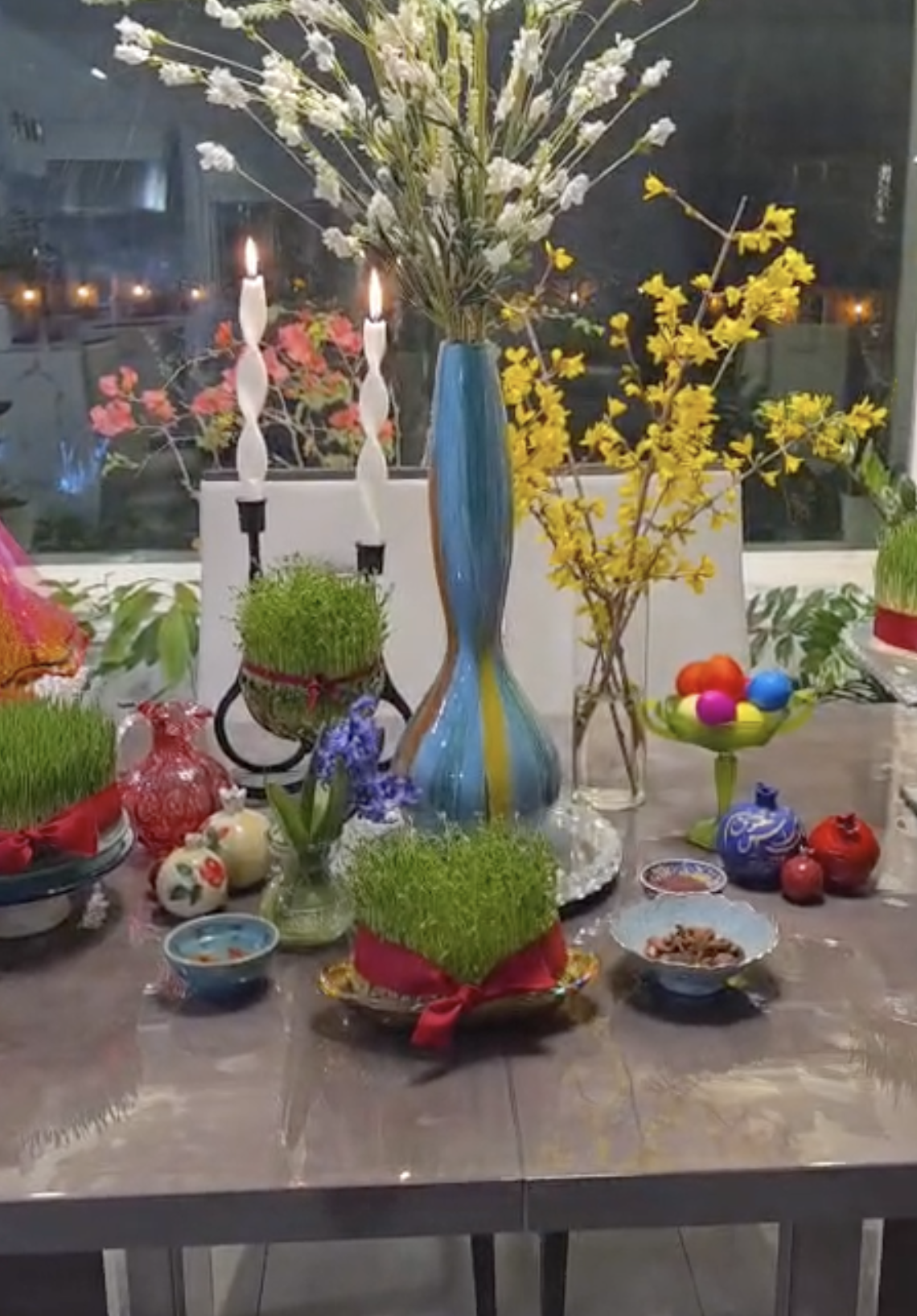
At the center of Nowruz is the Haft-Seen table, a display of seven symbolic items that each begin with the Persian letter “S.” Items like sabzeh, or sprouted greens, represent rebirth, while seeb, or apples, symbolize health, and serkeh, or vinegar, reflects patience and wisdom.
Before the new year begins, many also take part in Chaharshanbe Suri, a fire festival where participants jump over flames. The act symbolizes leaving behind illness and hardship from the past year and embracing energy and renewal.
While Nowruz is a cultural celebration, it also carries religious significance for some communities. For members of the Baha’i Faith, the holiday marks the end of a 19-day fast and the beginning of a new year in their calendar. The faith’s founder, Baha’u’llah, was Persian, and many of its teachings emphasize unity, renewal, and connection to nature.
“It’s a renewal of the year … renewal of the planet,” said Bobby Picker, a member of the Baha’i community in eastern Idaho.
Jennifer Duarte, another member of the Idaho Falls Baha’i community, noted that the holiday’s emphasis on humanity and peace allows it to cross religious and ethnic lines, even for those without direct Persian ancestry.
Even in Idaho, where the Persian community is small, families continue to observe the holiday by gathering around the Haft-Seen table, sharing meals, and inviting friends and neighbors to join in the celebration.
“Nowruz is in the soul of every Iranian,” Fallahi said. “Why? Because they know that there is every symbol in Nowruz means peaceful, celebrating with nature, celebrating your life with the birds, with the flowers, with the sky. And it is amazing how thousands of years ago they calculated to know that the time that exactly the length of day and night is.”
For many Iranian Americans, Nowruz is also a time of reflection. For many Iranians living in Idaho, this year’s celebration is shadowed by the ongoing political unrest in their homeland. Many look back at the era of the Shah as a time of religious pluralism.
“During the Shah’s time, we would not know if you were Baha’i, Christian, or Jewish,” Fallahi recalled. “We were all Iranians.”
As the Islamic Republic faces internal pressure and calls for change, some in the diaspora look toward Crown Prince Reza Pahlavi, the son of the late Shah, as a potential catalyst for a secular, democratic future.
“I personally believe he is the only solution for Iran because he believes in a referendum,” Fallahi said. “People can decide what kind of government they want.”
Still, at its core, Nowruz remains a celebration of renewal — a moment to repair relationships, reflect on the past, and look ahead to the future.
Despite the distance from Tehran to Idaho Falls, the message of Nowruz—rebirth and the end of winter- serves as a metaphor for a community waiting for a “New Day” in their ancestral home.