Robotic surgery at NCH reduces recovery time for young athletes with spinal fractures

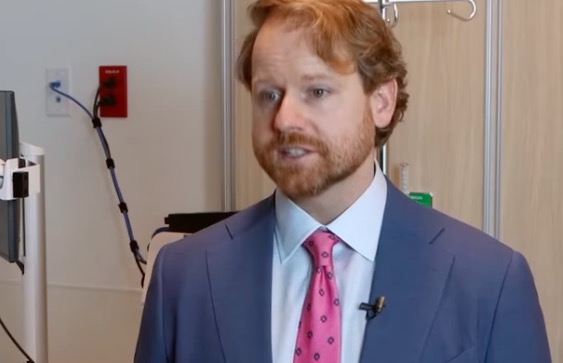
By Carson Zorn
Click here for updates on this story
NAPLES, Florida (WBBH) — Surgeons at NCH are using a groundbreaking method combining robotics with bone grafting to treat pars fractures in young athletes, offering a faster recovery compared to traditional spinal fusion surgery.
Back pain in young athletes isn’t always due to growing pains; it can be linked to a tiny stress fracture in the lower vertebrae known as a pars injury. This condition, often found in young male athletes, may heal over time, but some cases require spinal fusion, a major surgery with a lengthy recovery period. Surgeons at NCH are now employing a groundbreaking method to address this issue, combining robotics with bone grafting.
Dr. Robert Palmer, a pediatric orthopedic surgeon, explained, “It’s a thin area in the posterior part of the spine that’s predisposed to stress injuries, and you have to think in a young man that’s doing a lot of weight lifting and extending his back or twisting movements that really can have an effect.”
A pars fracture can lead to back pain and numbness in the leg. If these symptoms persist, spinal fusion might be considered. However, doctors at NCH have developed a new approach, utilizing the Globus robot to perform surgery without cutting open the back. This method provides super clear images and operates in small spaces in the spine.
Dr. Nick Clark, an orthopedic spine surgeon at HSS at NCH, demonstrated the procedure, saying, “You can see that little line right above my finger there. That’s it. That’s the fracture.” He added, “What we’re trying to do is squeeze that fracture together with this screw and stabilize it.”
After inserting hardware, the surgeons added another element, using the robot to insert bone material and growth factors to jump-start healing. Clark noted, “Because there’s still, even with this screw, there’s still a little bit of a gap between the bones.”
Palmer emphasized the benefits of the robotic approach, stating, “Using the robot allows us to have very small incisions, very precise,” and added, “Which for someone that’s young and active, it’s crucial.”
This innovative procedure offers a significant advantage, preserving motion, accelerating recovery, and providing athletes with the opportunity to return to sports. The difference in downtime is substantial; while a fusion can take up to a year for full recovery, using the robot and physical therapy may allow an athlete to return to activity or sports in as little as three to four months.
Please note: This story was provided to CNN Wire by an affiliate and does not contain original CNN reporting. This content carries a strict local market embargo. If you share the same market as the contributor of this article, you may not use it on any platform.