Arkansas man removes hate symbol tattoo as part of recovery journey

By Brett Rains
Click here for updates on this story
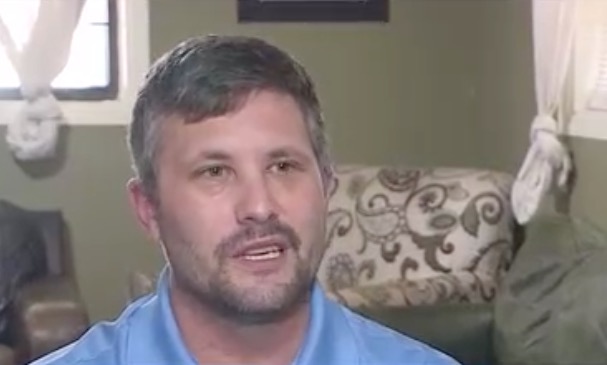
CLARKSVILLE, Arkansas (KHBS, KHOG) — Hayden Dougan, a recovery coordinator at Next Step Recovery Housing in Clarksville, is removing a swastika tattoo he regretted getting after his parole in 2015 as part of his journey to recovery from addiction and incarceration.
Dougan, who struggled with addiction for 15 years and spent significant time in prison, said, “I really thought that I would die in my disease. I never saw any hope of getting clean.”
Dougan’s addiction included fentanyl and methamphetamine, and he described himself as someone who would abuse any substance that altered his mind.
“When I was in prison, COVID was going on, my father passed away and left me about a half-million dollars. And when I got out, I just went crazy. I got all this money, and within about a year-and-a-half, almost two years, I was basically homeless. The home that I did have had no water, no electricity, eviction notice on the door,” he said.
Reflecting on the tattoo, Dougan said, “You know, at the moment I got it, I regretted it, you know, but I was willing to fit in and be a part of something that I had no idea about or even believed in.”
He noted the discomfort it caused in social situations, saying, “We’d go to the swimming pool, or I’d be around family or kids even, and then have to remove my shirt. And, you know, I got a lot of crazy looks and stuff, and a lot of people were standoffish, you know, as they should be.”
After pleading guilty to fentanyl and other drug-related charges in 2024, Dougan faced a fifth prison term but was instead allowed to participate in Next Step Recovery Housing through an alternative sentencing program.
Jimmy McGill, executive director and co-founder of Next Step Recovery Housing, emphasized the importance of addressing core issues rather than just incarcerating individuals.
“We have people reaching out from all over the country trying to get here,” McGill said. “If we just lock people up and let them go without addressing the core issues, they’re going to do the only thing they know how to do — come home, get high and re-offend.”
Dougan has been the recovery coordinator for 18 months, overseeing 65 residents. He is now removing the tattoo with the help of a business sponsor, though the process requires at least 10 more sessions.
During the first appointment, McGill said, “We’re getting that swastika off your stomach this morning,” to which Dougan replied, “Yes, we are.”
Dougan expressed his changed perspective, saying, “I’m in a position today to where I don’t see color. I don’t see anything other than just going back into the same fires that I spent so long in and pulling people out.”
McGill added, “He has rebuilt himself from the inside out. He was never even affiliated with a hate group.”
Reflecting on his journey, Dougan said, “I never thought that I would be here today, you know, I never could see anything other than death or prison. And today, if you would ask me, two years ago, that I would be sitting in front of a news camera talking about my life today, I would basically look at you and call you crazy and say that that would never be possible.”
Please note: This story was provided to CNN Wire by an affiliate and does not contain original CNN reporting. This content carries a strict local market embargo. If you share the same market as the contributor of this article, you may not use it on any platform.