State is working with organizations to narrow, clarify SNAP restrictions on processed foods and drinks

Alison Patton
COLUMBIA, Mo. (KMIZ)
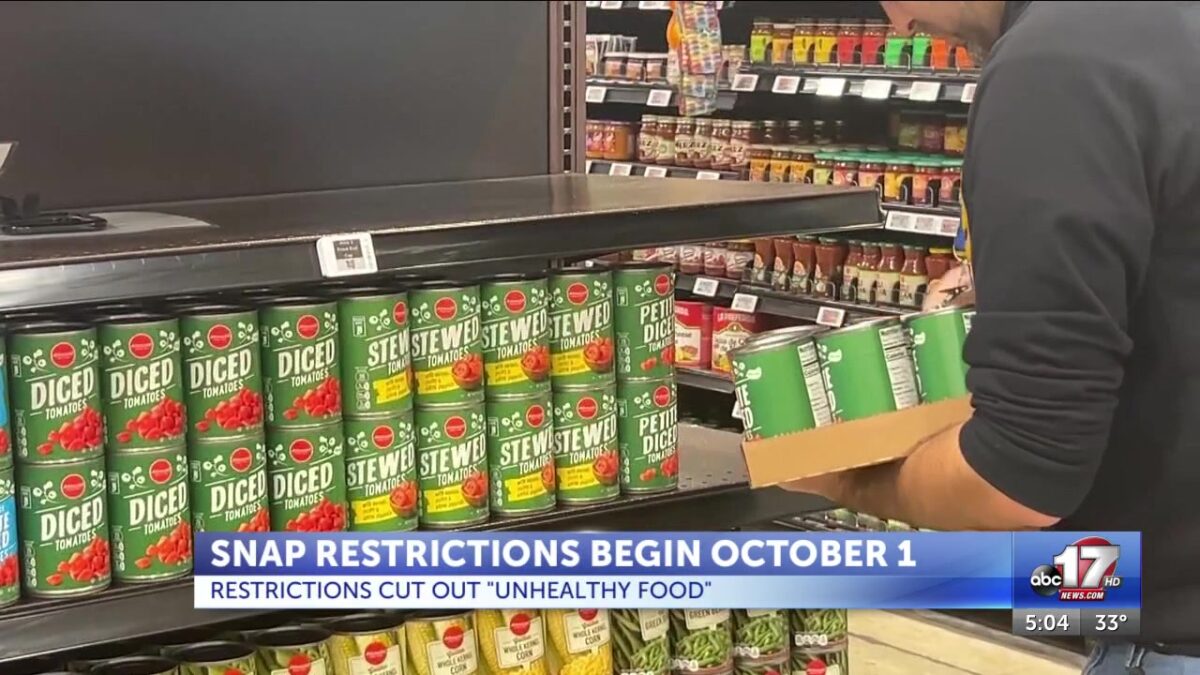
The state is working with stakeholders to figure out how to implement restrictions to the Supplemental Nutrition Assistance Program, the Missouri Department of Social Services said Friday.
The state was approved to adjust the SNAP program to exclude items like sodas, candy, packaged and prepared desserts and juice with less than 50% of vegetable or fruit juice.
Kim Buckman from Feeding Missouri said the organization hopes to be included in conversations with the state as it navigates how and what to restrict.
“We hope to work closely with the state, retailers, and partners to ensure efforts to support healthier outcomes are implemented in ways that protect access to food and strengthen the systems that communities of every size depend on,” Buckman wrote in an email.
She also emphasised the need for clarity with the new restrictions.
“Changes need to be clear, consistent, and practical so they don’t unintentionally reduce access to food or place added strain on local retailers — risking their ability to continue serving their communities,” Buckman said.
The earliest start date for the prohibition is Oct. 1, 2026.
California resident and SNAP recipient Regina Anderson said her five-year-old daughter could have a hard time switching juices.
“It’s not fair if you think about it because most juices are less than 50% juice,” Anderson said. “Unless you’re getting 100% apple juice or 100% orange juice. Not every kid likes apple juice or orange juice. My daughter like drinking the little Kool-Aid juices.”
Anderson also said she uses her SNAP dollars to bring cupcakes or ice cream into her daughter’s class when it’s her birthday to celebrate. She won’t be able to do that under the new restrictions.
Bryan Wolford, another California resident, said he was on a USDA commodities program as a child.
He said that while he sees the importance of the SNAP program, he thinks the program should have limits.
“Taxpayers, which I am and have been since I was 15, we should not be paying for these high sugar, high fat foods that are essentially poisoning our families and our Missouri kids,” Wolford said.