‘Iryna’s Law’ attempts to bring back death penalty in NC

By Will Doran
Click here for updates on this story
CHARLOTTE, North Carolina (WRAL) — One of the most heavily debated new laws is what sponsors call “Iryna’s Law,” which makes it harder for people to get out of jail on bail for low-level crimes. It also attempts to restart the death penalty in North Carolina.
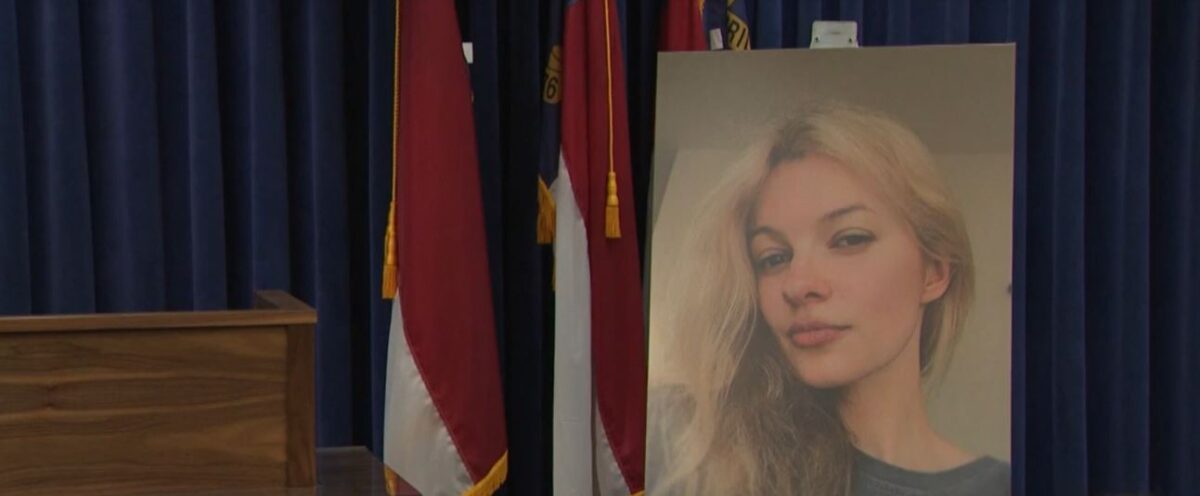
It’s named for a woman who was stabbed to death on a train in Charlotte. The homeless man accused of killing Iryna Zarutska had been released from jail earlier this year, without being required to pay bail, following his arrest on a separate misdemeanor charge in another case. Police allege he misused the 911 system in that case. He was charged and arrested after calling from a hospital, claiming his body was being controlled by someone else, but then quickly released back onto the street.
After he was later accused of murdering Zarutska in the seemingly random attack in public, many scrutinized the earlier arrest and questioned why he hadn’t been held in jail longer, or potentially committed to a mental hospital.
Iryna’s Law requires stricter scrutiny on judges and magistrates when considering pre-trial release. It bans one type of cashless bail in North Carolina. And it makes it easier for people who have a history of mental health issues to be involuntarily committed to a mental hospital after an arrest.
The law also attempts to bring back the death penalty in North Carolina, ordering the administration of Democratic Gov. Josh Stein to find a solution to get around the fact that lethal injections are essentially banned due to a series of court rulings and other factors. No one has been executed in North Carolina since 2006, even though more than 120 prisoners remain on death row.
The law requires Stein’s top prison officials to recommend new ways of executing people, such as firing squads or the electric chair. Stein is opposed to that piece of the law, saying that as long as he remains governor, no one will be executed by firing squad.
Democratic lawmakers heavily criticized other parts of the law as well, saying it contained no funding for mental health care and does nothing to try stopping violent crime, instead focusing solely on punishments to be doled out after a crime has already been committed.
Stein signed the bill into law but echoed many of those same concerns. He said he signed the bill even though he was “troubled by its lack of ambition or vision. It simply does not do enough to keep you safe.”
This story was provided to CNN Wire by an affiliate and does not contain original CNN reporting.
Please note: This content carries a strict local market embargo. If you share the same market as the contributor of this article, you may not use it on any platform.