National Estrogen Patch shortage hits eastern Idaho menopause patients

Megan Lavin
IDAHO FALLS, Idaho (KIFI) – A national medication shortage is affecting some women in eastern Idaho, as estrogen patches become increasingly difficult to find for those treating menopause symptoms.
Estrogen patches are part of hormone replacement therapy and are often prescribed to help manage menopause and perimenopause symptoms like joint pain, mood swings, night sweats and hot flashes.
MORE WOMEN TURNING TO HORMONE REPLACEMENT THERAPY
As menopause becomes less taboo, more women are seeking treatment, creating supply and demand problems nationwide.
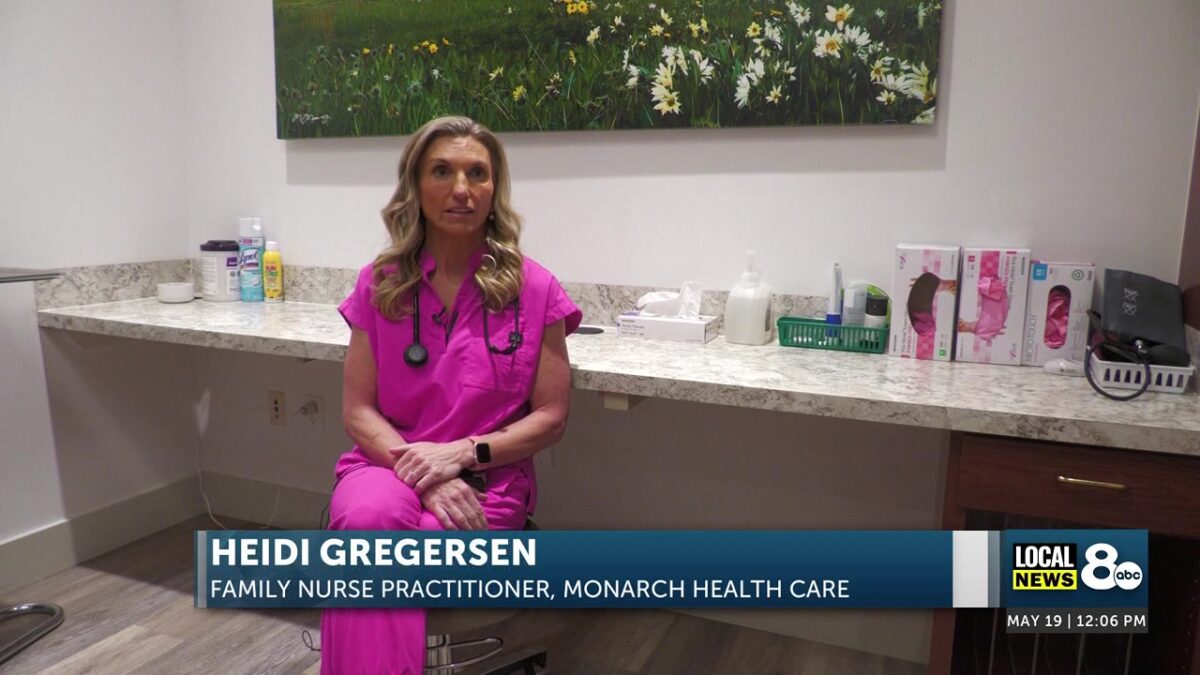
Heidi Gregersen, a menopause-certified family nurse practitioner with Monarch Healthcare and one of only two menopause-certified providers in Idaho Falls, says demand has spiked.
“There’s been a huge surge — like 75 to 80% uptake in the last year — of women who are seeking treatment for hormone replacement therapy for menopause,” Gregersen said.
Gregersen says changing guidance surrounding hormone therapy may also be making women more open to treatment. In late 2025 and early 2026, the FDA began removing or revising some boxed warning language tied to certain menopause hormone therapies.
Gregersen says hormone therapy is not only about easing uncomfortable symptoms.
“This is not just about keeping women comfortable from a hot flash,” Gregersen said. “This is also about preventing her risk for hip fracture maybe 20 years down the line, reducing [her] risk for cardiovascular disease.”
She says estrogen therapy may also help improve cholesterol profiles, bone density and metabolic health for some patients.
The recent shortage has Gregersen worried some women may simply go without treatment — much like generations before them who often suffered through menopause silently.
“My mom’s generation, nobody talked about this,” Gregersen said.
“I worry that I’m not hearing from some people who aren’t able to get their patch,” she added.
OTHER OPTIONS
Gregersen says women should not abruptly stop treatment without first talking with a medical provider.
She says there are often temporary alternatives available, including:
Using two lower-dose patches instead of one higher-dose patch
Switching from twice-weekly patches to once-weekly versions
Using estrogen gels or creams
Temporarily switching to oral estrogen, if medically appropriate
MORE ATTENTION IS NEEDED
Gregersen says menopause care still has a long way to go.
“If men went through menopause, this problem would have been solved a long time ago,” Gregersen said.
She says many providers — even those specializing in women’s health — receive limited menopause-specific training, despite menopause affecting every woman and symptoms sometimes lasting for years.
“Perimenopause can last eight years,” she said. “That’s a long time to suffer with symptoms.”
WARNING ABOUT ONLINE WELLNESS TRENDS
Gregersen also warned women to be cautious about expensive online wellness treatments and social media hormone trends that may not be FDA-approved or medically necessary.
“I don’t think you need all…these ads,” Gregersen said. “We can get you really safe, FDA-approved, effective treatment available from your pharmacy.”
Gregersen encourages women experiencing menopause symptoms to talk with a trusted healthcare provider about whether hormone therapy may be appropriate for them.
“It’s not for everybody,” Gregersen said. “But it’s right for a lot of people.”