Clerk for the City of Yuma to retire after nearly 20 years of public service

Dillon Fuhrman

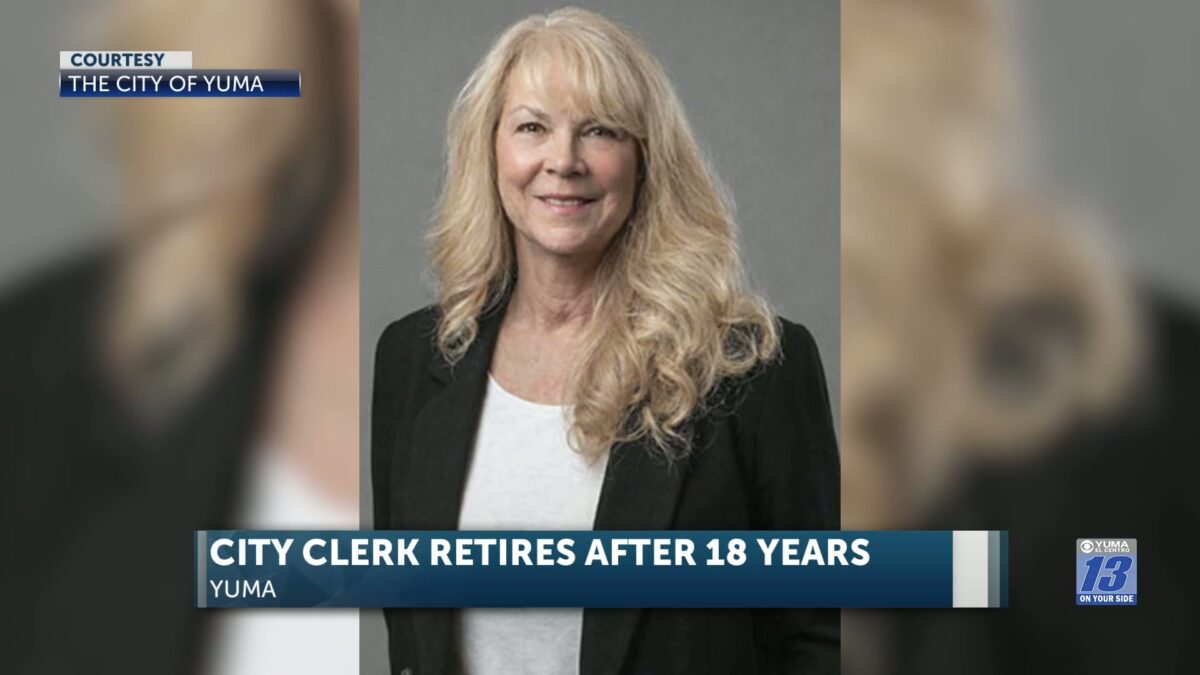
YUMA, Ariz. (KYMA) – The City of Yuma says City Clerk Lynda Bushong is retiring after nearly 20 years of public service.

According to a press release, Bushong joined the City of Yuma back in 2008, where she served as the Deputy City Clerk, before being appointed to her current role two years later.

As City Clerk, the City says she helped “guide the Clerk’s Office through several operational improvements that enhanced efficiency and expanded access to public records.”

In addition, the City says Bushong help with the “from large, printed Council agenda packets — which once averaged 400 to 450 pages — to electronic distribution, improving accessibility while reducing printing costs and streamlining the process for City leadership.”

“Congratulations to our City Clerk Lynda Bushong on her well-earned retirement,” said Mayor Doug Nicholls. “Throughout her career, she has been an essential part of the Yuma City Clerk’s Office, helping build a strong and dependable team that serves our community with professionalism and integrity. Lynda’s dedication to public service and commitment to the people of Yuma and to many Municipal Clerks throughout the state will leave a lasting impact. We thank her for the many years she has devoted to making our local government stronger and wish her the best in this next chapter.”

As she prepares for her retirement, Bushong reflected on her time serving the Yuma community for the past 18 years.

“The best part of any job is the people you meet along the way,” Lynda said. “I want everyone to know that I am grateful for each and every one of you. I’m not saying goodbye — just turning the page. Thank you for being part of my journey.”

A public reception to honor Bushong will be held at the Yuma City Hall Wednesday, following a City Council meeting, and everyone is welcome to attend.

Click here to follow the original article.

ABC-7 takes a tour inside CERESO 3 prison in Juárez; state of Chihuahua ‘modernizes’ cell blocks

Heriberto Perez Lara

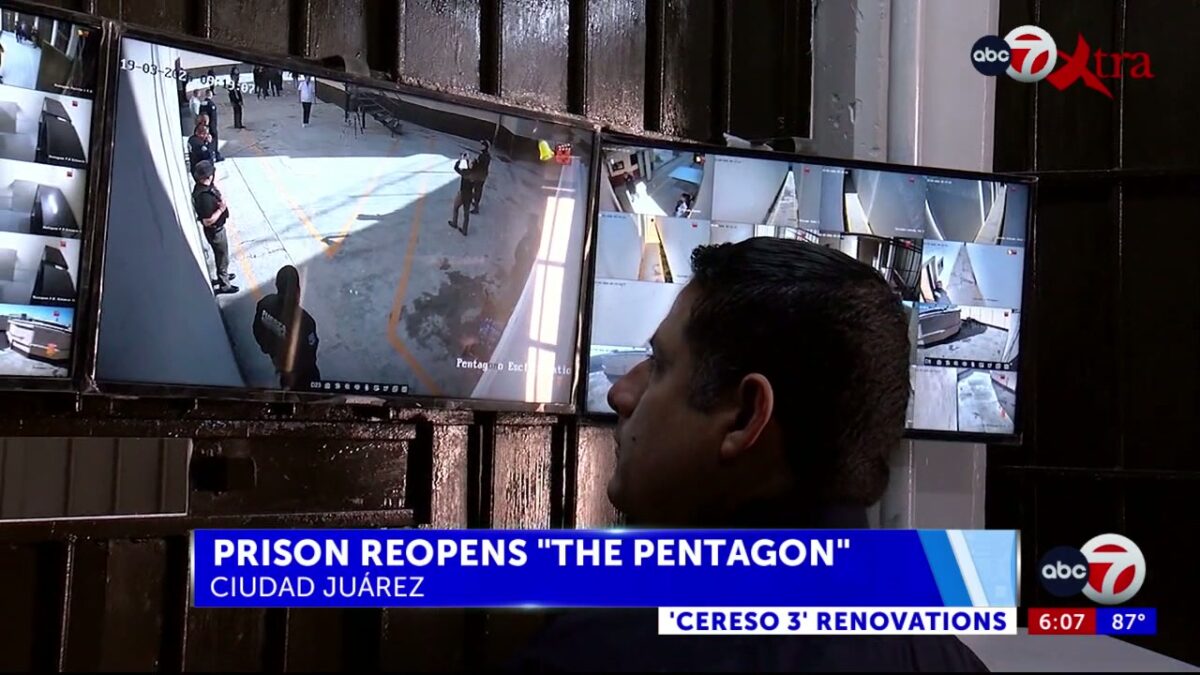
CIUDAD JUÁREZ, Chihuahua (KVIA) — The ‘Centro de Reinserción Social No. 3,’ or CERESO 3 prison in Juárez is a Chihuahua state-run penitentiary located south of the city.

ABC-7 toured the facilities where the Chihuahua State Public Security Secretariat (SSPE) renovated some cell blocks related to the most populated areas and those with the highest number of incidents involving criminal groups.

The “Pentagon,” or Area Zero of the prison, has been adapted to house high-risk inmates under new and modern security and control standards at CERESO 3.

According to Chihuahua State Police Chief Gilberto Loya Chávez, the module was completely renovated, incorporating cells with closed gates and no visibility from the outside, electronic security doors controlled by airlocks, a 24/7 permanent monitoring system, climate control, as well as the reconstruction of cells and sanitary areas.

During a news conference, it was announced that the new infrastructure is divided into two levels: Level Alpha, which has 13 cells and 114 spaces, in addition to an isolation area for six people; and Level Beta, with 12 cells and 108 spaces, allowing for a “more efficient distribution” of the prison’s population.

With the new renovation of “the pentagon,” the area’s capacity increased from 110 to 222 spaces, which SSPE Chihuahua says will help reduce risks and strengthen control and governing conditions within the prison.

The new project took around three months to be completed. SSPE Chihuahua started it in December 2025 and an investment of nearly 2.1 million Mexican Pesos, or about $116,000.

“These actions are part of the Chihuahua State Public Security Secretariat’s commitment to strengthening the prison system by providing safer and more dignified spaces that allow for maintaining governance, a strategy promoted by Gilberto Loya Chávez, based on the premise that security leads to results,” SSPE said.

Click here to follow the original article.

No Kings Protest draws crowd in Yuma

Adrik Vargas

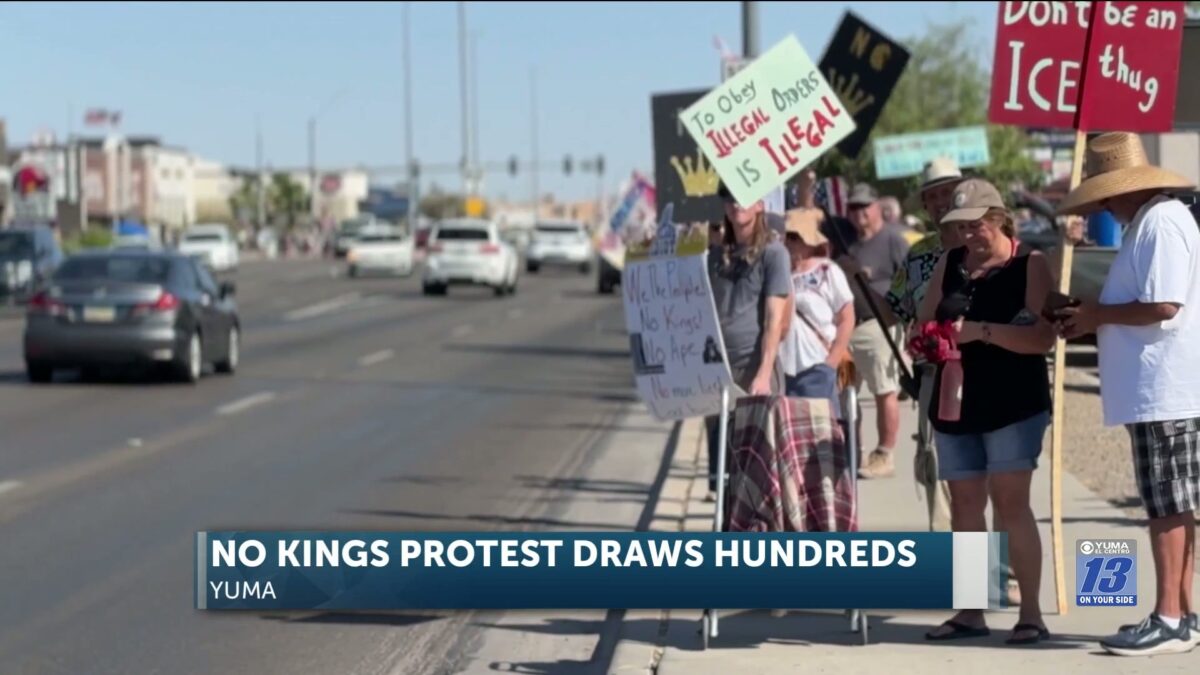
YUMA, Ariz. (KYMA) – Protesters opposing President Donald Trump’s policies took to the streets of Yuma Saturday, joining a nationwide wave of demonstrations calling for change.

Dozens gathered for a “No Kings” protest, while hundreds were seen near Center Pointe, lending their voices to a broader national movement pushing back on presidential policies and behavior they say are concerning.

“Across the United States ends up being millions of us that go out to say we’re not in favor of what’s happening and in Yuma, it helps me to know I’m not alone.” said Linda, a protester.

Others echoed similar sentiments, saying there is strength in showing up alongside others.

“When people get together like this and all over the country, it’s powerful. And we’re here for each other because this is a crazy time in our country and our administration is a little…not a little…a lot off the rocker,” said Becky, another protester.

Protesters said they are frustrated with policies and decisions that, in their view, are hurting everyday Americans.

“Stop what you’re doing. Think about what the people really want and start focusing on that, rather than doing your own agenda for your own billionaire buddies,” said Roger, another protester.

Click here to follow the original article.

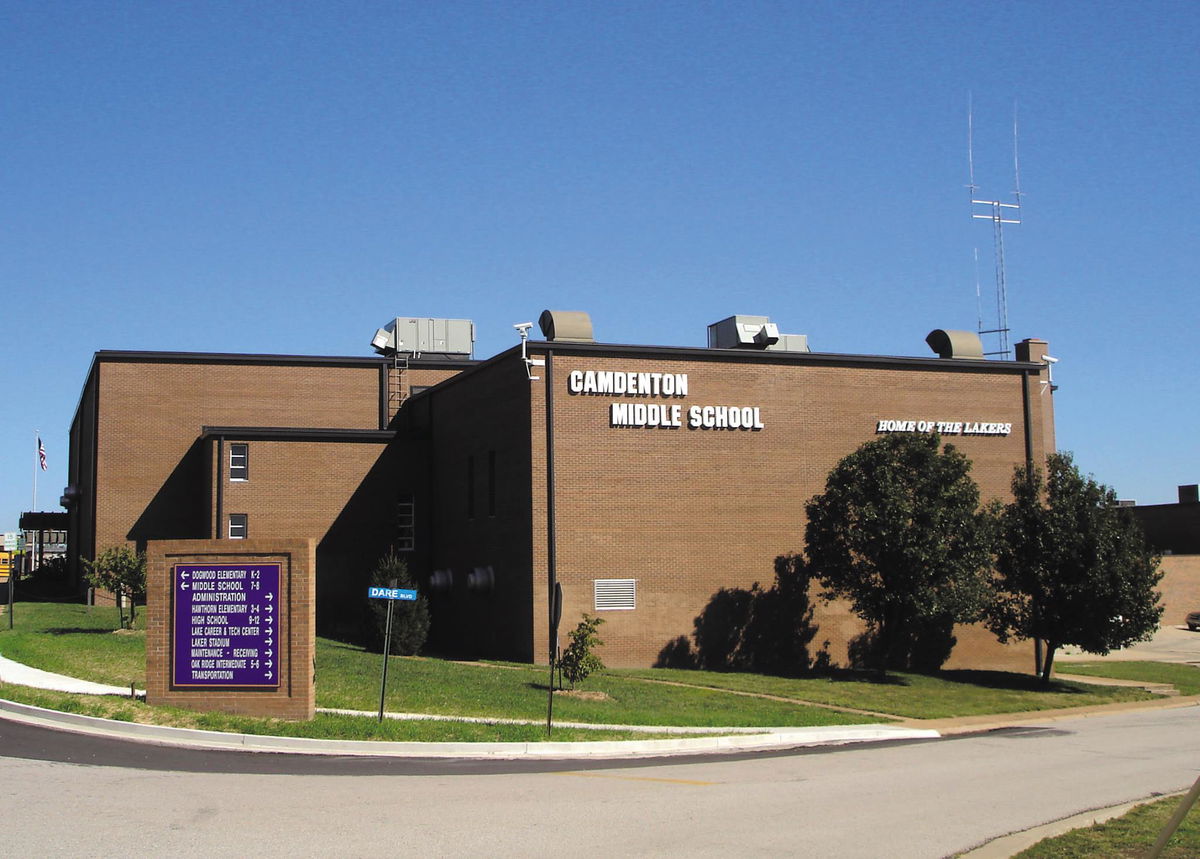
Pair of 13-year-old boys accused of making threats against Camdenton Middle School

Ryan Shiner

COLUMBIA, Mo. (KMIZ)

Two 13-year-old boys were accused of making threats against Camdenton Middle School, according to a Monday press release from the Camdenton Police Department.

CPD wrote that it received information at 8:15 p.m. Sunday about threats shared to a social media website “of an individual threatening to shoot up Camdenton Middle School.”

The name of the website was not identified by police, but the department wrote it was assisted by the website and the FBI during the investigation.

Police wrote that it identified two Camdenton Middle School students “as being responsible for the posting of the threats on social media.” The names of the boys were not released.

Police contacted the parents to do interviews with the boys and one of them allegedly admitted to posting the threats, but “both stated they had no intent to follow through,” the release says.

The release says charges were referred to the Camden County Juvenile Justice Center.

ABC 17 News reached out to the Camdenton School District on Monday morning.

Check back for updates.  

Click here to follow the original article.

School districts to ask voters for $181 million on May ballots

Emma Epperly

Originally posted on IdahoEdNews.org on March 30, 2026

By: Emma Epperly

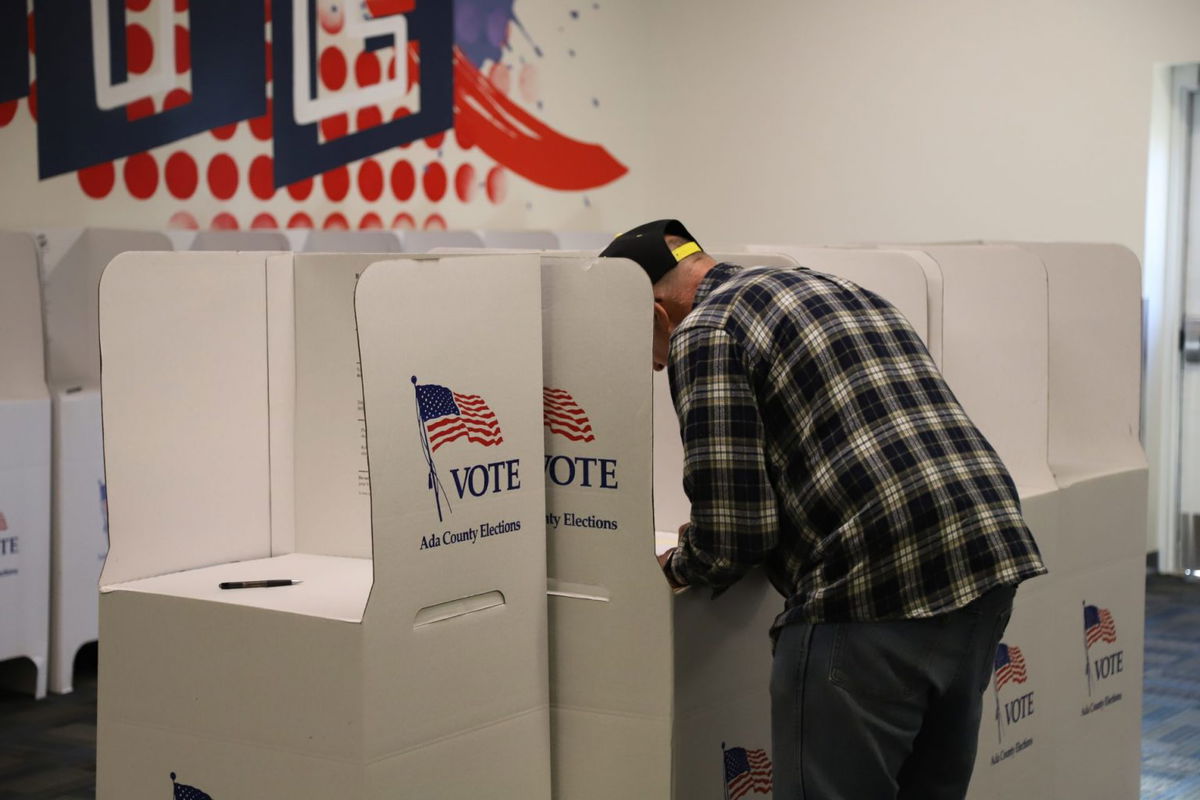
Idaho school districts are asking voters for more than $181 million this May.

The asks range from a $57 million bond in Kimberly to build a performing arts center to a $200,000 supplemental levy in Mackay to pay for athletics and building utilities over the course of two years.

The asks are more than double that of May 2025, where voters considered $75 million in ballot measures. It dwarfs November’s ballot measure asks, which came in at $159 million. 

School districts can only ask voters for additional funding from property taxes in May and November. Election dates for schools were reduced from four to two by the legislature over the course of the 2023 and 2024 sessions.

EdNews reached out to county election offices statewide to compile this comprehensive list of school ballot measures.

The estimated tax burdens on sample ballots do not take into account property tax relief passed by the Legislature in 2024. Those funds must first be applied to any bonds, then plant facility levies, and then supplemental levies. If school districts do not have any tax measures on the books, the funds go into an account for facility projects. The amount of property tax relief districts receive varies year to year.

The below estimated tax rates, therefore, are the highest possible tax amount for the listed ballot measures. Learn more on the basics of bonds and levies here.

Bonds

Two districts sought bonds this May, totaling $61.6 million. Idaho is one of two states that require a supermajority of 66.7% or 2/3 in support for a bond to pass. A bond has not passed in Idaho since May 2024.

Kimberly

What: A $57.8 million, 30-year bond.

What’s at stake? The bond would pay for a new fine arts center and auditorium, gym, community field house, and athletic fields at Kimberly High School. The parking lots at both the high school and middle school would also be refinished.

Superintendent Luke Schroeder said the facilities would serve the whole community with community recreational space where the public can come play pick-up basketball, pickleball or walk on the track.

Impact:  The bond would cost taxpayers $277 per $100,000 of taxable assessed value. See sample ballot here.

Rockland

What: A $3.8 million, 10-year bond.

What’s at stake? The bond would pay for building renovations and the construction of a Career Technical Education and agriculture building. It would also cover a football field with a track and new lighting.

Impact: The bond would cost taxpayers $592 per $100,000 of taxable assessed value. See sample ballot here.

Plant facilities levies

Four districts are seeking plant facilities levies — adding up to more than $47 million — for school facility maintenance and updates. Plant facility levies typically need 55% of the votes in favor to pass. They are listed alphabetically below.

American Falls

What: An average of $7.8 million, 10-year levy.

What’s at stake? The levy would pay for school maintenance, including lighting, heating and maintenance equipment. The levy would increase each year, starting at $695,564 the first year, up to $887,736, with an average of $788,528 per year. The district built in that 6% increase each year to cover the cost of inflation, said Superintendent Randy Jensen.

Jensen said that while the district isn’t behind on maintenance, these funds are essential for keeping up buildings and making them last. When state lawmakers gave schools capital project funds two years ago, they also took away districts’ lottery funds that were often used for building maintenance, Jensen noted. That change made the plant facilities levy more integral to the district’s budget.

“It’s probably more important than ever this year,” Jensen said.Impact: The levy would cost taxpayers $44 per $100,000 of taxable assessed value. The levy would replace an expiring plant facility levy. See sample ballot here.

Kimberly

What: A $5 million, 10-year levy.

What’s at stake? The levy would pay for facility maintenance, including new HVAC units, resealing parking lots, and replacing school buses as they age out.

Superintendent Luke Schroeder said some upcoming expenses include replacing the high school’s 41-year-old stadium lights and bleachers in both the middle and high school gyms. The new levy would be a $200,000 per year increase from the expiring plant facility levy.

Schroeder said the increase is to cover inflated costs for things like HVAC units that have doubled in price from $5,000 to $10,000 over the law few years.

Impact: The levy would cost taxpayers $40 per $100,000 of taxable assessed value an increase of $16 from the expiring plant facility levy. See sample ballot here.

Lakeland

What: A $15 million, 5-year levy.

What’s at stake? The levy would pay for building maintenance and updates like new flooring, playground repairs, repairing cracks in gym walls, a new backup generator at replacing roofs.

Impact: The levy would cost taxpayers $30.24 per $100,000 of taxable assessed value. See sample ballot here.

Payette

What: A $19.5 million, 10-year levy.

What’s at stake? The funds would largely pay for school updates like a new security vestibule at Payette Primary, resealing and repairing the McCain Middle parking lot and updating classrooms at Payette High School. The funds would also update the district’s sports facilities like adding a scoreboard and bleachers at the middle school, remodeling Dome gymnasium, and replacing stadium lights at Payette High.

Passing the new levy would revoke the levy’s current $495,000-a-year plant facility levy and replace it with the new, more expensive levy.

See the full plan here. Impact: The levy would cost taxpayers $157.44 per $100,000. See sample ballot here.

Supplemental levies

Twenty-seven districts are seeking supplemental levies — adding up to about $72 million. The levies largely pay the salaries and benefits of staff, above state allocations. Levies also commonly cover extracurricular activities. They require a simple majority or 50% to pass. The levies are listed alphabetically below.

Aberdeen

What: A $1.9 million, two-year levy.

What’s at stake? The levy would largely pay for staff salaries and benefits at $700,000 a year. It would also pay for maintenance and custodial supplies, technology, School Resource Officer and safety/ security, classroom supplies and curriculum.

Impact? The levy would cost taxpayers $201.78 per $100,000 of taxable assessed value. The levy replaces an expiring levy of the same cost. See sample ballot here.

Bonneville

What: A $19.2 million, two-year levy.

What’s at stake? The levy would largely pay for staff salaries and benefits with $2.5 million a year slated for support staff like paraeducators and another $990,000 for teachers and counselors. Another $1.2 million would pay for full-day kindergarten. Other big-ticket items include $900,000 for classroom supplies, $950,000 for coaches and other extracurricular activity advisors, and $950,000 for physical education and music programs.

Superintendent Scott Woolstenhulme said the increase in the supplemental levy is due in part to a return to an average daily attendance funding model after schools received funding based on enrollment during COVID.

Impact? The levy would cost taxpayers $119.24 per $100,000 of taxable assessed property value. The levy would be an increase of $47.20 from the expiring supplemental levy. See sample ballot here.

Cassia

What: A $5.9 million, two-year levy.

What’s at stake? The levy would largely pay for curriculum adoption and classroom supplies at just over $1 million per year. The rest of the funds would go to extracurricular activities at $1 million, safety and security at $745,000 and classroom equipment at $200,000.

Impact? The levy would cost taxpayers $73.18 per $100,000 of taxable assessed value. See sample ballot here.

Cottonwood

What: A $275,000, one-year levy.

What’s at stake? The levy would largely pay for virtual speech, language pathologist services that also require an in-person paraeducator to supervise students at $100,000 per year. The levy would also pay for utilities, technology, substitute teachers, maintenance and subsidize the district’s food services.

Impact? The levy would cost taxpayers $86.91 per $100,000 of taxable assessed value, an increase of $27.65 from the expiring supplemental levy. See sample ballot here.

Culdesac

What: A $500,000, two-year levy.

What’s at stake? The levy would largely pay for building maintenance at $104,015 per year. The levy would also cover student activities and clubs, supplies and materials, curriculum, technology, property and liability insurance, and purchased services.

Impact? The levy would cost taxpayers $243.18 per $100,000 of taxable assessed value, the same as the expiring supplemental levy. See sample ballot here.

Emmett

What: A $4.6 million, two-year levy.

What’s at stake? The levy would largely pay for routine and emergency building maintenance at $1 million per year, with another $700,000 toward custodial services. The levy would also pay for nursing, K-5 behavioral support personnel, and supplemental curriculum and supplies.

Impact? The levy would cost taxpayers $72.03 per $100,000 of taxable assessed value. See sample ballot here.

Filer

What: A $1.3 million, two-year levy.

What’s at stake? The levy would largely pay for staff salaries and benefits at $520,000. Extracurricular activities and supplies would receive $65,000 each.

Impact? The levy would cost taxpayers $62.97 per $100,000 of taxable assessed value. See sample ballot here.

Glenns Ferry

What: A $780,000, two-year levy.

What’s at stake? The levy would largely go to staff salaries and benefits at $245,000 per year. The rest of the funds would pay for curriculum, facility maintenance and technology.

Impact? The levy would cost taxpayers $63 per $100,000 of taxable assessed value, the same as the expiring supplemental levy. See sample ballot here.

Grangeville

What: A $805,000, one-year levy.

What’s at stake? The levy would largely pay for extracurricular activities at $550,000. The levy funds would also purchase two vans for transporting small groups to extracurricular activities at $120,000. The rest of the funds would cover library staffing and discipline support staff.

The levy ask comes after a failed November ballot measure and ahead of the first year of Grangeville operating as its own school district.

Impact? The levy would cost taxpayers $83.67 per $100,000 of taxable assessed property value, a reduction of $98.49 from the expiring supplemental levy. See sample ballot here.

Highland

What: A $1.2 million, two-year levy.

What’s at stake? The levy would largely pay for classified staff salaries and benefits at $212,000 per year. Busing is the second largest expense at $150,000 per year. The rest of the levy funds would cover full-day kindergarten, extracurricular activities and the associated busing costs, career technical education programs, and curriculum.

Impact? The levy would cost taxpayers $253.49 per $100,000 of taxable assessed value, the same as the expiring supplemental levy. See sample ballot here.

Kellogg

What: A $7 million, two-year levy.

What’s at stake? The levy would largely pay for staff salaries and benefits at $1.1 million per year. The funds would also cover transportation, nursing staff, janitorial services, and utilities for another $1.7 million. Another $694,000 would go to covering student programs like Junior ROTC, foreign language, athletics, full-day kindergarten, music and physical education.

The levy is for the same amount as a failed November 2025 supplemental levy request. Impact? The levy would cost taxpayers $238.58 per $100,000 of taxable assessed valued, an increase of $93.26 from the expiring supplemental levy. See sample ballot here.

Mackay

What: A $200,000, two-year levy.

What’s at stake? The levy would largely pay for athletics at $50,000 per year. The rest of the funds would cover classroom supplies, classified staff salaries and benefits and building utilities.

Impact? The levy would cost taxpayers $32.90 per $100,000 of taxable assessed value. See sample ballot here.

Madison

What: A $3.9 million, two-year levy.

What’s at stake? The levy would largely pay for staff salaries and benefits at $995,000 per year. The rest of the funds would cover safety and technology, curriculum, and transportation.

Impact? The levy would cost taxpayers $52.97 per $100,000 of taxable assessed value, the same as the expiring supplemental levy. See sample ballot here.

Marsh Valley

What: A $2 million, two-year levy.

What’s at stake? The levy would largely cover curriculum at $350,000 per year. Other allocations include special education services at $240,000 and extracurricular activities at $250,000. Literary intervention and career technical education also would receive levy funds.

Impact? The levy would cost taxpayers $42.10 per $100,000 of taxable assessed value. See sample ballot here.

Middleton

What: A $3.9 million, two-year levy.

What’s at stake? The majority of levy funds would pay staff salaries and benefits with $402,016 set aside for certified teachers and another $374,193 for classified staff, like paraeducators. Other line items include curriculum adoption, a school resource officer, transportation, technology, building maintenance, and covering a portion of pay-to-play extracurricular fees.

The ask comes after Middleton trustees decided to pursue a new state grant to build a new elementary school after years of failed bond measures. Impact? The levy would cost taxpayers $31 per $100,000 of taxable assessed value, an increase of $10 from the expiring levy. See sample ballot here.

Minidoka

What: A $7.7 million, two-year levy.

What’s at stake? The majority of levy funds would pay for student activities and athletics at $1 million per year. The rest would cover student safety, academic programs and classroom support, school operations and maintenance, and transportation.

Impact? The levy would cost tax payers $122.71 per $100,000 of taxable assessed value. See sample ballot here.

Nez Perce

What: A $445,000, one-year levy.

What’s at stake? The levy would largely pay for staff salaries and benefits at $285,000. The rest of the funds would cover maintenance and transportation, and utilities.

Impact? The levy would cost taxpayers $251 per $100,000 of taxable assessed value, the same as the expiring supplemental levy. See sample ballot here.

Payette

What: A $1 million, two-year levy.

What’s at stake? The levy would largely cover a classified staff pay increase at $200,000. The rest would cover curriculum and technology and special education expenses at $150,000 each.

Impact? The levy would cost taxpayers $40.37 per $100,000 of taxable assessed value. See sample ballot here.

Preston

What: A $2.2 million, two-year levy

What’s at stake? The levy would largely pay classified staff and substitute teacher salaries at $630,000 per year. Technology and nurse/ mental health services are also big-ticket items. The rest of the levy funds would pay for a school resource officer and extracurricular activities.

Impact? The levy would cost taxpayers  $81.50 per $100,000 of taxable assessed value. See sample ballot here.

Richfield

What: A $360,000, two-year levy.

What’s at stake? The levy would largely pay for classified staff, like paraprofessionals, salary and benefits at $100,000 per year. The rest would cover extra-curricular programs at $80,000.

Impact? The levy would cost taxpayers $129.86 per $100,000 of taxable assessed value, the same as the expiring supplemental levy. See sample ballot here.

Ririe

What: A $1 million, two-year levy.

What’s at stake? The levy would largely pay for staff salaries and benefits at $222,000 per year. Another $110,000 each year would pay for a school resource officer. The rest of the levy would go toward purchasing a new bus, maintenance and curriculum.

Impact? The levy would cost taxpayers $111 per $100,000 of taxable assessed value, an increase of $17 from the expiring levy. See sample ballot here.

Salmon River

What: A $525,000, one-year levy.

What’s at stake? The levy would largely pay teacher staff salaries and benefits budgeted at $250,000. The rest would cover classified staff, including aides, janitorial staff, and coaches, at $150,000.

Impact? The levy would cost taxpayers $148.69 per $100,000 of taxable assessed value. See sample ballot here.

Shoshone

What: A $600,000, two-year levy.

What’s at stake? The levy would largely pay for certified staff at $170,000 per year. The rest of the funds would cover athletics/ activities, transportation, supplies, and classified staff.

Impact? The levy would cost taxpayers $74.54 per $100,000 of taxable assessed value, the same as the expiring supplemental levy. See sample ballot here.

Soda Springs

What: A $993,000, one-year levy.

What’s at stake? The levy would pay for teacher and staff salaries and a school resource officer.

Impact? The levy would cost taxpayers $61.39 per $100,000 of taxable assessed value, a reduction of $7.33 from the expiring levy. The reduction is due to an increase in property values. The total cost of the proposed levy and the expiring levy is $993,000. See sample ballot here.

Snake River

What: A $1.4 million, two-year levy.

What’s at stake? The levy would largely cover staff salaries at $225,000, as well as curriculum and technology, safety, literacy interventions and all-day kindergarten and supplemental classes programs like music, FFA and athletics.

Impact? The levy would cost taxpayers $67 per $100,000 of taxable assessed value, the same as the expiring supplemental levy. See sample ballot here.

Wendell

What: A $1.2 million, two-year levy

What’s at stake? The levy would largely pay for building maintenance at $355,000 per year. The rest would cover staff salaries and benefits and curriculum adoption.

Impact? The levy would cost taxpayers $81.36 per $100,000 of taxable assessed value. See sample ballot here.

Whitepine

What: A $880,000, one-year levy.

What’s at stake? The levy would largely pay staff salaries and benefits at $595,000. The rest of the funds would cover security and technology, maintenance and operations, transportation, supplies and curriculum, and extracurricular programs.

Impact? The levy would cost taxpayers $256.12 per $100,000 of taxable assessed value a $2.32 decrease from the expiring supplemental levy. See sample ballot here.If your school district’s ballot measure is missing from this list email emma@idahoednews.org.Ed News Data Analyst Randy Schrader contributed to this story.

Click here to follow the original article.

Idaho Fish and Game Commissioner pleads not guilty to poaching charges

Maile Sipraseuth

ST. ANTHONY, Idaho (KIFI) — Brody Harshbarger, a sitting member of the Idaho Fish and Game Commission, has pleaded not guilty to seven hunting-related misdemeanor charges following a poaching investigation in Fremont County. Investigators allege that Harshbarger, along with another suspected poacher, illegally shot and abandoned two elk near the Spring Hollow boat ramp in December 2025.

Hunters React

The local hunting community say the case is raising concerns about accountability and trust.

“Idaho fish and game think they are above the law, I don’t have a single good thing to say about them. The only thing that surprises me about this is that someone within their circle turned the commissioner in,” Casey, a hunter, said. The fish and game commissioner is appointed also, we the people don’t vote them into power, this commissioner is a huge advocate on big changes they have been making to restrict the use of trail cameras, thermal imaging and anything that could give the hunter a leg up.”

Another hunter, who chose to remain anonymous, say their frustrations with Idaho Fish and Game go beyond this case… pointing to their own personal experiences with the agency.

“…I was cited by Idaho Fish and Game, hired an attorney, went through the whole process, and was found not guilty. After going through that — the stress, the cost, the time — it is genuinely hard to be a supporter of this agency. I want to be. I care about conservation and wildlife management. But when you’ve been on the wrong end of what feels like a gotcha approach to enforcement, and then you watch a Commissioner himself get charged with something like this, the goodwill runs out fast,” they said.

Despite the uproar across the area, some hunters aren’t surprised.

“The story is Idaho hunters are shocked to learn that the rule makers aren’t following the rules, right? What’s the story? Nobody’s surprised. It’s emblematic of everything that we deal with. Where we’ve got rule upon rule foisted upon us. When are the rule makers actually going to follow it?” Jordan McCullough, a hunter in Idaho Falls, said.

Hailey Staggie, who has hunted since she was eight years old says this case is especially frustrating… pointing to what she believes is unfair treatment by Idaho Fish and Game.

“It’s frustrating that they would shoot animals and just let them lay when there’s times when people in my opinion, I’ve witnessed with the Fish and Game people legally taking animals and then confiscating their animals and their gun for stuff that they didn’t even do. But they’re sitting behind our backs doing poaching,” Staggie said. “If they’re doing that themselves, then why should we trust them with anything?”

Investigation

The investigation began on December 20, 2025, after a property owner contacted the Citizens Against Poaching (CAP) hotline. Conservation officers arriving at the scene found a 6-point bull elk on private property and an antlerless elk on nearby Bureau of Reclamation land.

According to court documents, Eric Murphy of Fremont County confessed to officers that he and Harshbarger had been shooting at elk in the area, leading to the unlawful harvest of both animals.

Court records outline several serious violations of Idaho hunting and safety codes. The documents allege that Hashbarger illegally shot at the elk from the driver’s seat of his pickup across Spring Hollow Road, while Murphy fired from outside the truck. Investigators also found that Harshbarger had already filled his elk tag for the season, leaving him with no legal right to target additional animals.

Evidence at the scene suggests the 6-point bull was hit and ran onto private property before collapsing. Despite this, investigators say that neither men contacted the landowner for permission to retrieve the animal nor made a reasonable effort to recover the meat. The documents further suggest Harshbarger acted as a leader in the incident by driving the vehicle and telling Murphy where to shoot.

Both men now face charges including trespassing to hunt or retrieve, shooting from a public highway, and aiding in an unlawful harvest. Murphy faces six misdemeanor counts and is scheduled for arraignment on April 2, 2026.

Meanwhile, Harshbarger, through his attorney, pleaded not guilty on March 13. He’s set to appear in a pretrial hearing on April 29 in Fremont County. If convicted, Harshbarger could face possible jail time, heavy fines, civil penalties, and the loss of hunting privileges.

The case is compounded by Harshbarger’s position within the state’s wildlife management system. Appointed by the governor, a Fish and Game Commissioner is responsible for setting hunting seasons, approving regulations, and overseeing the department’s budget.

Following the allegations, the Governor’s Office confirmed in a letter dated March 10 that Harshbarger has voluntarily agreed to step back from his official duties until the case is resolved, according to reports by the Idaho Capital Sun. His current term is set to run through June 2027.

Local News 8 reached out to Idaho Fish and Game for a statement, but they declined to comment as it is an active case. We also reached out to Brad Little’s office, but are still waiting to hear back.

Click here to follow the original article.
Aging firehouse kitchens set for upgrades across Bend

Tracee Tuesday

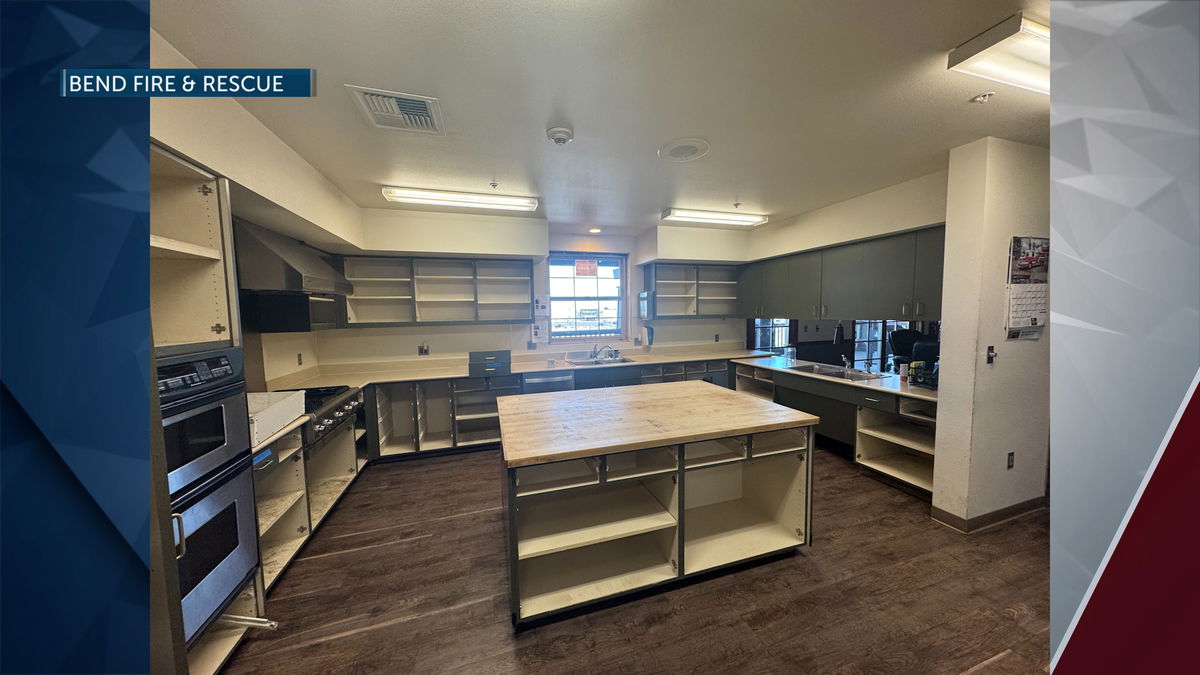
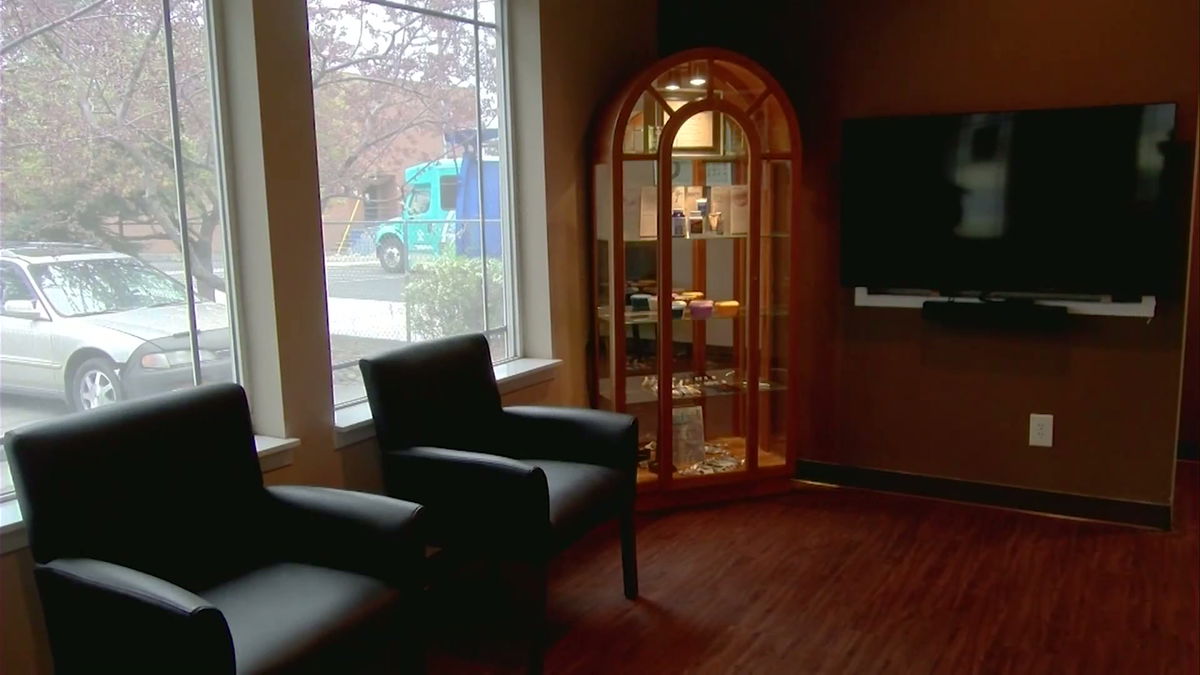
BEND, Ore. (KTVZ) — The Bend City Council approved a $394,000 contract today to remodel the kitchens at three Bend Fire & Rescue stations. The project will address significant wear and tear at Stations 301, 303 and 304.

Mission Building & Remodel was selected for the construction work after submitting the lowest responsible bid. The project will be completed in three phases over the next three fiscal years to ensure emergency operations remain uninterrupted.

The fire stations are owned by the Deschutes County Rural Fire Protection District No. 2, which is responsible for major maintenance and repair costs. Under a partnership agreement, the City of Bend will manage the construction contract and receive full reimbursement for the project costs from the district at the end of each fiscal year. The kitchens being replaced are more than 25 years old and have deteriorated from constant use by multiple crews.

Construction is structured as a three-phase approach to minimize operational disruption and align with budget planning. Station 301 is scheduled for remodeling during the 2026 fiscal year. Remodeling for Station 303 will follow in 2027, while Station 304 is planned for 2028. This follows the successful completion of a kitchen remodel at Station 305 in fiscal year 2025.

Trisha, a Bend Fire & Rescue official, said the kitchens have reached the end of their functional lifespan. “These kitchens, by the time they get remodeled, are more than 25 years old,” Trisha said. “So they’ve had a lot of pressure with the crews. We’ve hired more people. We have more crews working out of the station. You can see, that this kitchen has lots of wear and tear. The cabinets can’t hold the doors anymore. They’re particleboard and we just cannot reattach those cabinet faces anymore.”

The scope of work includes replacing aging casework, appliances and sink fixtures. While most features will be replaced, some elements will be preserved or upgraded for commercial use. “Everything will look exactly the same,” Trisha said. “The cabinets will get replaced. We’re also going to be putting in double ovens and all of our kitchens. We’re cooking for multiple crews, so it’s really important that they’re able to make a lot of food and do that quickly. This countertop will stay the same. This, butcher block. We’re just going to refinish it. We’re also doing steel countertops. We’re going to make sure all of the older stations have commercial dishwashers.”

Firefighters occupy the stations 24 hours a day and are responsible for their own meal preparation. Crews typically rotate the cooking duties for breakfast, lunch and dinner. Trisha noted that although the city provides the facilities, the firefighters purchase all the food they consume. “The kitchen is I feel like the most important part, the fire stations, it’s important that our crews stay fed,” Trisha said. “It’s also important is that we’re getting busier, that the crews can make their food quickly, they can get fed so they’re satiated so they can go on response calls to our public.”

The project is part of a larger five-year capital improvement plan for the department. Other planned projects include flooring replacement, interior painting, window replacement and bathroom remodels. Official said fire stations are considered a public asset that must be maintained to last 50 years or more. “As they start to degrade like this one is, it’s important that we improve the station, we improve this kitchen,” Trisha said. “Right now, these stations are starting to degrade. And instead of letting them degrade more, which is going to cost us more money in the long run, we need to get on top of this and upgrade the kitchen now.”

Work on Station 301 is expected to begin this year. Projected expenditures for the future phases at Stations 303 and 304 will be incorporated into the 2027-2029 biennial budget process.

Click here to follow the original article.

Naked man breaks into Bend business, faces multiple charges

Claire Elmer

(Update: Adding information and quotes from the business owner, Findley’s extensive criminal record).

BEND, Ore. (KTVZ) — BEND, Ore. (KTVZ) — A 43-year-old man was arrested Saturday night after police say he broke into a Bend business and smeared feces inside the building, in what the owner describes as a deeply unsettling encounter that has prompted new safety concerns.

Break-in reported, suspect found inside

Police identified the suspect as Jajay Allen Findley. Officers responded around 9:27 p.m. after a caller reported a naked man had forced his way into the building.

When officers arrived, they found Findley inside; although the initial report described him as naked, police said he was clothed when taken into custody. Officers cleared the facility to ensure no one else was inside.

Investigators later discovered feces smeared in two separate areas of the business, leading to an additional third-degree criminal mischief charge for the damage.

Business owner recounts alarming encounter

The incident happened at Denture In, in the heart of Bend, after an employee had locked up for the night.

Owner Tad Burzynski said he returned to the office around 9:30 p.m. and immediately sensed something was wrong.

Tad Burzynski, owner of Denture In, said he returned to the office around 9:30 p.m. and immediately sensed something was wrong. Inside, Burzynski said he found the suspect naked after he had defecated and smeared feces throughout the office. He described the moment to KTVZ News.

“Is this somebody I know? This is not somebody I know, and nobody’s supposed to be here,” Burzynski said, recalling the confrontation.

Burzynski called police and kept track of the suspect until officers arrived and made the arrest.

Charges include burglary, drug possession

Findley was transported to the Deschutes County Jail and now faces five charges: second-degree burglary, third-degree theft, third-degree criminal mischief, third-degree escape, and possession of a controlled substance. Police said the controlled substance was methamphetamine.

Extensive criminal history, including sex crime convictions

Findley’s criminal history spans more than two decades and includes a mix of misdemeanor and felony offenses, including assault, harassment, theft, and repeated driving-related violations.

The most serious charges came in 2019 in Deschutes County, when he was charged with unlawful possession of methamphetamine along with 20 counts of encouraging child sexual abuse in the first and second degrees, which are felony-level offenses involving explicit material tied to minors.

Those convictions required Findley to register as a sex offender in Oregon. However, records show he has repeatedly failed to comply. Since 2023, he has faced multiple charges in Deschutes and Marion counties for failing to report as a sex offender, including both misdemeanor and felony cases.

Court records show Findley was previously sentenced to 35 months in state prison and 36 months of post-prison supervision for those crimes.

Safety concerns grow for business owners

While the mess inside the office can be cleaned, the Burzynskis say the suspect’s background is what’s most concerning.

The business sits near Hawthorne Station, an area they say has seen increasing issues over time, with families, students, and staff frequently passing through.

Deedee Burzynski, office manager, said the business has experienced vandalism in the past, but never an interior break-in. She said the incident has made her reconsider safety measures, especially with family visiting the office.

“We haven’t had anybody physically break into the building… we’ve had a lot of vandalism on the exterior, but nothing ever on the interior. We do have our grandkids who come to visit here at the office. So that brings in that piece of safety that I really need to change, because I don’t know who’s around the building anymore,” Burzynski said.

Now, they say they are reevaluating safety protocols, especially after hours.

Findley remains in custody, facing multiple charges in connection with the break-in.

2019 Child Sex Abuse Conviction, Jajay Findley.Download

Click here to follow the original article.
Alleged casino robber has arraignment scheduled for Tuesday

Ryan Shiner

COLUMBIA, Mo. (KMIZ)

A man accused in the armed robbery of the Isle of Capri Casino in Boonville last week will appear in court on Tuesday.

Benjamin Michael-Dass Charles, 21, of Columbia, is charged with first-degree robbery, armed criminal action and tampering with evidence. He is being held at the Cooper County Jail on a $1.3 million bond. His arraignment is scheduled for 10:30 a.m. Tuesday at the Cooper County Courthouse.

Hollis Vanleer Jr. 20, of Normal, Illinois, is still at-large. He was charged with first-degree robbery, armed criminal action and first-degree assault. The Missouri State Highway Patrol wrote in a Friday press release that Vanleer “should be considered armed and dangerous. Anyone who encounters Vanleer should immediately call 911 and not approach him.”

Court documents claim Charles and Vanleer took $1.28 million from the casino on Wednesday, March 25. A patron allegedly tackled one of the masked men, but the pair got away after one of the men hit the patron, court documents in previous reporting say.

The pair drove a 1998 Ford Taurus to Howard County and abandoned it before getting into a second vehicle, previous reporting indicates. Charles was identified from information found on a receipt in the Ford, court documents say.

The Missouri Gaming Commission on Thursday, March 26, identified Charles as a casino employee while he was on duty, court documents say. The money taken from the robbery has still not been located.

Charles allegedly told officials that the robbery had been planned for a month and that he bought homemade explosives from someone to use as a distraction, court documents say.

Click here to follow the original article.
The Deuce is the first Columbia bar approved for World Cup extended hours

Ryan Shiner

COLUMBIA, Mo. (KMIZ)

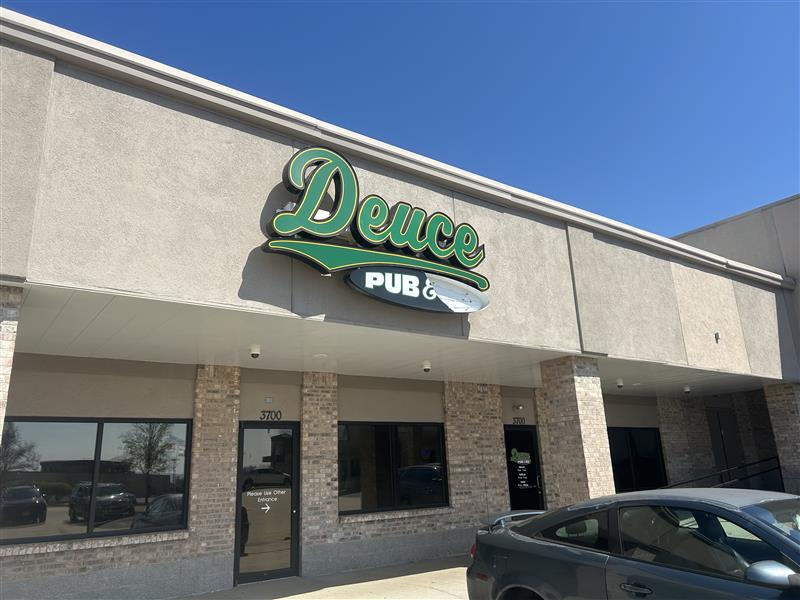
The Deuce Pub and Pit is the first bar in Columbia to be approved for extended hours during the World Cup.

The Deuce so far is the only bar to apply for the extended hours, according to an email from Columbia Convention and Visitors Bureau Megan McConachie.

A Missouri law would allow for bars to serve alcohol for 23 hours a day during the period when the World Cup is occurring this summer. However, Columbia opted to just extend bar hours by one hour on select dates when World Cup games are scheduled late.

Businesses may apply to make their closing times for 2:30 a.m. on:

June 14

June 17

June 20

June 21

June 23

June 27

July 3

The application fees to participate are $100.

Click here to follow the original article.