Simla High School celebrates two state championships

Rob Namnoum
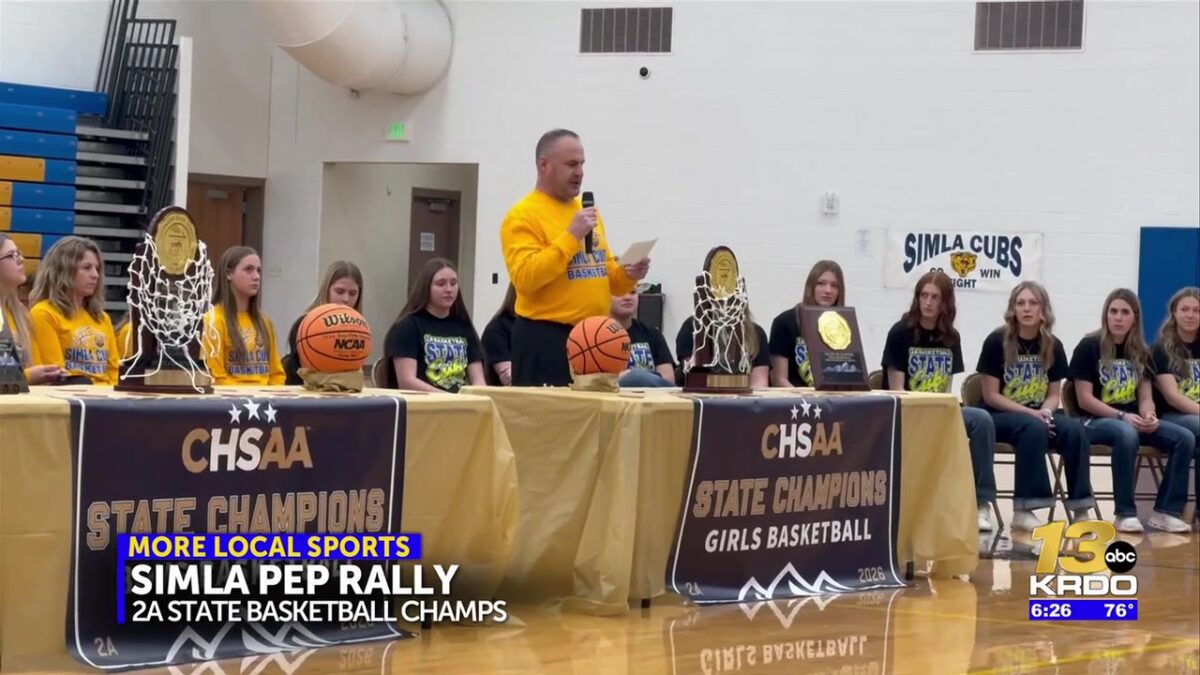
Simla High School held a pep rally on Wednesday to celebrate the school winning the Boys 2A state basketball championship and the Girls 2A state championship.
Rob Namnoum
Simla High School held a pep rally on Wednesday to celebrate the school winning the Boys 2A state basketball championship and the Girls 2A state championship.
Stephanie Lucas
WASHINGTON, D.C. (KIFI) – With Idaho’s AAA reporting another week of pain at the pump for drivers, Idahoans are likely making the connection between gas prices and U.S. actions in Iran.
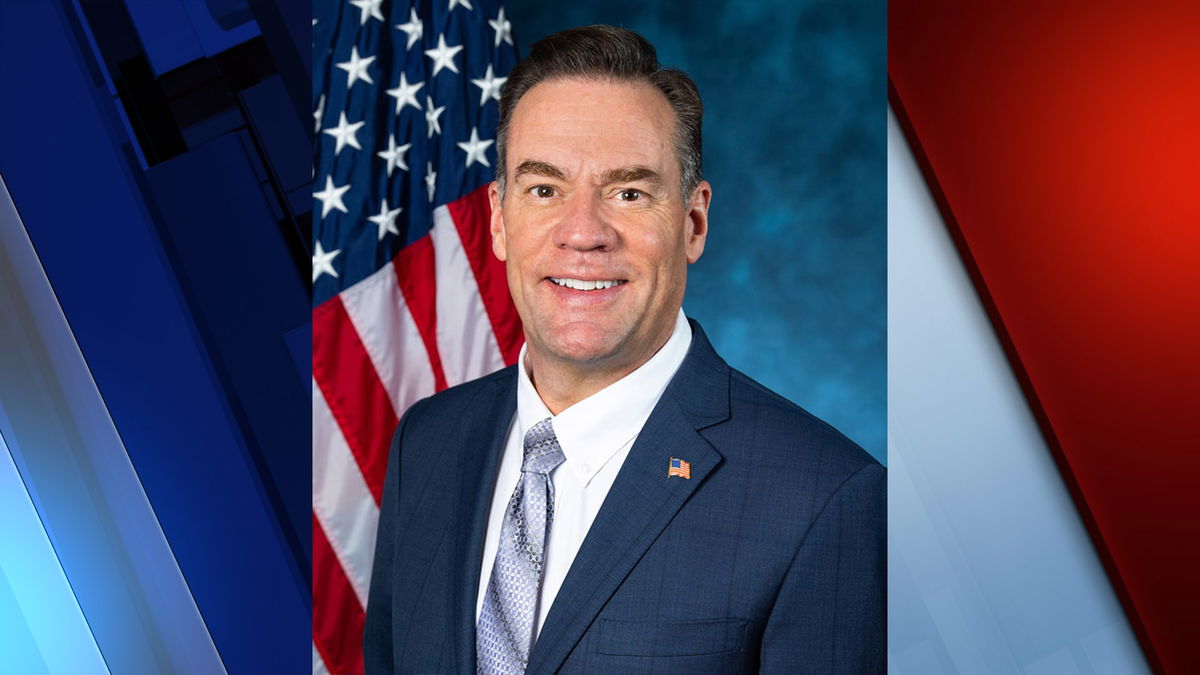
Idaho Congressman Russ Fulcher updated Local News 8 on the Middle East situation today, outlining his expectations for a timeline for U.S. actions to be completed, and clarifying some of the factors at play in rising fuel prices.
Watch our complete interview with Rep. Fulcher below:
“Nobody has an appetite for a forever war,” he said. “But at the same time, we’ve got to support the men and women who have engaged over there now, and we need to get this job done. And I think that it will be sooner rather than later.”
On the rising cost of fuel, Fulcher said the U.S. gets very little oil from Iran.
“Here are the interesting facts on that. So the U.S. really doesn’t get hardly any of its fuel [there]. There is one or 2%. However, the rest of the world is somewhere in the neighborhood of 20%.”
“So it’s that world market,” he continued, “world market force in terms of gas prices, its impact. It’s in the short term. I think the good news there is, look, we are keeping or we’re opening back up the Hormuz Strait. That’s where so much of this commerce goes through.”
Fulcher added that global supply is showing signs of recovery.
“And so that, and the rest of the world supply is responding as well. Venezuela is now coming back up and increasing the production there. So it might take a little bit. But this should be a short-term problem with the increase in gas.”
Jessamyn Dodd
BRAWLEY, Calif. (KYMA) – The annual Cesar Chavez Day Celebration in Brawley will continue as scheduled, only with a shift in recognition, as it will no longer be named after the civil rights leader.
The change comes as communities across the country reconsider how to mark the holiday following recent allegations against Chavez.
Organizer Eric Reyes says the celebration will shift the focus away from Chavez and direct the attention toward farmworkers in Imperial County.
He says the goal is to honor the labor movement while recognizing the sacrifices of the workers in the Valley.
Reyes explained, “The celebration itself must continue because it’s about a farmworker movement and a farmworker community and how we have advanced as a community through the hard work of all the movemientas, so it’s called El Movemientos Celebration.”
He noted that the alleged victims should be given space and time to tell their stories, all all claims should be investigated.
Imperial County Chief Public Defender Ben Salorio says the rebranding makes sense as it will focus on the Mexican-American and Filipino farm workers, who helped lead the Delano Grape Strike in 1965.
“I think recognizing the Filipino and Mexican Farmworkers, along with the current farm workers, is not just appropriate, but probably long overdue,” Salorio explained.
Salorio is set to make an appearance at the event as part of his campaign for Imperial County Superior Court Judge in this year’s election.
Despite the shift, the event will feature a march, community activities, and resource tables for those in need.
Paul Vozzella
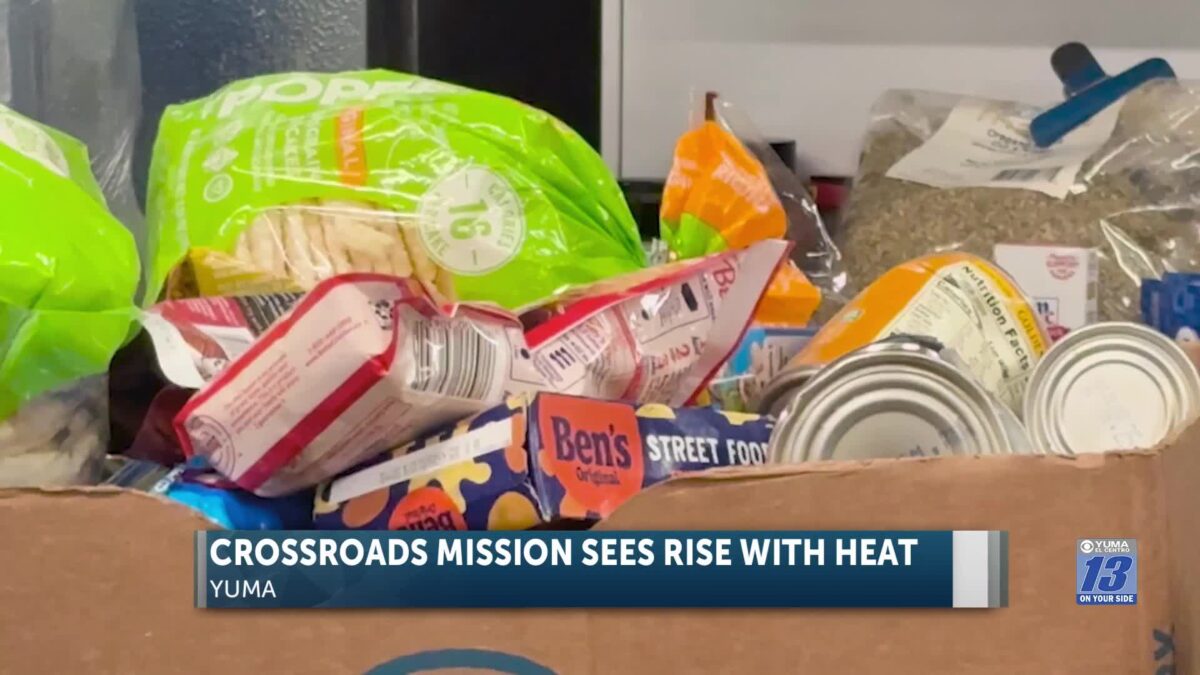
YUMA, Ariz. (KYMA) – Rising temperatures in Yuma are creating increased risks for the city’s homeless population, prompting a surge in demand for services at Crossroads Mission.
The early arrival of hotter weather has led more individuals to seek relief at the shelter, where access to water and daily necessities becomes critical.
According to Public Relations Director Sassa Culver, those utilizing the shelter’s services are already consuming more water as temperatures climb.
The organization operates year-round, providing essential resources such as food and hydration, but its role becomes even more vital during periods of extreme heat.
Seasonal residents contribute when they are able to, but those supplies only last for a limited time.
“We do have winter visitors that are getting ready to go back up north. They do bring what they have left in their pantry and their refrigerators, and then May, June, July and August are our slow months,” Culver shared.
To meet rising demand and prepare for sustained high temperatures, Crossroads Mission is encouraging local residents to organize water and food drives.
Donations of bottled water, canned goods, and breakfast items can help ensure the shelter continues to meet the needs of vulnerable individuals as the region transitions into the hotter spring and summer months.
Community members interested in contributing can donate directly at Crossroads Mission’s main campus at 944 S. Arizona Ave. or its 2nd Chance Thrift Store at 550 W 8th St.
Marie Moyer
COLUMBIA, Mo. (KMIZ)
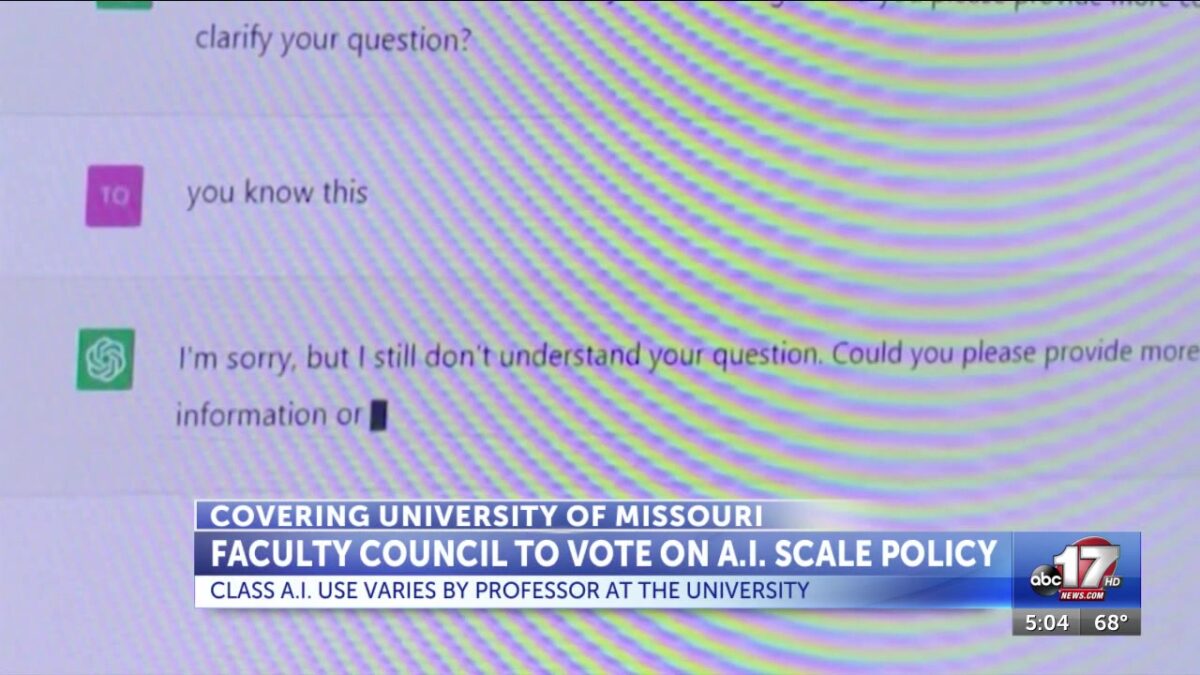
The University of Missouri Faculty Council is set to vote on an artificial intelligence policy that will categorize students’ assignments by allowed AI use.
According to Council documents, if approved, all graded course assessments of student work will also include a number label from a zero through three scale.
Assignments where an instructor allows no AI use are considered “Level 0″ while “Level 3” would be assignments where professors are OK with AI helping on bigger tasks.
 Courtesy: MU Faculty Council
The label is meant to communicate the expectation of AI use for projects and promote responsible AI use.
“The goal is to increase transparency, allow better communication about expectations, and to protect academic integrity,” AI Committee Chair Kevin Brown said in a statement. “We’re hoping that this policy will help to proactively address student concerns about AI.”
Resolution AI Use Scale PolicyDownload
ABC 17 News spoke with around a dozen students on MU’s campus who all said that AI use is typically on a case-by-case basis across classes and instructors. Brown added the university does not have a list of approved or preferred AI programs that instructors recommend.
“Instructors at Mizzou have the freedom to decide how AI can be used and not used in their individual classroom,” Brown said.
Students generally reported that instructors are evenly split between banning AI, occasionally using it, and integrating it into their classwork.
“I feel like on campus, the dependency isn’t necessarily there,” said Sarah Tarpley, who is a student at MU’s digital storytelling program. “I feel like a lot of people gravitate towards it, like they want to use it for ideas and stuff like that.”
Students also say if AI is allowed, a majority of instructors only allow it for brainstorming and expanding on ideas.
“The only really allowed use of it was for brainstorming, researching or trying to figure out what you would write about, but not for writing itself,” MU psychology student Zach Zellmer said.
“While the majority of instructors still do not allow AI use, there are more and more instructors who are incorporating AI into assignments to help prepare our students for the workforce, in which AI knowledge will be increasingly valuable,” Brown said.
Geography student Michael Murphy said one of his geography classes allows AI in research when finding sources. However, students must report what program they used and review the source’s page to make sure it’s a valid source.
“They allow us to use AI to generate prompts for like project ideas or to generate sources for our assignments, but they also want us to include how we used the AI or which AI we used,” Murphy said.
Council documents add that even if passed, AI use levels will ultimately remain up to each instructor.
“While the majority of instructors still do not allow AI use, there are more and more instructors who are incorporating AI into assignments to help prepare our students for the workforce, in which AI knowledge will be increasingly valuable,” Brown said.
The Faculty Council meeting is at 3:30 p.m. Thursday in 205 Cornell Hall.
Nia Hinson
CALLAWAY COUNTY, Mo. (KMIZ)
People who live in the eastern and southeastern portions of Callaway County typically have to wait longer to receive an ambulance, according to new data.
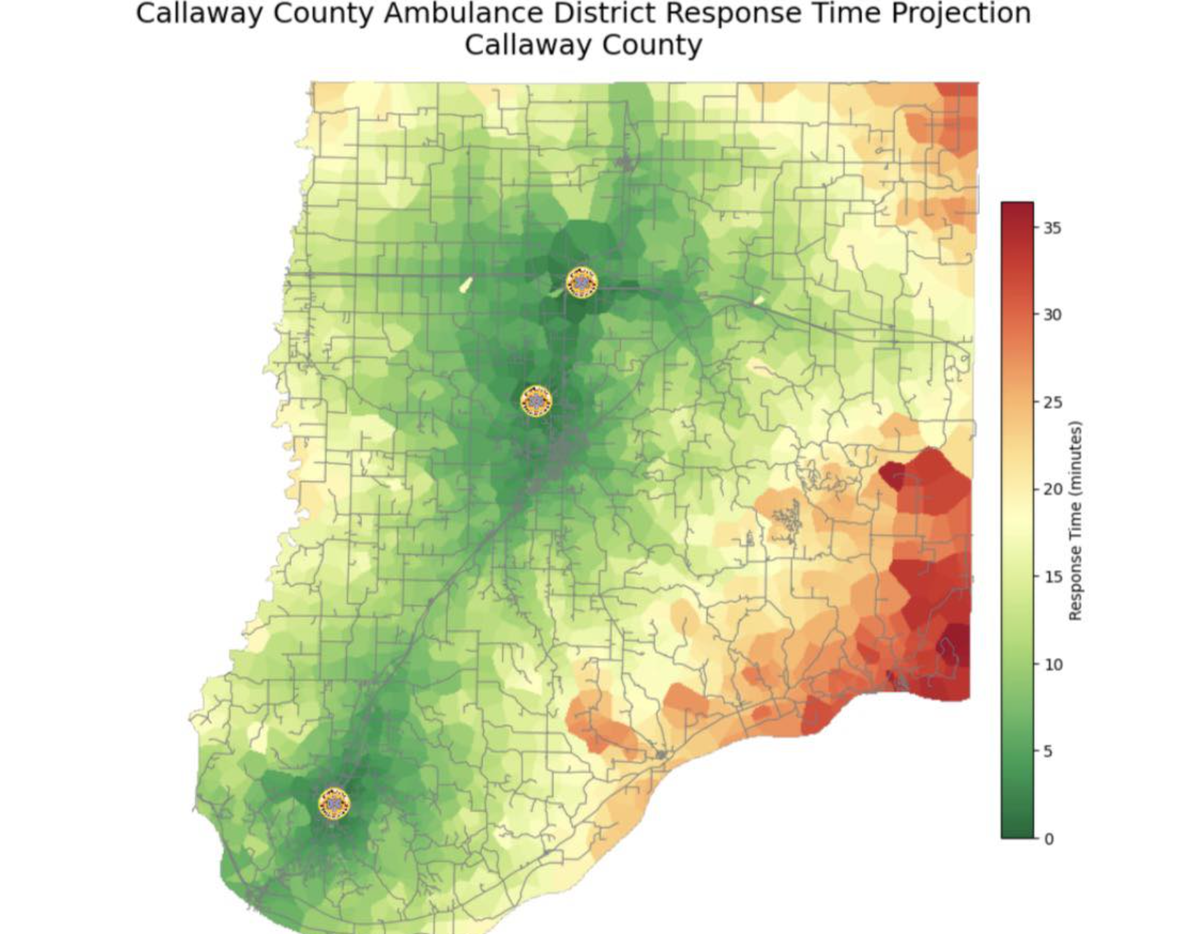
According to a social media post from Callaway County Emergency Medical Services, a consulting company created map showing projected response times. The map depicts response times based off of road network routing and assumed travel speeds. Actual response times can vary, depending on factors such as dispatch processing and weather.
The map shows areas in green typically have an ambulance reach them the quickest, which is within rough 5-10 minutes– while areas in the yellow and orange will wait slightly longer. Areas in the red portion of the map could see the longest wait time, with waits up to 35 minutes. That includes areas such as Portland, Steedman, Reform and Readsville.
Callaway County Ambulance District EMS Chief Charles Anderson said they aren’t currently having discussions about expanding in the areas that face slower times, but he believes a use tax on the April ballot could help. Voters will vote on use tax on April 7.
Callaway County ballot 3-18-2026Download
Anderson said the ambulance district’s primary funding mechanism is a half-cent sales tax. However, he said as they start to see more online shopping, the district doesn’t receive any sales tax from the sales. If approved, the use tax would apply the half cent sales tax to online purchases, which could potentially generate $500,000-$700,000 per year for Callaway County EMS.
Curtis Hall, who serves on the Callaway County EMS Board of Directors. also said he believes the use tax could help. Hall said he believes the current placement of ambulances in Callaway County has served the community well, but said population growth in Holts Summit is putting a strain on that. That can sometimes also mean mutual aid from Fulton or Cole County is requested.
“As with any public safety services there are significant cost considerations to consider such as facilities, salaries, benefits and ambulances. Personally, I feel the use tax would be beneficial so that serious conversations can be discussed about repair/ replacement of existing ambulances and support the long term goal of additional resources to the Holts Summit area,” Hall wrote via email.
According to Anderson, the company conducted the data unsolicited. Anderson said although EMS did not specifically request the data, he stills finds it helpful and said that it brings up talking points about possibly contracting with a company in the future to provide call volume data.
Anderson said that the eastern and southeastern areas usually face longer wait times due to the positioning of resources. The locations sit further from stations and include road networks with fewer direct routes, the post says.
Anderson said while they’re aware of the longer response times, there are other factors they have to consider.
“It also probably has the fewest number of calls and so you know the question then becomes for us, does it make sense to spend the money to build a station and staff an ambulance crew down in that area for a handful of calls?” Anderson said.
While certain people could wait longer to receive an ambulance, it doesn’t mean that they don’t wait the full wait time to receive care. Anderson said fire districts that cover those areas are able to start basic levels of care before an ambulance can arrive.
“They respond to medical emergencies and they have trained emergency medical responders and trained EMTs,” Anderson said. “Working with the fire districts you know, we try to cut that time down because they are gonna get there quicker than we are.”
Dave Alley
SANTA MARIA, Calif. (KEYT) – Like the rest of the Central Coast and throughout much of California, Santa Maria is in midst of a record-breaking heat wave.
On Tuesday, the city recorded a temperature of 95 degrees, easily eclipsing the previous high for St. Patrick’s Day by 10 degrees.
“Yesterday, it was really warm, especially when that wind was not blowing,” said Santa Maria resident Garret Matsuura. “It was just sweltering out in the heat. It was sweaty, just everything felt hot. Putting on the sunglasses hurt it was so hot!”
One day later, the thermometer reached nearly as high, hitting 93 degrees, more than 20 degrees above average for this time of year.
With the heat showing no signs of letting up, many people in Santa Maria are looking for ways to escape the unseasonably warm, uncomfortable weather conditions.
“In the middle of March, nobody expects this,” said Santa Maria resident Deborah Sanchez. “It does catch everybody off guard. Here we are in this 90 degree weather sweltering. We’re not used to this. It’s just too hot!”
Sanchez, like many others on Wednesday, spent a part of her day at the Paul Nelson Aquatic Center swimming laps in the downtown pool.
“It’s just refreshing,” said Sanchez. “You step in that pool and it like just cools you off immediately and once you get going and it’s like you don’t want to get out.”
Across the street at the Santa Maria Public Library, many took refuge inside the air-conditioned confines of the two-story building.
“We definitely have had a bump up in visitors,” said Santa Maria librarian Joanne Britton-Holland. “I was shocked when I was on desk this morning at 9 a.m. to see people sweating already. This is sort of the unofficial, cooling zone for this week. Our second floor of the library is especially cool. The AC seems to be working overtime.”
On the other side of South McClelland Street, at the Santa Maria Lawn Bowling Club, players braved the elements to take in a friendly game Wednesday morning before the heat of the day kicked in.
“This weather is hot,” said Santa Maria resident Steve Haueter. “We are not used to here on the coast, but we deal with it.”
Haueter, who is originally from the San Fernando Valley and is no stranger to hot weather, said his main advice for people to handle this type of heat is to take precautions beforehand.
“I think it’s it’s preparation,” said Haueter. “The hat, long pants, long sleeves, sunblock is huge, but the main thing for me is to cover up, which means no short pants or short sleeves for me.”
The Latest Breaking News, Weather Alerts, Sports and More Anytime On Our Mobile Apps. Keep Up With the Latest Articles by Signing Up for the News Channel 3-12 Newsletter.
Linda Larsen
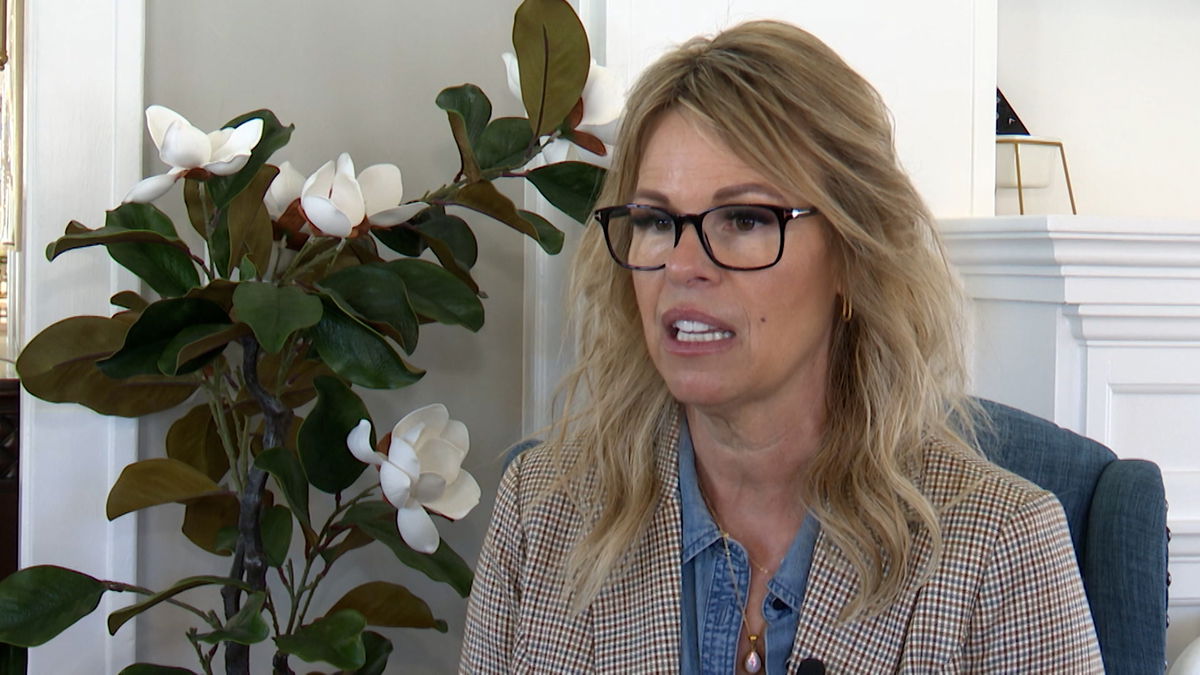
POCATELLO, Idaho (KIFI) — As the 2026 legislative session enters its final stretch, the race for Idaho’s top education post took center stage in Pocatello on Wednesday. State Superintendent of Public Instruction Debbie Critchfield met with parents and educators at the Magnolia Mansion to outline a second-term vision focused on “the basics,” even as school districts brace for a tightening financial belt.
The visit comes at pivital time for Idaho Education, as school districts across eastern Idaho grapple with significant budget gaps.
Addressing the anxiety surrounding mid-year budget adjustments, Critchfield emphasized the need for stability in district contracts.
“We are in the teaching business,” Critchfield said. Recognizing that for contracts that have been set, having mid-year cuts would have been devastating. I support the Governor in championing no cuts for the current year.”
“So far, the legislature hasn’t proposed any, and we are hopeful that remains the case as we look toward maintaining current funding levels in the coming year.”
Critchfield announced that she has officially placed her $50 million funding request for special education on hold for the current cycle. But says they are still making upgrades to the program by identifying new solutions and finding ways to move forward responsibly.
Lauren Duffel
Lauren Duffel shares who is helping distribute all of this food, and what they’re still looking for.
YUMA, Ariz. (KYMA) – The Yuma Community Food Bank has distributed over one million pounds of food to the community this past month.
“The carts you see behind built behind us. We go through and give out [600-700)] a day so our volunteers are definitely vital to building those and helping us get those out,” Laurie Baker, Volunteer Coordinator for the Food Bank.
Hundreds of volunteers help sort and distribute donations so neighbors can take home fresh produce and pantry staples.
But while the shelves are often bursting with fresh vegetables, staff say there’s a growing nutritional gap.
Many neighbors aren’t receiving enough protein rich foods and volunteers continuously work to bring fresh food to neighbors in Yuma and La Paz County in need every week.
Baker shares how crucial volunteers are in their daily operations
“We only have approximately 15 employees right now and that the only amount we usually ever have and the rest is volunteer based so everything we do serving those two counties is definitely volunteer based we need our volunteers,” Baker explained.
With a small team, volunteers are truly essential for the Food Bank. For some, volunteering is a way to serve the community and give back.
“It’s heart warming to be able to help others and give back to the community, it just makes you feel good all over,” said Mary Cooper, a volunteer.
Their efforts are the backbone of the operation.
If you’re looking to make a difference in your community, consider volunteering at the Yuma Community Food Bank.
Barney Lerten
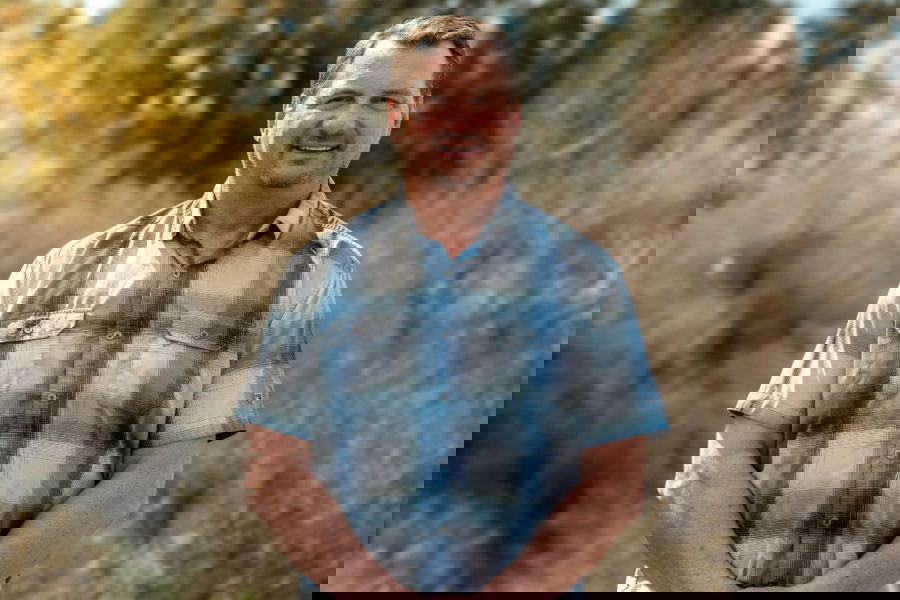
BEND, Ore. (KTVZ) — Deschutes County announced Wednesday it has chosen Jeff Merwin to serve as its new solid waste director, following a nationwide recruitment.
Merwin succeeds current director Tim Brownell, who will retire March 21.
“We’re so pleased Jeff will step up to serve as our next solid waste director, especially at such an important time,” said county Administrator Nick Lelack.
“With more than 30 years of experience in the solid waste industry, including here in Deschutes County, Jeff is the right person at the right time to guide the department as we complete the process of siting a new landfill, continue meeting the requirements of Oregon’s Recycling Modernization Act, and much more,” Lelack added.
Merwin has served as compliance and infrastructure manager at Deschutes County Solid Waste since April 2023. During that time, he played a key role in the construction of the new Negus Transfer Station in Redmond. He also helped lead work on the Knott Landfill renewable natural gas project and the county’s landfill siting project.
Before joining Deschutes County, Merwin served as the Crook County landfill manager for five years.
Merwin earned a bachelor’s degree in public health from Oregon State University. He also completed additional graduate work in environmental health and occupational safety.
As solid waste director, Merwin will oversee waste disposal and recycling operations at Knott Landfill and the rural transfer stations in Deschutes County, including the Negus Transfer Station in Redmond, the Northwest Transfer Station near Sisters, the Southwest Transfer Station between Sunriver and La Pine, and the Alfalfa Transfer Station near Alfalfa