Local doctors warn of ‘high-gear’ allergy season fueled by early warmth

Par Kermani
IDAHO FALLS, Idaho (KIFI) — Unseasonably warm weather is pushing allergy season into high gear earlier than normal across the Intermountain West. Family physician Dr. Gordon Harkness, a medical director with Optum in Utah and Idaho, says changing weather patterns are extending the time pollen is in the air and increasing how much people are exposed.
“When it warms up earlier, the plants start doing their thing,” Harkness said. “They start growing, they start pushing out blossoms, they start pushing out pollen earlier, and sometimes the length of time that those pollen counts are high remains for a much longer period of time.”
A recent national ranking listed Boise as the No. 1 “allergy capital” in the country, with several Utah cities — including Salt Lake City and Provo — also landing near the top. Harkness said that while eastern Idaho did not appear on the list, people traveling or moving between Idaho and Utah are still feeling the effects.
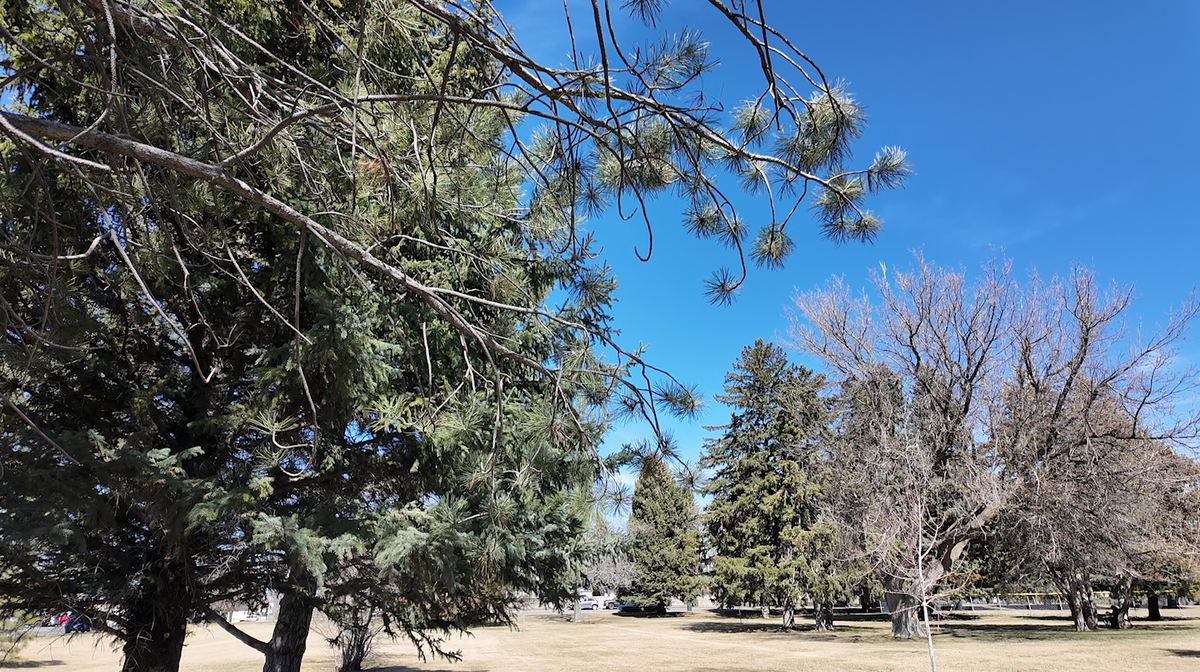
He said tree pollen is a major trigger this time of year, especially in March through May. Even people who have never had allergies before can develop them.
“Just because you haven’t had allergies in the past doesn’t mean you can’t develop them in the future,” Harkness said. “Environmental allergies, especially pollens during the spring, summer and fall, can really impact a lot of people’s lives.”
Harkness said pollen doesn’t always stay outside. It collects on clothing, hair, skin and pets, then comes indoors. He recommends checking pollen counts and reducing outdoor activity when levels are high, washing hands frequently, showering after being outside for long periods of time, and brushing your pets outdoors before letting them come back inside.
For people who wear contact lenses, Harkness said eye irritation can be a sign that pollen is building up.
“If you’re getting irritated, you might need to remove your contacts for a little while and use regular glasses while your eyes reduce in inflammation.”
Other ways to prevent you from suffering a longer allergy season are over-the-counter antihistamines and nasal corticosteroid sprays, which can be effective for many people.
Longer-acting antihistamines that are taken once a day are often more convenient and can help reduce side effects such as drowsiness.
“It’s not that they don’t work if you’ve already got symptoms, but they work better before the symptoms actually start,” Harkness said.
Anyone with severe or persistent symptoms should talk to a pharmacist or see a primary care provider to confirm allergies are the cause and to discuss which medications may be safest and most effective.