Mother’s home birth experience highlights challenges with rising trend

By Rachel Whelan
Click here for updates on this story
CINCINNATI (WLWT) — A growing number of families are choosing home births, often seeking a more personal and comfortable environment during labor.
But when complications arise, and a hospital transfer becomes necessary, that transition can add unexpected stress.
For one Cincinnati-area mother, the experience raised larger questions about how home birth providers and hospitals coordinate care.
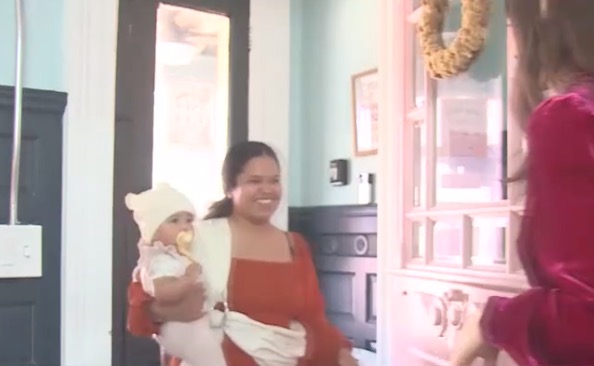
Maria Ibarra planned to welcome her daughter, Joy, with the team at the Cincinnati Birth Center. It was her second birth with the midwives there.
Ibarra said her decision to pursue a home birth was shaped in part by her own experiences growing up.
“As a young girl, I was in the hospital a lot with skin stuff,” she said. “I didn’t feel that sense of comfort when it comes to making a choice like that during a very vulnerable time.”
Midwife Meghan Nowland said many families are making similar choices.
“We saw a huge 300% increase with COVID,” Nowland said. “And then that did go down a little bit, but it’s still continued to be a popular thing.”
The Cincinnati Birth Center said it only works with low-risk pregnancies and that every family has a plan in place to transfer to a hospital if complications arise.
That plan was put to the test in July when Ibarra went into labor.
During labor, midwives noticed something concerning: the baby’s heart rate was dropping. Nowland says they called a nearby hospital while preparing for a transfer.
“The nurse there said that they don’t take walk-ins,” Nowland said.
She said they were already on their way to another hospital nearby.
“That was the second hospital we called, and they had a fantastic experience there,” Nowland said.
About an hour later, baby Joy was born healthy.
An NBC News investigation found that while many home birth transfers are not emergencies, coordination between home birth providers and hospitals can sometimes present challenges.
According to the American College of Obstetricians and Gynecologists, about 10 to 25 percent of planned home births result in a hospital transfer.
Midwives say communication between providers is key to keeping both mothers and babies safe.
“The thing that makes it safest is when we can all communicate with each other and work professionally together,” Nowland said.
Medical experts say anyone considering a home birth should talk through the risks with their provider and make sure a clear emergency transfer plan is in place.
WLWT reached out to the local hospital Nowland said initially declined the transfer. A spokesperson told WLWT the hospital welcomes and accepts all patients without exception.
Please note: This story was provided to CNN Wire by an affiliate and does not contain original CNN reporting. This content carries a strict local market embargo. If you share the same market as the contributor of this article, you may not use it on any platform.