Retired Idahoan warns of modern-day “dust bowl” in eastern Idaho

Par Kermani
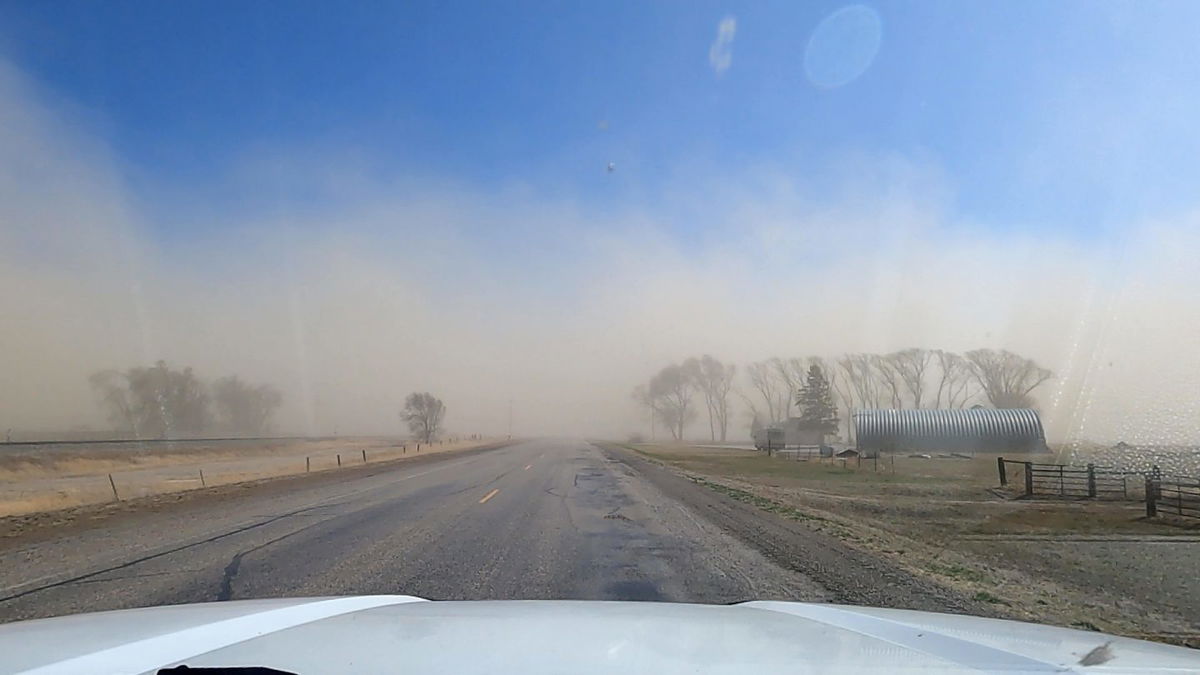
PARKER, Idaho (KIFI) — After an unseasonably dry winter, a City of Parker resident is claiming the region is currently in the grip of a modern-day Dust Bowl. He estimates that millions of cubic yards of sandy topsoil are being stripped from local farms every spring, clouding the air and burying neighboring properties.
Sailors said, “We’ve got these dust storms every spring… and it’s all from these potato and wheat farms west of town”.
The physical evidence of the erosion is literal. Sailors pointed to a neighbor’s home just 400 yards away, where the lawn has risen 2.5 inches above the sidewalks and roadbeds over the last 12 years due to accumulating windblown soil.
Sailors, who studied soil science in Colorado and Kansas, argue the solution is simple: leave crop roots in the ground through the winter.
“In other states, they leave the standing roots…” Sailors said, “because it holds the snow moisture all winter and keeps the soil erosion from doing this”.
Ron Patterson, an agriculture expert with the University of Idaho, explained that the very nature of potato farming makes the ground susceptible to the region’s 60-mph spring winds.
“Potatoes are not a crop that disturbs the soil,” Patterson said. “There’s a lot of soil disturbance in the harvesting… and the timing of when the potatoes are harvested in the fall makes that ground susceptible”.
Patterson noted that by the time potatoes are out of the ground, it is often too late in the season to plant a cover crop that can grow enough to stabilize the soil before the winter freeze. While equipment exists to plant directly into stubble for other crops like wheat or barley, the cost is often prohibitive for many local operations.
“The farmers are aware of it. It’s their money that’s blowing away in the wind,” Patterson said, noting that conservation is a long-term versus short-term economic struggle. “If they don’t have the economic ability to purchase the equipment… then that’s a bit of a challenge”.
Patterson added that while the dust is a nuisance, the windblown topsoil is actually a high-quality nutrient boost for the residential yards it lands in.
Sailors remains undeterred by the economic hurdles, stating he is willing to be a “pariah” with the farming community to save the soil. He plans to bring the issue before a city meeting this week.
“I just think it’s a crime,” Sailors said. “I think everybody could work together and find a way to not destroy our topsoil”.