Oregon State Legislature approves $42M for OSU-Cascades student health and recreation center

Kelsey Merison
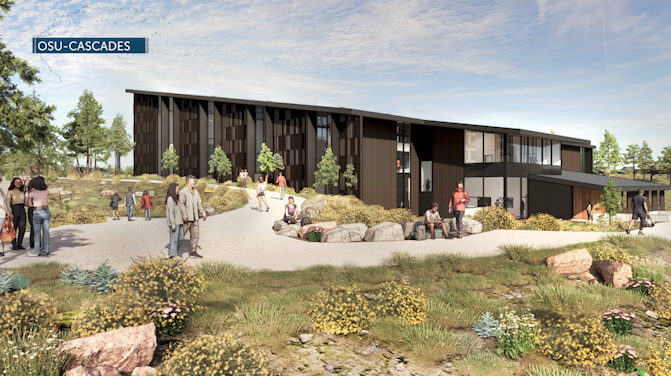
BEND, Ore. (KTVZ) — The Oregon State Legislature has approved $42 million in state-backed bonds to fund the construction of a new student health and recreation center at Oregon State University-Cascades. The 40,000-square-foot facility will be the first comprehensive on-campus center for wellness and clinical services at OSU-Cascades.
The project aims to provide expanded physical activity areas, preventive care, and mental health counseling for students on the Bend campus. This investment follows years of advocacy from student leaders. In 2017, students voted to increase student fees in response to the need for on-campus recreation and health services and committed $20 million for the project.
The center will include flexible indoor spaces for fitness and recreation alongside dedicated areas for clinical health services and mental health counseling. Outside the building, the project includes the construction of two all-purpose recreation fields. Currently, student fitness options on the Bend campus are limited to a single small room in the residential hall.
“The student health and recreation center will deliver essential services that directly support student life, learning and retention, and reap rewards for student success and the local, regional and state economies,” said Sherm Bloomer, the chancellor and dean of OSU‑Cascades.
Bloomer noted that the center is particularly important for first-generation, rural, and low-income students. These populations often have less access to wellness and health services. The new facility will provide these resources directly on campus to support academic performance.
“Students have said for years that access to health and wellness resources is essential to our success. This investment shows student voices matter, and we’re proud to have helped make this project a reality,” said Whitney McFarlane, the president of the Associated Students of Cascades Campus.
The legislative funding will also pay for the remediation of 24 acres of land. This effort will create buildable sites for the recreation center as well as future student housing and academic buildings. The university anticipates needing more space as enrollment numbers continue to grow.
Construction is scheduled to begin in 2028 following the completion of land remediation efforts. The new building will be connected to the campus geo-exchange system for heating and cooling to help meet net-zero energy goals.