Family pushes for change after rare disease clinical trial abruptly ends

By Karen Morfitt
Click here for updates on this story
COLORADO (KCNC) — This week marks Rare Disease Week, a time when families across the country are sharing their struggles with access to treatments and clinical trials, and their hopes for change, with lawmakers and federal health officials. A Colorado family is now adding its voice to the chorus after a clinical trial their son relied on suddenly ended.
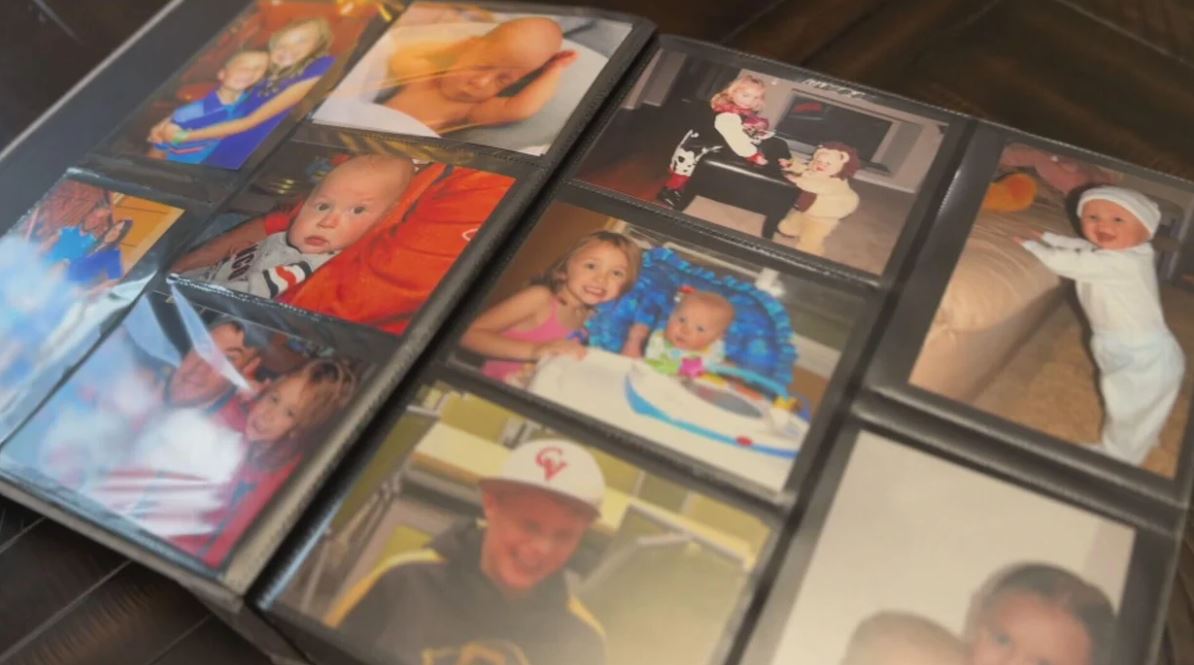
From newborn stretches to daring toddler days, a photo album tells the story of Caleb Burgess’ childhood, one filled with motion, milestones and memories.
“Always active,” his mother, Stephanie Burgess, said. “We didn’t know he had it. He was crazy, giving you a heart attack.”
Sports became a defining part of Caleb’s life. Family photos document Little League games, championship moments and trips to Coors Field.
“We went to the Rockies,” Caleb said, recalling a moment when then-manager Bud Black invited him into the dugout. “I was standing right there while all the players were coming in. They had all signed the bat.”
But the photos don’t tell the full story.
“The work I put in not only in practice, but behind the scenes. [It took] so much just for me to even be on the field,” Caleb said. “It hurt really bad.”
His parents say mobility issues and hearing loss appeared early on, but they were repeatedly dismissed as growing pains.
“It was terrifying,” Stephanie Burgess said. “I thought something was wrong, and no one believed me. It’s hard to put into words.”
The family spent years searching for answers. Stephanie Burgess said advocating for her son often meant pushing back against skepticism from medical professionals.
“If you go to the doctor and say you’ve been researching on the internet and reading medical journals, they’re like, ‘That’s nice, you’re not a doctor,'” she said. “If I didn’t, we might still not have a diagnosis.”
Caleb was eventually diagnosed with fibrodysplasia ossificans progressiva, or FOP, an extremely rare genetic disorder in which muscles, connective tissues and ligaments are gradually replaced by bone. There is no cure and no FDA‑approved treatment.
“It just seems made up,” Caleb’s dad, Scott Burgess, said. “Like this can’t be happening.”
For most patients, the diagnosis means limiting or completely avoiding physical activity. The Burgesses chose a different path.
“They said, ‘Be very careful. Don’t let him get hit with a baseball,'” Stephanie Burgess said. “But we decided early on we were going to let him be. He decided he was going to take that risk, and we were going to support him.”
That decision came with consequences. At 16, a baseball to the back triggered new bone growth and ended Caleb’s athletic career.
“I just wanted things to change,” Caleb said.
In 2023, change seemed to arrive when Caleb joined a clinical trial for an experimental drug targeting FOP.
“The first day he took it, he felt different,” Stephanie Burgess said. “His pain was less. Over time, little to no pain. The swelling was gone. He wasn’t having flare‑ups. It was like he got a whole new life.”
For nearly two years, the family saw steady improvement.
“It felt like a new kind of hope,” Caleb said. “A feeling of somewhat normal.”
That hope was shaken in December when the drug’s manufacturer announced it was ending the trial after failing to meet a required endpoint of reducing bone growth.
“The message said, ‘Speak with your physician for other options,'” Stephanie Burgess said. “For which there aren’t any.”
Now, the Burgess family is sharing its experience not just for Caleb, but for others living with rare diseases. They are urging regulators and policymakers to rethink how rare disease research and drug development are evaluated, particularly when trials end despite quality‑of‑life improvements.
“I don’t think this interview is going to change this particular drug outcome,” Stephanie Burgess said. “We’re not going to get the drug back. I think their hands were tied by the FDA. But if there’s a way for flexibility, to get medication we know is working, that would be the ultimate outcome.”
Despite the setback, the family believes Caleb’s story is far from over.
“It gave him an amazing two years,” Stephanie Burgess said, “and hope that something will work.”
“There’s hope,” Caleb added. “Something better is coming down the road.”
As part of Rare Disease Week, the FDA held a town hall addressing some of these concerns. The agency’s current director said decisions will come down to common sense, reaffirming a commitment to reducing regulatory hurdles while continuing to balance patient safety.
Please note: This story was provided to CNN Wire by an affiliate and does not contain original CNN reporting. This content carries a strict local market embargo. If you share the same market as the contributor of this article, you may not use it on any platform.