Boy who received heart transplant at Children’s Hospital of Philadelphia dreams of becoming a chef

By Stephanie Stahl, Casey Kuhn

Click here for updates on this story

    PHILADELPHIA (KYW) — For a little boy who has a new heart after spending more than a year at Children’s Hospital of Philadelphia, American Heart Month, celebrated in February, has special meaning.

Kolin was born at CHOP with a heart defect and became a beloved patient at the cardiac center. Now he’s only there for brief visits after a life-saving transplant.

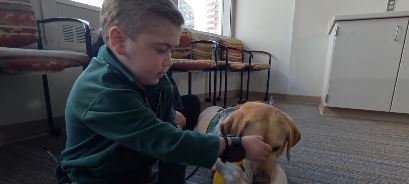
Kolin spent 530 days at CHOP being treated for complicated congenital heart defects. Nettle, a facility dog, was an important distraction and comfort for Kolin and his family during that time.

Kolin’s mom, Joy Hummer, said he faced a variety of difficult complications, and ultimately, he needed a heart transplant.

“There was a period of time that he wasn’t even eligible for a heart transplant because he was so sick,” Joy Hummer said. “And those were some of the hardest days of my life.”

Kolin ended up with a mechanical heart waiting for a transplant and was kept busy at the hospital until the new heart was found in October.

Three months after the transplant, his doctors are thrilled to see how well Kolin is doing.

“It’s just an incredibly heartwarming and validating thing to see,” Dr. Matthew O’Connor at CHOP said. “We were very optimistic for lots of good news for him in the future.”

After spending 18 months at the hospital, Kolin’s mom says visiting CHOP now is like being at her home away from home.

“You know, child life, the nurses, the staff, just become part of your family,” she said.

When Kolin was finally ready to leave the cardiac center, they had a parade to send him off.

Now adjusting to life with his new heart, Kolin is focused on school and his passion, cooking. He wants to be a chef when he grows up.

Kolin takes anti-rejection drugs to live with his new heart, and his mom says she’s eternally grateful to the donor family.

Please note: This story was provided to CNN Wire by an affiliate and does not contain original CNN reporting. This content carries a strict local market embargo. If you share the same market as the contributor of this article, you may not use it on any platform.

Family’s first heat in decades sparks fire and frantic calls as South Florida cold snap hits

By Ted Scouten

Click here for updates on this story

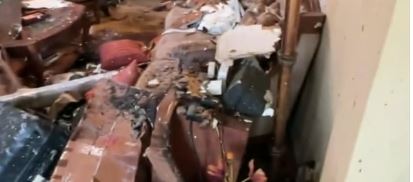
    MIRAMAR, Florida (WFOR) — A soggy, burned mess is left behind at this Miramar home in the 2800 block of Buttonwood Lane, after Hansy Auguste turned on his heat for just the second time in 35 years. His wife said she was cold.

Ttwo, three minutes later, boom, after the boom, she said, What is it? I said, I don’t know. And then I went outside, I looked, and I see the roof on fire,” he said.

Left behind was a gaping hole in the roof and fire, smoke and water damage around the house. This call is just one of many South Florida Fire Departments have been answering since temperatures dropped into the 30’s. Most of them are for a burning smell.

ll the departments in Broward County are experiencing that same thing, and it’s normal for us here in South Florida. We don’t turn our central heat on that much, and when we do, we’re not used to smelling that burning smell within our homes,” said Fort Lauderdale Fire Chief Steve Gollan. He recommends people test their heat from time to time.

“Turn the heat on for a few minutes, let it burn off that dust, make sure you’re working and it’s not popping any breakers. Everything’s good. And then you know you’re ready for the rest of the season next year,” he said.

Kathy Marshall hadn’t used the heat in her North Lauderdale home for 5 or 6 years.

“I got a phone call from my daughter that said, The heat’s not working,” Marshall said. Turns out it was broken.

She said the temperature in the house was uncomfortable.

“60…60, Its kind of hard to sleep with that. Unless you got 20 comforters,” she said.

She called a repair technician. In minutes he had it fixed.

“It was a little bit low on Freon, so I just put about like a half a pound to a pound of Freon in, and now that the temperature in there is rising, it’s coming out about 80 degrees, which is, which is perfect,” said Keilen Davidson from Coral Air.

Please note: This story was provided to CNN Wire by an affiliate and does not contain original CNN reporting. This content carries a strict local market embargo. If you share the same market as the contributor of this article, you may not use it on any platform.
Legacy of “Godmother of Coconut Grove” defined by spirit of inclusion


WFOR

By Najahe Sherman

Click here for updates on this story

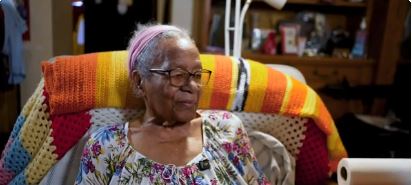
    COCONUT GROVE, Florida (WFOR) — In honor of Black History Month, we’re highlighting Coconut Grove’s deep Bahamian roots through the life of a woman many call the Godmother of Coconut Grove, Thelma Gibson.

“I was born right here in Coconut Grove on December 17, 1926. So I just turned 99-years-old” Gibson said.

Ms. Thelma Gibson grew up on Charles Avenue before leaving home at just 17-years-old to attend nursing school. During World War II, a nationwide nursing shortage opened doors for women of color but not without resistance.

“The lady looked at me. She said, ‘You’re Thelma Anderson?’ I said, ‘In the flesh.’ And she said, ‘Anderson, I don’t think you can work in the operating room.'”

She was denied the job because of her race, but she refused to quit continuing to apply, eventually returning to Jackson Hospital, and later opening a clinic in Goulds that welcomed patients of color from across South Florida.

Her life of service extended beyond medicine. Her husband, Theodore Gibson, was a priest, civil rights leader, and tireless advocate for Coconut Grove’s Black community.

“Was it love at first sight?” asked CBS Miami.

“No, no, oh no indeed. Because he was older. Mamma said, ‘If he’s interested in you, you ought to know him and be interested in him.’ So, that’s how I ended up getting married to him. Once we got married, he just got more involved and of course I got more involved and when he died, I decided to start the Theodore Gibson Memorial Fund,” Gibson said.

Gibson retired from nursing in 1980, but her service never stopped. In 1984, she founded the Miami-Dade Women’s Chamber of Commerce intentionally inclusive from the start.

“We’re going to have a women’s chamber of commerce, and it’s not going to be just Black women. It’s going to be Black and White and Hispanic that’s how we started the Women’s Chamber of Commerce of Dade County.” said Gibson.

That spirit of inclusion still defines her legacy.

“She welcomed all of us from different islands, from different countries, from different looks. It didn’t matter what color you were or where you were from. She embraced you,” said Merline Barton, President and Co-founder of the Thelma Gibson Health Initiative.

“This is a part of my life story. I got up this morning and said I have to get dressed because someone is coming to interview me. I didn’t know if I would live long enough to have this interview. And I thank you, thank you, thank you, thank you.” said Gibson.

Please note: This story was provided to CNN Wire by an affiliate and does not contain original CNN reporting. This content carries a strict local market embargo. If you share the same market as the contributor of this article, you may not use it on any platform.

Legacy of “Godmother of Coconut Grove” defined by spirit of inclusion

By Najahe Sherman

Click here for updates on this story

    COCONUT GROVE, Florida (WFOR) — In honor of Black History Month, we’re highlighting Coconut Grove’s deep Bahamian roots through the life of a woman many call the Godmother of Coconut Grove, Thelma Gibson.

“I was born right here in Coconut Grove on December 17, 1926. So I just turned 99-years-old” Gibson said.

Ms. Thelma Gibson grew up on Charles Avenue before leaving home at just 17-years-old to attend nursing school. During World War II, a nationwide nursing shortage opened doors for women of color but not without resistance.

“The lady looked at me. She said, ‘You’re Thelma Anderson?’ I said, ‘In the flesh.’ And she said, ‘Anderson, I don’t think you can work in the operating room.'”

She was denied the job because of her race, but she refused to quit continuing to apply, eventually returning to Jackson Hospital, and later opening a clinic in Goulds that welcomed patients of color from across South Florida.

Her life of service extended beyond medicine. Her husband, Theodore Gibson, was a priest, civil rights leader, and tireless advocate for Coconut Grove’s Black community.

“Was it love at first sight?” asked CBS Miami.

“No, no, oh no indeed. Because he was older. Mamma said, ‘If he’s interested in you, you ought to know him and be interested in him.’ So, that’s how I ended up getting married to him. Once we got married, he just got more involved and of course I got more involved and when he died, I decided to start the Theodore Gibson Memorial Fund,” Gibson said.

Gibson retired from nursing in 1980, but her service never stopped. In 1984, she founded the Miami-Dade Women’s Chamber of Commerce intentionally inclusive from the start.

“We’re going to have a women’s chamber of commerce, and it’s not going to be just Black women. It’s going to be Black and White and Hispanic that’s how we started the Women’s Chamber of Commerce of Dade County.” said Gibson.

That spirit of inclusion still defines her legacy.

“She welcomed all of us from different islands, from different countries, from different looks. It didn’t matter what color you were or where you were from. She embraced you,” said Merline Barton, President and Co-founder of the Thelma Gibson Health Initiative.

“This is a part of my life story. I got up this morning and said I have to get dressed because someone is coming to interview me. I didn’t know if I would live long enough to have this interview. And I thank you, thank you, thank you, thank you.” said Gibson.

Please note: This story was provided to CNN Wire by an affiliate and does not contain original CNN reporting. This content carries a strict local market embargo. If you share the same market as the contributor of this article, you may not use it on any platform.
Iguana pizza is now a thing in South Florida, thanks to a cold snap that sent iguanas falling from trees


WFOR

By Abby Dodge, Sergio Candido

Click here for updates on this story

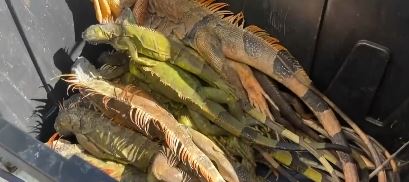
    MIAMI (WFOR) — Cold-stunned iguanas falling from trees during South Florida’s recent cold snap ended up as an unexpected menu item: iguana pizza.

Local trapper Ryan Izquierdo kept a few of the cold-stunned reptiles and turned them into what he calls the “Florida Man Pizza,” topped with freshly harvested iguana meat thanks to his friends at North Palm Beach pizza restaurant Bucks Coal Fired.

“We were able to do good work and remove the iguanas and educate people, and it was just a great time,” Izquierdo said. “The last 48 hours have been one to look back on forever for sure.”

The cold snap triggered a well-known phenomenon in South Florida, with iguanas dropping from trees as temperatures plunged. Residents spent Sunday and Monday collecting them from yards and parks, and some handed them over to the Florida Fish and Wildlife Conservation Commission (FWC) during its brief collection period.

While the iguanas provided unexpected entertainment, and even a meal, tourists escaping frigid northern temperatures aren’t getting the warm beach days they hoped for.

The unusually cold weather kept many visitors out of the water on Hollywood Beach this week.

“Well, I brought my swimsuit with me, but never got it out of the suitcase,” said Al Beckman, who is visiting from out of state.

Instead, he and other tourists have turned to nearby bars and restaurants.

“We just have to get up and walk around, maybe get a beverage or two,” he said.”

Travelers from Michigan said leaving their zero-degree temperatures only to find Floridians bundled up was a surprise.

“The puffy coat, the gloves, the iguana falling from trees, it’s crazy,” Jody Dougherty said.

Despite the cold, some visitors had advice for locals waiting for warmer days.

“I think they should come to Michigan and hang out in the real winter and then appreciate Florida weather,” Dougherty said.

While beachgoers can wait out the cold, South Florida farmers said the impact has been far more serious.

Kern Carpenter Farms in Homestead lost around 20% of its tomato crop during the Arctic blast. Now, frost is the next concern.

“The wind died and it got cold really fast,” said farmer Kern Carpenter. “We did the best we could, but they still got burnt.”

Farmers said losses to tomatoes, green beans and other local crops could lead to higher grocery store prices in the coming weeks.

For anyone considering trapping iguanas now, the FWC’s official collection period has ended, leaving residents responsible for handling them humanely, or cooking them on their own.

Please note: This story was provided to CNN Wire by an affiliate and does not contain original CNN reporting. This content carries a strict local market embargo. If you share the same market as the contributor of this article, you may not use it on any platform.
Iguana pizza is now a thing in South Florida, thanks to a cold snap that sent iguanas falling from trees

By Abby Dodge, Sergio Candido

Click here for updates on this story

    MIAMI (WFOR) — Cold-stunned iguanas falling from trees during South Florida’s recent cold snap ended up as an unexpected menu item: iguana pizza.

Local trapper Ryan Izquierdo kept a few of the cold-stunned reptiles and turned them into what he calls the “Florida Man Pizza,” topped with freshly harvested iguana meat thanks to his friends at North Palm Beach pizza restaurant Bucks Coal Fired.

“We were able to do good work and remove the iguanas and educate people, and it was just a great time,” Izquierdo said. “The last 48 hours have been one to look back on forever for sure.”

The cold snap triggered a well-known phenomenon in South Florida, with iguanas dropping from trees as temperatures plunged. Residents spent Sunday and Monday collecting them from yards and parks, and some handed them over to the Florida Fish and Wildlife Conservation Commission (FWC) during its brief collection period.

While the iguanas provided unexpected entertainment, and even a meal, tourists escaping frigid northern temperatures aren’t getting the warm beach days they hoped for.

The unusually cold weather kept many visitors out of the water on Hollywood Beach this week.

“Well, I brought my swimsuit with me, but never got it out of the suitcase,” said Al Beckman, who is visiting from out of state.

Instead, he and other tourists have turned to nearby bars and restaurants.

“We just have to get up and walk around, maybe get a beverage or two,” he said.”

Travelers from Michigan said leaving their zero-degree temperatures only to find Floridians bundled up was a surprise.

“The puffy coat, the gloves, the iguana falling from trees, it’s crazy,” Jody Dougherty said.

Despite the cold, some visitors had advice for locals waiting for warmer days.

“I think they should come to Michigan and hang out in the real winter and then appreciate Florida weather,” Dougherty said.

While beachgoers can wait out the cold, South Florida farmers said the impact has been far more serious.

Kern Carpenter Farms in Homestead lost around 20% of its tomato crop during the Arctic blast. Now, frost is the next concern.

“The wind died and it got cold really fast,” said farmer Kern Carpenter. “We did the best we could, but they still got burnt.”

Farmers said losses to tomatoes, green beans and other local crops could lead to higher grocery store prices in the coming weeks.

For anyone considering trapping iguanas now, the FWC’s official collection period has ended, leaving residents responsible for handling them humanely, or cooking them on their own.

Please note: This story was provided to CNN Wire by an affiliate and does not contain original CNN reporting. This content carries a strict local market embargo. If you share the same market as the contributor of this article, you may not use it on any platform.
Lawyer takes legal help to the Beltline

By Kaley Fedko

Click here for updates on this story

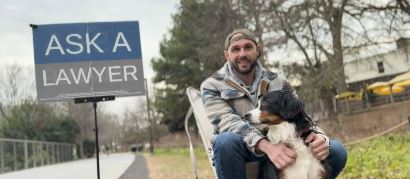
    ATLANTA (WUPA) — An Atlanta attorney is taking his legal knowledge out of the office and onto the Beltline with a simple sign: “Ask a Lawyer.”

It’s a grassroots approach to helping people — and it’s drawing attention both in person and online.

Cody Randall has built a sizable following on social media, but his Beltline setup is intentionally low-key. Accompanied by his dog, Ruby, Randall puts out a folding chair, posts his sign and waits for people to approach with questions.

“I’m not soliciting. I’m not barking. I’m not hawking,” Randall said. “I literally am just a guy with a sign and a dog.”

Randall is a licensed, tenured attorney who also works in private practice. He said he never discusses his day job while on the Beltline and is not there to sell legal services.

“I think the definition of a hobby is labor you would do without compensation,” Randall said. “I like helping people. I became an attorney to help people. I’ve been fortunate enough in my career to have success, so I have the free time and ability to do things like this.”

Randall began the Beltline meetups after the pandemic, recording many of the interactions and posting them online under the handle @atlcody.

He said the conversations benefit not only the people who stop to talk, but also the thousands who watch online.

“It’s not about legal services. It’s not about legal advice,” Randall said. “This is legal education — helping people help themselves and empowering them to feel confident in their abilities or know how to find resources.”

One of Randall’s favorite success stories involved a young man dealing with a dispute over a car purchase.

“He came back and said, ‘You were totally right,'” Randall recalled. “His parents took the car to a shop, got it inspected, and we worked out an agreement. He told me, ‘You treated me like an adult and a person. You answered my questions and made me feel a lot better.'”

Randall sets up at various points along the Atlanta Beltline, but he is most often found in the Inman Park area.

Please note: This story was provided to CNN Wire by an affiliate and does not contain original CNN reporting. This content carries a strict local market embargo. If you share the same market as the contributor of this article, you may not use it on any platform.
Viral teacher uses comedy, care to create a safe space for students

By Alexa Liacko

Click here for updates on this story

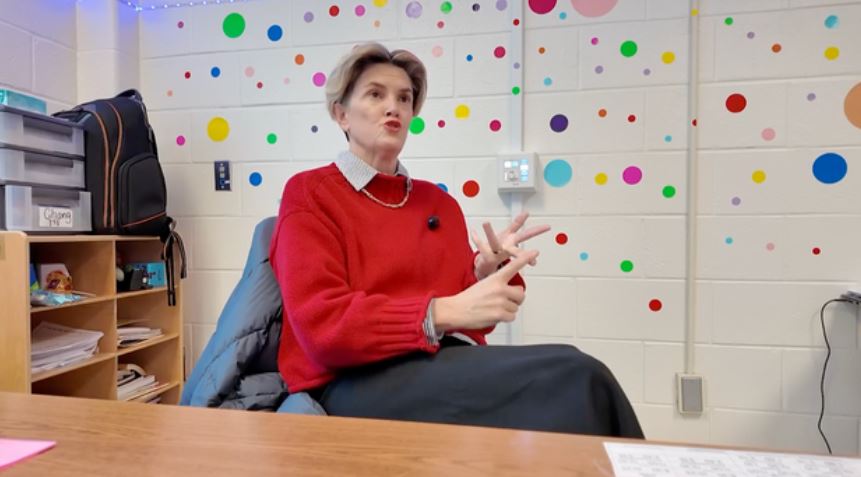
    ATLANTA (WUPA) — Jere Chang never planned to become a teacher. Now, nearly two decades into her career, she’s built a classroom many students say feels like home, and a social media following of nearly 3 million who see pieces of that classroom reflected online.

“My first career was university administration,” Chang said. “I had zero plans to be a teacher.”

That changed after she earned a second master’s degree and began teaching. One moment, she said, made it clear she was where she belonged.

“The day I walked into that class and I saw the motivation and the curiosity of kids, I was like, ‘This is what I want to do,'” Chang said.

Chang teaches gifted education at Drew Charter School, working with neurodivergent and asynchronous learners. She says gifted education is often misunderstood — and her classroom is designed to give students something they don’t always get elsewhere.

“My students get to come and spend the day in my classroom and all those idiosyncrasies they usually mask, they get to just let that fall into place,” Chang said. “They can nerd it out. They can ask all the questions. They can blurt out answers. We just vibe in here.”

That sense of freedom is intentional. Chang says her goal is to create a space where students feel safe — even when they don’t know the answer.

“I tell my kids, ‘There’s a lady in this classroom who gets paid to help you,'” she said. “I work really hard to build a community where students feel safe to make mistakes, comfortable to ask questions and comfortable not knowing how to do things.”

Students say that the approach has helped them feel confident.

“It makes me feel like I can have creative freedom,” said Harper Kemmerick, 9. “It’s like a safe space I get to go to once a week.”

Theo Field, 8, said Chang makes learning fun — even when the lesson is challenging.

“She pretends to be a really strict teacher, but she’s actually really funny,” he said.

Another student said Chang helps make even “boring things” enjoyable.

“Even when she’s explaining something boring, she still makes it funny,” James Luczynski, 8, said. “We’re learning a lot, but it’s fun.”

Chang says hearing that feedback means everything.

“Students never come back and talk about test scores,” she said. “They always say, ‘Your classroom felt good.’ And that means the world to me.”

Chang’s teaching style is deeply rooted in her own childhood. She grew up with spina bifida and remembers feeling like she didn’t fit in.

“I really became the teacher I needed as a child,” she said. “I was a square peg in a round hole. School was hard for me because I was different.”

She says those experiences shaped how she approaches her students.

“When you grow up in a marginalized community — whether you have a disability, whether you’re queer — you know what it feels like to be different,” Chang said. “And to give kids a space where being different is normal? That’s kind of magical.”

Drew Charter School Principal Monishae O’Neill said Chang’s ability to create belonging is just as important as academics.

“From a holistic perspective, she contributes to kids feeling accepted, valued and like they belong,” O’Neill said. “That’s just as important — if not more important — than academics.”

Chang’s humor and authenticity extend beyond the classroom through her viral social media videos, including her popular character “Miss White,” a wig-wearing persona inspired by familiar workplace dynamics.

“Miss White is that person who tells you you’re doing it wrong because you’re not doing it her way,” Chang said. “She’s everywhere — schools, offices, hospitals. That resonates far beyond education.”

Fellow teacher and longtime mentor Sherique Ransby said Chang’s relatability is what makes both her teaching and her content so impactful.

“She’s able to reach students where they are and make sure no one feels isolated,” Ransby said. “There’s no one mold that fits everybody. Everybody creates their own mold.”

Despite her online following, Chang says her focus has never changed.

“I’m rooting for every kid,” she said. “I don’t care how you worship, how you vote, or where you come from. If you walk through my door, I’m rooting for you.”

Parents, she said, consistently tell her that her class — known as “SOAR” — is their child’s favorite day of the week.

“They get to be with peers who think differently, who learn differently,” Chang said. “And that gets to be celebrated for a day.”

For Chang, the impact she hopes to leave behind isn’t measured in numbers — online or off.

“If I can give kids a place where they feel safe being curious, silly and themselves,” she said, “then I’m doing my job.”

Please note: This story was provided to CNN Wire by an affiliate and does not contain original CNN reporting. This content carries a strict local market embargo. If you share the same market as the contributor of this article, you may not use it on any platform.

California officials approve plan to shoot mule deer on Catalina Island to restore native habitat


KCBS

By Julie Sharp

Click here for updates on this story

    LOS ANGELES (KCAL, KCBS) — Catalina Island conservationists are moving forward with an extensive plan to preserve the island’s native habitat after the state recently approved the lethal shooting of the invasive mule deer on the island.

The California Department of Fish and Wildlife approved the Catalina Island Conservancy’s restoration management permit in late January.

“The permit clears the way for restoration work the island has needed for decades, and it allows us to take action at a transformative scale,” Lauren Dennhardt, senior director of conservation for the Catalina Island Conservancy, said in a news release.

Mule deer were introduced to the island in the early 1920s as a game species for hunting by the state. Island conservationists say the deer, which fluctuate in numbers between 500 and 1,800, have no natural predators and are destroying native vegetation found only on the island. They also say deer on the island are suffering from thirst and starvation, as they are much smaller than those living on the mainland.

The conservancy’s plan to shoot the deer from the air, using helicopters, was shut down in 2024 after residents voiced concerns of bullets raining down and rotting deer carcasses that would be left behind.

Alternative plans to control the island’s mule deer population included fencing them in, relocating the deer, introducing predators and sterilization.

After weighing the pros and cons of each method, the state chose to move forward with a multi-year lethal deer removal plan, with ground-based specialists using rifles “in controlled operations under strict safety protocols.”

Harvested meat will be provided to the California Condor Recovery Program to support the endangered birds, and a final locals-only, recreational hunting season will occur in fall 2026.

The state’s permit approval supports Operation Protect Catalina Island, the conservancy’s multi-decade island restoration plan that combines conservation initiatives, habitat restoration and wildfire prevention under one coordinated effort.

“The evidence of the severity of the threat the deer pose is overwhelming, and all other alternatives have been exhausted,” said Scott Morrison, director of conservation and science for The Nature Conservancy in California.

“Catalina Island can have either a functional, biodiverse and resilient ecosystem or it can have deer. It cannot have both.”

Please note: This story was provided to CNN Wire by an affiliate and does not contain original CNN reporting. This content carries a strict local market embargo. If you share the same market as the contributor of this article, you may not use it on any platform.

California officials approve plan to shoot mule deer on Catalina Island to restore native habitat

By Julie Sharp

Click here for updates on this story

    LOS ANGELES (KCAL, KCBS) — Catalina Island conservationists are moving forward with an extensive plan to preserve the island’s native habitat after the state recently approved the lethal shooting of the invasive mule deer on the island.

The California Department of Fish and Wildlife approved the Catalina Island Conservancy’s restoration management permit in late January.

“The permit clears the way for restoration work the island has needed for decades, and it allows us to take action at a transformative scale,” Lauren Dennhardt, senior director of conservation for the Catalina Island Conservancy, said in a news release.

Mule deer were introduced to the island in the early 1920s as a game species for hunting by the state. Island conservationists say the deer, which fluctuate in numbers between 500 and 1,800, have no natural predators and are destroying native vegetation found only on the island. They also say deer on the island are suffering from thirst and starvation, as they are much smaller than those living on the mainland.

The conservancy’s plan to shoot the deer from the air, using helicopters, was shut down in 2024 after residents voiced concerns of bullets raining down and rotting deer carcasses that would be left behind.

Alternative plans to control the island’s mule deer population included fencing them in, relocating the deer, introducing predators and sterilization.

After weighing the pros and cons of each method, the state chose to move forward with a multi-year lethal deer removal plan, with ground-based specialists using rifles “in controlled operations under strict safety protocols.”

Harvested meat will be provided to the California Condor Recovery Program to support the endangered birds, and a final locals-only, recreational hunting season will occur in fall 2026.

The state’s permit approval supports Operation Protect Catalina Island, the conservancy’s multi-decade island restoration plan that combines conservation initiatives, habitat restoration and wildfire prevention under one coordinated effort.

“The evidence of the severity of the threat the deer pose is overwhelming, and all other alternatives have been exhausted,” said Scott Morrison, director of conservation and science for The Nature Conservancy in California.

“Catalina Island can have either a functional, biodiverse and resilient ecosystem or it can have deer. It cannot have both.”

Please note: This story was provided to CNN Wire by an affiliate and does not contain original CNN reporting. This content carries a strict local market embargo. If you share the same market as the contributor of this article, you may not use it on any platform.