Prosecutors to retry alleged conspirator in Riverside carjack-murder

City News Service

RIVERSIDE, Calif. (KESQ) – Prosecutors confirmed today that they intend to retry an alleged conspirator in the carjacking and killing of a 24-year-old Riverside man, with retrial proceedings tentatively set for April.

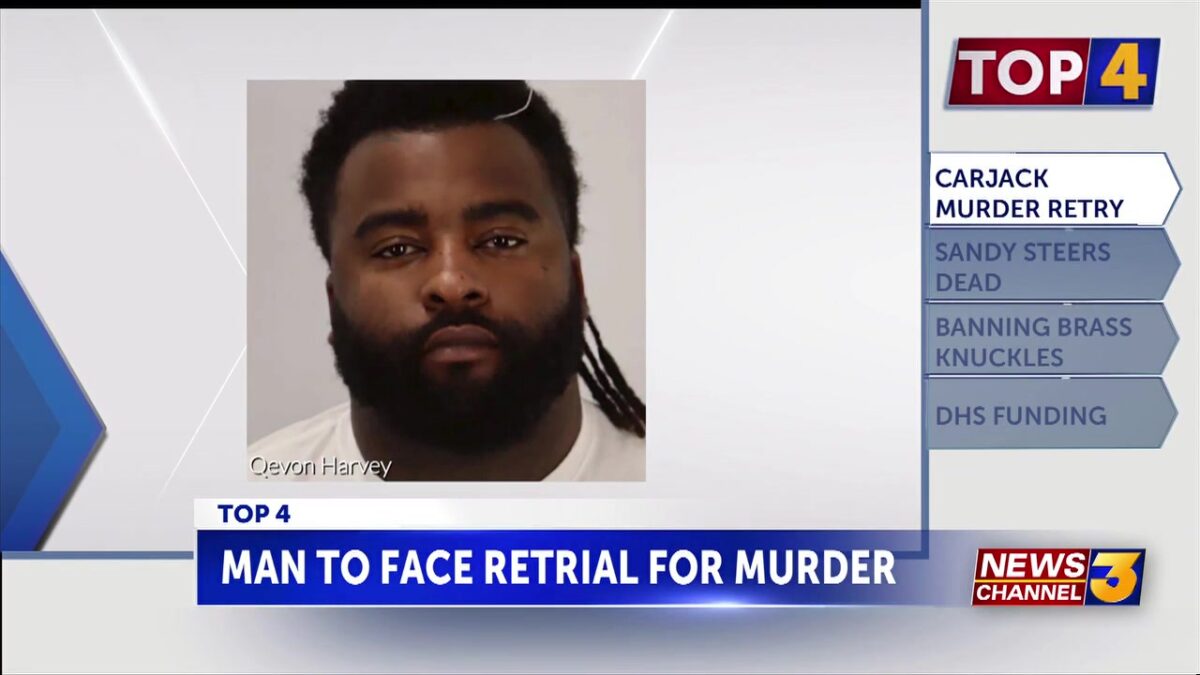
A Riverside jury was unable to overcome an impasse in deliberations last week during the trial of Qevon Xavier Harvey, 27, of Desert Hot Springs, leading to a mistrial.   

Harvey is charged with first-degree murder, robbery, carjacking, burglary and special circumstance allegations of killing in the course of a burglary, killing during a kidnapping and killing during a robbery in the 2022 slaying of Benjamin Chanes.

During a status hearing Wednesday at the Riverside Hall of Justice, the Riverside County District Attorney’s Office acknowledged Harvey will be retried, prompting Superior Court Judge Charles Koosed to schedule the start of jury selection for April 14.

A separate jury last week convicted Harvey’s co-defendant, Trezell Lamone Heckard, 30, of Vallejo of the murder count, as well as robbery, carjacking, burglary and a special circumstance allegation of killing in the course of a burglary. Jurors hung on the other special circumstance allegations. Heckard is slated to be sentenced on April 24.   

Harvey is being held without bail at the Robert Presley Jail. Heckard is being held without bail at the Smith Correctional Facility.   

A third alleged conspirator, Anthony Antoine Wright, 33, of Indio is also accused in the killing. He’s charged identically to Heckard and Harvey, but is additionally charged with being a felon in possession of a firearm and sentence-enhancing gun and great bodily injury allegations. Trial proceedings for Wright are tentatively scheduled to begin at the same time as Harvey’s.  

Wright is being held without bail at the Robert Presley Jail.   

According to an arrest warrant declaration filed by the Riverside Police Department, on the afternoon of March 6, 2022, Chanes and his girlfriend, identified in documents only as “N.D.,” were returning to Riverside from Los Angeles in her vehicle, with him at the wheel, when they came to a stop in an unfamiliar area after exiting the freeway and were immediately approached by one of the defendants, wielding a handgun.   

The defendant “approached the driver’s side and ordered Benjamin out at gunpoint,” the affidavit stated.  

Chanes complied, at which point additional males “told (N.D.) to get out of the car, and they took her to another waiting vehicle and told her to keep her head down. She did what she was told,” the declaration said.   

The woman later told detectives that Chanes was seated in her car, while she was forced to drive with several of the defendants in their vehicle, a 2011 Chevrolet Impala. The trip lasted 15 minutes, after which both vehicles were parked outside the Boulder Creek Apartment Complex on Iowa Avenue, according to the declaration.   

Police alleged the defendants hustled Chanes and N.D. into the victim’s apartment, pushing the woman into a closet, then demanding to know from Chanes “where the money was” kept. For about 10 minutes, the defendants ransacked the apartment, with N.D. in the closet, unable to see where her boyfriend was being held, the affidavit alleged.   

When the men were distracted, Chanes abruptly bolted from the apartment. While he was attempting to run away, Wright allegedly opened fire on the victim, inflicting multiple gunshots to his back, causing Chanes to collapse on the sidewalk, according to the affidavit.

The young man died a short time later at Riverside Community Hospital.   

The defendants fled in the woman’s vehicle, leaving behind their own Chevy sedan, police alleged.  

N.D., who was not injured, emerged from the closet and called 911 moments after the gunfire.

Detectives gathered fingerprint and other evidence from the Chevy, leading them to one of the defendants’ social media accounts, in which revelations about the shooting ultimately came to light, according to the affidavit.

The men were arrested at different times over an 18-month span.   

Their co-defendant, Kahlin Cynque Erwin, 30, of Pittsburgh, Calif., pleaded guilty in 2024 to kidnapping and is due for sentencing on June 8. He’s free on a $55,000 bond.

Details regarding his and Wright’s prior convictions were unavailable.

Click here to follow the original article.

Presidents’ Day waste collection: Monday service unchanged in Pocatello

News Release

The following is a news release from the City of Pocatello Sanitation Services:

POCATELLO, Idaho — The City of Pocatello Sanitation Services collection trucks will operate as normal on Presidents’ Day, Monday, February 16.

Residents with a Monday collection day for garbage and recycling are asked to place their autocarts at the curb by 7 a.m. for pickup.

Officials would like to remind residents that the Bannock County Landfill will be closed in observance of the holiday. For more information on the Sanitation Services, visit Pocatello.gov/sanitation or call 208-234-6192.

Click here to follow the original article.

Deschutes County Sheriff’s Office reports results of ‘Click It or Ticket’ seat belt, car seat enforcement

Barney Lerten

BEND, Ore. (KTVZ) — The Deschutes County Sheriff’s Office reported the results Thursday of its recent participation in the national Click It or Ticket seat belt and car seat enforcement campaign, during which deputies made dozens of traffic stops, issued tickets and warnings and made three arrests.

The initiative that ran from January 26 through February 8 focused on encouraging drivers and passengers to buckle up when hitting the road ,and on sharing important tips for properly securing child car seats.

During the campaign, deputies conducted 51 traffic stops as part of the enforcement. Here’s the breakdown:

51 Traffic Stops

7 seatbelt violations cited

12 additional citations issued

30 warnings given

3 arrests made

While most drivers were following the law, the agency said that “these numbers serve as an important reminder that seat belts save lives.”

Sheriff Ty Rupert says the goal of these campaigns is not just to write tickets. It’s about educating drivers and reminding them of the importance of seat belts for their safety.

“Wearing a seat belt and properly securing children in car seats are two of the easiest things you can do to prevent tragedy,” Rupert said. “We appreciate everyone who makes safety a priority every time they get behind the wheel.”

DCSO says, “Buckling up is the simplest and most effective way to protect yourself and your loved ones in a crash.”

For more information on how to properly secure child car seats in your vehicle, you can check out the resources on the sheriff’s office website, including a downloadable PDF: Car Seats – Deschutes County Sheriff Office Oregon.

Click here to follow the original article.

Mental exam ordered for Jefferson City man accused of stabbing wife to death

Ryan Shiner

COLUMBIA, Mo. (KMIZ)

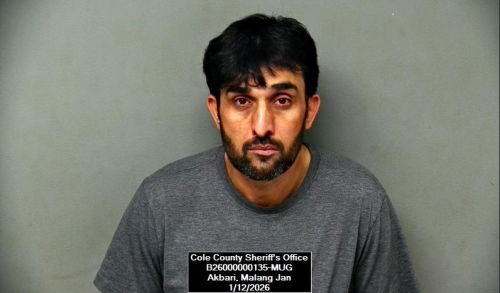
A Cole County judge on Wednesday ordered a mental examination for a Jefferson City man accused of killing his wife last month.

Malang Akbari, 46, is charged in Cole County with first-degree murder, endangering the welfare of a child and armed criminal action. He is being held at the Cole County Jail without bond.

Judge Joseph Shetler ordered for the Department of Mental Health to examine Akbari to determine if he is competent to stand trial. The report was ordered to be completed within 60 days.

Akbari is accused of killing Manhaz Akbari by stabbing her to death on Jan. 13 at their East McCarty Street home. Court documents say Malang Akbari suspected his wife of cheating

Malang Akbari had claimed last month in court that he had a mental disease or defect. His lawyer claimed last month that Akbari suffered from post-traumatic stress disorder from his time serving alongside American armed forces in Afghanistan. The lawyer also argued Akbari may suffer from lead poisoning.

Click here to follow the original article.

Palm Springs airport launches online portal for finding lost and found items

City News Service

PALM SPRINGS, Calif. (KESQ) –  Palm Springs International Airport launched an online portal today designed for travelers to view found items in real time.   

In partnership with Liff Happens, a digital lost-and-found software platform, PSP is the first airport to implement this service. The company was mainly used at major events and destinations worldwide, including Coachella Valley Music and Art Festival, Stagecoach Festival, Austin City Limits, Bonnaroo and EDC.  

“Every touchpoint matter when it comes to our guests’ experience, and this is a meaningful improvement,” Executive Director of Aviation Harry Barrett, Jr., said in a statement. “By partnering with Liff Happens, we’re reducing the stress and uncertainty that comes lost items while making it easier for travelers to recover them.”  

Officials said the platform catalogs items using photos and key descriptive details and masks personal information for security reasons. Once a guest can verify ownership of an item, the person can securely finish the claim process and have their belongings shipped to a residence or to a preferred address.  

“We’re excited to partner with Palm Springs Airport as our first airport client,” Benji Friedl, Co-Founder of Liff Happens, said in a statement. “Airports present a unique opportunity to improve the lost and found experience at scale, and PSP is leading the way by putting convenience and guest experience first.”

The online portal can be found at flyPSP.com/lost.

Click here to follow the original article.

AG opens civil rights probe into Eaton Fire response in West Altadena

City News Service

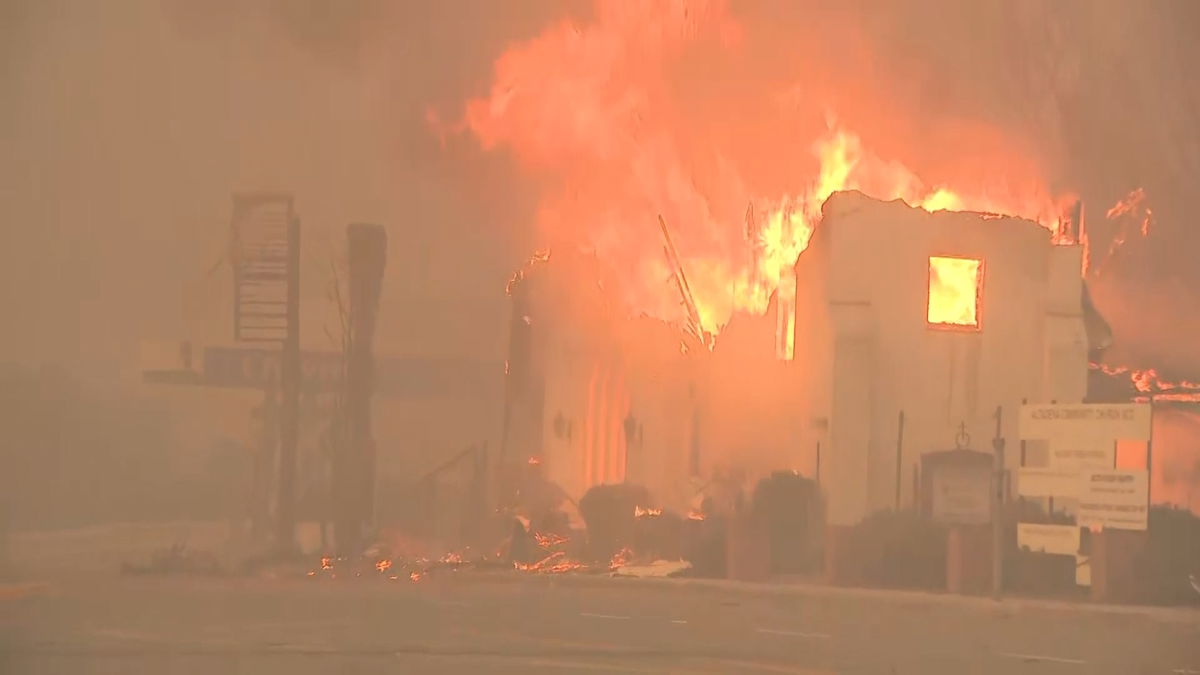
LOS ANGELES (KESQ) – The state Attorney General’s Office today announced a civil rights investigation into the response to the January 2025 Eaton Fire, questioning whether race, age or disability discrimination contributed to delays in emergency notifications and evacuations in the historically black West Altadena area.   

Attorney General Rob Bonta noted that the 14,000-acre fire killed 19 people, all but one of whom lived in the West Altadena area, and the average age of the fire victims was 77 years old.

Check Out: One Year Later: Eaton Fire survivors speak out

“The investigation we’ve launched is driven by one over-arching question — did the Los Angeles County Fire Department’s delay in notifying and evacuating the historically Black West Altadena community during the Eaton Fire violate state anti-discrimination and disability rights laws?” Bonta said at a Los Angeles news conference announcing the investigation. “Meaning, did unlawful race-, disability- or age based discrimination in the emergency response result in a delayed evacuation notification that disproportionately impacted West Altadena residents?

“That’s the question. We don’t know the answer. We don’t know what this investigation will turn up, which is the whole point — to pursue the facts, uncover, reveal the facts and follow the facts.

“We’re also not starting from a blank slate here. There are concerning circumstances surrounding the Eaton Fire that have raised questions, making this investigation necessary. The biggest of which is that there was indisputably a delayed emergency notification and evacuation of West Altadena. We’re here to ask why.”   

Questions about the emergency response to the fire were raised shortly after the deadly blaze, with the Los Angeles Times reporting that evacuation alerts were issued in West Altadena only well after the fire was raging in the community, and fewer firefighting resources were deployed into the area, as compared to the eastern portion of Altadena.   

The Times reports noted that residents living east of Lake Avenue received evacuation notices within an hour of the fire erupting on Jan. 7, 2025, but residents west of Lake were not notified for nearly nine hours. An evacuation order was not issued in West Altadena until roughly 3:30 a.m. Jan. 8, with some residents not receiving evacuation orders until nearly three hours after that, The Times reported.

West Altadena resident groups have been pressing the state to conduct an investigation into the issue. A group called Altadena for Accountability issued a statement Thursday hailing Bonta’s announcement.

“Amidst increasing climate change catastrophes, this investigation is expected to enforce a high standard of equity in the dispensation of emergency services during a disaster for all communities regardless of race, disability, or socioeconomic status,” according to the group.

The organization pointed to reports that “sheriff and fire personnel failed to conduct timely door-knocks, adequate in-person evacuation support, and described that a shortage of LASD duty vehicles hindered coverage across all impacted neighborhoods, while a Los Angeles Times investigation revealed that only one county fire patrol was deployed to West Altadena during the fire’s first 12 hours and 911 calls for help also went ignored.”   

“While there have been prior efforts to analyze and audit the fires in Los Angeles, none rose to the level of investigation. In a time where climate change injustices are increasing, this move by Attorney General Rob Bonta marks a distinct and consequential path forward for fire survivors in search of accountability and justice,” according to the group.   

County Supervisor Kathryn Barger, who represents the Altadena area, said she welcomes the AG’s investigation.   

“If there were gaps, we must acknowledge them. If there were disparities, we must confront them. And if systems need to change, we must change them,” Barger said in a statement. “I stand ready to support the attorney general’s efforts and remain committed to working collaboratively to ensure we learn from this tragedy and strengthen our emergency response systems for every community we serve.”  

The county Board of Supervisors last year ordered an independent review of the fire response. The resulting report, released in September by the McChrystal Group pointed to a series of outdated policies, weaknesses and systemic vulnerabilities that hampered emergency notifications and evacuation orders during the early onset of the Eaton and Palisades fires.   

207915Download

The consultant group found “no single point of failure” relating to lapses in public alerts, warnings and notifications, referring instead to widespread weaknesses in the overall system.

“Beyond alerting and evacuation operations, this review identified systemic issues that impacted the alert and evacuation response,” the report stated. “Outdated and inconsistent policies, protocols and standard operating procedures created ambiguity around evacuation authority and responsibilities. In many cases, decision-making roles were unclear, and pre-incident public messaging responsibilities lacked standardization across agencies. These gaps contributed to nonuniform preparedness strategies across jurisdictions and slowed coordinated efforts.”

In response to the report, Sheriff Robert Luna said last year: “The Palisades and Eaton Fires were the worst natural disaster in our county’s history, and it tested us and our community in every possible way. This After-Action Report is not only a reflection about the past, but it’s a tool for building a stronger emergency response. It highlights what went well and identifies where we can improve, with a focus on enhanced cross training and better technology to strengthen our preparedness. I’m deeply proud of how our deputy sheriffs performed with professionalism and dedication under dangerous and extraordinary circumstances, which exemplifies the strength and resilience of our department, and how we serve our communities.”

Click here to follow the original article.

Little Reinstates Idaho Governor’s Trophy: Boise State and U of I to Revive Rivalry in 2031

Seth Ratliff

BOISE, Idaho (KIFI) — One of the most storied rivalries in Idaho college football is officially back on. On Thursday morning, Governor Brad Little signed Executive Order 2006-02, officially reinstating the Idaho Governor’s Trophy after a two-decade hiatus.

While the pen hit the paper today, fans will need to pack their patience: the Idaho Vandals and Boise State Broncos aren’t scheduled to meet on the gridiron until Sept. 6, 2031, at Boise’s Albertsons Stadium.

A Tradition Reclaimed

The Governor’s Trophy was originally established in 2001, but the roots of this in-state showdown trace back to 1971. The 2031 game will mark the 41st installment of the rivalry and the first time the two programs have faced off since November 12, 2010.

“Today, we celebrate not just a game, but a tradition that unites our state, honors our history, and showcases the very best of Idaho,” Governor Little said during the signing. “Conference realignment and shifting schedules have put many historic rivalries across the country on pause. I am excited to be reinstating this great tradition and recommissioning the Idaho Governor’s Trophy.”

Boise State currently holds the upper hand in the all-time series. The matchup will mark the second consecutive season that Boise State will play against an in-state opponent. The Broncos are set to host Idaho State on Sept. 7, 2030.

“To host the Vandals in Boise and on The Blue, which is one of the most iconic places in the state of Idaho, is a great opportunity for not only both schools, but the entire state,” said Jeramiah Dickey, Boise State Director of Athletics. “I’m grateful to the Idaho athletics administration for working together on renewing the series and keeping the resources and support around this game within the state. It will also be great to showcase both universities and the longtime matchup on a national level when this game on the ‘Front Porch of Idaho’ becomes the talk of college football.”

University of Idaho Athletic Director Terry Gawlik credited the collaboration between both administrations, including U of I President Scott Green and BSU Interim President Jeremiah Shinn, for making the deal a reality.

“We know how much this game means for both fan bases and the entire Gem State,” Gawlik said.

Click here to follow the original article.

Crook County Library considers meeting room restrictions amid security issues, alcohol use, misuse concerns

Prineville Review

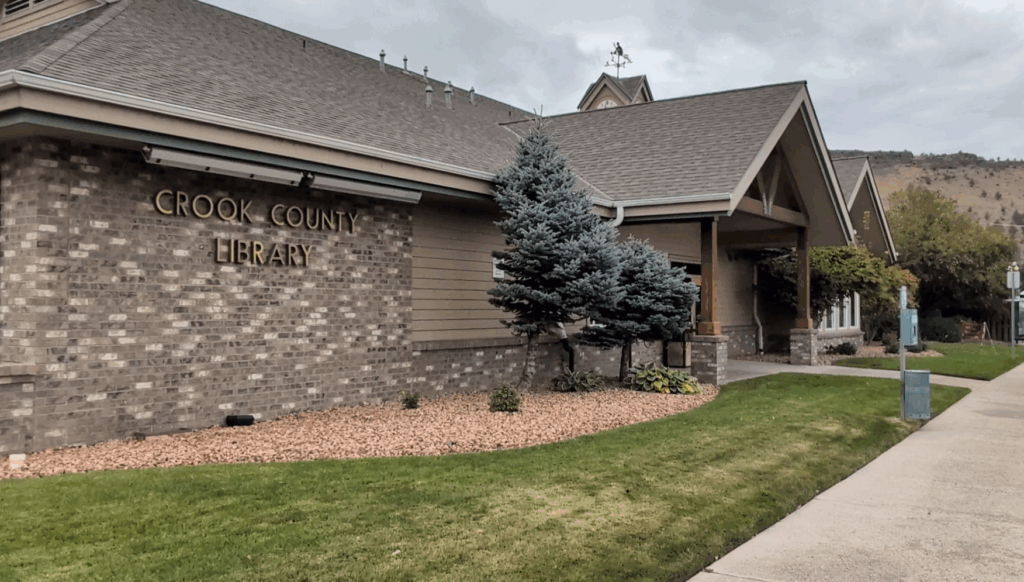
PRINEVILLE, Ore. (KTVZ) — Crook County’s public library may soon restrict use of its meeting rooms to normal operating hours after staff raised concerns about after-hours security problems, building access issues, and facility misuse.

The discussion took place during the Crook County Board of Commissioners’ Feb. 11 work session, where Lead Library Tech Kim Bales outlined a series of recurring problems associated with late-night and weekend reservations, according to the Prineville Review.

“For several months now, the meeting rooms have kind of gotten out of control,” Bales told commissioners. “We’re finding that people are drinking alcohol after hours. They’re leaving the building unlocked. We even had someone stay overnight.”

According to library staff, the current system allows groups to reserve meeting rooms outside of public hours using physical keys, which has created ongoing security concerns. Bales said some users fail to return keys, increasing the risk of unauthorized building access.

“Sometimes they don’t return the keys, and then that’s a security issue, because the keys get into the main building,” she said.

Staff also described situations where individuals entered the library after hours while cleaning crews were present, mistakenly believing the facility was open.

To address those issues, library staff are proposing that meeting rooms be available only during library operating hours. The proposed schedule discussed at the work session would limit room use to:

Monday through Friday: 8 a.m. to 5:30 p.m.

Saturday: 8 a.m. to 3:30 p.m.

Sunday: No meeting room use

The proposal includes a buffer before closing time to allow staff to clear rooms and secure the building.

Click here to follow the original article.

Sedalia man, 3 juveniles accused of armed robbery in Marshall

Ryan Shiner

COLUMBIA, Mo. (KMIZ)

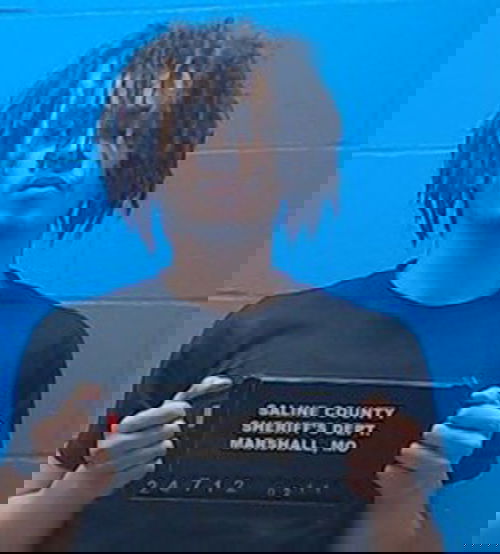
The Marshall Police Department wrote in a Thursday social media post that a man and three juveniles robbed a youth at gunpoint on Wednesday afternoon.

The post claims Daylen Bankovich, 18, of Sedalia, and three juveniles met with the victim and later pointed a gun at them and demanded they give up clothing and personal items while at a park. One of the people allegedly hit the victim in their head with the gun before leaving in a vehicle, the post says.

Law enforcement got the vehicle’s license plate number from the park’s camera system and all four people were detained after a chase, the post says.

Bankovich was arrested on suspicion of second-degree assault, stealing, unlawful use of a weapon, armed criminal action and aiding a runaway, the post says. Charges were not filed on Casenet on Thursday afternoon. Bankovich is being held at the Saline County Jail on a 24-hour hold, according to online jail records.

The post says the juveniles are awaiting legal action from the Saline County Juvenile Office.

Click here to follow the original article.

Gov. Little signs One Big Beautiful Bill tax cuts

Kevin Richert

Originally posted on IdahoEdNews.org on February 12, 2026

BOISE, Idaho (KIFI) —

BOISE, Idaho (KIFI) — Idaho’s version of the One Big Beautiful Bill is now law.

Gov. Brad Little Wednesday signed a bill to adopt most of the tax cuts in President Donald Trump’s omnibus policy law — and make the tax cuts retroactive to 2025.

Supporters of House Bill 559 pushed for an immediate rollout of the tax cuts. They argued that this would allow working Idahoans to take full advantage of the cuts, which will be in effect for only four years. They also pressed to pass the bill immediately to allow families and businesses to begin filing their tax returns.

But HB 559 puts added pressure on a tight state budget. The immediate tax cuts could reduce state revenues by a projected $155 million for the budget year ending June 30. Legislative leaders are banking on robust revenues to cover the tax cuts while maintaining a balanced budget.

Little had proposed delaying the tax cuts until July 1, saying it was unclear how the changes would affect this year’s budget. But HB 559 passed both houses nearly along party lines, with veto-proof two-thirds majorities.

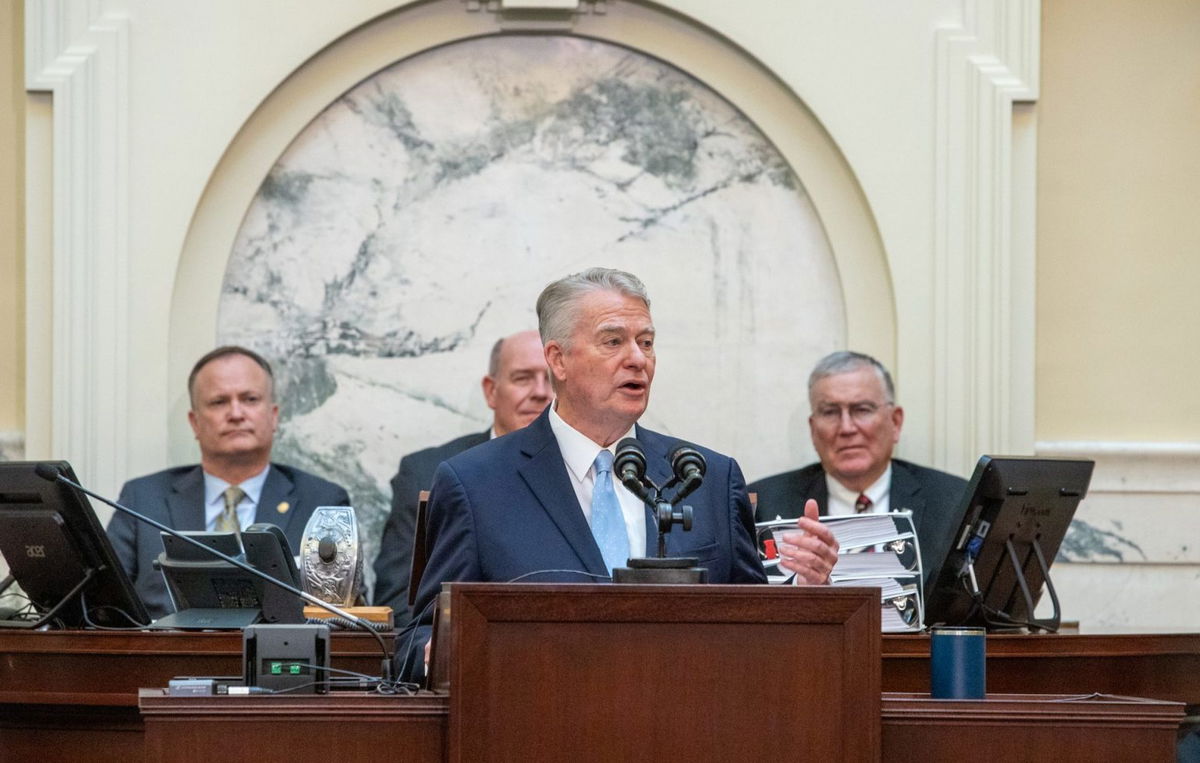
Gov. Brad Little delivers the 2026 State of the State address. (Sean Dolan/EdNews)

Presidential search secrecy bill heads to governor

Gov. Brad Little will get the last word on a fast-track bill to place most of the higher ed presidential search process under wraps.

The House quickly passed a bill that would allow search committees to interview candidates in private — then release the name of only one finalist. The State Board of Education would then have to wait 10 business days before making a hire.

Current law allows a closed-door vetting process. However, the State Board must release a list of five finalists. Historically, those finalists have then come to campus for open meetings with students and staff.

State Board officials have said the current law has impeded the Boise State University president’s search, which began in March and has been on hold since October. They say would-be finalists have balked at being identified publicly because it would put their current jobs at risk.

The House passed Senate Bill 1225 on a 67-1 vote, with only Rep. John Gannon, D-Boise, in opposition. The Senate passed the bill unanimously on Feb. 2.

If SB 1225 becomes law, the State Board would apply the new guidelines to the stalled Boise State search.

Bill banning sexual orientation, gender identity instruction heads to House.

A bill to ban public school instruction on sexual orientation and human sexuality is heading to the full House.

House Bill 516 would remove a provision in state law that allows sexual orientation and gender identity instruction that’s “age-appropriate or developmentally appropriate for students in accordance with state standards.”

“These two subjects we’re dealing with right here are not the business of educators in the public school system,” said sponsoring Rep. Dale Hawkins. “They are the business of parents.”

The House Education Committee voted to advance the bill — but not without spirited debate. Opponents argued that the bill conflicts with a parental rights law Republicans passed last year.

Rep. Dale Hawkins at a Jan. 27 House Education Committee hearing. (Sean Dolan/EdNews)

House Bill 239 required that parents opt in to public school instruction on human sexuality, including discussions of sexual orientation and gender identity. Rep. Barbara Ehardt, an Idaho Falls Republican who sponsored the opt-in bill, House Bill 239, said it’s not in conflict with the latest proposal. 

But Jeff Carlson — a trustee at Future Public School, a charter in Garden City — disagreed. Carlson, who’s filling in at the Legislature for Rep. Chris Mathias, D-Boise, said the new bill would prohibit public school instruction that parents may have consented to. 

“Does the state want me to follow this new law that says I should do what the state says versus what a parent may say?” Carlson asked. 

Hawkins was indifferent toward the concerns. The Fernwood Republican has described HB 516 as a “cleanup” bill that removes a provision that was unintentionally left in the law when it was enacted in 2025

Rep. Jack Nelsen, R-Jerome, asked Hawkins whether he could address a letter from the American Civil Liberties Union that raised the possibility of a court challenge to banning classroom discussions of sexual orientation and gender identity. 

“I have no desire to do so,” Hawkins responded. 

Amy Dundon, ACLU of Idaho’s legislative strategist, wrote to the committee that the bill could face a challenge if, in practice, it prohibits classroom discussion of homosexuality while heterosexuality “remains permissible.” 

“Here, HB 516 could constitute outright viewpoint discrimination, making the bill legally fragile,” Dundon wrote. 

In response to another question, from Rep. Soñia Galaviz, D-Boise, Hawkins appeared to suggest that discussions of heterosexuality are not implicated by the bill. When Galaviz noted that sexual orientation or gender identity “includes straight folks,” Hawkins responded, “I’m not sure where that’s supposed to be going.” 

“Regular biology is not affected by this,” he said. “These are strict strikeouts of two subjects that are taught for a certain intention, and I think, everybody on the committee knows what those are.”

Digital curriculum funding bill will be reworked

A bill that would dish out state funding for digital curriculum on an as-needed basis — rather than first come, first served — will have to be reworked before it returns to the House Education Committee. 

The panel voted Thursday to hold the bill until next week, after Republicans raised concerns that “as-needed” criteria wasn’t spelled out in the bill. “Who is defining that, and why can’t we be more specific?” said Rep. Douglas Pickett, R-Oakley. 

Rep. Jerald Raymond’s bill would direct the Idaho Department of Education to establish “competitive, needs-based criteria” that governs which public school districts are prioritized when state funding for digital curriculum is limited. Raymond, R-Menan, previously compared the current process to “The Hunger Games.”

State superintendent Debbie Critchfield said the department is already working on criteria. She listed a few characteristics that would give districts priority — including digital initiatives linked to math, literacy and career readiness. 

The committee was unconvinced. House Bill 599 will return to the committee Feb. 19. 

Also Thursday, the House Education Committee introduced a bill would add foster children to the list of applicants that charter schools can prioritize in enrollment waitlists. Rep. David Leavitt, R-Twin Falls, is the sponsor.

Click here to follow the original article.