4,500 potholes patched in 2026: Cincinnati’s new response to battered roads

By Giacomo Luca
Click here for updates on this story
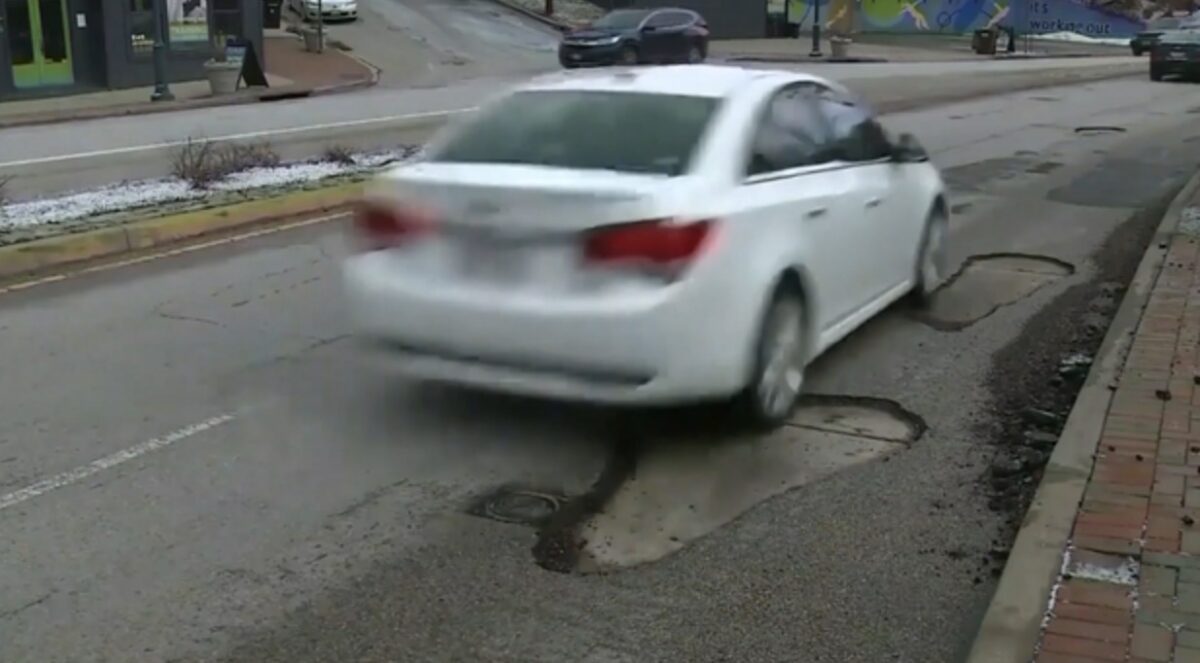
CINCINNATI (WLWT) — The harsh winter has taken a toll on streets across Cincinnati, sparking an aggressive and innovative response to fill potholes by city crews.
The brutally cold winter in Southwest Ohio brought mounds of snow, sheets of ice, and tons of salt poured by crews across the city’s 3,100 lane miles and 79 square miles to keep drivers moving safely. Those conditions have tattered city streets, opening up potholes across the Queen City.
“It’s too many to count,” said Jeff Newll of West Price Hill. “And sometimes you may not get a flat tire, but it throws your alignment off, and you can tell the difference when it starts to, your steering wheel starts to wiggle a little bit.”
Since January, Cincinnati drivers have made their concerns known through more than 1,700 citizen service requests, according to the city’s pothole tracker.
“It’s a lot of potholes, especially in Price Hill and on the West-Side of town,” said Reva Holmes of West Price Hill. “It’s a lot of potholes — like, and they’re deep too. Pretty deep holes. Like we need to get those filled.”
Despite the challenging conditions, including the February thaw that will bring even more potholes, crews with the City of Cincinnati have been working through it all. The city has been ramping up efforts to tackle potholes after 2025 brought one of the worst years for roads, including 8,500 pothole service requests.
The city even launched an innovative competition called “Pave the Way” to bring community-driven solutions to the problem.
In 2026, nine crews have been spread across the city, tackling the problem during the day, along with a winter night force patching problem pavement while residents are sleeping, said Mark Riley, the Director of Cincinnati’s Department of Public Services (DPS).
“They’re really putting in extra effort to address all the potholes — that even if they’re just driving down the street and they see a pothole, they’re stopping to fix it right now,” Riley said. “So, it’s not just a service request that they’re addressing. They’re addressing everything they see on the road.”
Street crews have filled nearly 4,500 potholes since Jan. 1, 2026, according to the city’s pothole tracker. Crews have also set the goal of responding to service requests within 24 hours. There are currently just over 200 patch requests left in the city’s queue.
A new and innovative winter mix is also helping crews reduce the number of potholes they have to return to. Considered a permanent winter solution, Aqua Patch is activated by water, then expands and bonds to existing pavement. Riley says the asphalt mixture is helping crews put more focus on responding to service requests, new potholes and areas that haven’t been patched.
“So, what we’re doing is we’re trying to prevent damages to vehicles,” Riley said. “So, our goal is to fill all the potholes that we can in a timely manner within 24 hours of receiving that service request.”
Those efforts will continue into the spring, when crews turn to preventative maintenance operations. Road crews will begin “mill and fill” projects later this year, where they’ll seal cut out potholes and seal them to protect roads in the long-term, Riley said.
The city has also invested in two new pothole-filling machines. Those are expected to arrive in March. That equipment can be operated by a single person and will double the speed at which the city can fill potholes in a single day, Riley said.
Drivers whose cars have been damaged by potholes may be eligible for reimbursement, but the burden of proof is high, and payouts are rare. Ohio law requires that the city have prior knowledge of the road condition and failed to act within a reasonable amount of time. DPS has received 66 requests so far this year, and no claims reviewed by the city have qualified for reimbursement, according to a DPS spokesperson. The city continues to review claims.
If there is a pothole in your Cincinnati neighborhood, the best way to have your voice heard is to report the damaged road online or through 311. Sharing photos and a specific location is important to help crews address the issue.
Please note: This story was provided to CNN Wire by an affiliate and does not contain original CNN reporting. This content carries a strict local market embargo. If you share the same market as the contributor of this article, you may not use it on any platform.