Police chaplains support officers and their families cope with trauma


KOVR

By Charlie Lapastora

Click here for updates on this story

    STOCKTON, California (KOVR) — The Stockton Police Department is utilizing a holistic approach to combat and help the trauma police officers face on a daily basis and it starts with their chaplaincy executive director, Chaplain Jesse Kenyon, San Joaquin County’s only full-time chaplain.

“One of the guys that I trained under, he said, ‘You know, when you’re driving out in the country and you see a possum that’s been squashed on the road, you think, Ah well, you know, it’s an animal that runs around on the ground. But if you saw an eagle on the road and it had been hit by a car, it would break your heart.’ And that’s how I see our officers.”

In his 15th year, the veteran is embedded within the department and embodies a ministry of presence.

“I like to refer to it as a presence of ministry in that, yes, we are in the moment with them, we walk alongside of them,” Kenyon said. “We go in the cars with them, we go on the calls with them, we’re in the officer-involved shootings with them. We observe what they go through. We understand what they go through and then we walk alongside of them as they deal with that. It’s amazing how much they carry and there’s difference in the jobs that they have.”

Both in the field and back at the station, Kenyon is able to share light and hope amidst the trauma officers face. One of the many stories throughout his career where he’s been able to make an impact for the Stockton Police Department involved a detective who was struggling personally because of not being able to solve cases and how much it weighed on him “heavily” for the cases where he couldn’t bring a conclusion to the family.

“Eventually, that led him into the use of some decongestants and, it wasn’t the ‘fatal alcohol’ and it wasn’t illegal drugs, but he started abusing decongestants and he went through a path that was really difficult,” Kenyon said. “He was on the verge of losing his family. He reached out and we were able to negotiate getting into rehab and getting him resources and it wasn’t an easy story. We had to go through a couple times, but in preserving, keeping that together, we were able to successfully save his marriage and get his life back on track.”

Other officers can sometimes face the blurry lines of their identity becoming ‘police officer’ as opposed to them also being fishermen and fisherwomen, sports coaches, brothers or sisters, and Kenyon talked about how when they have an injury and need to retire early, with the city making that decision, it can be devastating.

“That can put them in a pretty dark place,” Kenyon said. “There’s been a couple of that I’ve walked alongside and those particular times, worked to get them out of alcoholism. They were struggling because their marriage fell apart. Being able to work with them and help them reestablish their identity and help find value past that was something that was very fulfilling for me and also very important. And I now see some of those guys at retirement gatherings and I think, ‘Alright, they made it and they’re surviving’.”

Kenyon also leads the Stockton Police Department’s Wellness Center, available for officers and their families with an in-house clinician, an on-call psychologist, peer support and chaplaincy team, and a comfort dog.

“With all of these assets, we work together as a team to address the community concerns,” Kenyon said. “Especially something like what we went through with the mass shooting just a few weeks ago, we have all these things that are available.”

Kenyon’s military background helped him understand the culture to be understanding and effective in law enforcement ministry. Although he recognizes the real difference law enforcement and military personnel face with police officers not being able to go back to a “safe” place after their deployment overseas but that every day in their community may not be safe while on the job.

“I’ve learned more intimately the price that our men and women in law enforcement pay to do the job,” Kenyon said. “We learn about the demons that they slay, the dragons that they deal with on a regular basis, working alongside of them, seeing the cost of what they do, we oftentimes use the phrase, in appreciation, that we thank them for what they do. But I think the average person doesn’t recognize how much trauma an officer carries. How much it impacts their life and how much it impacts their families. So, getting to learn the depth of that, has been pretty touching to me.”

What makes this chaplaincy department unique is how Kenyon and the chaplains are embedded in the police department, something Kenyon advocates for.

“The success of the chaplaincy is really largely dependent on the agency,” Kenyon said. “Oftentimes, agencies will use chaplaincies simply in a ceremonial capacity. They’ll say prayers at swearing-ins or at retirements or at funerals. That doesn’t use the full potential of the ministry that chaplains can do. And our agency has been amazing. And our Chief McFadden, in particular, has given me a great deal of free reign in the chaplaincy to really deeply impact and embed in our agency in a way that’s been able to allow us to be highly effective.”

“With all of these assets, we work together as a team to address the community concerns,” Kenyon said. “Especially something like what we went through with the mass shooting just a few weeks ago, we have all these things that are available.”

Kenyon’s military background helped him understand the culture to be understanding and effective in law enforcement ministry. Although he recognizes the real difference law enforcement and military personnel face with police officers not being able to go back to a “safe” place after their deployment overseas but that every day in their community may not be safe while on the job.

“I’ve learned more intimately the price that our men and women in law enforcement pay to do the job,” Kenyon said. “We learn about the demons that they slay, the dragons that they deal with on a regular basis, working alongside of them, seeing the cost of what they do, we oftentimes use the phrase, in appreciation, that we thank them for what they do. But I think the average person doesn’t recognize how much trauma an officer carries. How much it impacts their life and how much it impacts their families. So, getting to learn the depth of that, has been pretty touching to me.”

What makes this chaplaincy department unique is how Kenyon and the chaplains are embedded in the police department, something Kenyon advocates for.

“The success of the chaplaincy is really largely dependent on the agency,” Kenyon said. “Oftentimes, agencies will use chaplaincies simply in a ceremonial capacity. They’ll say prayers at swearing-ins or at retirements or at funerals. That doesn’t use the full potential of the ministry that chaplains can do. And our agency has been amazing. And our Chief McFadden, in particular, has given me a great deal of free reign in the chaplaincy to really deeply impact and embed in our agency in a way that’s been able to allow us to be highly effective.”

Kenyon has helped officers’ marriages, gotten them help for substance abuse, and is on the front lines as a resource for them and the community. Chaplain Kenyon is thankful for the support the department has given him and the chaplaincy team. He is the only salary full-time chaplain in the county and said that it is “rare” as many departments operate with volunteer chaplains.

“The Stockton Police Department is committed to supporting an environment that prioritizes the mental, physical, and spiritual well-being of all our staff,” Stockton Police Chief Stanley McFadden said. “We believe that by supporting each other, we enhance our ability to effectively serve each other and our community. We recognize the importance of Organizational Wellness and will continue to provide the necessary resources and support systems to ensure every department member can perform their roles with excellence and compassion. Together, we strive to build a safer community for all.”

There are also a team of seven volunteer chaplains who operate on 10-hour shifts. At one point, they had 40 volunteer chaplains. The seven current volunteers are full-time pastors of local churches, Kenyon said, and their goal is to have their door always open and they minister to a diverse array of officers.

“Learning to walk with them in the trauma is important and understanding that day-by-day, they’re going to be seeing things that the average person doesn’t see,” Kenyon said. “A lot of what we do is relational. And, I say relational because you have different personalities in here. The warrior spirit that exists oftentimes comes across as pretty hardened and crusty and cynical. But, they’re very deep people. They care a lot for our community. Learning the different personalities, learning how the job is impacting, recognizing when there’s changes in personalities requires you to be invested in them, to be around them.”

Kenyon said the trauma these officers face is the “cost of doing business,” but that self-care is important, “you can’t save the world when your life boat is sinking.”

“If you’re serving in law enforcement, you’re doing something incredibly honorable,” Kenyon said. “The price that you’re paying is something that can be shouldered with other people, other resources. Other people can come alongside of you. Don’t feel like you have to do it alone. And for chaplains and family members, just know there’s help for you, as well. What you see and what you deal with, just reach out. Talk to people. And, of course, ultimately we all know that God’s got our back. He goes before us, He walks alongside of us and He comes behind us. He’s a provider and a defender. So, we can depend on Him and when we have that support, we can face all the evil that exists in this world.”

Please note: This story was provided to CNN Wire by an affiliate and does not contain original CNN reporting. This content carries a strict local market embargo. If you share the same market as the contributor of this article, you may not use it on any platform.

Police chaplains support officers and their families cope with trauma

By Charlie Lapastora

Click here for updates on this story

    STOCKTON, California (KOVR) — The Stockton Police Department is utilizing a holistic approach to combat and help the trauma police officers face on a daily basis and it starts with their chaplaincy executive director, Chaplain Jesse Kenyon, San Joaquin County’s only full-time chaplain.

“One of the guys that I trained under, he said, ‘You know, when you’re driving out in the country and you see a possum that’s been squashed on the road, you think, Ah well, you know, it’s an animal that runs around on the ground. But if you saw an eagle on the road and it had been hit by a car, it would break your heart.’ And that’s how I see our officers.”

In his 15th year, the veteran is embedded within the department and embodies a ministry of presence.

“I like to refer to it as a presence of ministry in that, yes, we are in the moment with them, we walk alongside of them,” Kenyon said. “We go in the cars with them, we go on the calls with them, we’re in the officer-involved shootings with them. We observe what they go through. We understand what they go through and then we walk alongside of them as they deal with that. It’s amazing how much they carry and there’s difference in the jobs that they have.”

Both in the field and back at the station, Kenyon is able to share light and hope amidst the trauma officers face. One of the many stories throughout his career where he’s been able to make an impact for the Stockton Police Department involved a detective who was struggling personally because of not being able to solve cases and how much it weighed on him “heavily” for the cases where he couldn’t bring a conclusion to the family.

“Eventually, that led him into the use of some decongestants and, it wasn’t the ‘fatal alcohol’ and it wasn’t illegal drugs, but he started abusing decongestants and he went through a path that was really difficult,” Kenyon said. “He was on the verge of losing his family. He reached out and we were able to negotiate getting into rehab and getting him resources and it wasn’t an easy story. We had to go through a couple times, but in preserving, keeping that together, we were able to successfully save his marriage and get his life back on track.”

Other officers can sometimes face the blurry lines of their identity becoming ‘police officer’ as opposed to them also being fishermen and fisherwomen, sports coaches, brothers or sisters, and Kenyon talked about how when they have an injury and need to retire early, with the city making that decision, it can be devastating.

“That can put them in a pretty dark place,” Kenyon said. “There’s been a couple of that I’ve walked alongside and those particular times, worked to get them out of alcoholism. They were struggling because their marriage fell apart. Being able to work with them and help them reestablish their identity and help find value past that was something that was very fulfilling for me and also very important. And I now see some of those guys at retirement gatherings and I think, ‘Alright, they made it and they’re surviving’.”

Kenyon also leads the Stockton Police Department’s Wellness Center, available for officers and their families with an in-house clinician, an on-call psychologist, peer support and chaplaincy team, and a comfort dog.

“With all of these assets, we work together as a team to address the community concerns,” Kenyon said. “Especially something like what we went through with the mass shooting just a few weeks ago, we have all these things that are available.”

Kenyon’s military background helped him understand the culture to be understanding and effective in law enforcement ministry. Although he recognizes the real difference law enforcement and military personnel face with police officers not being able to go back to a “safe” place after their deployment overseas but that every day in their community may not be safe while on the job.

“I’ve learned more intimately the price that our men and women in law enforcement pay to do the job,” Kenyon said. “We learn about the demons that they slay, the dragons that they deal with on a regular basis, working alongside of them, seeing the cost of what they do, we oftentimes use the phrase, in appreciation, that we thank them for what they do. But I think the average person doesn’t recognize how much trauma an officer carries. How much it impacts their life and how much it impacts their families. So, getting to learn the depth of that, has been pretty touching to me.”

What makes this chaplaincy department unique is how Kenyon and the chaplains are embedded in the police department, something Kenyon advocates for.

“The success of the chaplaincy is really largely dependent on the agency,” Kenyon said. “Oftentimes, agencies will use chaplaincies simply in a ceremonial capacity. They’ll say prayers at swearing-ins or at retirements or at funerals. That doesn’t use the full potential of the ministry that chaplains can do. And our agency has been amazing. And our Chief McFadden, in particular, has given me a great deal of free reign in the chaplaincy to really deeply impact and embed in our agency in a way that’s been able to allow us to be highly effective.”

“With all of these assets, we work together as a team to address the community concerns,” Kenyon said. “Especially something like what we went through with the mass shooting just a few weeks ago, we have all these things that are available.”

Kenyon’s military background helped him understand the culture to be understanding and effective in law enforcement ministry. Although he recognizes the real difference law enforcement and military personnel face with police officers not being able to go back to a “safe” place after their deployment overseas but that every day in their community may not be safe while on the job.

“I’ve learned more intimately the price that our men and women in law enforcement pay to do the job,” Kenyon said. “We learn about the demons that they slay, the dragons that they deal with on a regular basis, working alongside of them, seeing the cost of what they do, we oftentimes use the phrase, in appreciation, that we thank them for what they do. But I think the average person doesn’t recognize how much trauma an officer carries. How much it impacts their life and how much it impacts their families. So, getting to learn the depth of that, has been pretty touching to me.”

What makes this chaplaincy department unique is how Kenyon and the chaplains are embedded in the police department, something Kenyon advocates for.

“The success of the chaplaincy is really largely dependent on the agency,” Kenyon said. “Oftentimes, agencies will use chaplaincies simply in a ceremonial capacity. They’ll say prayers at swearing-ins or at retirements or at funerals. That doesn’t use the full potential of the ministry that chaplains can do. And our agency has been amazing. And our Chief McFadden, in particular, has given me a great deal of free reign in the chaplaincy to really deeply impact and embed in our agency in a way that’s been able to allow us to be highly effective.”

Kenyon has helped officers’ marriages, gotten them help for substance abuse, and is on the front lines as a resource for them and the community. Chaplain Kenyon is thankful for the support the department has given him and the chaplaincy team. He is the only salary full-time chaplain in the county and said that it is “rare” as many departments operate with volunteer chaplains.

“The Stockton Police Department is committed to supporting an environment that prioritizes the mental, physical, and spiritual well-being of all our staff,” Stockton Police Chief Stanley McFadden said. “We believe that by supporting each other, we enhance our ability to effectively serve each other and our community. We recognize the importance of Organizational Wellness and will continue to provide the necessary resources and support systems to ensure every department member can perform their roles with excellence and compassion. Together, we strive to build a safer community for all.”

There are also a team of seven volunteer chaplains who operate on 10-hour shifts. At one point, they had 40 volunteer chaplains. The seven current volunteers are full-time pastors of local churches, Kenyon said, and their goal is to have their door always open and they minister to a diverse array of officers.

“Learning to walk with them in the trauma is important and understanding that day-by-day, they’re going to be seeing things that the average person doesn’t see,” Kenyon said. “A lot of what we do is relational. And, I say relational because you have different personalities in here. The warrior spirit that exists oftentimes comes across as pretty hardened and crusty and cynical. But, they’re very deep people. They care a lot for our community. Learning the different personalities, learning how the job is impacting, recognizing when there’s changes in personalities requires you to be invested in them, to be around them.”

Kenyon said the trauma these officers face is the “cost of doing business,” but that self-care is important, “you can’t save the world when your life boat is sinking.”

“If you’re serving in law enforcement, you’re doing something incredibly honorable,” Kenyon said. “The price that you’re paying is something that can be shouldered with other people, other resources. Other people can come alongside of you. Don’t feel like you have to do it alone. And for chaplains and family members, just know there’s help for you, as well. What you see and what you deal with, just reach out. Talk to people. And, of course, ultimately we all know that God’s got our back. He goes before us, He walks alongside of us and He comes behind us. He’s a provider and a defender. So, we can depend on Him and when we have that support, we can face all the evil that exists in this world.”

Please note: This story was provided to CNN Wire by an affiliate and does not contain original CNN reporting. This content carries a strict local market embargo. If you share the same market as the contributor of this article, you may not use it on any platform.

U-Haul truck drives into large crowd in during anti-Iranian regime rally

By Dean Fioresi, Laurie Perez

Click here for updates on this story

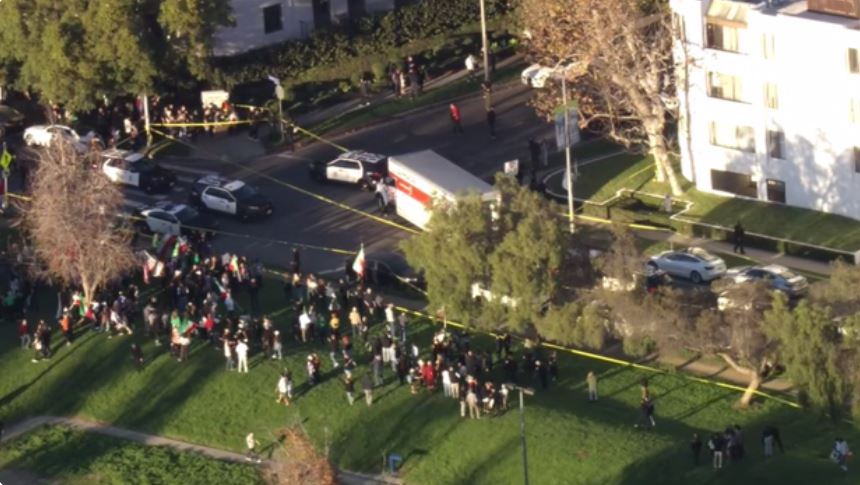
    LOS ANGELES (KCAL, KCBS) — Two people were injured when the driver of a moving truck allegedly drove into a large crowd of demonstrators during an anti-Iranian regime protest in the Westwood neighborhood of Los Angeles on Sunday afternoon.

The rally was scheduled for 2 p.m. outside of the Wilshire Federal Building in the 11000 block of Wilshire Boulevard, where thousands of people gathered to show solidarity with the ongoing protests in Iran, which have resulted in more than 500 deaths in violence surrounding the demonstrations, according to U.S.-based activists.

The truck drove into a crowd about a block from the Federal Building near Veteran Avenue and Ohio Avenue, a little before 3:30 p.m., according to the Los Angeles Fire Department.

Paramedics said that two people were treated at the scene but denied transport to the hospital. Firefighters also stated that they were searching for a third person who may have been injured, but they later said there was no additional victim.

Authorities have not yet reported any arrests in connection with the incident, but video posted on social media showed LAPD officers detaining a man they pulled from the cab of the truck. As he was being taken from the area, some of the people in the crowd appeared to be attacking the man.

Police told CBS LA that the driver of the truck, who hasn’t yet been identified, was being questioned.

LAPD’s Major Crimes detectives are leading the investigation, with members of their Joint Terrorism Task Force and the FBI assisting, a senior LAPD source told CBS News. Authorities were expected to remain on scene overnight as their investigation continued. The truck was towed from the scene shortly before 10 p.m.

The box truck was covered in banners that said, “No Shah. No regime USA don’t repeat 1953. No Mullah.” Video from the scene showed the demonstrators ripping the banners off the truck after it came to a stop.

By 4:30 p.m., a large number of the demonstrators involved in the rally had already begun to leave the area. It was scheduled to end at 4 p.m., according to event organizers. During the rally, members of the crowd shouted “Free Iran” and “End the regime,” while some members carried a giant Iranian flag that stretched nearly a block.

SkyCal flew over the spot where the truck came to a stop, which was surrounded by a large perimeter of crime scene tape. The cargo area of the truck appeared to be empty as the door was open, with Los Angeles police investigators surveying the area surrounding the truck. The windshield and windows of the truck appeared to be shattered, and shards of glass were seen on the street below the vehicle.

Please note: This story was provided to CNN Wire by an affiliate and does not contain original CNN reporting. This content carries a strict local market embargo. If you share the same market as the contributor of this article, you may not use it on any platform.
LA County deputy given Starbucks coffee cup with drawing of pig at store

By Dean Fioresi

Click here for updates on this story

    NORWALK, California (KCAL, KCBS) — A Los Angeles County Sheriff’s Department deputy was allegedly given a cup that had a hand-drawn picture of a pig on it at a Starbucks coffee shop in Norwalk last week, according to department officials.

It happened on Friday when the deputy stopped to get coffee, according to a news release from LASD. It says that the deputy was deliberately given the cup with the pig drawing, “which is commonly used to demean law enforcement.”

“This action was extremely offensive, inappropriate, and unacceptable,” the release said. “The deputy quickly reported the incident to the store manager, who advised that the matter would be investigated.”

Sheriff Robert Luna contacted a person with the company’s corporate security division to formally raise concerns upon learning of the incident, according to the release. He also spoke with the deputy who was given the cup to check on his well-being and offer his full support.

“Our deputies serve this community with professionalism, dedication, and commitment, often under difficult and dangerous circumstances,” the LASD release said. “Our deputies are part of the community and deserve to be treated respectfully and with basic human dignity. Acts that promote hostility and division toward law enforcement undermine community trust and public safety.”

The Association for Los Angeles Deputy Sheriffs, a police union for LASD deputies, shared a statement from their President Richard Pippin on their social media pages, where they reported that the coffee shop was a Starbucks.

“We hope this was an isolated incident and not reflective of the community values upon which Starbucks was founded, and that it is addressed appropriately and with a sincere apology to the community,” their statement said.

CBS LA has reached out to Starbucks for comment on the matter, but has not yet heard back.

Please note: This story was provided to CNN Wire by an affiliate and does not contain original CNN reporting. This content carries a strict local market embargo. If you share the same market as the contributor of this article, you may not use it on any platform.

Bystanders rescue driver who crashed into river

By Christa Swanson

Click here for updates on this story

    DENVER (KCNC) — Bystanders were able to rescue a driver after they rolled and crashed into a river in the Denver metro area on Sunday night.

According to the Colorado State Patrol, authorities received a report of a car crashing into the water at 58th Avenue and York Street around 5:33 p.m. Adams County Fire Rescue says they believe the car was speeding when it rolled into the South Platte River.

Bystanders pulled the driver out of the car, which was partially submerged and upside down, just as first responders arrived at the scene. The driver was taken to a local hospital, and their condition has not yet been released.

CSP said that the intersection is closed due to the crash and advised drivers to take an alternate route.

Please note: This story was provided to CNN Wire by an affiliate and does not contain original CNN reporting. This content carries a strict local market embargo. If you share the same market as the contributor of this article, you may not use it on any platform.

Teen cycles across Florida to support people with disabilities

By Erik Waxler

Click here for updates on this story

    ODESSA, Florida (WFTS) — This summer, an Odessa teen will be part of a group of young men taking their message of empathy and acceptance on the road.

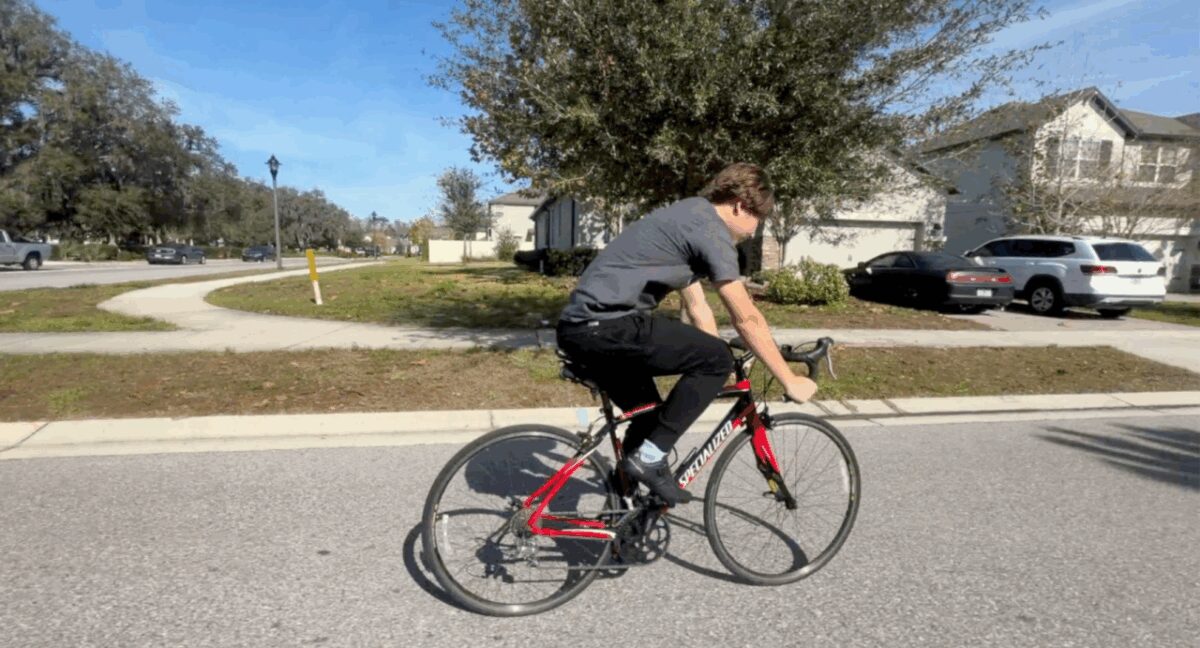
Zachary Mitchell is training for Gear Up Florida, a two-week statewide cycling journey that travels from Miami to Tallahassee.

Mitchell, a student at the University of Central Florida, is riding with fellow members of Pi Kappa Phi Fraternity as part of Journey of Hope, a cycling event organized by The Ability Experience.

Teams travel across the country to promote acceptance, inclusion, and empathy for people with disabilities.

Along the route, riders stop in dozens of communities, visiting organizations that serve people with disabilities and building meaningful connections with individuals and families.

Those interested in supporting Mitchell’s mission can donate at support.abilityexperience.org/fundraisers/ZacharyMitchell/gear-up-florida-2026

The Ability Experience says donations directly support people with disabilities through advocacy, education and inclusive programming.

Please note: This story was provided to CNN Wire by an affiliate and does not contain original CNN reporting. This content carries a strict local market embargo. If you share the same market as the contributor of this article, you may not use it on any platform.

Palm Springs International Film Festival closes 37th year with celebration of global cinema

Timothy Foster

PALM SPRINGS, Calif. (KESQ) – The Palm Springs International Film Festival wrapped up its 37th year with a closing night ceremony that brought filmmakers from around the world together at Palm Springs High School, marking the end of another standout season for the internationally recognized festival.

Festival Chairman Nachhattar Singh Chandi reflected on the success of this year’s event, expressing gratitude for the strong response from audiences and industry professionals. He said feedback from attendees, particularly those visiting from abroad, highlighted the festival as one of the strongest in its history and an unforgettable experience.

Closing out the festival was the film Glenrothan, starring Alan Cumming. The film explores themes of family, identity, and forgiveness, focusing on how traditional family structures evolve and how personal authenticity can exist within them. The story underscores the idea that family, however it is defined, remains a powerful force that brings people back together.

The film also marked a milestone for legendary actor Brian Cox, who made his directorial debut with Glenrothan. Cox emphasized the importance of telling emotionally resonant stories, especially during a time of global uncertainty. He described the film as deeply sentimental and said that compassion and humanity in storytelling are more necessary now than ever.

As the curtain closed on this year’s festival, organizers were already looking ahead to the future. Chandi hinted at upcoming changes and announcements expected in early March, teasing what he described as one of the most glamorous nights yet for the 2026 Palm Springs International Film Festival.

Click here to follow the original article.

Morongo accepting applications for Annual Community Outreach Awards

Athena Jreij

MORONGO INDIAN RESERVATION – Morongo is now accepting applications for the 5th Annual Community Outreach Awards Program.

The annual program awards grants of up to $5,000 to dozens of community organizations.

Since 2022, the program has given out more than $1.3 million to nearly 300 nonprofit groups.

Organizations must apply by January 16, 2026, and award recipients will be announced in the spring. Program requirements for eligibility and a one-page grant application can be found online at www.morongonation.org/donations/

Questions about the program may be directed to the Morongo Community Outreach Department by calling 951-755-5063 or by email at CommunityOutreach@morongo-nsn.gov

Click here to follow the original article.

OVER THE WEEKEND: Central Oregon joins nationwide anti-ICE protests

Tracee Tuesday

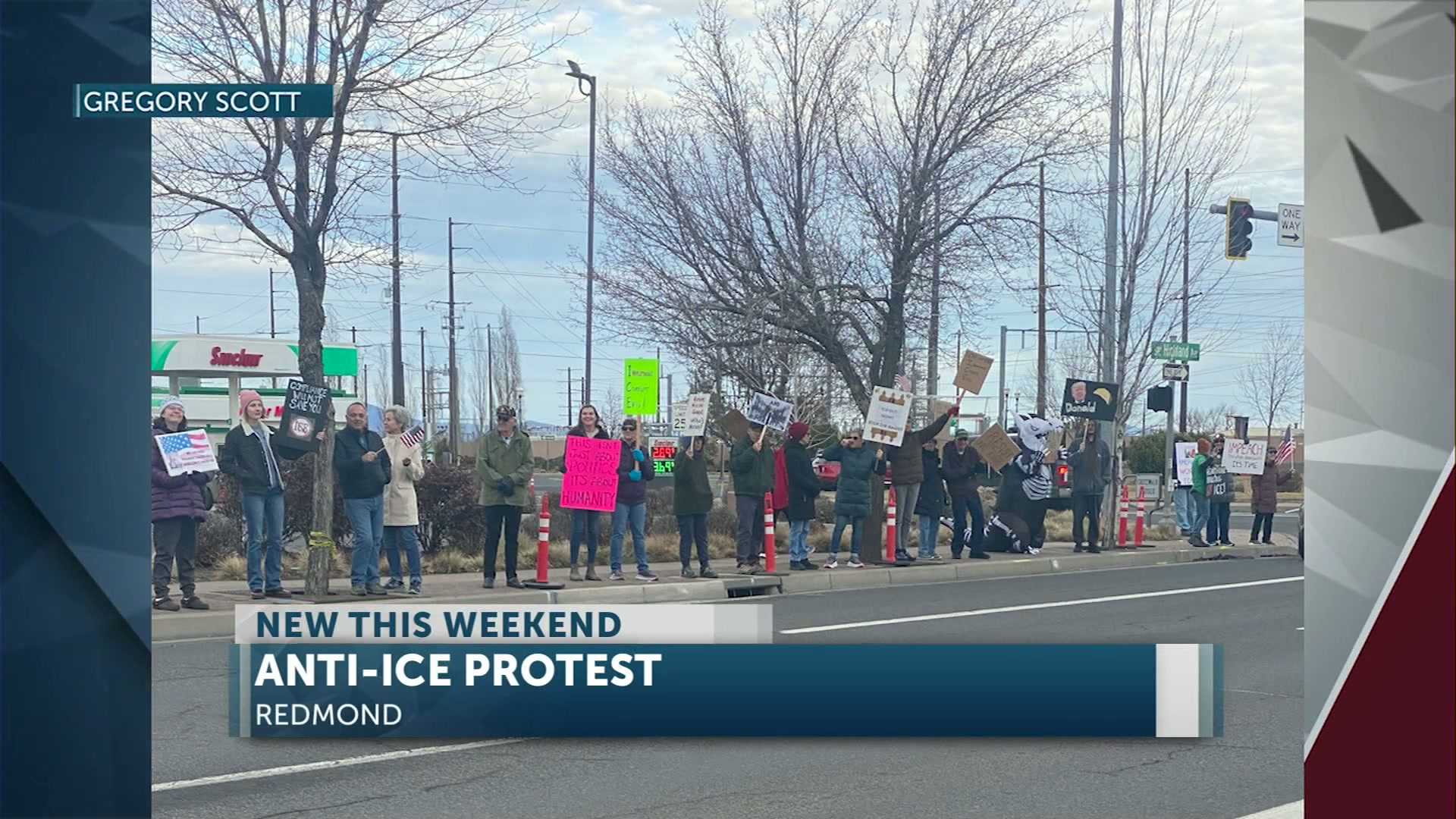
People across the country — including here in Central Oregon — participated in anti-ICE protests over the weekend following the deadly shooting in Minnesota and a recent shooting in Portland.

Central Oregon turned out in numbers on January 10 to demand accountability, to honor the life lost, and to protest the unchecked violence and abuse carried out last week by federal immigration enforcement authorities both in Minneapolis and Portland.

Rallies took place in Sisters, Redmond, Bend, and La Pine.

An estimated 300 people lined the streets of downtown Redmond Saturday afternoon to protest what organizers described as the increasing authoritarian policies and violence of the Trump administration, according to Redmond Indivisible.

An estimated 60 people showed up in Sisters and 1,115 people in Bend, stated Redmond Indivisible.

“Once again our people did not disappoint,” said Barbara Tate, a Redmond Indivisible spokesperson. “Three hundred plus turned out with 24 hours notice.”

The peaceful protest drew the attention of more than 100 passing motorists who honked their horns in support.

Protesters filled the sidewalks at Wall Street and Greenwood Avenue in Bend, while similar events were held in Sisters, Prineville, and La Pine.

A vigil was held Sunday night at Drake Park.

Saturday’s protest was a prelude to a nationwide day of protest set for Tuesday, January 20.

The “Free America Walkout” will encourage individuals to walk out of their workplaces, schools, and commercial activities to defend democracy and protect civil liberties.

Nationwide, protests in cities across the country drew large crowds, including massive demonstrations in Minneapolis following Wednesday’s fatal ICE shooting.

Minneapolis police said one hotel sustained damage, with 29 arrests and one officer injured.

Federal officials released surveillance video showing the aftermath of the shooting as Renee Good’s SUV crashed into parked cars.

The Department of Homeland Security said Good had been following officers over the course of the morning.

The shooting, caught on multiple cameras, involved ICE officer Jonathon Ross, who fired the deadly shot.

The Trump administration said the officer fired in self-defense.

Minnesota Congresswoman Ilhan Omar and Representative Angie Craig visited local ICE headquarters but were only briefly admitted before being turned away.

“What happened today is a blatant attempt to obstruct members of Congress from doing their oversight duties,” Omar said.

Craig added, “We are better than this. This is not a partisan statement. We are better than this, America.”

Click here to follow the original article.

Amid slick driving conditions, CDOT advises caution

Marina Garcia

COLORADO SPRINGS, Colo. (KRDO) – Across the city, we saw more than ten inches of snow, but as you hit the road to enjoy your weekend plans, now that the sun is back out, the Colorado Department of Transportation (CDOT) is still advising caution on the roads.

We will be seeing below-freezing temperatures Saturday night, which can turn that compacted snow into ice and be dangerous.

“We’ve gotten a little spoiled with some really good driving conditions across the state,” says Lisa Schwantes, a CDOT spokesperson. “But we did see some snow recently, and there is nothing like solar gain to melt snow and ice. But then those frigid temperatures come again overnight, and that moisture freezes up, and that can cause some slick conditions for drivers.”

And as we experience Colorado’s prominent weather whiplash, it’s important to remain vigilant while on the roads.

“We can really pay attention to what our headlights are showing us. If it starts looking a little slick and there’s a lot of reflection off of the roadway. Slow down,” says Schwantes.

CDOT advises drivers to always respect road conditions and refrain from any distractions.

CDOT says crews will now be working on taking care of any shoulder areas that they’ve pushed snow onto, ensuring clearance in those areas.

Click here to follow the original article.