Pennsylvania woman finds relief from Tourette’s with deep brain stimulation

By Shannon Perrine
Click here for updates on this story
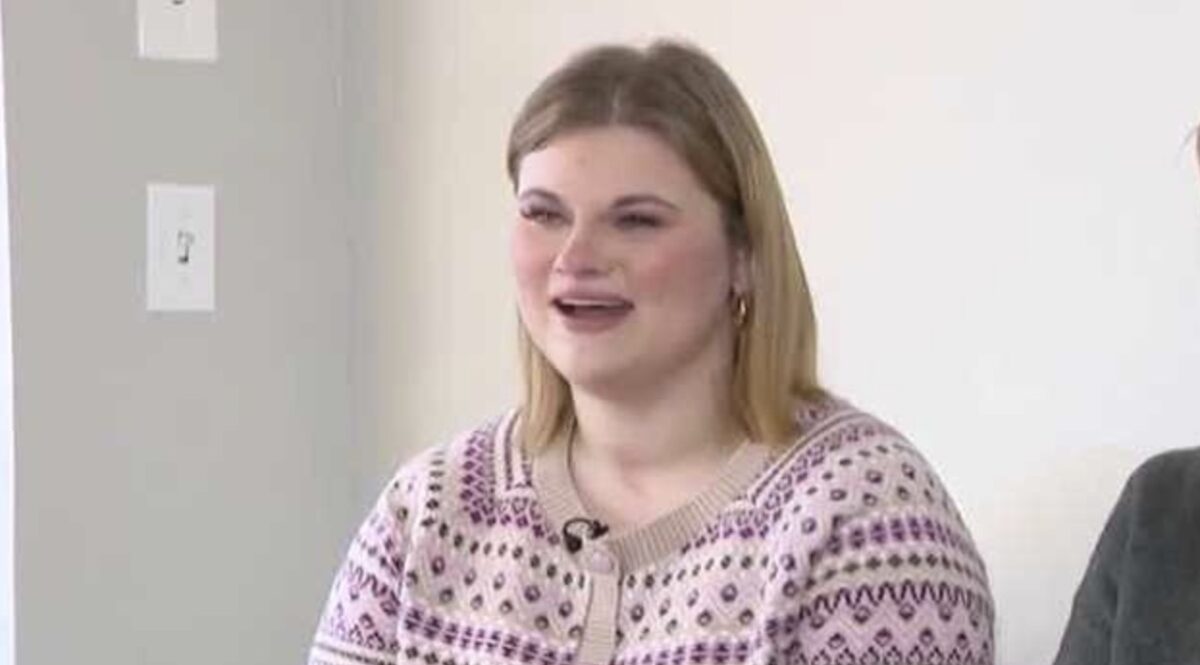
PITTSBURGH (WTAE) — Abigail Bailey was tired of living with Tourette’s syndrome. The 24-year-old from Beaver County had to resign from her job and suspend her college career because the tics and OCD that come with Tourette’s got too severe. The tics led to broken fingers and ribs.
“I knew, like, third grade or fifth grade. I remember it a lot. But middle school is really where I started having problems, and where I started noticing it being more prone in my life,” Bailey said.
On New Year’s Eve in 2024, Bailey went to the hospital with sepsis. It was there that she made the decision to go ahead with deep brain stimulation, a treatment that was established in the 1980s to treat Parkinson’s disease, dystonia and essential tremors.
Dr. Donald Whiting, chair of the AHN Neuroscience Institute, believed Bailey could benefit from DBS.
“Abby’s condition was very severe,” Whiting said. “She had symptoms since about 3 years of age, and it had been progressive. She actually injured herself, breaking fingers, breaking ribs by these inadvertent movements.”
The procedure involves one surgery to implant electrodes in precise areas of the brain. An extension wire connects to the electrode and is threaded under the skin of the head, neck and shoulder. The second part involves connecting the wires to a pulse generator, like a pacemaker, which is implanted near the collarbone.
A post-surgery calibration requires multiple visits back to Allegheny General Hospital, where programmers work with the patient to adjust the amps.
Bailey let Pittsburgh’s Action News 4 anchor Shannon Perrine come along with her as she shopped for a wedding dress. She says she is nearly 100% free of Tourette’s effects. She went back to college to earn her bachelor’s degree, and got her old job back. The wedding is scheduled for October.
Whiting was one of the first physicians to perform DBS. In 2008, he performed DBS on 19-year-old Ed Cwalinski for a severe case of dystonia. Cwalinski continues to do well after surgery almost 20 years ago.
Please note: This story was provided to CNN Wire by an affiliate and does not contain original CNN reporting. This content carries a strict local market embargo. If you share the same market as the contributor of this article, you may not use it on any platform.