Tyson Foods plant closing could spell broader trouble for beef industry in Nebraska

By John Grinvalds
Click here for updates on this story
LEXINGTON, Neb. (KETV) — The news that Tyson Foods would be shuttering its plant in Lexington, Nebraska left the community adrift last week.
“They feel like their life is over,” Ramon Prado, a counselor in Lexington, told KETV last Tuesday. “They dedicated their life the last, at least for sure the last 20 to 25 years, 30 years to Tyson.”
City and state leaders have rallied to keep the closure from destroying Lexington, but agricultural leaders in Nebraska say its impact on the beef industry in the state will be unavoidable.
“It’s just not the closing of a plant,” Nebraska Farm Bureau President Mark McHargue said. “It’s the closing, you know, of that whole economy that goes around that.”
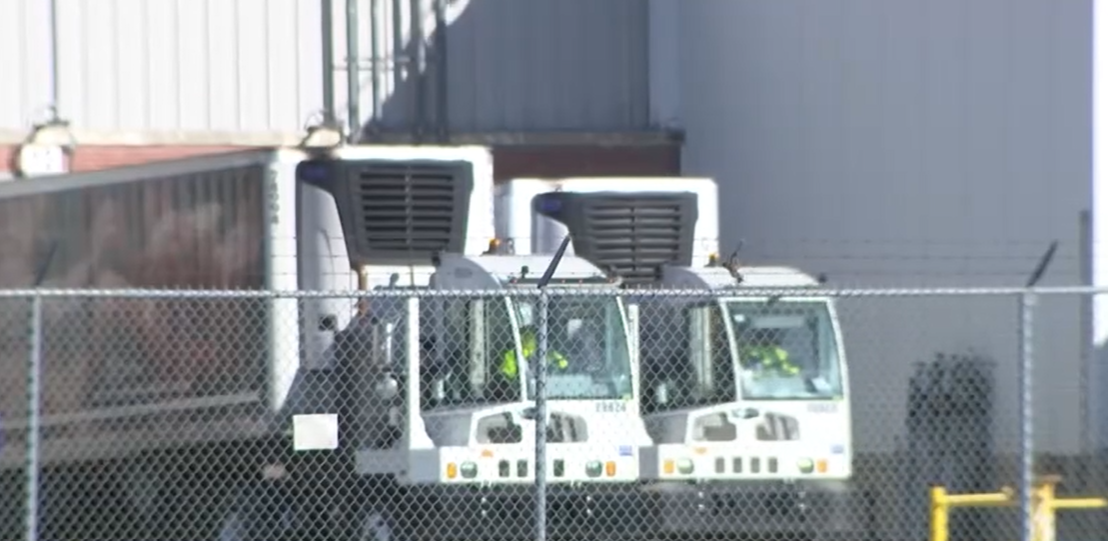
The end of production in Lexington will hurt the plant’s 3,200 employees. But it will also spell trouble for the truckers and producers who weave their way onto the compound every day, hauling roughly 4,000 heads of cattle.
“Those cattle have to go somewhere,” Craig Uden, the incoming president of the Nebraska Cattlemen, said. “It’s really in the center of the cattle feeding industry up here in Nebraska. There’s been more growth around this plant within the 200 miles.”
There are other plants in Nebraska, but whether they can pick up the slack is an open question.
“It’s a logistics nightmare,” McHargue said. “You have to now add that time, these trucks are gonna have to go farther. So you really need more trucks on the road, which then you need more truck drivers.”
One cause for the catastrophe is the downturn in the national cattle herd. The American Farm Bureau says, after years of drought and labor issues, it’s at its lowest in more than 70 years. McHargue and Uden say that puts strain on the packers who have fewer heads to process per day.
“There was a risk that we would lose a packer,” McHargue said. “What’s very unfortunate is that it’s in Nebraska. And, you know, that’s the disappointing thing, especially with the newer reports that cattle on feed, you know, is number one here in Nebraska more than Texas. So why Nebraska?”
Both McHargue and Uden say the herd population is set to rebound.
“I do believe the herd will grow,” Uden said. “It’s just going to be at a slower pace.”
But then, there will be fewer packers, fueling more economic uncertainty down the line.
“The pinch point, my gut says we’re going to have in a couple of years if we don’t get a plant like Lexington retooled and back to processing cattle,” McHargue said.
This story was provided to CNN Wire by an affiliate partner and does not contain original CNN reporting.
Please note: This content carries a strict local market embargo. If you share the same market as the contributor of this article, you may not use it on any platform.