Attorney General warns shoppers of scams ahead of Black Friday, Cyber Monday

Euphenie Andre
COLUMBIA, MO. (KMIZ)
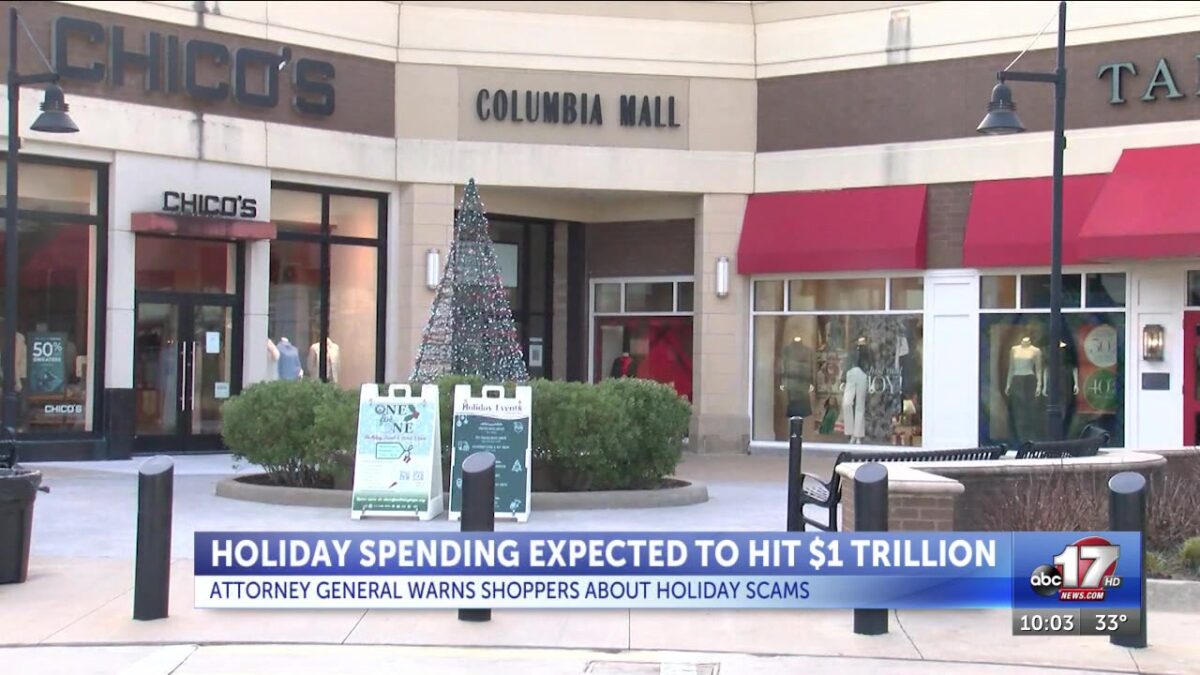
The National Retail Federation is projecting another record-breaking holiday season, predicting that Americans will spend more than $1 trillion on gifts, food and décor.
Consumers plan to spend an average of $890.49 per person this year on gifts, food, decorations and other seasonal items. That figure marks the second-highest spending level in the survey’s 23-year history, according to the National Retail Federation’s latest holiday survey, conducted by Prosper Insights and Analytics.
However, shoppers across almost every generation are planning to cut back their holiday spending this year and those who do plan to shop, with 50% of them are planning to use a Buy Now, Pay Later plan, according to Better Business Bureau.
Gen X is the only group expecting to spend a little more, up about 3% from last year. But Gen Z is pulling back the most, cutting their budgets by 34%. Millennials plan to spend 13% less, and baby boomers are also tightening their wallets with a 6% drop compared to last year, according to a recent Deloitte Holiday Retail Survey.
While the National Retail Federation and Deloitte surveys show slightly different numbers, both offer reliable insights into how Americans are planning to spend this holiday season.
Missouri Attorney General Catherine Hanaway is urging shoppers to be cautious of the spike in scams that often appear around Black Friday and Cyber Monday. As online shopping, promotional emails and flash sales continue to grow, scammers frequently take advantage of the chaos by pushing fake deals, phishing links and fraudulent websites.
The AG’s Consumer Protection team highlighted several warning signs and helpful reminders based on recurring issues seen in previous years:
Black Friday Shopping Tips
Be cautious of unexpected messages advertising “special” deals—especially if they ask for personal details or include unfamiliar links. These could be attempts to install malware or collect sensitive information.
Some retailers may boost prices before Black Friday to make discounts appear larger than they are. Checking typical prices ahead of time can help you spot this.
Many stores pause their price-matching policies during the Black Friday–Cyber Monday window.
Always read the fine print on ads and promotions; some offers are limited by brand, time, or quantity.
Cyber Monday Safety Tips
Steer clear of sites with unusual spellings or strange dashes in their names—these can signal fraudulent look-alike websites.
If an online deal seems unrealistically cheap, it’s likely a scam.
Watch for fake “order confirmation” or “delivery issue” emails for purchases you didn’t make, as these often attempt to steal personal information.
When shopping online, choose a credit card over a debit card for stronger fraud protection.
Use secure, unique passwords for all online payment accounts.
The Better Business Bureau advises shoppers who are planning to use a buy now, pay later option to approach it as they would any other loan. Even when interest isn’t charged, consumers can still fall into overspending or incur late fees, so it’s important to ensure the total cost is genuinely affordable. Sticking to a budget is key, as payments can add up quickly.
The BBB also urges shoppers to carefully review the terms before agreeing to a buy now pay later plan. Consumers should understand who is financing the purchase, the length of the plan, the number of installments, how late or rescheduled payments are handled, whether interest applies, and whether additional fees are included.
It’s equally important to be aware of your rights: Lenders are required to investigate disputes, issue refunds for returns or cancellations, and provide regular billing statements. Before signing on, shoppers may also want to consider alternatives such as 0% APR credit cards or “pay over time” options, which offer similar flexibility while preserving the protections and rewards associated with traditional credit card use.
Anyone who suspects a scam or finds unfamiliar charges can contact the Attorney General’s Consumer Protection Hotline at 800-392-8222 or file a complaint online at ago.mo.gov.