To protect deer and elk habitat, Deschutes National Forest wildlife winter range closures begin next week

KTVZ
BEND, Ore. (KTVZ) — Four annual winter range closures take effect next Monday across the Deschutes National Forest to provide critical habitat for deer and elk.
The closure areas include Cabin/Silver Lake, Metolius Winter Range, Opine Travel Management Area and Tumalo Winter Range. Motorized vehicles (including snowmobiles and e-bikes) are prohibited in the closure areas, to protect deer and elk during the winter. The winter wildlife closures will continue until March 31, 2026.
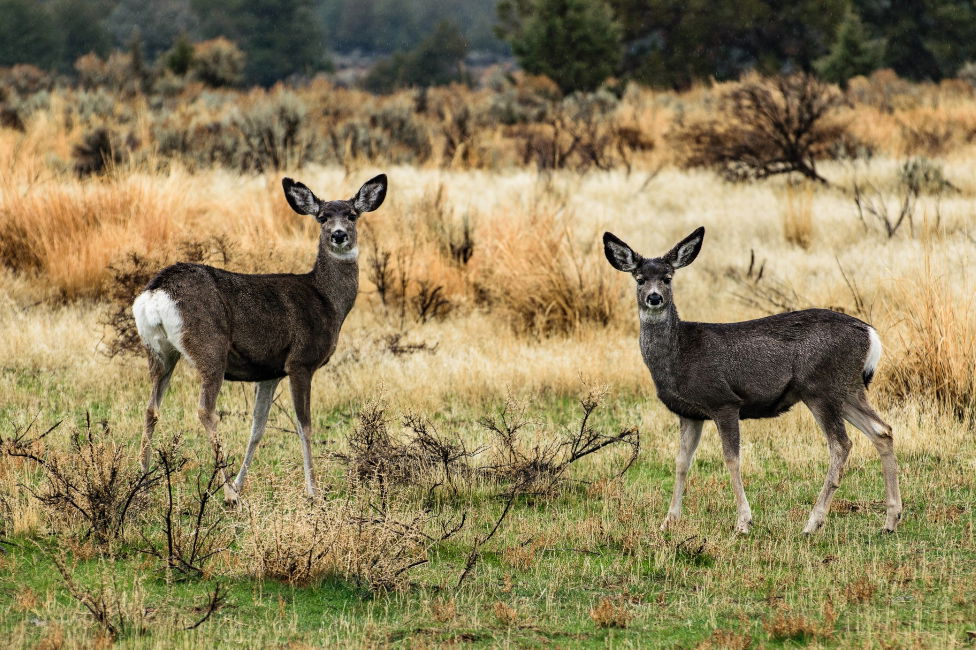
Winter range is habitat deer and elk migrate to in order to find more favorable living conditions during the winter. It’s found predominantly at lower elevations of Central Oregon and is extremely important to elk and mule deer survival.
Winter ranges usually have minimal amounts of snow cover and provide vegetation for forage, hiding cover, and protection from the weather. In Oregon, elk and mule deer migrate, often long distances, to lower elevations to escape or minimize exposure to snow cover.
Local mule deer populations have declined 56% between 2004 and 2021. Human disturbance of deer and elk during the winter can cause the animals to flee, which expends energy from the reserves they’re relying on to survive through winter and to successfully provide for young in the spring.
By respecting winter range closures, the public can reduce impacts to deer and elk helping to sustain existing populations into the future, the Forest Service ssaid. Improving habitat quality for deer can preserve the functionality of traditional migratory routes and reduce impacts with nuisance deer in town resulting in more healthy and productive deer populations.
The public can learn more about the importance of winter range, including maps of the closure areas, by visiting Winter Range Closures on the Deschutes National Forest website.