Oregon business group urges lawmakers to act on ‘unsanctioned public camping,’ prepares possible ballot measure

KTVZ
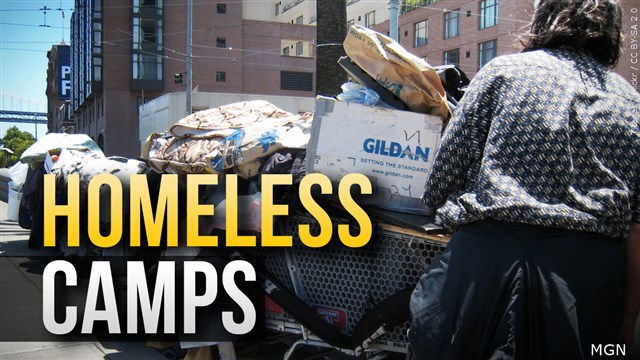
SALEM, Ore. (KTVZ) — An Oregon business organization is calling on state lawmakers to restore local control over “unsanctioned public camping” – and advancing a possible ballot measure if they fail to act during the 2026 legislative session.
On Wednesday, chief petitioners for the Local Control & Safety Act submitted 1,770 sponsorship signatures, advancing the 2026 ballot measure to the next phase of the qualification process, according to a news release from the group, Oregon Business & Industry.
In submitting the signatures, petitioners reiterated their request for Oregon lawmakers to address challenges related to unsanctioned public camping in the 2026 legislative session, Lukens said in a news release.
“Local control over unsanctioned public camping is essential to addressing the ongoing crisis in our streets,” said Preston Mann, chief petitioner for the Local Control & Safety Act and director of external affairs for Oregon Business & Industry.
“It’s clear from our conversations with signers that this is an issue that demands urgent attention from our state lawmakers. We renew our call for the Legislature to restore local control and safety through legislative action next year. If the Legislature fails to act, we will have an opportunity to put the question before voters next November.”
Following Wednesday’s sponsorship signature submission, the Oregon secretary of state will conduct a verification of the signatures to ensure the minimum 1,000 valid signatures threshold has been met, the group said. When verification is complete, the initiative will be sent to the Oregon attorney general for the drafting of a ballot title.
The Local Control & Safety Act seeks a repeal of HB 3115 (2021) / ORS 195.530.
“Repealing this law will allow local governments to respond more acutely to the crisis in our streets and improve community safety,” the business group said. “The law as it stands has effectively tied local governments’ hands when it comes to responding to unsanctioned public camping by establishing ambiguous ‘objectively reasonable’ ‘time, place and manner’ considerations.”