Mother, stepmother of Gabby Petito talks about her life, spotting warning signs of domestic violence

By Charlie De Mar
Click here for updates on this story
CHICAGO (WBBM) — Family members of a woman murdered by her fiance spoke to college students on Monday in observance of Domestic Violence Awareness month.
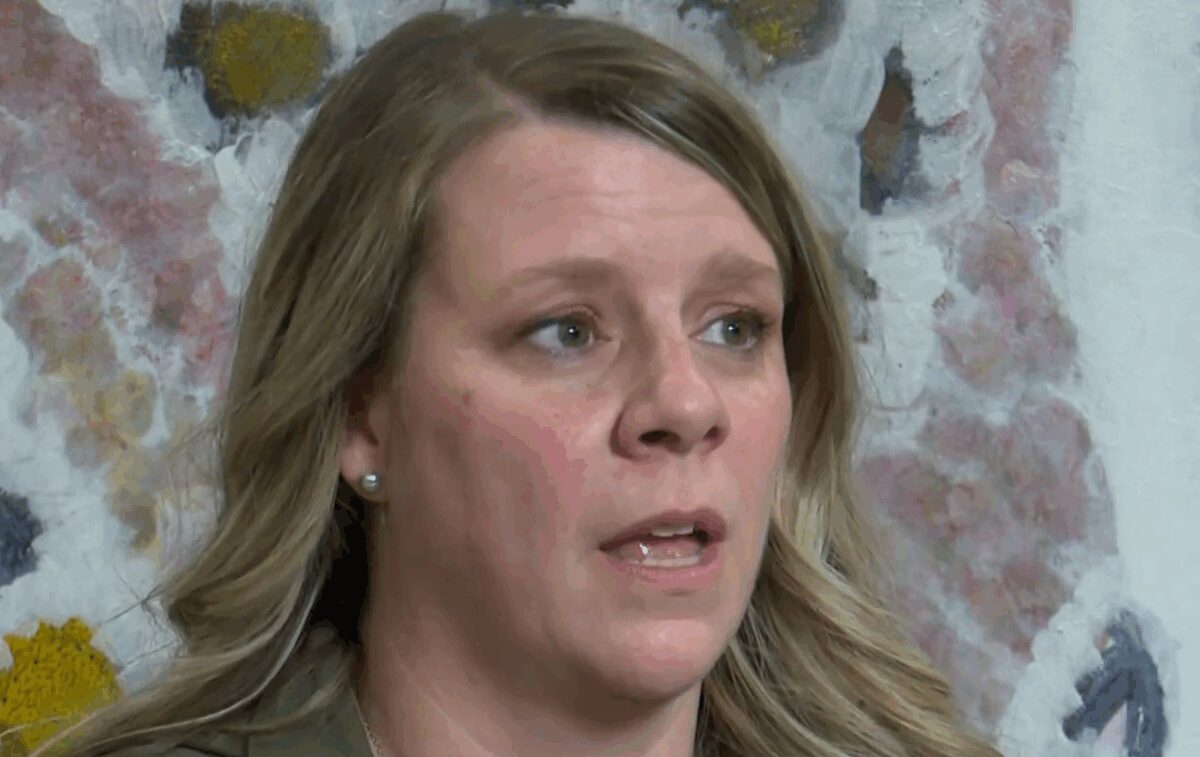
The mother and stepmother of Gabby Petito talked about her life and her legacy, and how to spot warning signs of domestic violence.
Behind the big bubbly smile and seemingly loving relationship that was displayed through social media videos, Gabby Petito’s biological mom and stepmom said the red flags were there.
“That’s why we keep talking about it because there are warning signs there were some red flags that we were just unaware of,” Tara Petito said.
Tara Petito and Nichole Schmidt now share Gabby’s story of domestic violence to college students around the country.
“I truly believe this was another attempt at isolation,” Petito said.
On Monday, the two spoke at Purdue University Northwest in Hammond, Indiana.
“Believe survivors stop asking why didn’t’ they just leave,” Schmidt said.
Gabby was murdered during a cross country road trip with her fiancé, Brian laundrie, her remains were found in a Wyoming national forest in september 2021. Laundrie was later found dead with a self-inflicted gunshot wound.
In the weeks before her body was found—police were called after a witness reported a domestic dispute between Gabby and Laundrie. Officers separated the couple for the night instead of citing either of them.
“That Moab body cam footage shows the dynamics of domestic violence, what a victim typically looks like when an officer responding and what a perpetrator looks like,” Schmidt said.
A CBS News analysis of FBI victimization data found that 24% of the country’s nearly four million violent crimes last year were domestic. Chicago’s proportion is slightly higher at 26%.
A student in the audience said she is a domestic violence survivor and it was Gabby’s story that helped her spot the signs of abuse.
“I was scared to open up because I didn’t know if I was in an abusive relationship or not so they helped me understand the signs even if its violence..the things he did was still abuse,” Alaya Edwards said.
“That’s why we do this, it’s also healing for us,” Tara said.
Please note: This content carries a strict local market embargo. If you share the same market as the contributor of this article, you may not use it on any platform.