Three Sisters Irrigation District finishes final piping project, a major milestone in Whychus Creek restoration

Barney Lerten

SISTERS, Ore. (KTVZ) — The final section of canal piping in the Three Sisters Irrigation District has been completed, marking a major milestone in streamflow restoration, on-farm efficiency, and renewable energy generation.

Approved by the Oregon Water Resources Department on April 22, 2024, this latest conserved water project adds permanent flow protection to Whychus Creek, a tributary of the Deschutes River. 

The Cloverdale piping project installed over 23,000 feet of pipe north of Highway 126 and resulted in 0.33 cubic feet per second (cfs) and 140.1 acre-feet of water permanently protected in Whychus Creek just below the TSID diversion, about four miles upstream from the city of Sisters. 

Here’s the rest of Wednesday’s joint announcement from the Deschutes River Conservancy and the Three Sisters Irrigation District:

Two Decades of Conservation and Collaboration 

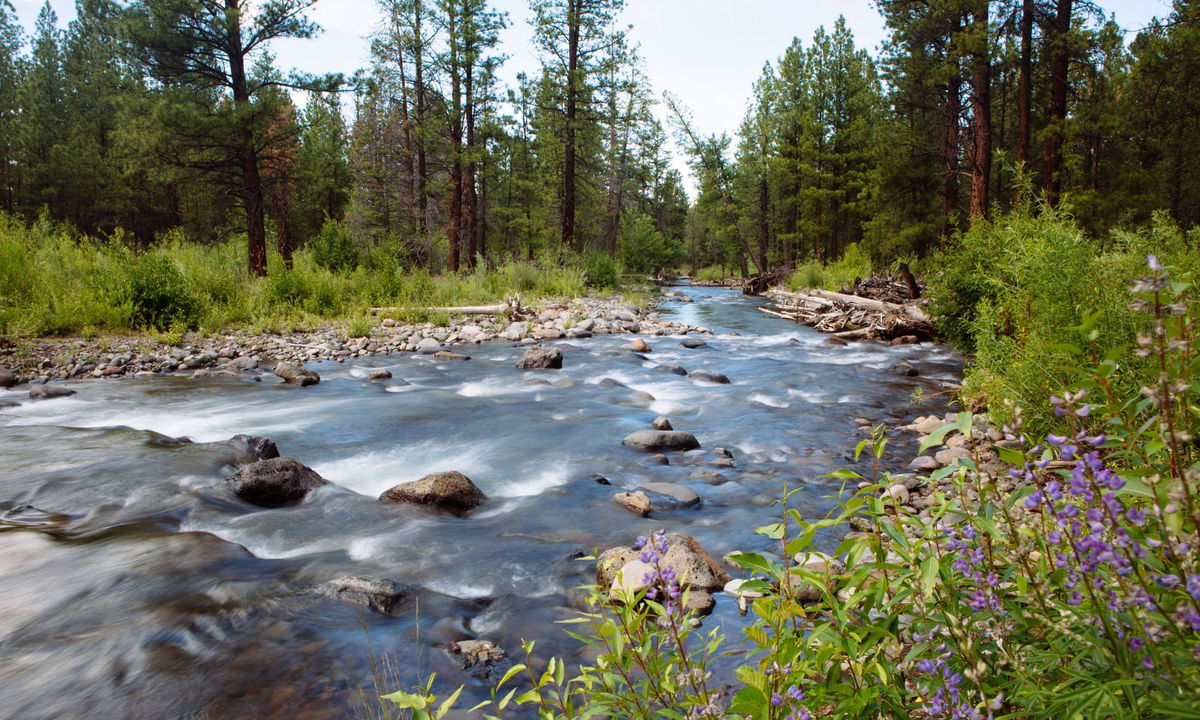
With this final phase complete, TSID has now piped 64 miles of its canals over the last 20 years, permanently restoring 30.3 cfs and 11,938 acre-feet of water to Whychus Creek. Historically, the creek ran dry two out of every three years due to the over appropriation of water rights and leaky, unlined canals and outdated delivery systems. Now, thanks to this sustained conservation effort, and complementary flow restoration programs, Whychus Creek flows year-round, providing vital cold-water habitat for redband trout, steelhead, and Chinook salmon. 

“This has been a long-term commitment by TSID and our partners,” said Marc Thalacker, newly retired Manager of TSID. “We’re proud to have reached this point where we can support both our farms and the health of Whychus Creek.” 

Benefits for Farms, Fish, and Energy 

The completed piping system enables pressurized water delivery to TSID farms, reducing the need for on-farm pumping and resulting in significant energy savings—an estimated 9 million kilowatt-hours of reduced power usage annually. Alongside these improvements, TSID has supported farm conversions to more efficient irrigation practices and installed modern metering at delivery points to ensure precise, reliable water use. 

This project also includes an in-pipe hydropower facility, which can produce up to 700,000 kilowatt-hours of renewable electricity—enough to power approximately 58 homes. TSID now operates 3 in-pipe hydro projects, contributing to clean energy goals while reducing strain on the power grid. 

A Healthy River Takes a Village 

TSID’s work is part of a larger, collaborative restoration effort on Whychus Creek. The Upper Deschutes Watershed Council, U.S. Forest Service, Deschutes Land Trust and other partners have worked to restore over 7 miles of stream habitat in Whychus Creek and removed all 6 fish passage barriers, while the Deschutes Land Trust has protected 9 miles of the creek through conservation agreements, land acquisition, and land stewardship. 

Together, these projects have reestablished streamflow, improved water quality, and reconnected critical habitat—but challenges remain. Summer water temperatures in lower reaches of the creek can still be high, stressing cold-water fish species. Restoration partners, including DRC, continue working to address these issues through habitat improvement, streamflow leasing, and new conservation partnerships. 

A Model for the Region 

“This is a true success story for farms, fish, and the community,” said Kate Fitzpatrick, Executive Director of the Deschutes River Conservancy. “TSID and its partners have shown what’s possible through sustained collaboration, forward-thinking investment, and a shared vision for a healthier creek.” 

Project Partners and Funders 

This project was made possible through support from Oregon Watershed Enhancement Board (OWEB) and National Resources Conservation Service (NRCS). Over two decades of restoration on Whychus Creek have been funded by a wide array of partners including: Bonneville Environmental Foundation, Bonneville Power Administration, Confederated Tribes of Warm Springs, DEQ/EPA Clean Water State Revolving Fund, Deschutes Soil and Water Conservation, Deschutes Water Alliance, Energy Trust of Oregon, National Fish and Wildlife Foundation, National Resources Conservation Service, (Regional Conservation Partnership Program), Oregon Conservation Strategy, Oregon Department of Energy, Oregon Governor’s Fund, Oregon Water Resources Congress, Oregon Water Resources Department, Oregon Watershed Enhancement Board, Portland General Electric Pelton Fund, Southern Oregon State University, The Nature Conservancy/PGE, TSID through in-kind contributions, U.S. Forest Service, Upper Deschutes Watershed Council, the U.S. Bureau of Reclamation. 

About the Deschutes River Conservancy: The Deschutes River Conservancy (DRC) was formed in 1996 with a mission to restore streamflow and improve water quality in the Deschutes River Basin. The DRC has a multi-stakeholder board and, through collaborative efforts, has restored up to 350 CFS (equivalent to over 14 Olympic-sized swimming pools per hour) of flow in the basin with non-litigious, voluntary, and market-based programs. For more information about the DRC, visit www.deschutesriver.org

About Three Sisters Irrigation District: Established in 1891, Three Sisters Irrigation District (TSID) delivers Deschutes River water to approximately 7,600 acres of irrigated land near Sisters, Oregon. The district serves over 267 patrons and manages 64 miles of canals and lateral ditches. TSID is nationally recognized for its leadership in irrigation modernization and has implemented extensive conservation efforts, including piping and pressurized delivery systems, which improve on-farm efficiency, reduce energy use, and restore streamflow to Whychus Creek. TSID continues to work collaboratively with partners to support agricultural resilience, water sustainability, and ecosystem health in Central Oregon. Learn more at www.tsidweb.org

Click here to follow the original article.

Vitalant hosting Summer Life Savers Blood Drive starting in July

Marcos Icahuate

YUMA, Ariz. (KYMA, KECY) – A blood drive is being held to support locals and more Arizonans in need.

The Summer Life Savers Blood Drive by Vitalant will be at the Yuma Main Library from July 31 to August 2.

News 11, ABC 5 and Telemundo 3 are partnering with Vitalant to bring this blood drive to Yuma. 

Anyone who donates blood on those dates will be entered to win a 2025 VW Taos S.

The vehicle prize was donated by the Valley Volkswagen Dealers.

You can make an appointment to donate blood by going to their website or calling (877) 258-4825.

You can also find more information about the blood drive here.

Vitalant previously held a blood drive in winter 2024, which collected enough blood to impact over 300 lives.

Click here to follow the original article.

Public land in Oregon at risk, part of proposal for ‘Big Beautiful Bill’

KPTV

PORTLAND Ore. (KPTV) – If passed, a budget reconciliation proposal, introduced by Utah Republican Senator Mike Lee, would put 3.2 million acres of public land up for sale across 11 states, including Oregon.

Lee’s proposal would help offset tax cuts and other expenses in the Trump Administration’s “Big Beautiful Bill.”

The states included in Lee’s proposal include Alaska, Arizona, California, Colorado, Idaho, Nevada, New Mexico, Oregon, Utah, Washington, and Wyoming.

“Public lands belong to all of us,” said Quinn Read, Executive Director of the environmental advocacy group, Oregon Wild.

3.2 million acres of Bureau of Land Management and US Forest Service-managed land across those 11 states would go up for sale to the highest bidder if Lee’s proposal is passed. That could include publicly owned hiking trails and campgrounds in Oregon.

“We’re looking at the steady erosion of land and natural resources that benefit all of us and provide critical services to all of us from clean water, clean air, habitat for wildlife, recreational opportunities for families,” Read said. “There’s so much at stake here.”

While Lee’s proposal does list the states that would be impacted, it doesn’t list exactly where or how much land from each state would be for sale.

“…That’s what’s kind of problematic,” Read said. “We don’t know. [Oregon] could have 100,000 acres, or it could be 3.1 million acres. It could be anything in that range.”

According to the Senate Committee on Energy and Natural Resources, Lee’s proposal has a long list of goals, including:

“Repealing billions in unspent Green New Deal Handouts”

“Generating over $15 billion in federal revenue” through leading oil, gas, coal, and geothermal production

Unlocking federal land for affordable housing

Read said she’s aware that this proposal is framed as a housing initiative. However, she said that by building homes in Oregon forests, communities may be at risk of wildfires.

“We’re also talking about lands that are at high risk for wildfires,” she said. “If we put communities, if we build housing developments there, we’re putting people in the direct path of wildfire.”

Read also said when it comes to public lands, they should stay as they are: Public.

“These lands belong to all of you,” she said. “They belong to all of us, and it’s important for us to stand up to them if we want to keep public lands in public hands.”

FOX 12 reached out to Lee’s offices in Salt Lake City and Washington, DC, for a comment on this story. We have not yet received a response.

Click here to follow the original article.

‘Sophisticated’ drug smuggling tunnel from Tijuana to San Diego uncovered

Haley Meberg

SAN DIEGO, Calif. (KESQ)- This past Monday, U.S. Border Patrol agents and Homeland Security discovered the origin point of a sophisticated drug smuggling tunnel connecting Tijuana to the San Diego area. 

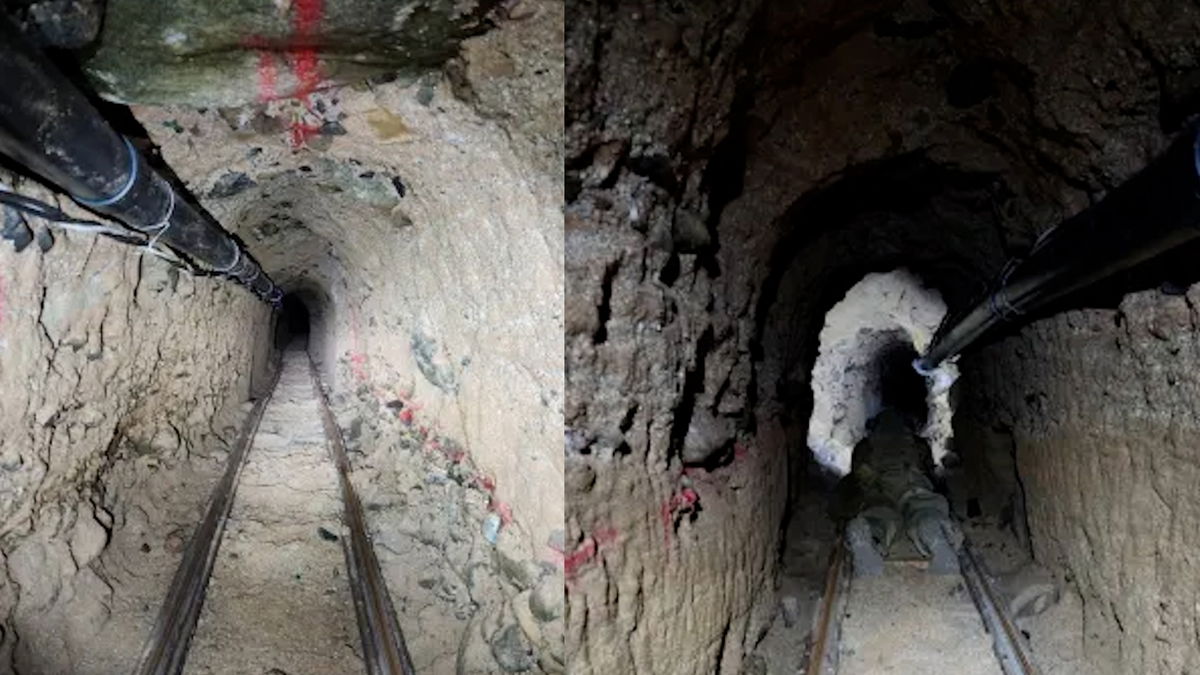
In early April, U.S Border Patrol agents from the San Diego Sector Tunnel team uncovered a drug-smuggling tunnel that was actively under construction. They report that the tunnel was equipped with electrical wiring, lighting, ventilation systems and a running track that seems to be designed to transport large amounts of contraband. 

This tunnel is said to have been incomplete but spanned over 1,000 feet into the U.S. with an exit that was projected to connect to a commercial warehouse space based on the initial evidence.

The tunnel itself was measured by authorities and spans 2,918 feet in total and about 50 feet underground at its deepest point. Border Patrol, along with Homeland Security and the Government of Mexico, located the origin point of the tunnel to a residence in Nueva Tijuana. Following a warrant served by the Mexican authorities, it was revealed that the entry point had been freshly tiled over. 

This was not the first obstacle that the agents faced. Upon their initial entry into the tunnel they were met with haphazardly placed barriers that were said to be placed in attempts to impede their progress.

 “As we continue to strengthen the nation’s air and maritime border security, it’s not surprising that foreign terrorist organizations would resort to underground routes,” said Jeffrey D. Stalnaker, Acting Chief Patrol Agent of the San Diego Sector. “Disruption of narcotics smuggling tunnels is critical to protecting American lives. I’m grateful for the exceptional work of the Tunnel Team agents who placed themselves in danger, as well as the cooperation of our Mexican law enforcement partners.”

This tunnel is set to be filled with thousands of gallons of concrete to prevent the tunnel from use by Foreign Terrorist Organizations.

Since 1993, over 95 different tunnels have been uncovered and remediated in the San Diego area alone. In hopes of preventing the smuggling of human, drugs and other contraband the U.S Border Patrol is maintaining high vigilance along pathways away from the U.S border. 

Click here to follow the original article.

Problem Solvers: How Redmond Airport’s team is handling expansion, safety and security

Jillian Fortner

(Update: Adding video)

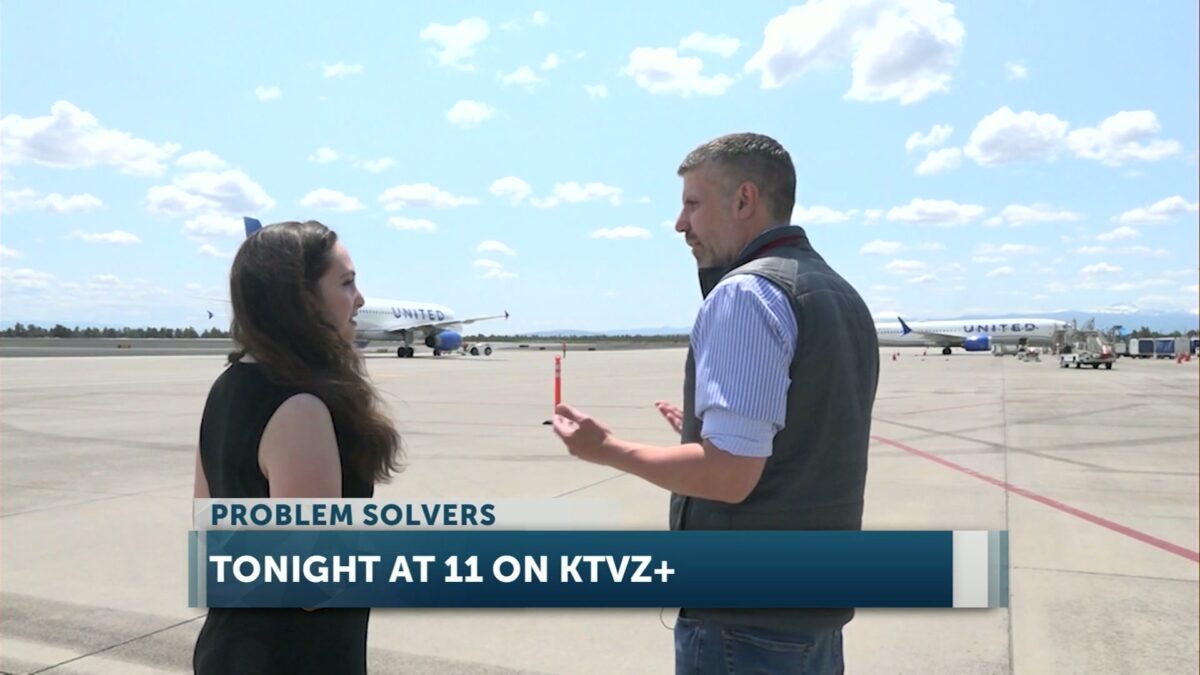
REDMOND, Ore. (KTVZ) – Zachary Bass has served as the director of Redmond Airport for nine years, a job that feels like running a small city.

“We have kind of our own security force. Our fire department is really focused just on the airport. We have a lot of ability to kind of do what a public works would normally do,” said Zachary Bass.

Their top priority is ensuring the safety and security of passengers, aircraft, and the surrounding airspace.

“There’s a lot that goes on at the airport that most people don’t probably realize,” Bass said.

When most people think of airport security, TSA is usually the first thing that comes to mind. But behind the scenes, there’s a whole separate team works around the clock monitoring all parts of the airport.

Jayde Hawkins oversees security at Redmond Airport, keeping watch over more than 250 camera feeds across the property.

“We have our TSA that’s here in the airport. They conduct the passenger and luggage screening for the traveling public. My department is what it takes care of. The federal compliance side,” Hawkins said.

She says the terminal currently covers around 130,000 square feet, and it’s still expanding. Engineers are already hard at work on the next big project: expanding the terminal.

Fred LeLacheur, Manager of Engineering and Construction, is bringing those plans to life. He oversees the planning and execution of development projects at the airport.

“We just need more space. We need more facilities to to really make it work well and be an enjoyable experience throughout the airport,” said LeLacheur.

He says the expansion will bring over 80,000 square feet of new space to the terminal.

As the airport continues to grow, the team is working to maintain the friendly, small-town feel travelers enjoy.

“That sense of community that we have here at this airport is really special to me,” said Hawkins. “I’m hoping with even having the expansion and having a much larger facility, we can continue to keep that same hometown airport feel.”

Operating a smaller airport like Redmond presents unique challenges compared to larger hubs like Portland or Seattle.

“We have less staff, so we’re not maybe as specialized as you would see in those larger airports,” Bass said. “So a lot of my managers and my team have to kind of wear separate hats, and become really knowledgeable on things, maybe just outside of their specialty.”

Financial constraints are another major hurdle the airport faces.

“Everything’s expensive in the airport world,” said Fred LeLacheur. “We’ve got a lot of things that we need, and it’s it’s hard to to get the money to do it. It’s just that simple.”

From security to construction to balancing budgets, it takes a dedicated team working behind the scenes to keep everything running smoothly.

Click here to follow the original article.

Youth Soccer Coach Pleads Not Guilty to Murdering Boy Found in Oxnard

Alissa Orozco

OXNARD, Calif. – The former youth soccer coach charged in the murder of 13-year-old Oscar Omar Hernandez pleaded not guilty during his Wednesday court appearance.

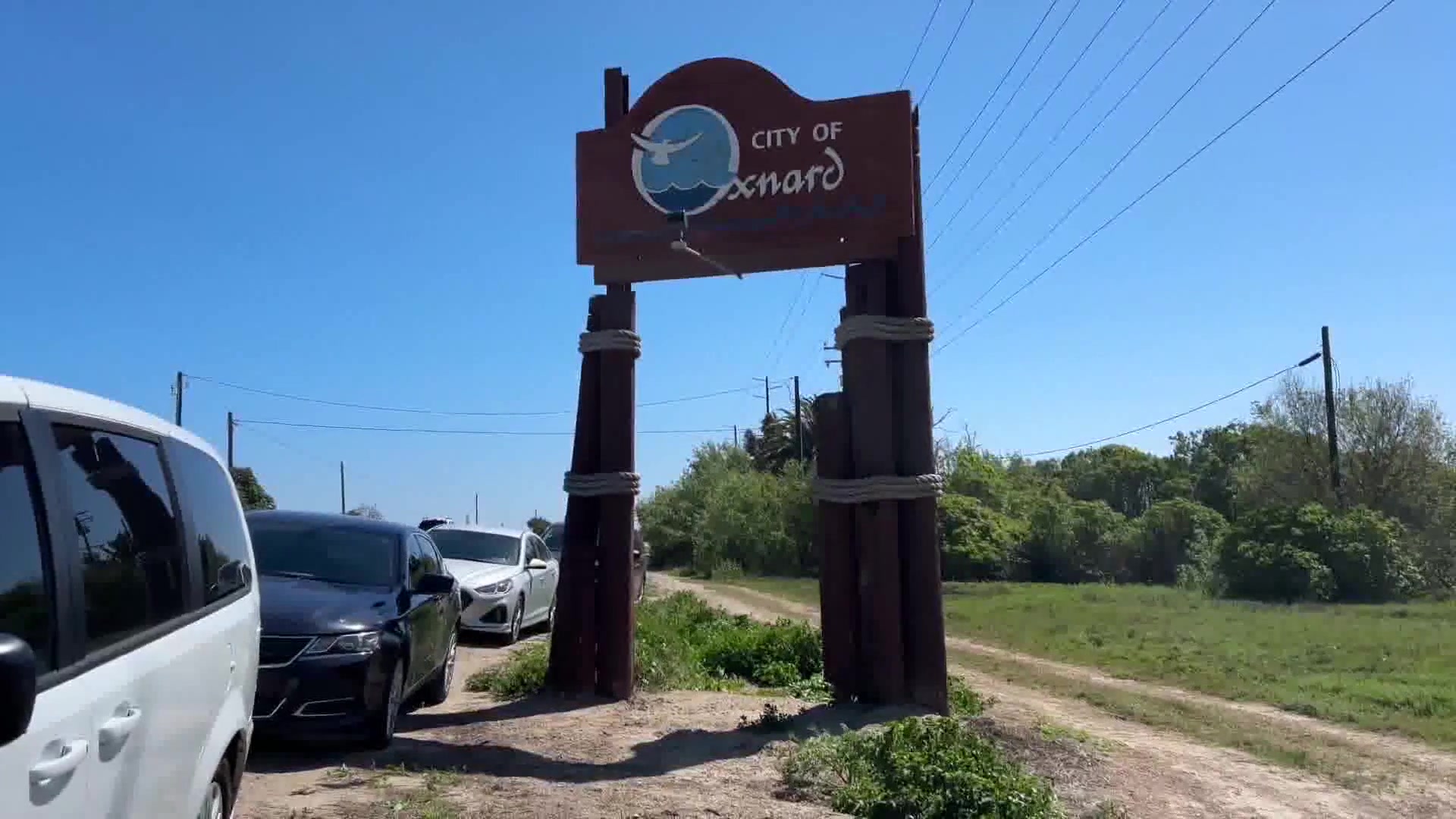
On March 28th, Hernandez boarded a Metrolink train heading towards Lancaster, California to visit his soccer coach, 43-year-old Mario Edgardo Garcia-Aquino. Hernandez’s remains were found just a few days later near McGrath State Beach in Oxnard.

Los Angeles District Attorney Nathan Hochman charged Garcia-Aquino with murder with special circumstances in the death of missing teenager.

Garcia-Aquino faces additional, unrelated felony charges for the sexual assaults of two separate minors: a 16-year-old who was coached by Garcia-Aquino, and allegedly sexually assaulted at his home in the Antelope Valley in February 2024 and a 2022 sexual assault of another minor at his former Sylmar residence.

Hochman alleges the murder happened “during the commission or attempted commission of lewd acts with a child,” meaning Garcia-Aquino could face the death penalty if found eligible.

Garcia-Aquino has been ordered to remain in jail without bail until his next court appearance on Aug. 18th, Fox 11 Los Angeles reports.

Authorities believe there may be more victims of Garcia-Aquino in the San Fernando and Antelope Valleys. Additional victims or anyone with information is urged to contact either the LAPD Abused Child Unit at (818) 374-5415, or the LASD Special Victims Bureau at (877) 710-5273.

The Latest Breaking News, Weather Alerts, Sports and More Anytime On Our Mobile Apps. Keep Up With the Latest Articles by Signing Up for the News Channel 3-12 Newsletter.

Click here to follow the original article.

LGBTQ youth suicide hotline to close

Lauren Bly

EL PASO, Texas (KVIA)– On Tuesday, the Substance Abuse and Mental Health Services Administration (SAMHSA) announced its ending the national suicide hotline’s specialized support for LGBTQ+ youth July 17.

“The 988 Suicide & Crisis Lifeline will no longer silo LGB+ youth services, also known as the ‘Press 3 option,’ to focus on serving all help seekers, including those previously served through the Press 3 option,” SAMHSA said in the press release

According to federal data — more than 14-and-a-half million people have contacted the 9-8-8 lifeline over three years’ time.  

Nearly one-point-three million calls or texts were routed to LGBTQ+ line.

It’s just putting more and more pressure on organizations who just don’t necessarily have the capacity to to be able to handle the influx of calls and the influx of issues that are happening.

ABC-7 spoke to the Executive Director of the Borderland Rainbow Center, Amber Perez. She told us local organizations are already spread thin, and resources are dwindling.

“It’s just putting more and more pressure on organizations who just don’t necessarily have the capacity to to be able to handle the influx of calls and the influx of issues that are happening,” said Perez.

Created soon after the national launch of 988 in 2022, the extra option offers specialized support for the LGBTQ+ youth community.

Callers can press three to connect them with trained counselors.

“It’s a place for them to reach out to, to get help, and to hopefully come back from that, that cliff,” Perez told ABC-7.

Perez sys the consequences of this decision will be devastating.

“We are going to see an uptick in, unfortunately, attempts on suicide, probably self-harm. Major issues with depression. I’m more than sure.” She says especially in a community like El Paso.

“In El Paso, that means that a lot of our local queer youth who probably come from homes that are very, very staunchly Catholic or religious, as we tend to be here in the borderland, won’t have somebody to call at 2:00 in the morning because these hotlines, that’s what they’re for.”

She wants those out there to know if you see someone struggling don’t stay silent.

“The most important thing is to validate them, right, is to talk to them and say, hey, I see you.”

Click here to follow the original article.

Columbia Board of Realtors to host Ward 2 candidate forum next month

Ryan Shiner

COLUMBIA, Mo. (KMIZ)

The Columbia Board of Realtors will hold a candidate forum next month with the two people running for the open Ward 2 seat on the Columbia City Council.

A press release from the board says that the forum will be held at 4 p.m. Wednesday, July 16 at the Board of Realtors on 311 Bernadette Drive.

A livestream of the event will be available on YouTube and Facebook.

Vera Elwood and Ken Rice are vying for the seat. The election will be held on Aug. 5.

Click here to follow the original article.

Drones have become an increasingly useful tool to help fight blazes like the Alder Springs Fire

Barney Lerten

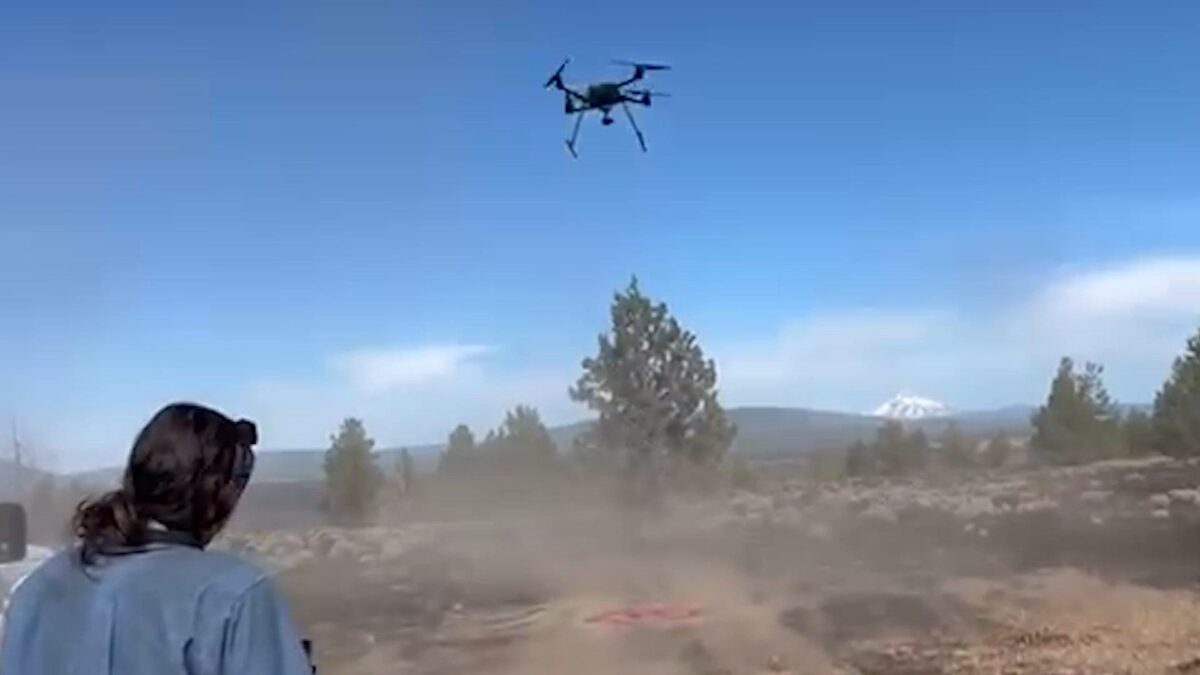
CROOKED RIVER RANCH, Ore. (KTVZ) — Firefighters have a relatively new and increasingly useful tool – drones – to use in various ways to help fight wildfires like the Alder Springs Fire.

On Thursday, Alder Springs crews were using drones to search for hot spots in the fire perimeter, officials said in a Facebook posting.

Here’s what they had to say about this high-tech tool:

Firefighting agencies increasingly use drones, also known as Unmanned Aircraft Systems (UAS), as a critical tool in wildland firefighting.

Drones are able to provide real-time aerial imagery and infrared data to help crews identify hot spots, monitor fire behavior and map fire perimeters.

By delivering accurate and timely intelligence, drones enhance situational awareness and support safer, more effective firefighting strategies.

With the use of drones, unnecessary exposure and rugged terrain can be avoided in certain situations for firefighters.

As technology advances, drones continue to play a growing role in protecting lives, property, and natural resources.

Click here to follow the original article.

Butler Market & Wells Acres Roundabout and Key Route Project Update

KTVZ News Partners

This project will deliver a long-desired improvement to the Butler Market and Wells Acres intersection safety and efficiency, and provide safer, easier connections for pedestrians and bicyclists traveling between neighborhoods, schools, parks and businesses in the area. 

The project team has made significant progress, reaching several key milestones. The design phase is now complete, and franchise utility relocation is actively underway.

Construction is Anticipated to Begin Mid-late August*

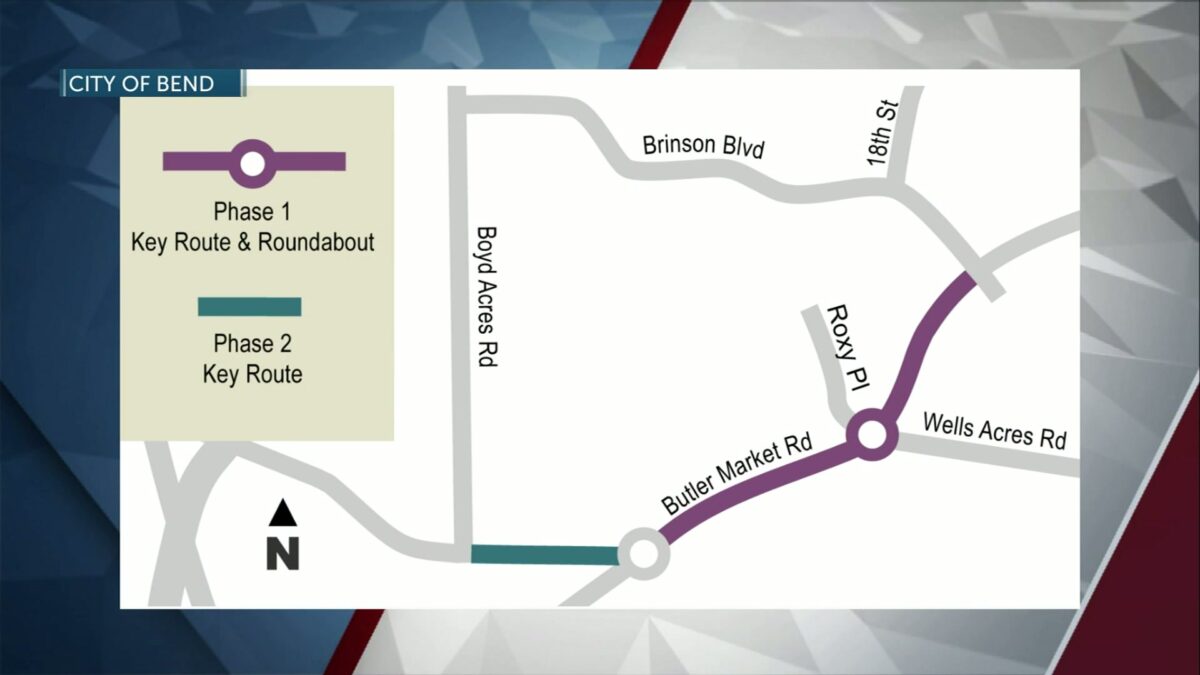
Construction will occur in two phases (see map below). Phase 1 is anticipated to begin in mid to late summer 2025.

* Dates are estimates and subject to change.

Phase 1 8th Street to Brinson portion of the key route and also includes the Butler Wells roundabout. Phase 2 includes 8th Street to Boyd Acres.

For details about anticipated detours and construction phasing, visit the project website to view the informational video.

Pre-construction Open House 

To support community awareness and preparedness, an Open House will be scheduled before construction begins. This event will provide residents and businesses with key information, timelines, and opportunities to ask questions. Additional details will be shared as plans are finalized.

Click here to follow the original article.